Chad Flag
The proportions, colors, and history of Chad's flag - a banner that tells Chad's own story.
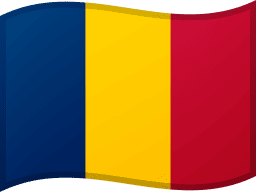
| Flag | Chad Flag |
|---|---|
| Country | Chad |
| Capital | N'Djamena |
| Continent | Africa |
| Official Languages | French, Arabic |
| Currency | Central African CFA franc (XAF) |
| Dialling Code | +235 |
Chad Flag Meaning
Flag Design
The flag of Chad consists of three vertical bands of equal width, colored blue, yellow, and red from left to right. The flag has a 3:2 aspect ratio, with all three color bands being of equal size. This vertical blue-yellow-red design is very similar in layout to the flags of Romania and Andorra in Europe, with the distinction being that Chad uses a darker shade of blue, closer to indigo. The width and proportions of the vertical bands are strictly defined, and the blue is a deeper indigo tone to differentiate it from similar flags of other nations in international settings.
Meaning
The blue symbolizes the sky, hope, and the water of life, also representing Lake Chad in the west. The yellow stands for the sun and the vast Sahara Desert, symbolizing the northern part of the country and wealth. The red represents progress, unity, and the spirit of struggle and sacrifice for the country’s independence and development. Together, the three colors convey a national vision grounded in water and sunlight, striving for a better future. As a landlocked country situated between the Sahara and the Sahel, Chad incorporates these two most precious natural elements into its flag, expressing hope for survival and development.
History and Legal Status
The flag of Chad was adopted in 1959 and officially came into use upon the country’s independence on August 11, 1960, and has remained in use ever since. Due to its close resemblance to the blue-yellow-red vertical-striped flags of countries like Romania, discussions about recognition have arisen in the past. Chad has differentiated itself with the darker indigo blue tone, and international bodies such as the United Nations have standardized flag dimensions for clarity. Today, the Chadian flag is widely displayed on National Day, at government institutions, embassies and consulates, and during sporting events, serving as an important symbol of national independence and multi-ethnic unity.
Chad Overview
Country Details »Overview of Chad
Chad (officially the Republic of Chad) is a landlocked country in north-central Africa, located on the southern edge of the Sahara Desert. It borders Libya to the north, Sudan to the east, the Central African Republic to the south, Cameroon and Nigeria to the southwest, and Niger to the west. With a land area of approximately 1.284 million square kilometers, it is the fifth-largest country in Africa. However, much of the country consists of desert and arid zones, and the population is mainly concentrated in the southern Sahel grasslands and around Lake Chad. The capital, N'Djamena, is located near the confluence of the Chari and Logone rivers in the southwestern part of the country and serves as the national center for politics, economy, and transportation. The official languages are French and Arabic.
Chad is a presidential republic divided into several regions. As a landlocked nation far from the sea, it faces high transportation and logistics costs, and its development has long been constrained by natural conditions, geographic location, and regional security issues. Travelers to Chad should focus their activities on the relatively stable southern and central areas.
Geography and Climate
Chad’s geography can be clearly divided into three zones from north to south: the northern Sahara Desert interior, which includes dramatic plateaus and sand dune landscapes such as the Tibesti, Ennedi, and Borkou highlands. The Ennedi region is known for its sandstone arches and prehistoric rock art, while the Tibesti features volcanoes and canyons—both have been designated UNESCO World Heritage Sites. The central zone is the Sahelian arid belt, a region of nomadic pastoralism. The southern zone is tropical savanna with higher rainfall and serves as the main agricultural area.
Lake Chad, located along the western border, is a vital inland freshwater lake in Africa. Historically much larger, it has shrunk dramatically over recent decades due to climate change and increased water usage, becoming a globally recognized environmental concern. The country has a hot and dry climate, with the Tibesti Plateau in the north once recording some of the highest temperatures in the country. The rainy season in the south is concentrated from June to September.
Historical Background
The Chad region has long been an important hub of trans-Saharan trade routes, with caravans traveling between the Mediterranean coast and the Sahel, exchanging salt, gold, ivory, and slaves. From the Middle Ages onward, kingdoms such as the Kanem-Bornu Empire, the Wadai Sultanate, and the Baguirmi Sultanate emerged around Lake Chad and its eastern regions, spreading Islamic culture. The rock art of the Ennedi and Tibesti regions records human activity from thousands of years ago when the Sahara was still a grassland.
From the late 19th century to the early 20th century, France gradually incorporated Chad into French Equatorial Africa. Chad declared independence on August 11, 1960. Since then, the country has experienced prolonged political instability and armed conflict, with recurrent security issues in the northern and eastern border areas. Since the 1990s, the political situation has gradually stabilized, but the northern and border regions remain high-risk areas.
Economy and Currency
Chad’s economy is primarily based on agriculture and livestock. The southern region produces cotton, peanuts, and grains, while the central and northern areas rely on cattle, sheep, and camel herding. Since 2003, oil exports via pipeline have become a significant source of national revenue. The industrial base is weak, with limited manufacturing, and the economy is sensitive to fluctuations in oil prices and climate conditions.
The official currency is the Central African CFA franc (XAF), issued by the Bank of Central African States (BEAC). Chad is a member of the Central African Economic and Monetary Community (CEMAC). The CFA franc is pegged to the euro at a fixed exchange rate, making it convenient for travelers to exchange euros for cash locally, though cash is the primary medium for daily transactions.
Culture and Society
Chad is a typical multi-ethnic and multilingual country, with communities such as the Sara, Arabs, Toubou, and Kanuri living together in linguistic and cultural diversity. The central and northern regions are dominated by nomadic and semi-nomadic cultures, while the south is primarily settled and agrarian. Both Islam and Christianity have large followings, and religious and ethnic relations are generally peaceful.
Local traditional music, poetry, and handicrafts are distinctive, and camels and horses hold significant social importance among certain ethnic groups. The diet is based on millet, sorghum, milk, and meat, with cassava and grains more common in the south. Tea is the main beverage. Travelers should respect local religious customs and traditions, especially during Ramadan and in rural areas.
Tourism Overview
Chad’s tourism resources are uniquely diverse in Africa but have long been limited by security concerns. Zakouma National Park is one of the most important elephant conservation areas in West and Central Africa, known as one of the last sanctuaries for elephants in Africa. In recent years, it has achieved notable success in elephant population recovery and anti-poaching efforts, making it one of the most promising wildlife destinations in sub-Saharan Africa. The areas around Lake Chad preserve traditional fishing, hunting, and nomadic lifestyles. The natural stone arches, cave paintings, and volcanic landscapes of the Ennedi Plateau and Tibesti Highlands showcase the grandeur of prehistoric Saharan civilization.
It is important to note that the security situation in northern Chad (Tibesti Plateau, Ennedi Plateau, Borkou) and many border areas is severe. Most governments advise against travel to these regions. If travel is essential, closely monitor the latest official travel advisories, strictly avoid border and military-controlled areas, purchase travel insurance covering medical treatment and emergency evacuation, and prepare for communication, water supply, and disease prevention.
Chad Travel Guide
All Guides »Chad Independent Travel Quick Guide: Visa, Safety Tips, Budget, and Local Etiquette & Taboos
Before traveling to Chad, you must first understand the security situation and v...
7-Day Chad Itinerary: N'Djamena – Moundou – Zakouma – Chad Lake Corridor 7 days
Focusing on the relatively stable southern and central regions, this route conne...
Chad 4-Day Short Trip Itinerary: Safe Travel Around N'Djamena and the Chari River 4 days
This short itinerary focuses on the capital, N'Djamena, and is ideal for busines...
Chad Must-Visit Destinations: Wildlife Reserves, Lake Chad, and the Sahara Highlands
Explore Chad’s most iconic natural and cultural destinations by region—from wild...
A Guide to Local Food and Culture in Chad: Millet Staples, Grilled Lamb, Lake Fish, and Mint Tea
Based on grains, dairy, and meat, Chadian cuisine is simple yet reflects nomadic...
Complete Guide to Transportation in Chad: Airport Transfers, Private Car Hire, and Access to Protected Areas
As a landlocked country, transportation in Chad mainly relies on road travel and...