Outdoor Adventures

Introduction to Brazilian Coffee Varieties: Yellow Bourbon, Caturra, Catuaí, Mundo Novo, and Maragogipe
In 1727, coffee was introduced to Brazil from Guyana, after which large-scale coffee cultivation began in the country. To better study the coffee crop, IAC (the Campinas Agronomic Institute) was established in the state of São Paulo in 1874. This organization specializes in the preservation of various plants and species, including coffee.
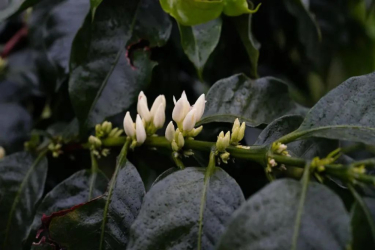
What does coffee flowering signify in the coffee growth cycle?
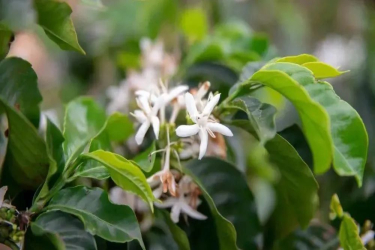
As an agricultural crop, coffee is typically harvested once a year in most regions, though some producing countries may have two harvests annually. When coffee trees bloom, farmers can begin to estimate the potential yield for the season—more flowers generally mean more coffee cherries. The timing of flowering varies globally depending on climate, but timely rainfall is crucial for the coffee tree's seasonal development.
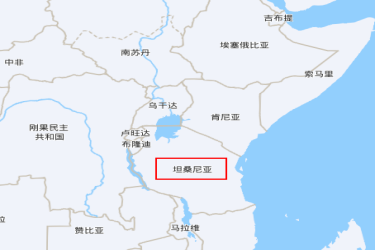
Introduction to the Kilimanjaro Coffee Region in Tanzania
Tanzania is located in the Southern Hemisphere and borders other coffee-producing countries such as Kenya, Rwanda, and Burundi. Coffee was introduced to Tanzania from Ethiopia in the 16th century and became a cash crop during the German colonial period. Locals refer to coffee as kahawa. The main coffee production season runs from June to August each year.
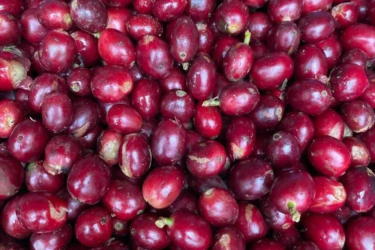
What variety is Typica Mejorado? An introduction to the rare bean variety and the origins of the improved Typica
When people mention Yellow Bourbon, Brazil might come to mind first; when SL24 and SL34 are brought up, Kenya often springs to mind; whereas Sidra and Typica Mejorado are signature coffee bean varieties from the lesser-known coffee-producing country — Ecuador. In Spanish

Should you choose the Blue Label, Green Label, or Red Label Geisha? A detailed breakdown of the plots and grading system of the Geisha coffee at Panama’s Hacienda La Esmeralda
Panama’s Hacienda La Esmeralda is the discoverer of Geisha coffee. Without that small step of isolating the variety back then, there might not have been the global Geisha coffee trend over the past 20-plus years. As an iconic brand for experiencing the flavors of Geisha coffee, how exactly do the plots, grading, auctions, and batches of Hacienda La Esmeralda’s Geisha coffee differ from one another?

Among coffee bean origins, what is a plantation? What is a cooperative? What is a processing mill?
Single-origin coffee beans refer to coffee beans that come from a single place of origin. From a cup of coffee, we aim to taste the flavors unique to that region — for example, Mandheling has the taste of Mandheling, Yirgacheffe has the taste of Yirgacheffe, and there are clear differences between beans from different origins. But here, let’s first explain what we mean by "origin." The concept of origin also...
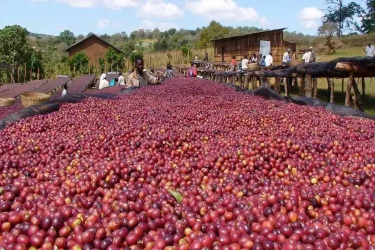
What is the difference between a coffee estate and a coffee cooperative?
Currently, there are two of the most common cultivation models in the coffee industry: estates and cooperatives. Cooperatives bring together a group of farmers who, as individuals, have limited capital and lack sufficient resources to operate independently. They may even be unable to negotiate with exporters or roasters due to insufficient production.

Introduction to the Ethiopian Commodity Exchange (ECX)
The Ethiopian Commodity Exchange (ECX) is Ethiopia’s national multi-commodity exchange, through which the majority of the country’s coffee is traded. In 2007, economist Eleni Gabre-Machin outlined in a speech
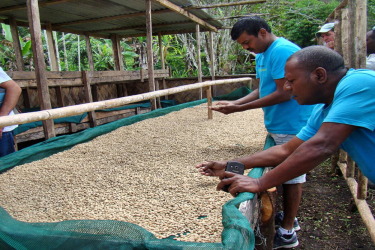
Introduction to the Coffee Growing Regions of Papua New Guinea in Oceania
Papua New Guinea (PNG) is an island country in Oceania. Approximately 80% of the population lives in rural areas, and over 40% rely on coffee for their income. The Typica seeds, introduced from Jamaica's Blue Mountain, were planted at the foot of the mountains in the southeastern province of Simbu (Chimbu) in the 20th century. In the early days

Pepper Geisha? Pepper Bourbon? Introduction to the Aji Coffee Variety
The pepper-flavored Aji coffee gets its name from the strong black pepper and chili spice aroma of its fresh fruit. Recently, it has caught public attention again due to Colombia’s Cup of Excellence competition. This variety made its first appearance at the 2021 COE (Cup of Excellence) competition, coming from the town of Pitalito in the Huila region of Colombia.
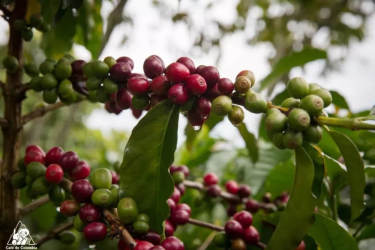
Introduction to Colombia's Four Major Coffee Tree Varieties: Colombia, Tabi, Castillo, Cenicafé1
Coffee is a major agricultural product in Colombia and one of its most important sources of foreign exchange. However, in the past, the country's coffee industry was plagued by plant diseases. To ensure stable yields for coffee farmers, Cenicafé (the Colombian Coffee Research Center) dedicated itself to developing new tree varieties and introduced four
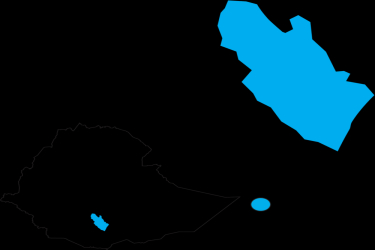
Introduction to the Guji Coffee Region: Hambella, Shakiso, Uraga
In 2010, within Ethiopia's unique ECX trading system, Guji was separated from the Sidamo region and established as a new coffee-growing zone due to its outstanding and distinctive flavor profiles. Administratively, it belongs to the Oromia Region. The Guji region is located in southern Ethiopia and is characterized by towering mountains.
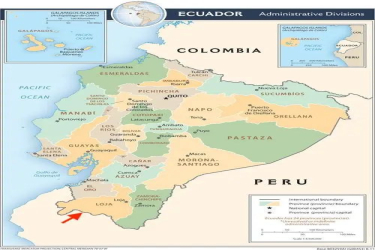
Introduction to Coffee Plantations in Ecuador, South America: Fertile Plantation & Papaya Plantation
Fertile Plantation is located in Loja Province in southern Ecuador, nestled among the slopes of the Andes Mountains. The area is enveloped by thick fog drifting from the Pacific Ocean during the afternoon, providing the plantation with ample humidity. Its geographical advantages, unique moisture conditions, and fertile soil enriched with volcanic ash create ideal conditions for cultivating a variety of coffee with distinct flavors.
What variety is AC1? Introduction to Brazil’s latest natural low-caffeine coffee bean varieties
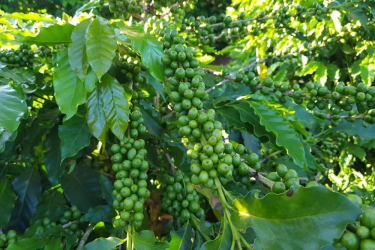
Nowadays, as more and more people are becoming interested in naturally low-caffeine coffee, the frequency of low-caffeine coffee appearing—whether in cafés or at specialty green coffee auctions—has been increasing. Examples include Laurina and Aramosa, as well as the recently discovered Ethiopian variety AC1. What is AC

Introduction to the Yirgacheffe Coffee Region in Ethiopia: Konga Cooperative
The Konga Cooperative is located in the Gedeo region, a few kilometers south of the town of Yirgacheffe. It joined the Yirgacheffe Coffee Farmers Cooperative Union (YCFCU) in 2002 and holds both Fair Trade and organic cultivation certifications. The name of the cooperative comes from the nearby Konga River and the Ko
Introduction to Popular Ethiopian Coffee Processing Stations: Yaye in Sidamo
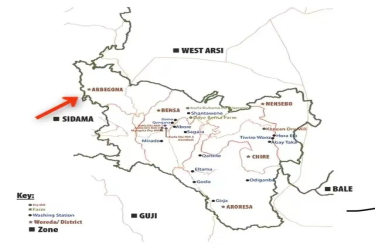
The Yaye washing station is located in the Arbegona production area of Sidamo, Ethiopia, adjacent to Bensa to the east. It is one of the regions with the highest coffee-growing altitudes in Sidamo. The average altitude of the coffee-growing areas in this region is about 2000–2300 meters, with relatively low temperatures, giving the coffee...

Introduction to Rare COE Coffee Varieties: Elefante Bourbon & San Roque
Among the winning lots from this year's COE competitions in Costa Rica and El Salvador, two new coffee varieties stand out among more familiar ones like Geisha. Elefante, which means "elephant" in Spanish, was first discovered in 2011 in the department of Ahuachapán...
Why is Bolivian coffee rarely seen in China?
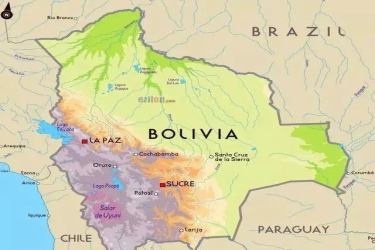
Bolivia is a landlocked country located in the central part of South America, bordered by Brazil, Peru, Chile, Argentina, and Paraguay. It is one of the poorest countries in South America. The eastern and northeastern parts are mostly Amazon River alluvial plains, accounting for about 60% of the country's total area; the central region consists of valley areas, belonging to the eastern...
Introduction to Uganda's Coffee-Growing Regions in Africa
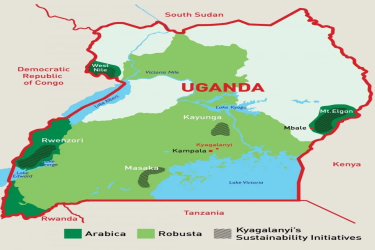
Uganda is a landlocked country in East Africa, bordered by Kenya, Tanzania, Rwanda, the Democratic Republic of the Congo, and South Sudan. Uganda is the birthplace of Robusta coffee and also the largest producer and exporter of Robusta in Africa. In Uganda, Robusta coffee (Robusta
Arabica Coffee Parent Varieties: Introduction to Eugenoides
As is well known, coffee can be divided into three main varieties: Arabica, Robusta, and Liberica. Among these, Arabica is the most renowned and widely recognized. The Typica, Bourbon, Caturra, Geisha, and others we are familiar with all belong to the Arabica variety.