The 375-year-old essence of Kyoto!“The Delicate Sweetness of Yudofu (Boiled Tofu)”
Text & Photos /Kavanagh
Founded in 1635 during the early Edo period, Okutan has a history of approximately 375 years. When it first opened, it was called “Oku no Tango-ya,” a restaurant primarily serving shōjin ryōri (Buddhist vegetarian cuisine). Like “Nanzenji Junsei,” which we introduced in the previous article, Okutan is a renowned spot for Kyoto’s famous yudofu. After trying Junsei, I wanted to compare it with Okutan, so I arranged to go with Yuki Kashiwagi from Kyoto Japanese Language School. Okutan has two branches—the one located at Nanzenji is the main store, and on this day, we visited Okutan Kiyomizu, near Kiyomizu-dera Temple.
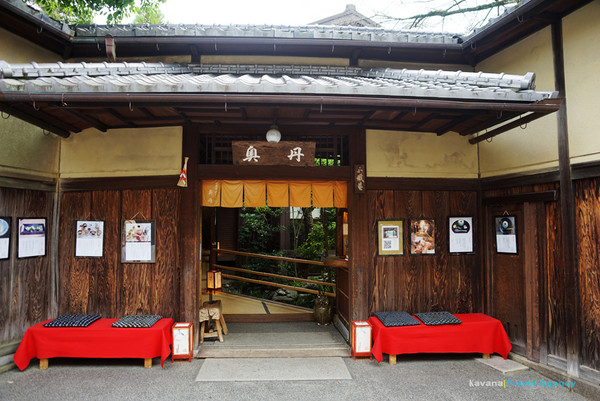
Okutan Kiyomizu is situated along the Sannenzaka steps beneath Kiyomizu-dera, an area that is also one of the busiest tourist districts in Kyoto, bustling with visitors all year round. The exterior of Okutan Kiyomizu is classically elegant, exuding a strong traditional Japanese charm.

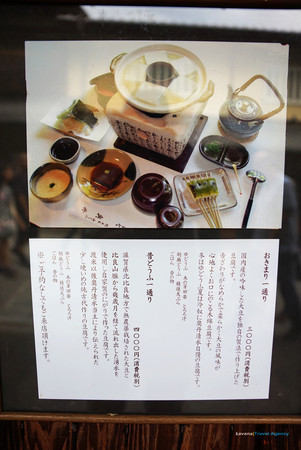
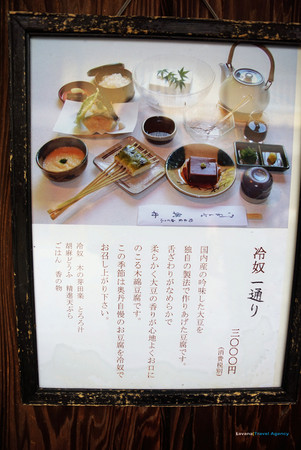
The MENU posted at the entrance~

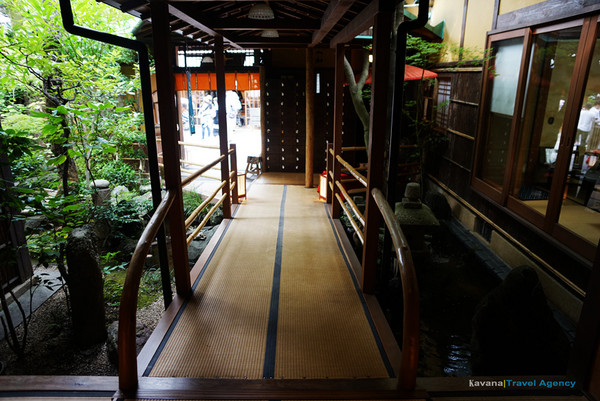
Upon entering, after informing them of the number of diners, we were asked to take off our shoes. We placed our shoes in lockers and were then guided to our seats by the staff.


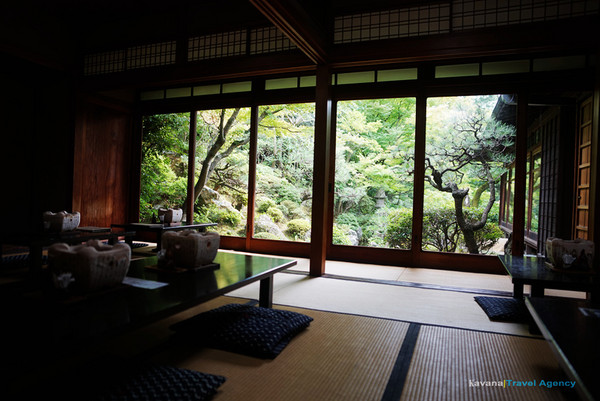
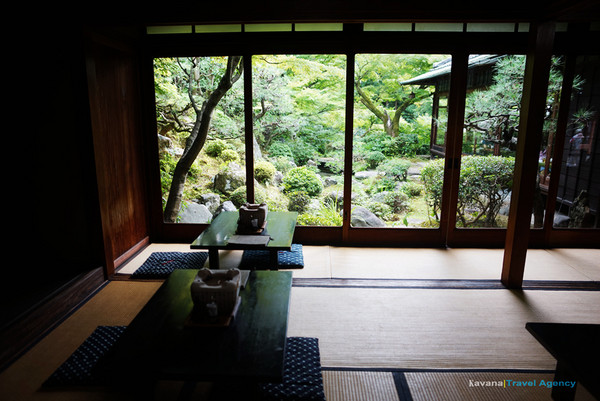
Outside the dining area of Okutan is a beautiful Japanese garden, with floor-to-ceiling windows facing the garden, allowing diners to enjoy the view through the glass.
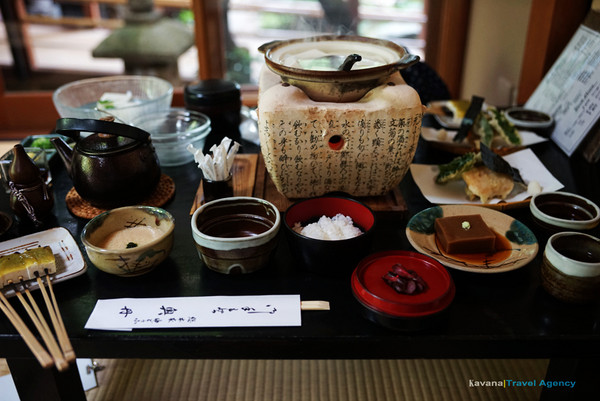
On this day, we ordered the “Okimari Ittōri (¥3,000)” and “Hiyayudofu Ittōri (¥3,000).” The difference between these two set meals lies in the main dish—one is yudofu, and the other is hiyayudofu (chilled tofu).
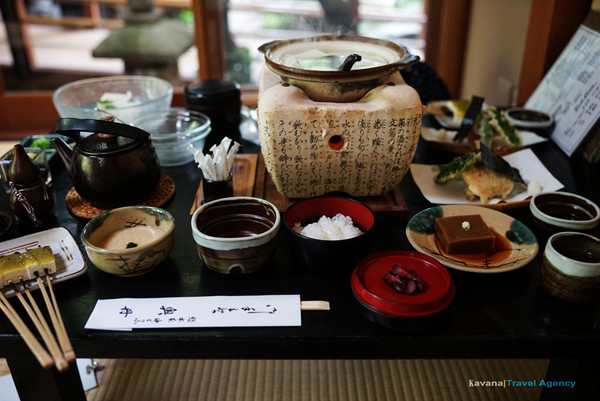
After placing our order and waiting about ten minutes, our set meals were served one by one. My “Okimari Ittōri” included yudofu, vegetable tempura, goma-dōfu (sesame tofu), grated yam, kinome-yaki dōfu (sansho-flavored grilled tofu), along with steamed rice and pickles.
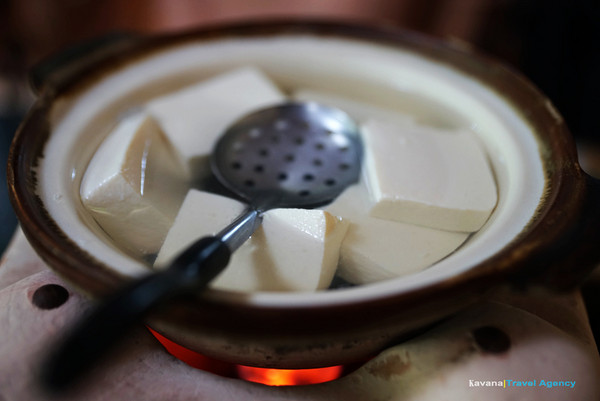
The main star, the yudofu, originally had a small bowl of dipping sauce placed in the middle, which I removed for the photo. The yudofu at Okutan Kiyomizu comes in a generous portion of seven soft and tender white pieces. The yudofu here is made using carefully selected domestic soybeans, water from Kitahiara in Shiga Prefecture, and natural coagulants, offering the purest flavor of tofu.
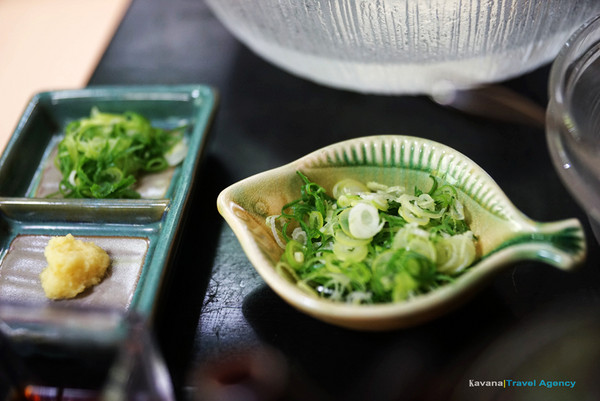
Grated green onions and grated ginger can be eaten together with the tofu.
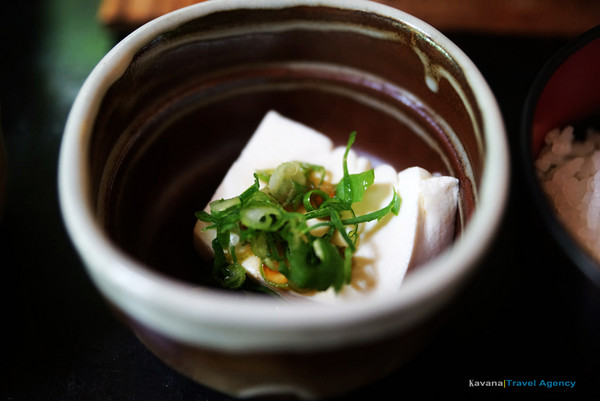
Yudofu can be enjoyed plain to savor its original taste. Alternatively, you can add dipping sauce, green onions, and garlic. The plain yudofu allows you to taste the natural flavor of the tofu, but for someone like me who prefers stronger flavors, I enjoy it more with the sauce and green onions mixed in.
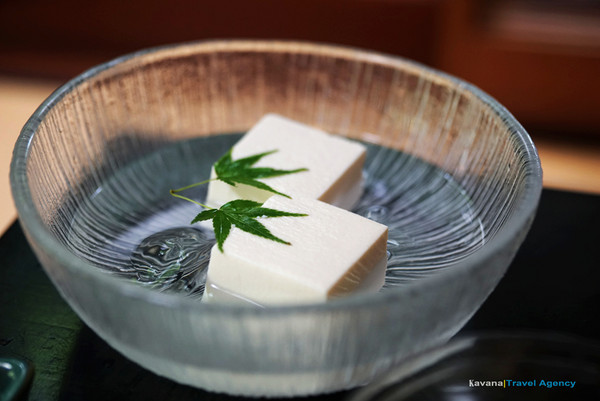
Yuki Kashiwagi ordered the hiyayudofu. Hiyayudofu is served on a plate, allowing diners to freely add seasonings or condiments. Hiyayudofu is also common in Taiwan (like century egg tofu). At Okutan, the hiyayudofu is served in a water-filled bowl with two delicate silken tofu pieces surrounded by ice water. The chilled hiyayudofu is perfect for summer.

Shōjin tempura, or vegetarian tempura, features lightly fried vegetables and seaweed with a rich aroma yet not greasy at all—it’s quite delicious~
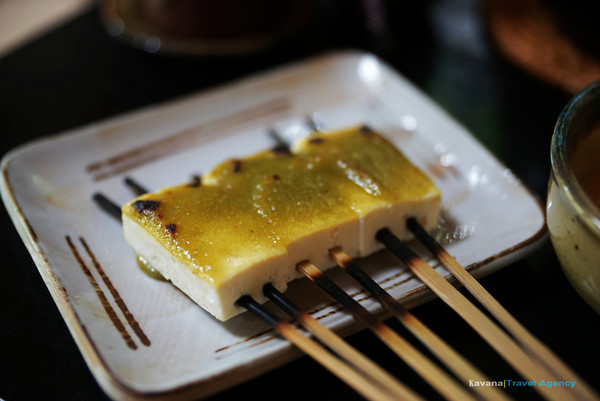
Kinome-yaki dōfu (sansho miso grilled tofu). Sansho is one of Kyoto’s famous seasonings. Kinome-yaki dōfu is made by grilling tofu topped with sansho miso over charcoal.

Goma-dōfu (sesame tofu).
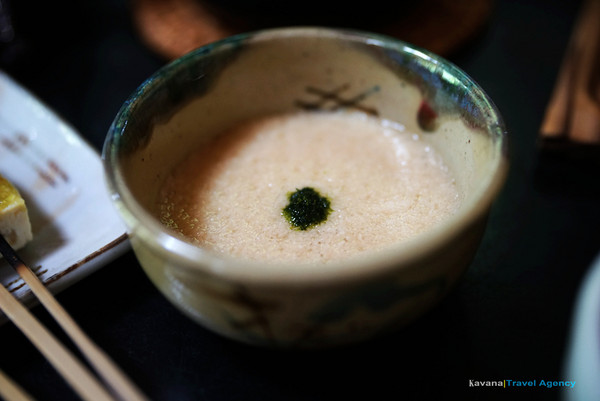
Tororo-jiru, or yam puree soup, is delicious whether eaten as is or poured over steamed rice.
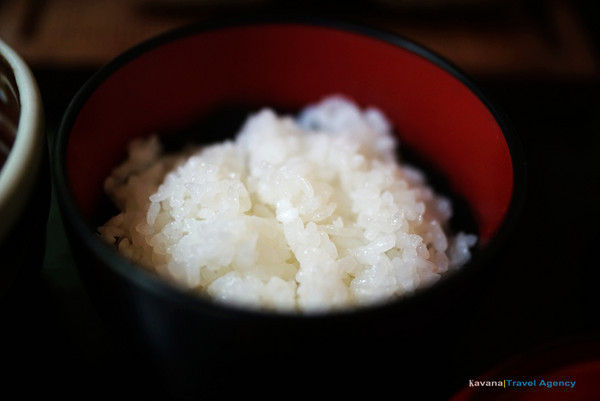
Fluffy, well-separated grains of white rice.

Pickles.
Unlike Junsei, the yudofu here at Okutan is entirely vegetarian, containing no meat or fish. This makes sense, as Okutan has always been a restaurant specializing in shōjin ryōri (temple-style vegetarian cuisine). The yudofu here is silky smooth and refreshing, letting you taste the mild natural sweetness of the tofu. In my opinion, the tofu at Okutan is even more tender than that at Junsei, reflecting the restaurant’s dedication to making tofu.
I think eating yudofu isn’t just about whether it’s “delicious” or not. To be honest, in today’s world where we’re used to strong flavors, the subtle taste of plain tofu might seem bland and far from extraordinary. But yudofu is part of Kyoto’s traditional cuisine. For me, eating yudofu is less about tasting the tofu itself, and more about experiencing Kyoto’s traditional culture. Sitting in an ancient building, gazing out at the Japanese garden through the floor-to-ceiling windows, and savoring the yudofu carefully crafted by this long-established shop—we’re not just enjoying a dish, but also the essence of this ancient capital that Kyoto offers.
Okutan Kiyomizu
Business Hours: Weekdays 11:00–16:30 (last order 16:00), Weekends & Holidays: 11:00–17:30 (last order 17:00)
Closed: Every Thursday.
Deliciousness all day long
Download the “ETtoday News Cloud APP” for the latest food news →
iOS:https://goo.gl/rmIDdx
Android:https://goo.gl/XPe8Uj
Share
This article is published by HowToTrip. Sharing and reposting are welcome — please credit the source.
Article URL: https://www.howtotrip.net/views-9567
Related Articles
- Shaoxing's "Grandpa Gourd" hangs the gourds back up: "If there are too many people, we'll interact less — just take a quick look from afar"
- Chinese authorities announce "reciprocal adjustment" to Japan visa fees — single-entry visa jumps from 2,250 to 16,750 yen!
- 旅客携带的“保健石”核辐射超标千倍,同机人员或遭殃!海关提醒!
- 深圳机场深夜通报!出现不明升空物,航班大面积延误!
- “拆盒洗了才说要钱!”高铁200克葡萄卖60元,12306回应!
- 买不了机票?出境被拒?登机被拦?一大波中国游客莫名成了“失信人”
- 不利天气和经济波动影响哥伦比亚咖啡市场
- 海边浴场回应冲脚淡水收费2元/30秒:明码标价!
- 舱门没关好就起飞?机翼出现问题?多个航班途中紧急折返!
- 感受大自然的馈赠!盘点世界十大唯美海岸线