A Must-Try Meal When Visiting Fushimi Inari Shrine: Grilled Teriyaki Eel Rice & Iconic Inari Sushi
Text & Photos /Pingzi
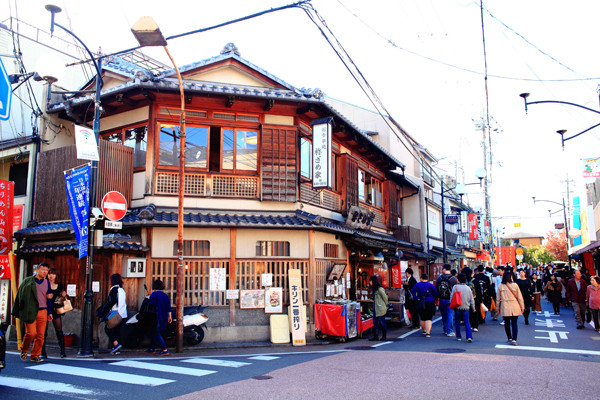
On your slow-paced cultural journey through the historic city of Kyoto, don’t miss the delicious food around the popular Fushimi Inari Taisha. Pingzi recommends you try the eel rice and inari sushi at Nezame-ya—an eatery with over 470 years of history. It was a favorite of the legendary warlord Toyotomi Hideyoshi after his shrine visits during Japan’s Warring States period. Housed in a two-story wooden building, Nezame-ya serves iconic dishes that leave a lasting impression.
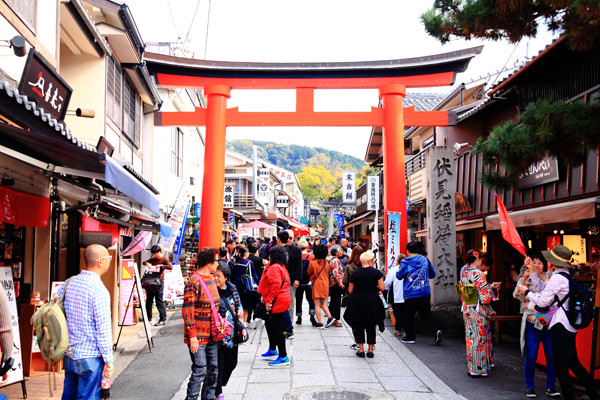
If you take the JR line, you’ll find the entrance to “Fushimi Inari Taisha” right outside JR Inari Station. Pingzi took the Keihan Line this time, which brings you out near the shopping street next to Fushimi Inari Taisha. It’s just a five-minute walk from the Keihan Line’s Fushimi Inari Taisha Station. Cross the Inari Bridge, and you’ll inevitably pass by the shrine on one of its main approach roads (as shown in the photo above), leading through a bustling street filled with souvenir shops.
The itinerary planned along the Tofukuji route: Tofukuji (a famous maple viewing spot) → Fushimi Inari & Inari Shrine (where the small bridge with thousands of red torii gates from Memoirs of a Geisha was filmed), stopping for lunch at the must-eat spot in Kyoto’s Fushimi Inari area—Nezame-ya’s eel rice—then heading to Uji to visit the Tsuen Tea House (a century-old tea shop). Pingzi highly recommends planning a full day of activities here.
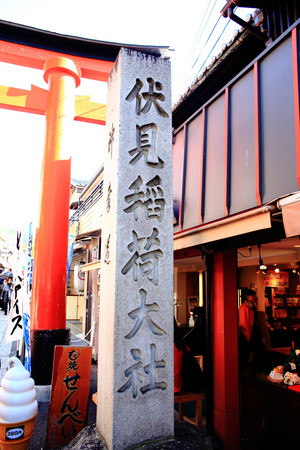
A striking stone pillar beside Fushimi Inari Taisha. To read more articles about Fushimi Inari Taisha, click here:http://upssmile.com/25464.
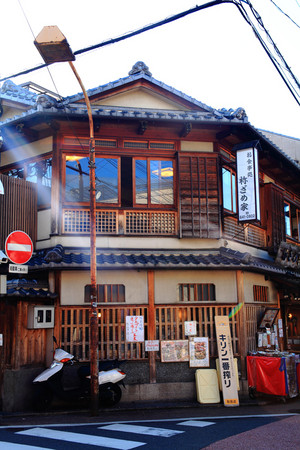
Voted the top tourist attraction in Japan for foreign visitors in both 2014 and 2015,apart from the iconic orange torii gates featured in “Memoirs of a Geisha,”the surrounding food is also not to be missed. Nezame-ya is a local delicacy you shouldn’t pass up.
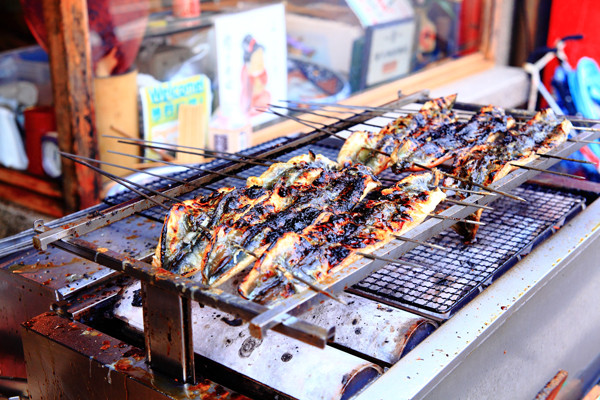
Freshly grilled eel wafts fragrantly from the entrance, its rich aroma impossible for Pingzi to ignore. Each eel is butchered and grilled on the spot. The chef skillfully brushes on the sauce, letting it soak deep into the meat. The sizzling sounds of the grill and mouthwatering scents made Pingzi’s mouth water. From the entrance, you can see the chefs continuously fanning the eels. Because eel has a high fat content, too much direct heat can make it smell unpleasant, so the fan is used to prevent burning—hence the motion.
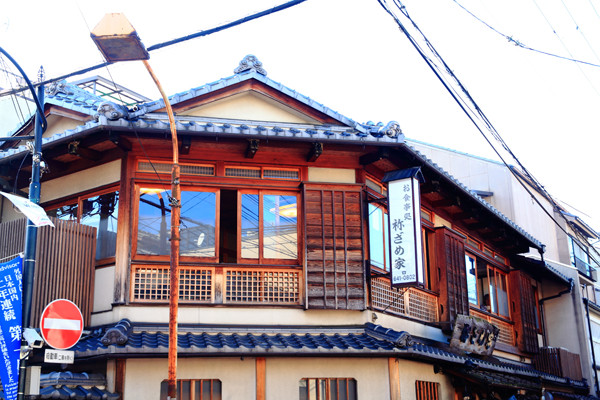
When visiting Fushimi Inari Taisha in Kyoto, Pingzi hadn’t done specific research on where to eat. Fortunately, she’s quite observant and happened to spot “Nezame-ya Eel Rice & Inari Sushi” at the major intersection just outside the shrine’s main gate. The quaint, old two-story building gave off the vibe of a hidden gem, so she decided to step in. Only back in Taiwan did she look it up and learn that Nezame-ya has such a long and storied history. She’s grateful she followed her instincts—otherwise, she would’ve missed out on this delicious, authentic Kyoto dish near Fushimi Inari.
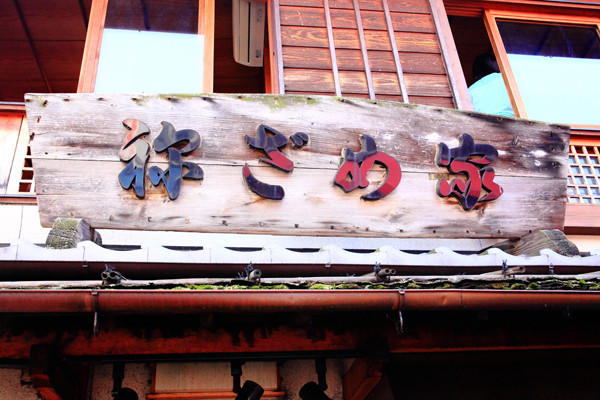
The large sign for Nezame-ya exudes an old-world charm, even if you can’t read Japanese.
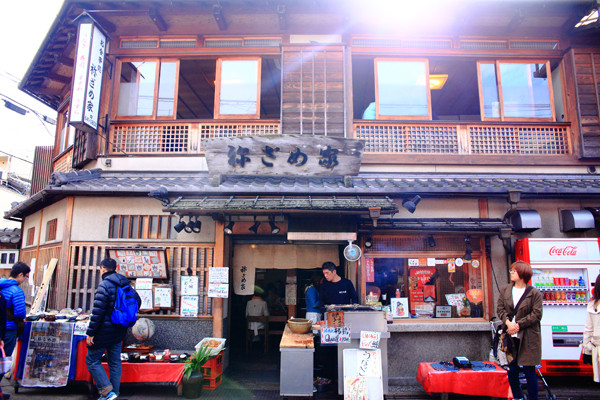
The storefront is small, but even peeking through the door lets you sense the lively hustle-bustle and bustling atmosphere inside.
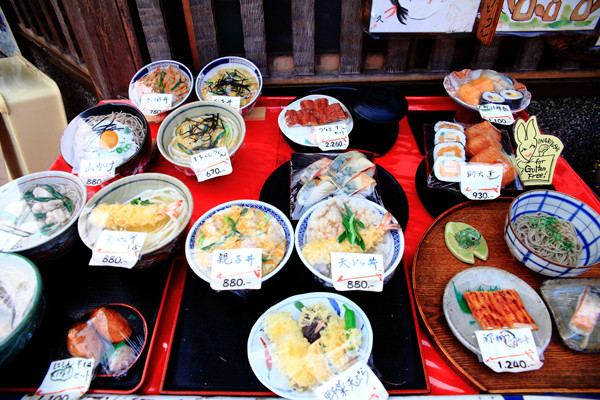
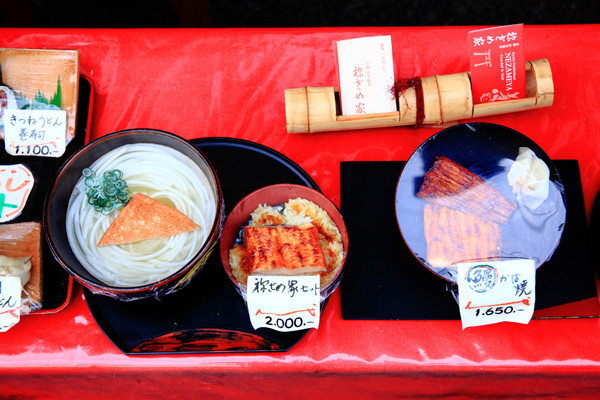
Various food models are displayed by the entrance, giving visitors a clear idea of what’s on the menu. Most customers go for the eel rice or inari sushi. A restaurant that’s stayed in business for so long and carries so much cultural significance surely has a meaningful backstory. The messenger of the Inari deity is the fox, and foxes love aburaage (fried tofu). Locals offer inari sushi (tofu pockets) as offerings to the god of harvest. There’s also a legend that eating inari sushi brings good luck, which is why it became a signature dish of the area.

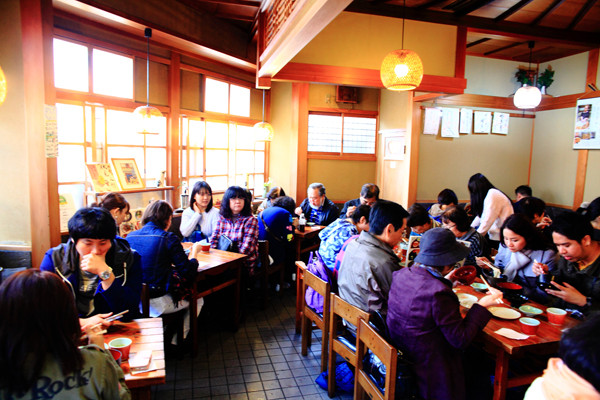
Inside the restaurant, it’s packed with people. We were seated on the second floor and asked to remove our shoes. A busy place means great food—this rule holds true in Taiwan and Japan alike.
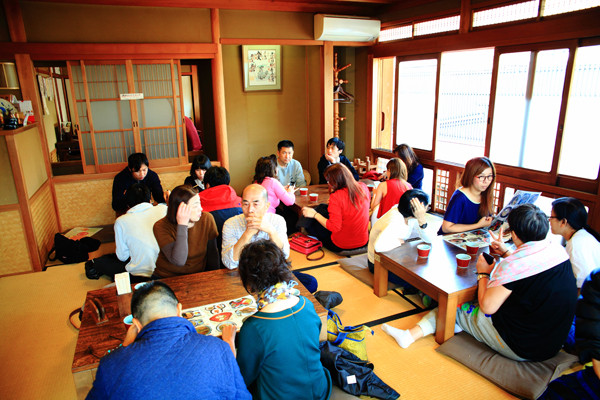
The second floor has tatami mat seating, adding to the authentic Japanese dining atmosphere.
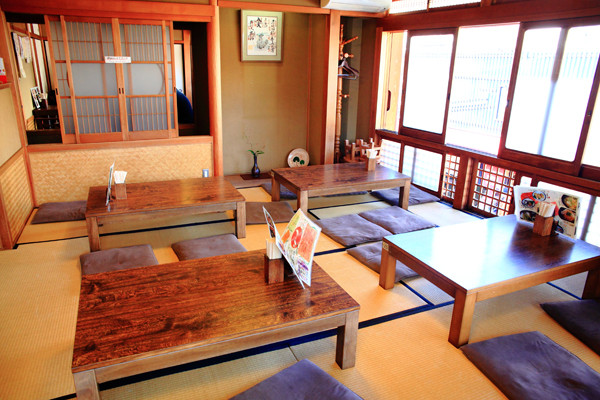
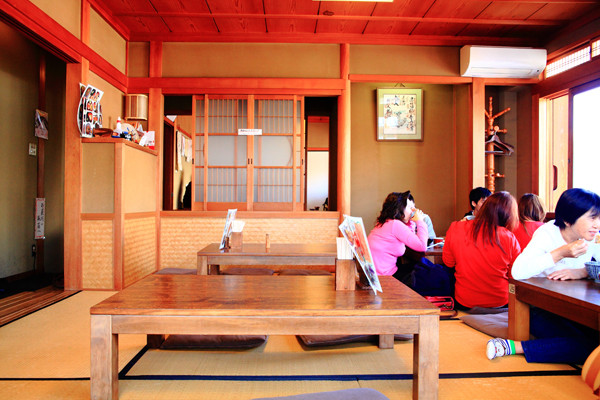
This photo was taken after 3:30 PM, once the lunch rush had cleared.

Upon being seated, tea is served to enjoy.
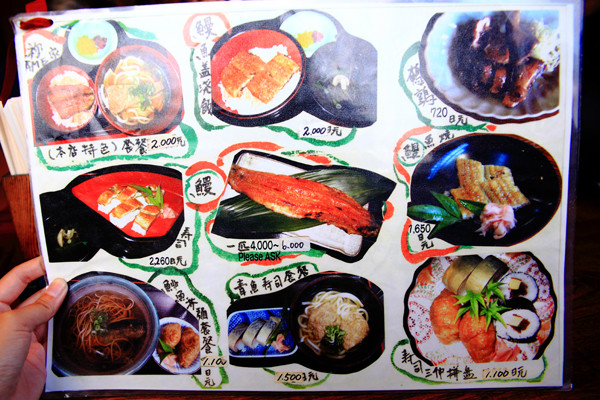
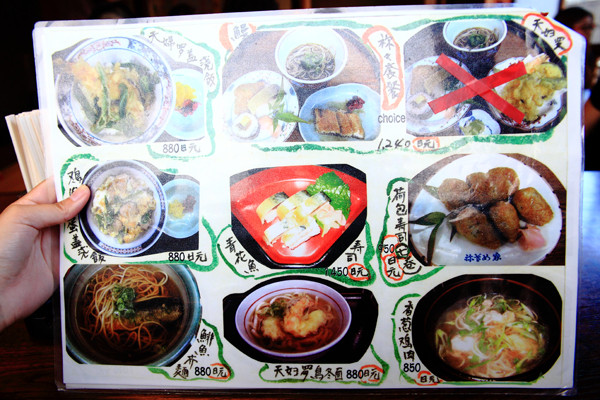
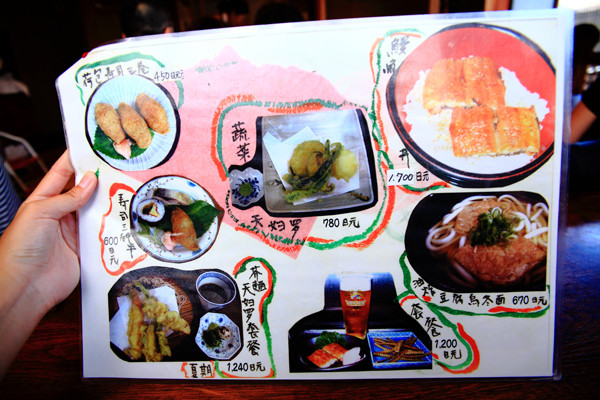
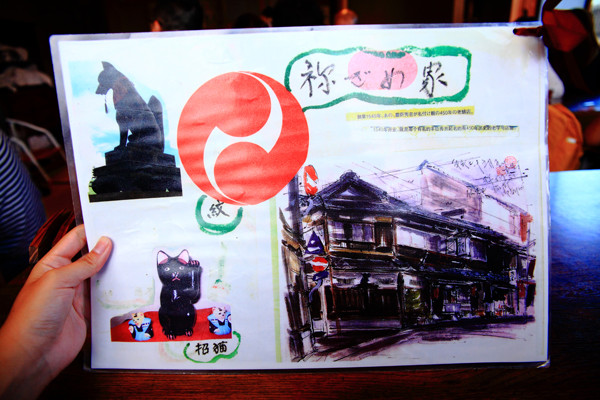
The menu is illustrated and easy to understand. The signature dishes are eel rice and inari sushi (also known as fried tofu sushi). Just flipping through the multi-page Nezame-ya menu reveals many options, most of which come as set meals.
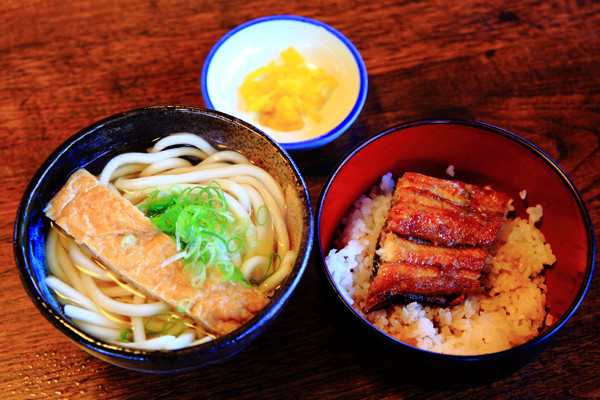
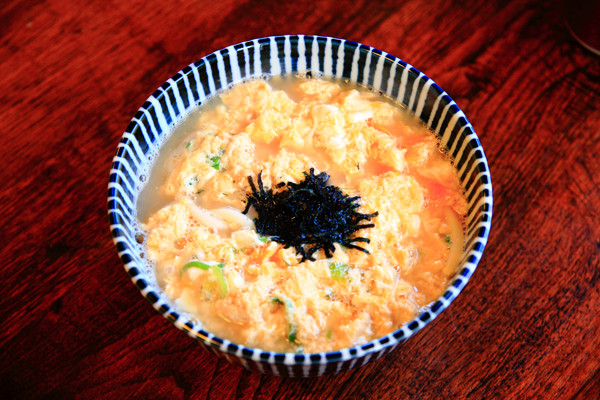
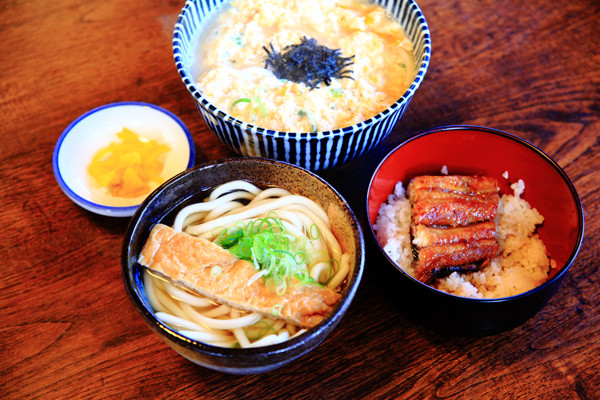
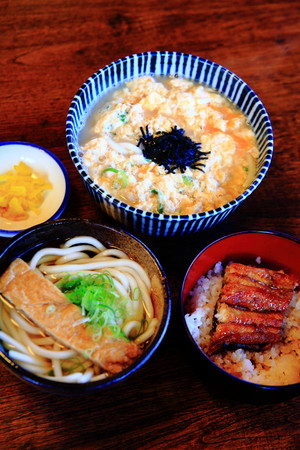
At Nezame-ya’s main branch, a popular set for ¥2,000 includes one eel rice and one bowl of udon, plus some pickles. Though the dishes may seem simple, they are deeply satisfying and made with the most authentic local ingredients.
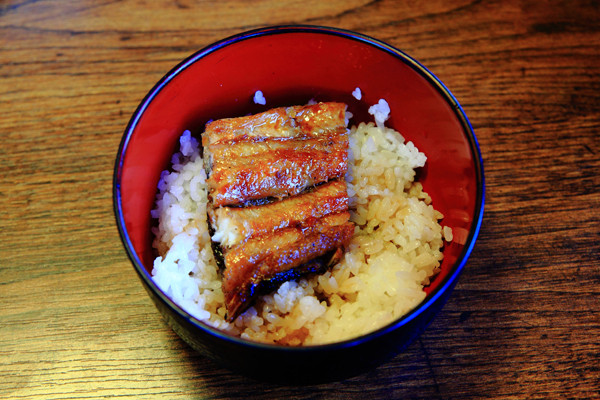
The eel rice at Nezame-ya may not be a huge portion, but it’s all about enjoying refined flavors rather than stuffing yourself—and the price is very reasonable. The eel looks quite charred, leading you to expect some bitterness, but it isn’t there. Instead, the eel absorbs the sauce, offering a touch of sweetness without losing its umami. It’s incomparable to Taiwanese-style eel rice. The eel melts in your mouth, has no bones, and no bitterness. One bite of rice, one bite of eel—it’s incredibly flavorful and pairs perfectly with the rice. Highly recommended; the eel is perfectly grilled and a must-order.
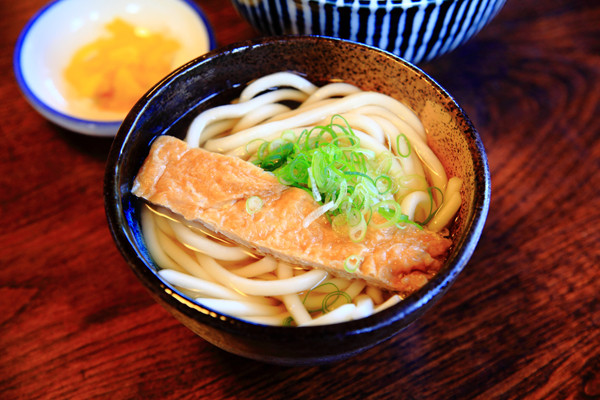
Fried tofu udon for ¥670. Japanese tofu skin is much tastier than Taiwan’s—you have to try it when in Japan. The tofu skin here is named after the fox (a symbol of Inari), and it’s seasoned with sesame and sesame oil, giving it a rich, aromatic flavor. Unlike typical tofu skin, whether wrapped around vinegared rice or served in the udon broth, it’s wonderfully fragrant and layered in taste.
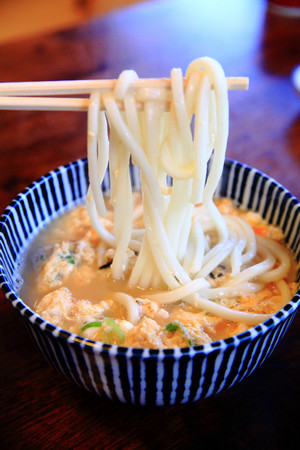
The udon noodles at Nezame-ya are extremely chewy, soaking up the savory broth and becoming incredibly flavorful. They’re smooth yet tender with a slight bounce. The soup is rich and sweet, deeply satisfying. Just watching Pingzi lift those noodles shows how appetizing they look.
If you ever get the chance to visit Fushimi Inari Taisha, be sure to try the eel rice and inari sushi at Nezame-ya. These unforgettable flavors give your Kyoto trip deeper meaning and cultural richness—you won’t feel like you’ve visited in vain.
Nezame-ya Eel Rice & Inari Sushi.
Address: 82-1 Kamigyocho, Fushimi Ward, Kyoto.
Phone: 075-641-0802
Business Hours: 10:00–18:00.
Official Website:http://nezameya.com/。
How to Get to Fushimi Inari Taisha (Inari Shrine)? Transportation options to Fushimi Inari Shrine:
◎From JR Kyoto Station → Take the Nara Line bound for Nara → Get off at Inari Station, then walk 5 minutes to arrive.
Another option is to take the Keihan Electric Railway Keihan Main Line: This is the route uppi smiled used to visit Fushimi Inari Taisha (Inari Shrine).
◎Yg Yotsuya → Shimizu Gojo → Shichijo → Tofukuji → Toriimoto → Fushimi Inari, then walk 5 minutes to arrive.
Up's Smile Pingzi (up’s smile / Upward Smile)!
She is a designer and also a photographer for Upward Smile Travel Food Design Photography.
Passionate about “travel,” food, “design,” photography, and films.
Blogger:http://upssmile.com/
Share
This article is published by HowToTrip. Sharing and reposting are welcome — please credit the source.
Article URL: https://www.howtotrip.net/views-8269
Related Articles
- Shaoxing's "Grandpa Gourd" hangs the gourds back up: "If there are too many people, we'll interact less — just take a quick look from afar"
- Chinese authorities announce "reciprocal adjustment" to Japan visa fees — single-entry visa jumps from 2,250 to 16,750 yen!
- The "health stones" carried by a traveler were found to have radiation levels exceeding safety limits by a thousand times, potentially endangering fellow passengers on the same flight. Customs issues warning!
- Shenzhen Airport Issues Late-Night Notice: Unidentified Aerial Object Detected, Causing Widespread Flight Delays!
- “They only said it cost money after I opened the box and washed it!” 200g of grapes sold for 60 yuan on a high-speed train—12306 responds!
- Can't buy an airline ticket? Denied exit? Blocked from boarding? A large number of Chinese tourists have mysteriously become "discredited individuals"
- Adverse weather and economic fluctuations impact Colombia's coffee market
- Beach bathing area responds to 2 yuan/30 seconds fee for freshwater foot rinsing: Clearly priced!
- Taking off with an improperly closed cabin door? Wing malfunction? Multiple flights made emergency returns mid-journey!
- Experience the gifts of nature! A countdown of the world’s ten most stunning coastlines