Kumamoto’s wildly popular tonkatsu (fried pork cutlet)! A must-try for foodies: Kagoshima-raised Rokushiroku black pork loin.
Text and photos byThe Old Man and Little Wife
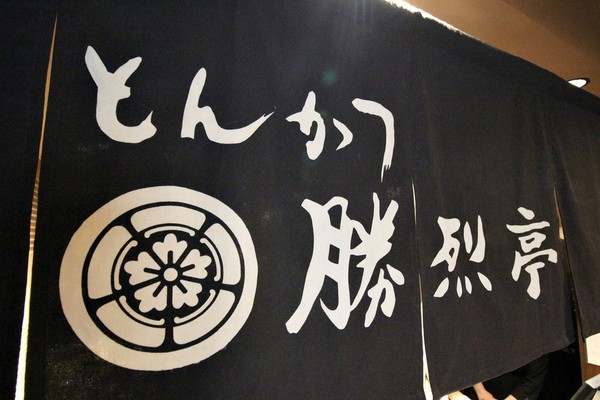
When in Kumamoto, there are several restaurants you must visit, and “Shouryutei” (Japanese pronunciation: Katsuretsu tei), is definitely at the top of the list (voted the #1 eatery by the Japanese Food Diary website). After trying it out, the old man and little wife are here to sum it up for everyone first: the tonkatsu is delicious, the staff is friendly, the location is convenient, and there are endless surprises!?
What kind of surprises? Well, you’ll find lots of hidden treasures here. (Huh? Monster hunting?)
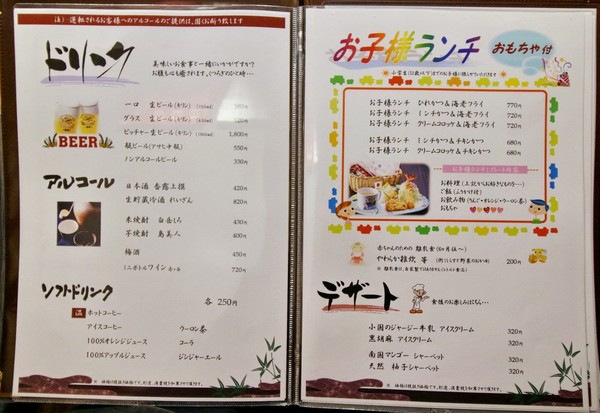
One of the surprises is that, as mentioned in the subtitle, they offer a baby meal menu. “Words alone don’t count—here’s photographic proof” (right in the middle). They also have a regular kids’ menu, but the highlight is the “baby meal”! Baby weaning vegetable congee for just 200 yen per serving—how amazing is that!? You can really see how much society cares about the next generation from such small details. Let’s all support families with little babies (so touching). Seriously, out of a hundred customers, how many would bring a baby? Going out of their way to serve less than 1% of their patrons shows real thoughtfulness.
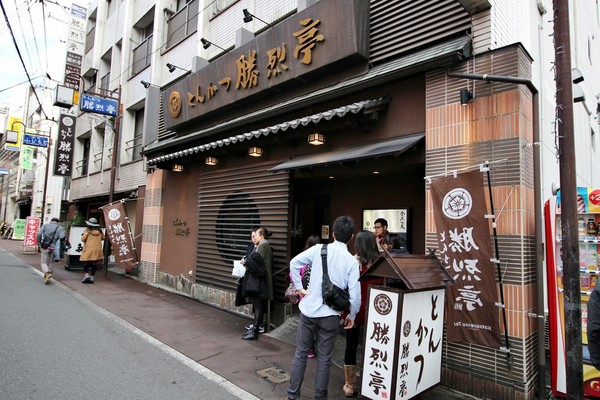
Here’s some info on the wait times for your reference: the old man and little wife arrived at Shouryutei around 1 PM on a Saturday, and there were already over ten people waiting in line (five or six outside, and a crowd inside). It took about 40 minutes before we were seated, and by then there were already another 20 people in line.
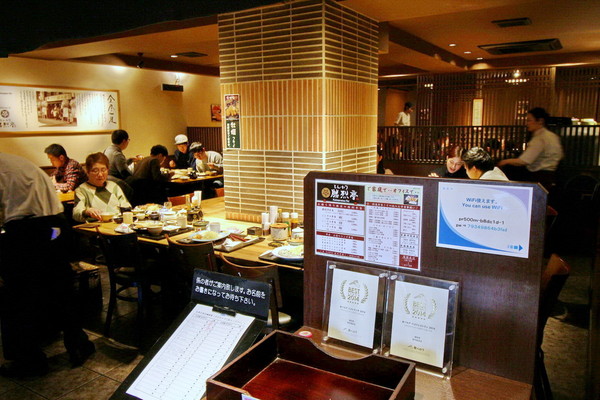
Those waiting in line sign their names (just last names in English is fine) and note the number of diners in the notebook (located at the bottom left corner), then wait for the owner to call their name. To keep customers from getting bored, free WiFi is available—very considerate.
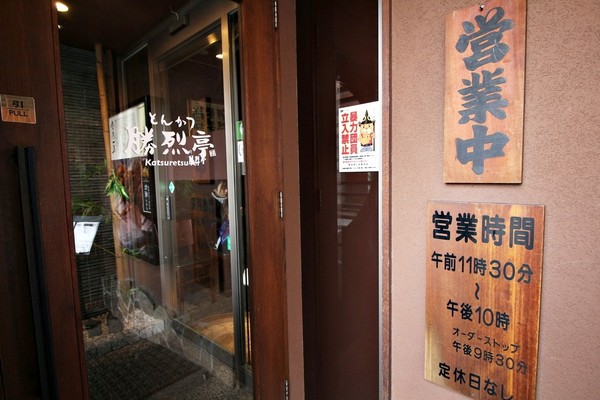
After waiting 40 minutes, it was finally our turn. Let’s get in quickly. The staff at the restaurant speak English and there’s an English menu, so ordering isn’t a problem. The best part? Every staff member is super friendly. Knowing we were tourists, they still patiently introduced every item on the menu, all with big smiles. In Japan, many traditional restaurants either don’t have English menus or staff who speak English, so ordering often involves a lot of gestures, and service to tourists can come off as impatient or even dismissive. In contrast, Shouryutei serves many tourists yet maintains top-notch service standards—you can really feel the difference.
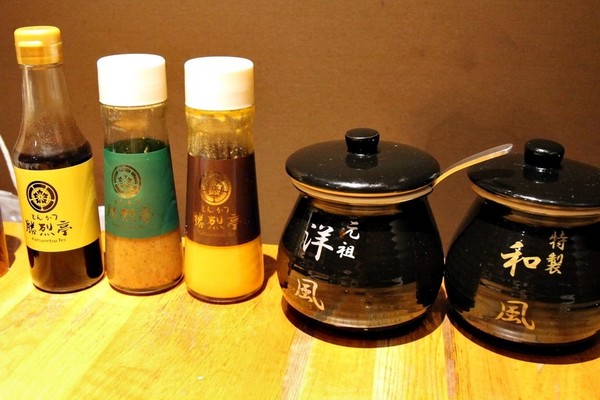
A variety of sauces are available: two types of tonkatsu sauce (in ceramic jars), and two types of Japanese-style sauces for drizzling over shredded cabbage. (The shop also sells their sauces—you can buy a few to take home if you like them.)
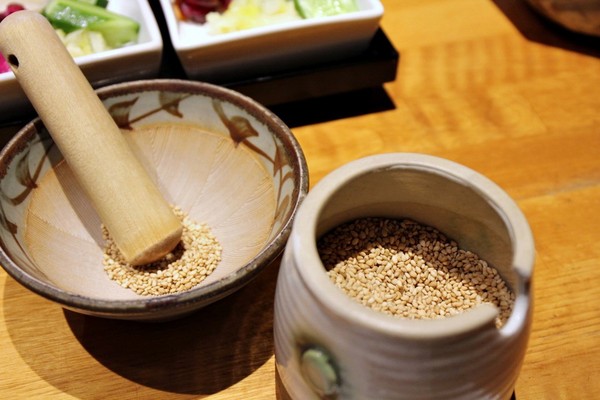
Japanese tonkatsu restaurants usually provide white sesame seeds for customers to grind fresh—mixing the ground sesame into the tonkatsu sauce. Taiwanese tonkatsu shops do something similar, but what’s different here is that Shouryutei gives you a whole big bowl of sesame seeds—to your heart’s content. And the sesame here is so fragrant, top-quality. That’s what you call “if this isn’t sincerity, what is?”
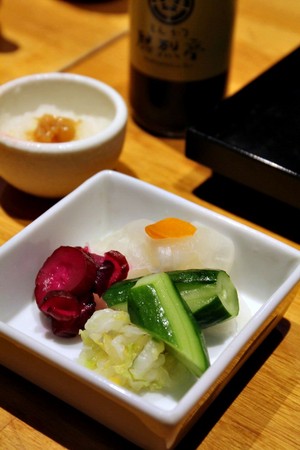
They also serve very traditional Japanese side dishes (pickles and tsukemono), and to pair with tonkatsu, there’s a “his and hers combo”—a little sour, a little sweet, totally romantic vibes. Of course, there’s also plain rice and miso soup (we were too happy and forgot to take a photo). The rice in Kumamoto is pretty tasty (compared to Nagoya). Shouryutei offers red miso soup, and it’s well made—delicious.
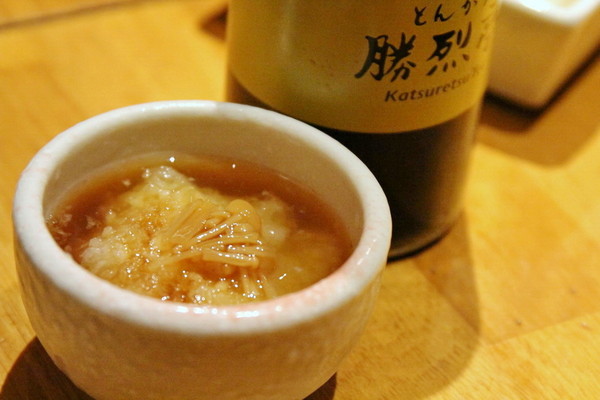
Another side dish: enoki mushrooms with grated daikon radish, also a refreshing small bowl (nametake and daikon oroshi). The staff said to mix it with a bit of Japanese soy sauce, and the old man tried it and really liked it—he said it cuts through the greasiness. The little wife: “Raw radish? No thanks.”
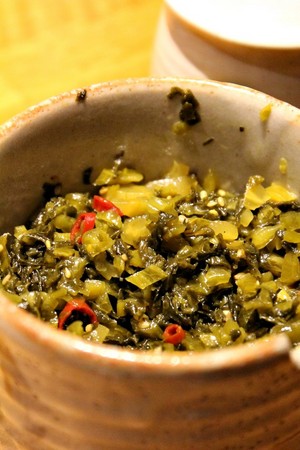
Huh? Shouryutei sells “mumami” (beef noodles)? Wait, then where does this pickled veg come in...? We asked the auntie working there, and yes, it is indeed a side dish (Japanese: tōganekanazuke, not potherb mustard). How you eat it is up to you—it’s not particularly sour or salty, but the main flavor is spice. Tōganekanazuke is pickled leaf mustard (from kale or mustard greens), a specialty of Fukuoka and Kumamoto (Taiwanese Hakka people also pickle mustard greens). Potherb mustard is made from daikon leaves, which most Japanese don’t really eat—the few farmers who do might chop it up and toss it into miso soup.
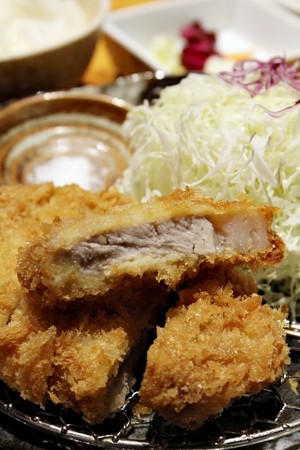
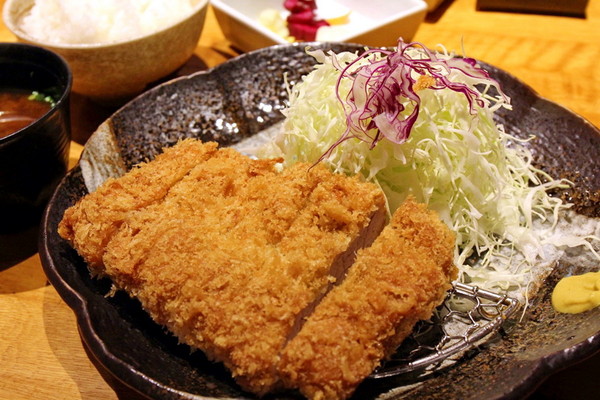
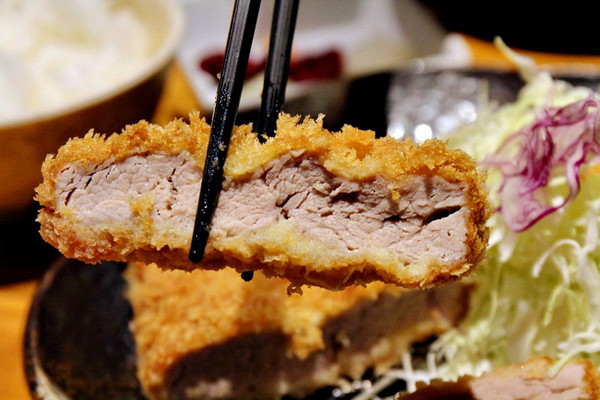
▲ And now, the main dish!! The little wife ordered “Kagoshima-raised Rokushiroku black pork loin,” 140g. Rokushiroku? Pork loin?! The moment you cut into it, the juices flow, and the tender, light-pink fat will make your healthy diet resolutions crumble instantly. Who needs to lose weight? Forget it. Golden, crispy fried crust, aromatic pork wafting through the air... The delicate, tender texture rivals that of Kobe beef or Matsusaka pork. Kumamoto pork is famous all over Japan—no weird pork smell that foreigners dislike. If you like pork with a bit of fat, you’ll definitely fall in love.
▲ The old man ordered “Premium designated-farm pork tenderloin,” 180g, served as thick-cut pork cutlet (hirekatsu), priced at 1,800 yen on weekdays, or 1,650 yen for the holiday special (Saturdays, Sundays, and holidays).
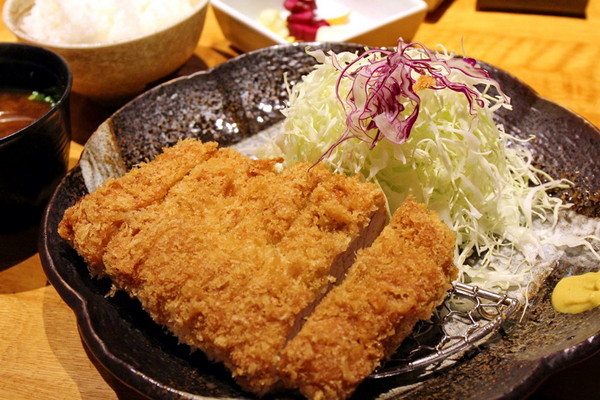
It’s good, but we’ll just say it’s good—the pink pork is fairly tender, though the surprise factor isn’t as high. The golden fried crust tastes and feels the same as the previous Rokushiroku black pork loin, but the meat texture is slightly different, and the juiciness isn’t as sweet. Compared to great Japanese tonkatsu in Taiwan (or other dishes), it doesn’t quite match up, probably because the pork is different. If you’ve had amazing Japanese tonkatsu in Taiwan (or other dishes), we’d love for you to visit
The Old Man and Little Wife’s fan pageand give it a try.We reveal the restaurant name—go check it out yourselves.
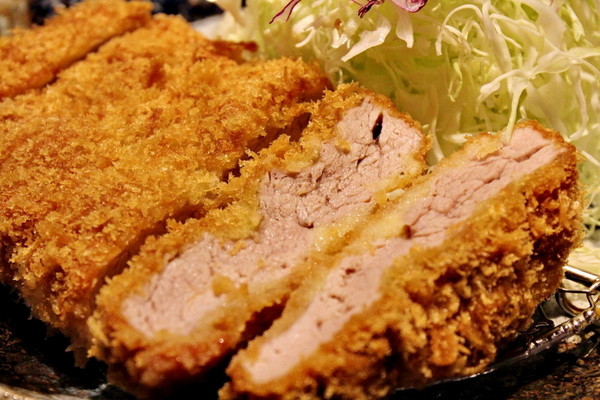
Pork loin is the ribeye part of beef, with some marbling—foreigners call it sirloin. Tenderloin is lean, marbled-free meat—the part foreigners call filet mignon.
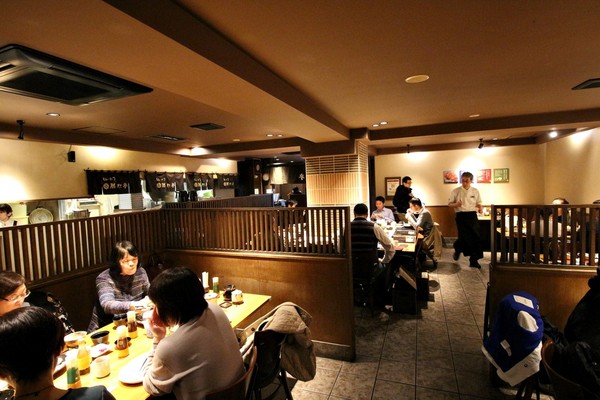
There are two types of seating in the dining area: standard Western-style tables, and Japanese-style seating. But with so many people in line, you don’t really get a choice unless you queue up super early for the first batch.
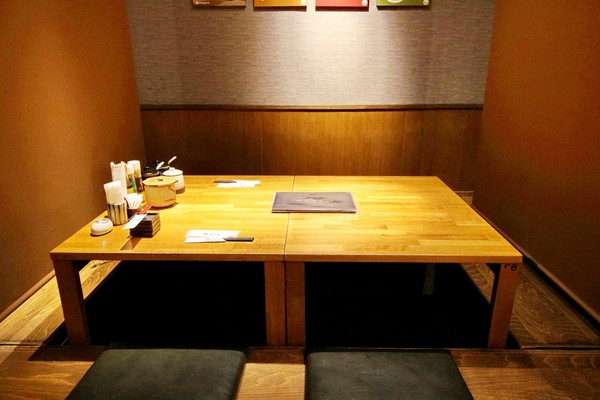
The old man and little wife were assigned Japanese-style seating. There are perks to this style—for example, the tables are bigger, you can take off your shoes without feeling self-conscious (luckily the person next to us didn’t stink), and you can sit comfortably, no need to sit rigidly... The old man immediately looked troubled because his knees hurt and he couldn’t sit cross-legged.
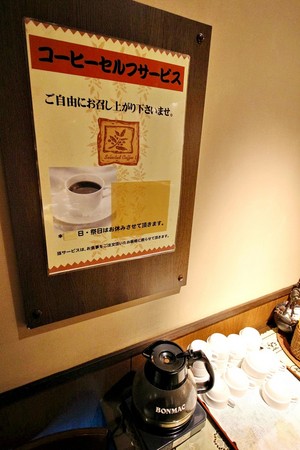
Awesome!! Coffee until you drop. Anyone who’s been to Japan knows Japanese coffee is pretty high quality, but this place actually offers free coffee!! (All you can drink!) Sugar packets and creamer are also unlimited—anyone who comes to eat can enjoy authentic Japanese coffee.
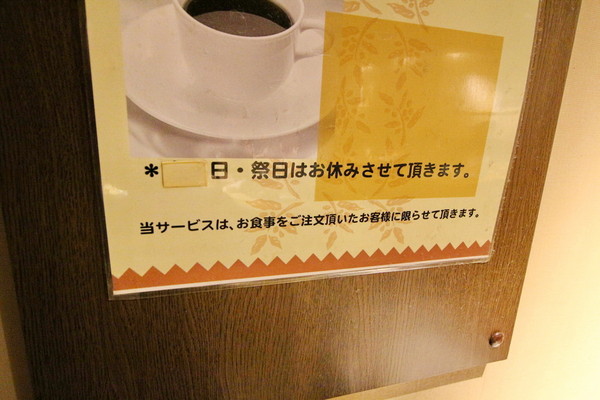
Coffee is not available on Sundays or national holidays.
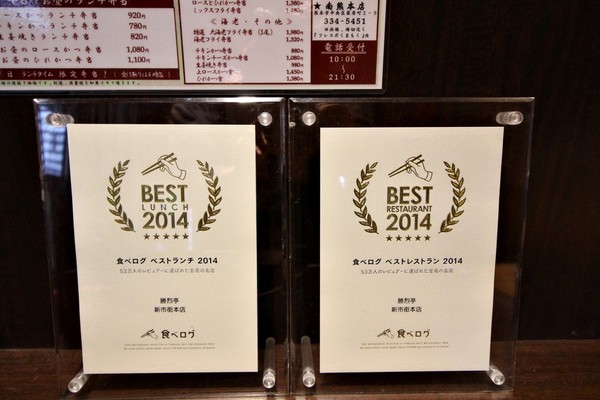
Certificate awarded by the Japanese Food Diary website—Shouryutei was voted the Best Restaurant and Best Lunch Spot of 2014, and is also listed as one of Japan’s Top 500 Must-Visit Restaurants.
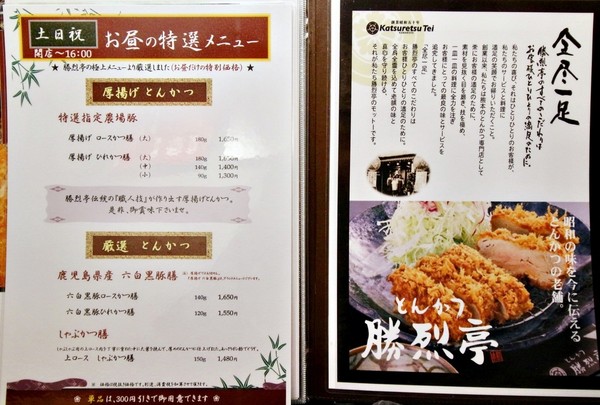
One of the features here is that the lunch menu changes. There are various price combinations for lunch—for example, business lunches are offered Monday to Friday, and special holiday meals on weekends. The menu below is the weekday version, so you can compare and see what’s different.
The old man and little wife didn’t look at the English menu—they went for the Japanese one, not because they could read Japanese, but because with kanji, they could at least guess. The English menu was completely indecipherable.
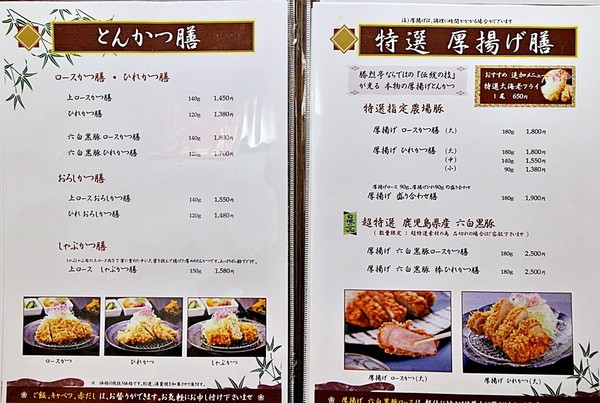
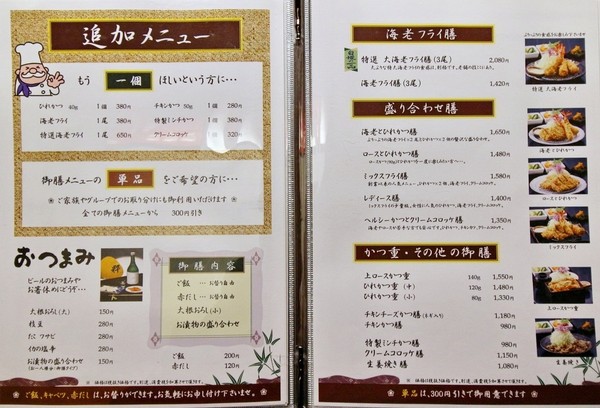
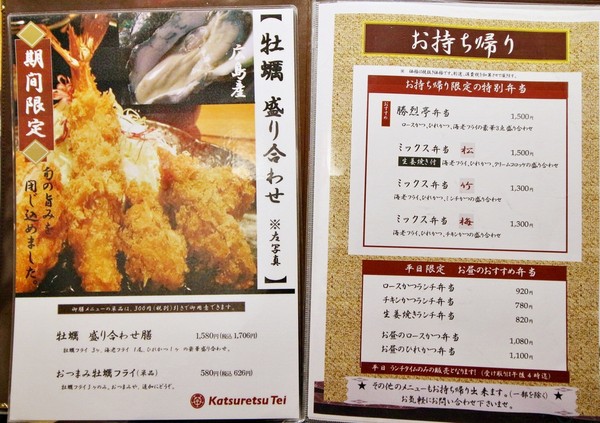
Probably because there are so many office buildings nearby and lots of office workers? The prices are reasonable—not expensive.
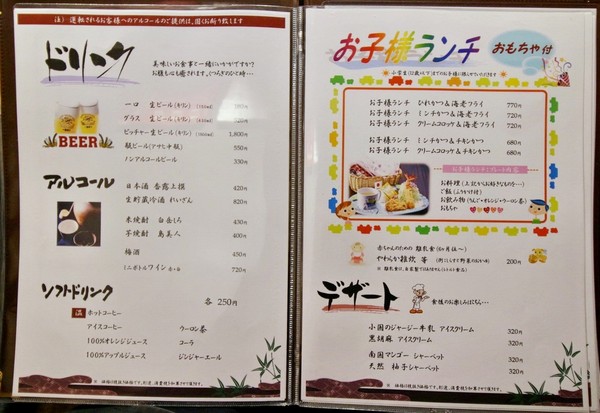
The menu for Shōretsu-tei's kids' meal, and the highlight is that there’s even a “baby meal”!! So amazing again!!
When you come to Kumamoto, 100% must-see is Kumamon, and 100% must-eat is definitely Shōretsu-tei at Shinmachi Main Store. (On April 14, 2016, a major earthquake struck Kumamoto. The elderly couple here prayed for the city, hoping all good people and things would remain unharmed.)
How to get to Shōretsu-tei: Take the Kumamoto City Tram (ding-ding tram), get off at “Ishimachidōri,” look for the huge “SUNROAD” pedestrian street sign, walk in and take the first right turn, and you’ll arrive in two minutes.
Shōretsu-tei
Address: 8-18 Shinmachi, Chūō-ku, Kumamoto, Kumamoto Prefecture, Hayashi Building 1F
Phone: 096-322-8771 (+81-96-322-8771) — reservations available
Business hours: 11:30–22:00 (last order at 21:30), Closed: December 31 – January 2
Lunch set (business hours): 11:30–16:00 (Monday to Friday)
Payment: Credit cards accepted
The elderly couple
☆ Love food, travel, and spa — a sweet couple traveling together ☆ ★
Share
This article is published by HowToTrip. Sharing and reposting are welcome — please credit the source.
Article URL: https://www.howtotrip.net/views-7627
Related Articles
- Shaoxing's "Grandpa Gourd" hangs the gourds back up: "If there are too many people, we'll interact less — just take a quick look from afar"
- Chinese authorities announce "reciprocal adjustment" to Japan visa fees — single-entry visa jumps from 2,250 to 16,750 yen!
- The "health stones" carried by a traveler were found to have radiation levels exceeding safety limits by a thousand times, potentially endangering fellow passengers on the same flight. Customs issues warning!
- Shenzhen Airport Issues Late-Night Notice: Unidentified Aerial Object Detected, Causing Widespread Flight Delays!
- “They only said it cost money after I opened the box and washed it!” 200g of grapes sold for 60 yuan on a high-speed train—12306 responds!
- Can't buy an airline ticket? Denied exit? Blocked from boarding? A large number of Chinese tourists have mysteriously become "discredited individuals"
- Adverse weather and economic fluctuations impact Colombia's coffee market
- Beach bathing area responds to 2 yuan/30 seconds fee for freshwater foot rinsing: Clearly priced!
- Taking off with an improperly closed cabin door? Wing malfunction? Multiple flights made emergency returns mid-journey!
- Experience the gifts of nature! A countdown of the world’s ten most stunning coastlines