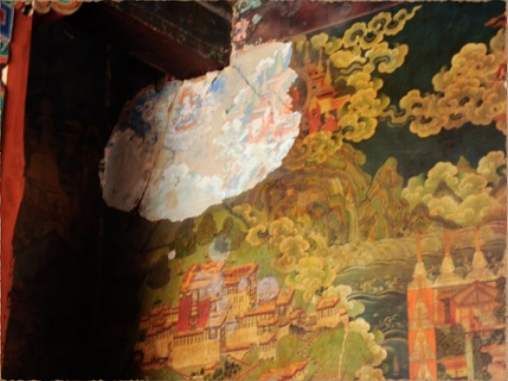
In September 2012, Patagonia officially joined the cultural heritage rescue initiative in Tibet, fully supporting the digitization project of the Jokhang Temple murals.
The Jokhang Temple is situated at the center of the Wotang Plain in Lhasa. Originally constructed in the mid-7th century, it is known in Tibetan as “Jokhang,” meaning the “House of the Buddha Shakyamuni,” and its full name is “Rasa Trulnang Tsuklakang,” meaning “Miraculous Temple of the Yak Earth.” Over the centuries, through continuous renovations and expansions, it has grown into a vast architectural complex. With a history of 1,350 years, the Jokhang Temple is a National Key Cultural Relics Protection Unit and holds supreme status in Tibetan Buddhism.
The Jokhang Temple is situated at the center of the Wotang Plain in Lhasa. Originally constructed in the mid-7th century, it is known in Tibetan as “Jokhang,” meaning the “House of the Buddha Shakyamuni,” and its full name is “Rasa Trulnang Tsuklakang,” meaning “Miraculous Temple of the Yak Earth.” Over the centuries, through continuous renovations and expansions, it has grown into a vast architectural complex. With a history of 1,350 years, the Jokhang Temple is a National Key Cultural Relics Protection Unit and holds supreme status in Tibetan Buddhism.
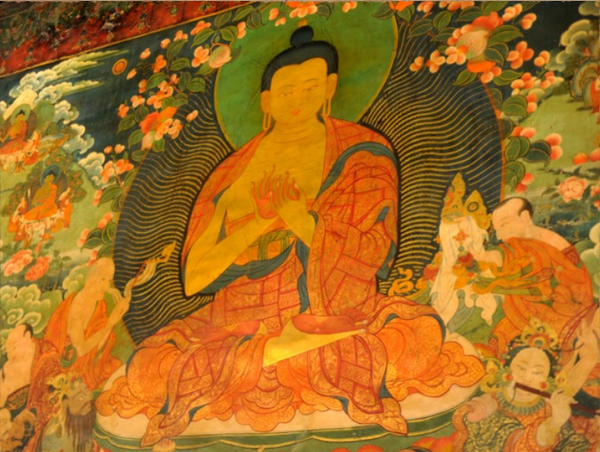
The murals inside the Lhasa Jokhang Temple cover the surrounding corridors and hall walls, stretching for nearly a kilometer. They depict the biographies and stories of Shakyamuni and Tsongkhapa, as well as portraits of emperors throughout the dynasties. Sculptures, murals, and painted beams are the three major artistic features of the Jokhang Temple’s architecture, adorning the temple with vibrant splendor.
The murals of the Jokhang Temple have endured for a thousand years. Due to prolonged exposure to air, they have been affected by various natural and human factors such as temperature, humidity, harmful gases, dust, and mold growth. These have led to deterioration phenomena including flaking, cracking, and color fading—all of which pose significant threats to the preservation of the murals. Therefore, the conservation and restoration of the murals are of utmost importance today.
The digitization project of the Jokhang Temple murals in Tibet marks the first large-scale use of advanced digital technology for their protection. Utilizing high-fidelity color and high-definition imaging, the digital files of the murals will be permanently preserved. This provides accurate visual references for future restoration efforts, offers research material for the study of Tibetan art, and enables museums and temples to produce full-size reproductions for broader public appreciation of Buddhist art.
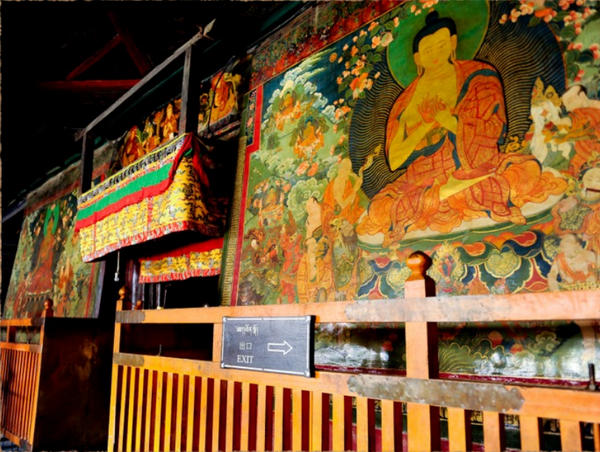
Patagonia has provided substantial equipment and financial support for the Jokhang Temple mural digitization project, reflecting its respect for ethnic culture and concern for the humanistic ecology of the plateau. Patagonia has long been committed to the protection of natural environments and cultural heritage. Current supported projects include the “River Mapping China” team’s river exploration initiatives and public welfare imaging projects in western regions. This participation in the cultural heritage rescue project once again demonstrates Patagonia’s consistent dedication and unwavering efforts in the realms of culture, nature, and environmental protection.