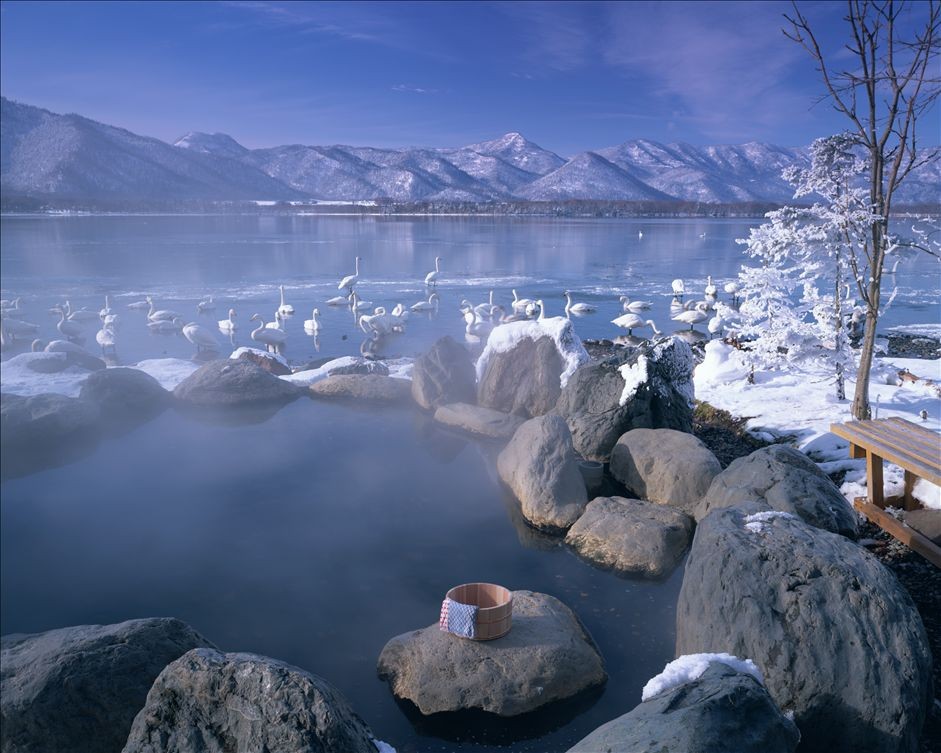
Steps for Soaking in Hot Springs:
1.Test the water temperature. First use your hand or foot to check if the spring water is at a comfortable temperature. Never jump into the hot spring pool all at once.
2. Enter the pool with your feet first. Sit by the pool edge, slowly immerse both feet, then continuously splash the hot spring water over your body with your hands, and eventually let your whole body soak in the water from time to time.
3. Start with warm, then hot. The hot spring area has pools with different temperatures. Progress gradually from lower to higher temperature pools to allow your body to adapt to the water temperature.
4. Manage your soaking time. Generally, you can soak in hot springs in sessions, each lasting about 20 to 30 minutes. If you feel thirsty, chest tightness, take a break at the poolside, do some stretching exercises, and drink some distilled water to rehydrate. Some people like to soak until their whole body turns red, but watch for symptoms like increased heart rate or difficulty breathing.
5. Combine with massage. Proper acupressure massage can enhance the health benefits of the hot spring and has obvious therapeutic effects on certain illnesses.
6. Rinse off properly. Try to use minimal shampoo or body wash; rinsing with clean water is sufficient.
In addition, there are three ways to enjoy the health benefits of hot springs: “immerse,” “spray,” and “swim.” “Immerse” means repeatedly soaking in pools of varying temperatures. Visitors who can tolerate high temperatures may soak in 40°C hot spring pools for an especially stimulating experience, as if their skin is being pricked by thousands of fine needles in an acupuncture treatment. “Spray” involves standing under a hot spring showerhead and letting the water spray over your whole body from head to toe, or using a wooden bucket to pour hot spring water over yourself multiple times. “Swim” means swimming in the hot spring pool. The combination of thermal massage and swimming exercise definitely makes for a fairly intense sport.

2. Pregnant women and those who have recently undergone surgery should avoid soaking in hot springs.
3. Diabetic patients should not soak in hot baths, use saunas, or enjoy hot springs for extended periods, as high water temperatures can accelerate the absorption of insulin injections. Prolonged exposure to high heat increases energy consumption, burdens the heart, and can easily lead to accidents. It is recommended that diabetics limit bathing time to no more than 20 minutes and keep water temperature below 40°C to avoid risks.
4. People prone to insomnia should avoid long soaks.
5. Those with heart disease, high blood pressure, or other health conditions should not soak in hot springs unless permitted by a doctor.