Last week, we shared some beginner-friendly snow mountain travel tips, and no doubt some hiking enthusiasts are already getting excited. Today, we’ll introduce several snow mountains that are more challenging in terms of altitude and terrain. Some are suitable as warm-up training for advancing to higher levels, while others are tailored for true professional mountaineers. Let’s boost our knowledge together~!

Tips fortipClimbing
1.Snow Mountains:Beforeclimbing,it's essential to engage in planned, specializedphysical training.Ifthe climbing route is long, you need excellent stamina and perseverance; otherwise, it’s very difficult to achieve your goal. Many climbers suffer severe physical exhaustion after days of continuous climbing and are ultimately forced to give up on reaching the summit. Some team members, due to fatigue, become extremely tired during descent from the summit, which can even lead to serious accidents
2.;You need to learn and masterice climbing and rock climbingtechniques,and also be proficient in using ascenders and descenders. Otherwise,when encountering technical ascents or descents,it can be very unsafe. Therefore, before climbing, you must learn and master ice climbing and rock climbing techniques, aiming to operate ascenders and descenders skillfully
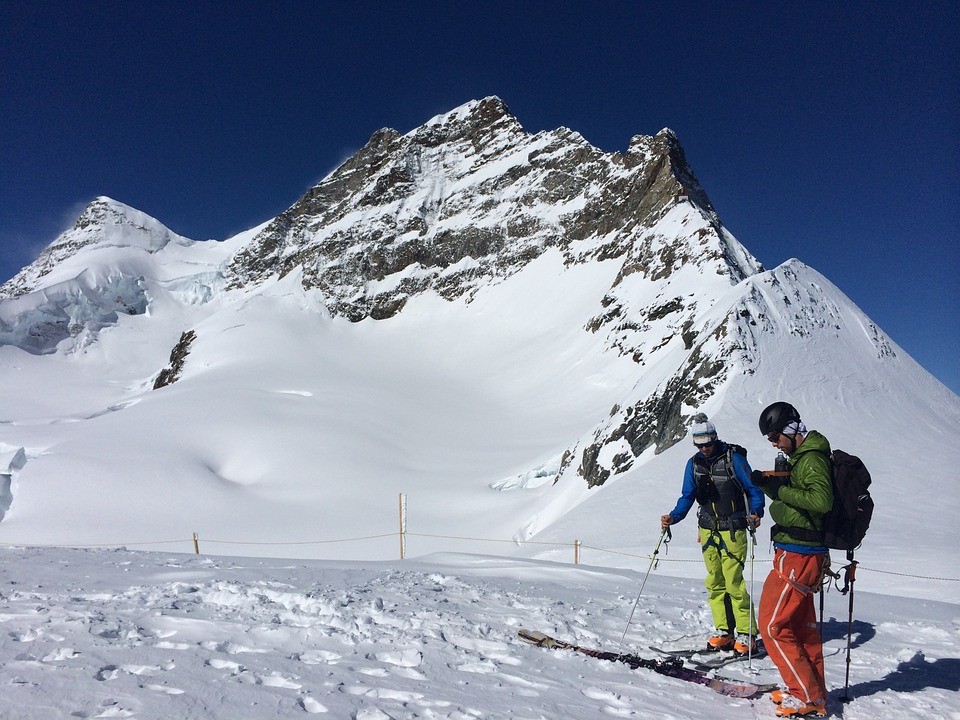
3.;On some peaks,snow accumulationcan reach above the knees. In case ofstrong winds,it’s easy to get frostbite. So, during climbing, pay close attention to wind protection and warmth. Also, when marching in strong winds, lower your center of gravity and avoid exposure to the wind;Throughout the entire climbing process, you must be accompanied by high-level coaches and high-altitude guides, especially during summit descent or when the body is extremely fatigued. Avoid acting alone,;
Throughout the entire climb, you must be accompanied by highly skilled coaches and mountain guides, especially when descending after reaching the summit and when your body is extremely fatigued—never act alone.This helps prevent major accidents such as falls.