Less than 45% remains untouched by human activity – Taiwan’s last nine major coastlines
Reported by You Tzu-ju / Taipei
Taiwan’s coastline stretches 1,200 kilometers, butless than half of it has been spared from concrete destruction.The Taiwan Environmental Information Association today (18th) announcedthe nine most precious coastlines worthy of protection,with less than 45% of coastal landscapes remaining untouched by humans. Sun Hsiu-ju, director of the Trust Center at the association, said that many of Taiwan’s coastlines are filled with breakwaters and seawalls. If this continues,wewill lose these beautiful marine assets forever.
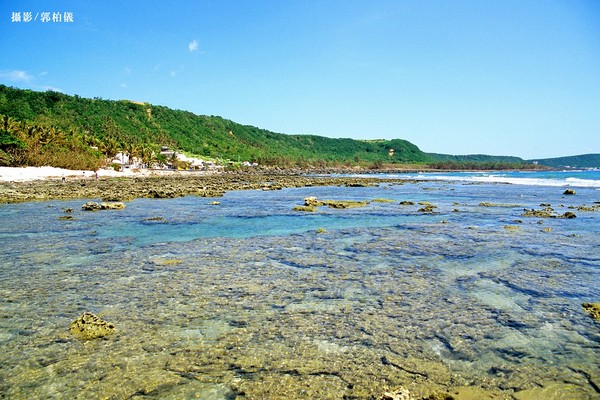
▲ Guanxin Algal Reef is the largest and most well-developed algal reef in Taiwan, but in recent years it has suffered from pollution and damage, leading to the whitening and death of many reef areas, making collective protection urgently needed. (Photo / Provided by the Environmental Information Association)
Taiwan’s main island coastline is about 1,200 kilometers long, yet extremely diverse — featuring sandy shores, coastal areas, and coral reefs. A full loop around the island reveals nearly all types. “It’s an incredibly precious asset for such a small island to have such varied terrain and coastlines,” said Sun Hsiu-ju. This diversity also means that even slight human interference can lead to significant ecological losses.
“Almost all of Taiwan’s coastline is covered by fishing harbors, breakwaters, and seawalls,” said Sun Hsiu-ju. Currently, less than 45% of Taiwan’s coastline remains free of artificial structures like breakwaters or seawalls. Many abandoned fishing harbors and breakwaters have created serious jetty effects, severely impacting coastal ecosystems. The Environmental Information Association spent a year surveying and documenting the latest conditions of Taiwan’s mainland coastline, eventually selecting 148 kilometers across nine natural coastal areas as the most beautiful and worthy of protection.
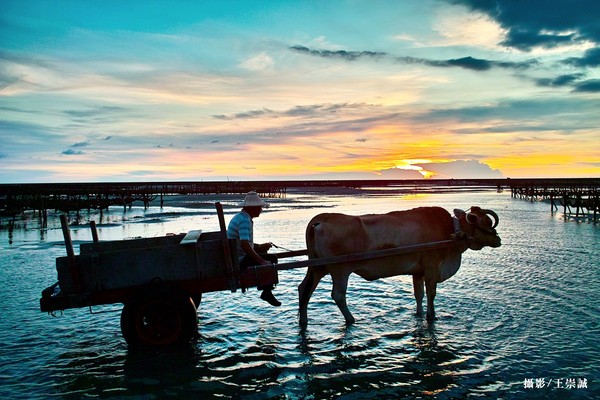
▲ Dacheng Wetland is located at the mouth of the Zhuoshui River, spanning over 21,000 hectares, making it the largest wetland in the country. (Photo / Provided by the Environmental Information Association)
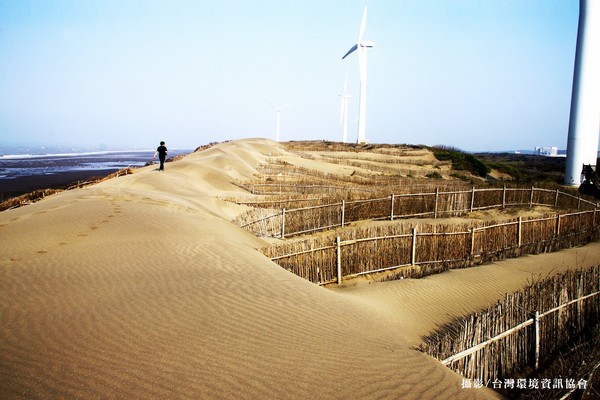
▲ Caota Sand Dunes are Taiwan’s most developed dune system, stretching 8 kilometers and forming one of the most beautiful coastal landscapes in Taoyuan. (Photo / Provided by the Environmental Information Association)
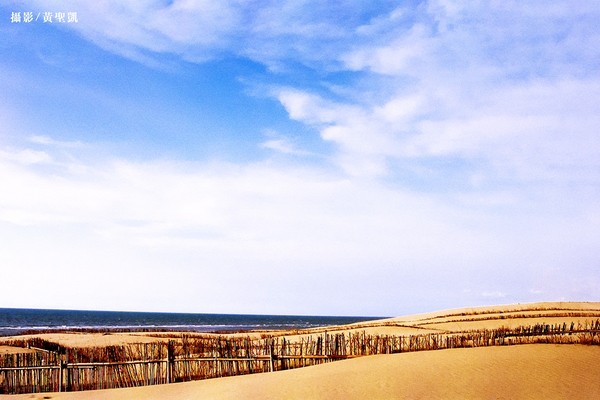
▲Sand dunes are a key coastal landform in Taiwan and serve as the first line of defense against coastal erosion. Yuanli Sand Dunes protect the coast of Miaoli. (Photo / Provided by the Environmental Information Association)
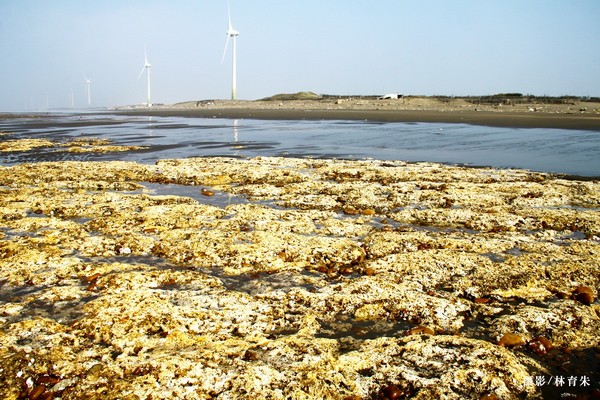 ▲ Guanxin Algal Reef is the largest and most well-developed algal reef in Taiwan, but in recent years it has suffered from pollution and damage, leading to the whitening and death of many reef areas, making collective protection urgently needed. (Photo / Provided by the Environmental Information Association)
These 148 kilometers of coastline and coastal areas were selected by the Environmental Information Association based on field surveys and local ecological data. Six key criteria were used: minimal or no artificial development that does not affect natural ecological functions; presence of unique or important ecosystems or habitats; distinctive landforms or scenic beauty; special cultural or industrial landscapes; facing threats such as development or pollution that require urgent attention or protection; and lack of proper management. Each selected coastline met at least two of these criteria.
“These selected coastlines don’t mean they are completely undamaged, but rather that they are still within the range where human efforts can help protect them,” said Sun Hsiu-ju. In Taiwan, there are many coastlines that volunteers can adopt. If you notice illegal dumping or wastewater discharge, you can report it to the relevant authorities for action.
“In fact, although some coral reefs around Taiwan’s surrounding waters have experienced bleaching, they can still be saved,” said Sun Hsiu-ju. Currently, Taiwan’s coral reef conditions are assessed internationally as “fair,” meaning that as long as Taiwanese people continue to stand up and protect the oceans, there is still hope of seeing beautiful coastlines again.
Taiwan’s nine most precious coastlines worthy of protection:
1. Taoyuan County’s “Caota Sand Dunes Coast”
2. Taoyuan County’s “Guanxin Algal Reef Coast”
3. Miaoli County’s “Yuanli Sand Dunes Coast”
4. Yilan County’s “Yilan Coast”
5. Changhua County’s “Dacheng Wetland Coast”
6. Hualien and Taitung Counties’ “Shiti–Changbin Coast”
7. Pingtung County’s “Manfong–Houwan Coast”
8. Tainan City’s “Sicao Coast”
9. Pingtung and Taitung Counties’ “Nanren Fishing Port to Nantian Coast”
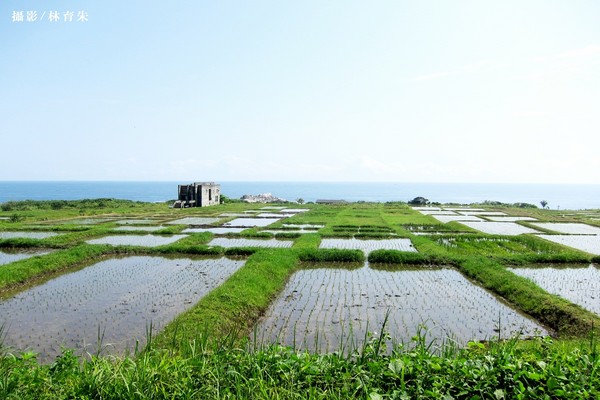
▲ From Shitai to Changbin along the Hualien-Taitung coastline, the area is mostly made up of coastal terraces, which have also been important living spaces for many indigenous Taiwanese communities. The terraced fields on the coastal platforms, paired with ocean views, are breathtakingly beautiful. (Photo courtesy of the Environmental Information Association)
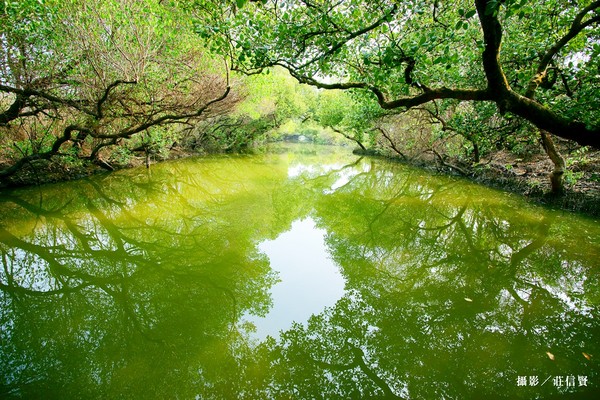
▲ The most unique feature of Tainan’s Sicao Coast is its mangrove forest—a special type of windbreak that protects the coast from seawater erosion. Winding through the mangroves of Sicao Coast, you can experience the beautiful scenery of the convergence between river and sea, as well as rich ecological diversity. (Photo courtesy of the Environmental Information Association)
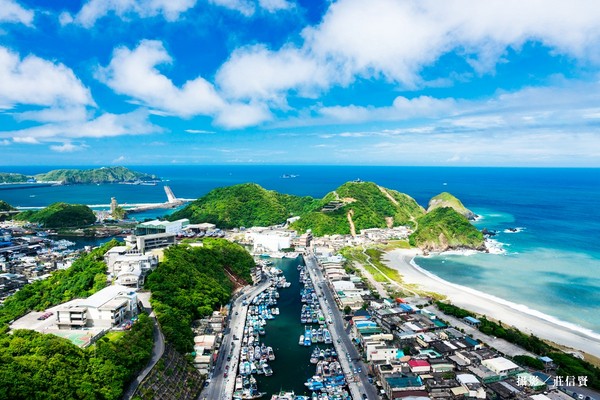
▲ The Yilan coastline boasts a variety of landforms, including sea erosion platforms, cape bays, cliff faults, beaches, and sand dunes—all of which can be seen in one go along the Yilan coast. (Photo courtesy of the Environmental Information Association)
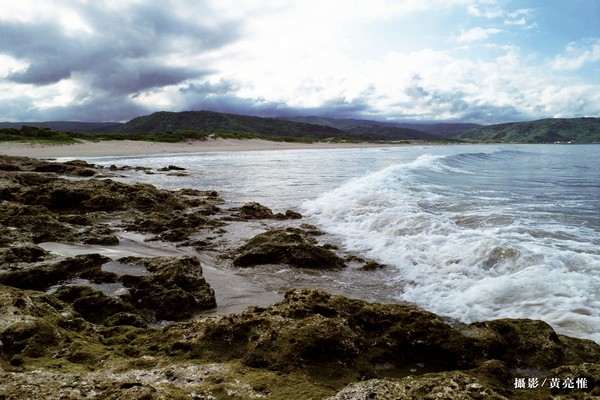
▲ The majestic sand dunes of Jiupeng Desert, the fishing village charm of Xuhai and Nanren Fishing Ports, the coastal erosion platforms along the way, and the algal reefs near Nanren Fishing Port make up some of the most stunning scenery along Taiwan Route 26. (Photo courtesy of the Environmental Information Association)
Share
This article is published by HowToTrip. Sharing and reposting are welcome — please credit the source.
Article URL: https://www.howtotrip.net/views-26676
Related Articles
- Shaoxing's "Grandpa Gourd" hangs the gourds back up: "If there are too many people, we'll interact less — just take a quick look from afar"
- Chinese authorities announce "reciprocal adjustment" to Japan visa fees — single-entry visa jumps from 2,250 to 16,750 yen!
- The "health stones" carried by a traveler were found to have radiation levels exceeding safety limits by a thousand times, potentially endangering fellow passengers on the same flight. Customs issues warning!
- Shenzhen Airport Issues Late-Night Notice: Unidentified Aerial Object Detected, Causing Widespread Flight Delays!
- “They only said it cost money after I opened the box and washed it!” 200g of grapes sold for 60 yuan on a high-speed train—12306 responds!
- Can't buy an airline ticket? Denied exit? Blocked from boarding? A large number of Chinese tourists have mysteriously become "discredited individuals"
- Adverse weather and economic fluctuations impact Colombia's coffee market
- Beach bathing area responds to 2 yuan/30 seconds fee for freshwater foot rinsing: Clearly priced!
- Taking off with an improperly closed cabin door? Wing malfunction? Multiple flights made emergency returns mid-journey!
- Experience the gifts of nature! A countdown of the world’s ten most stunning coastlines