Tainan’s Cantonese-Style Soy Chicken Eatery: A Fragrant Lane Staple for Six Decades
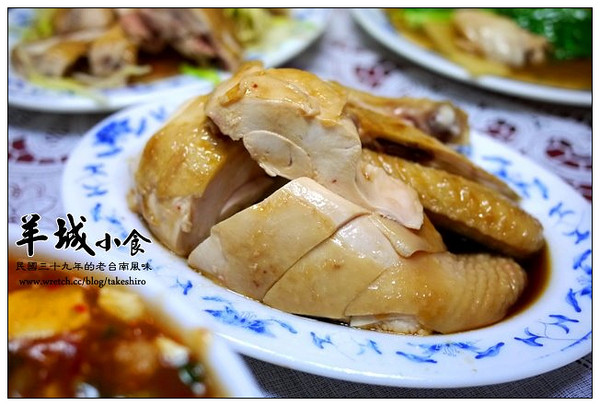
Text & Photos byOrange Dog Loves Candy
To be honest, I’m not really one to cling to nostalgia about old shops—even when it comes to soy chicken. My philosophy on food has always been “as long as it tastes good, whether it's old or new.” It’s just that after visiting the “Yangcheng Soy Chicken – Guangdong Eatery” on Kaishan Road a few times and seeing the online debate over old vs. new shops after sharing my review, I quietly tucked it away in my mind. Then, on this particular day, while looking for a place to eat in Tainan with junior schoolmate Xiaoyong, fate played a weird trick on us—everywhere we considered going had just closed. We wandered the streets until 8 PM when suddenly I remembered this place: “Yangcheng Snacks”!
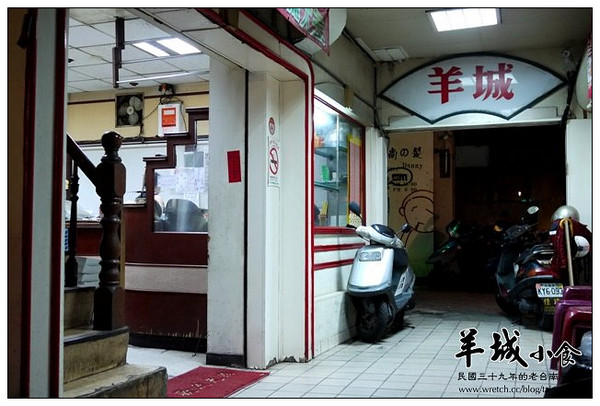
For first-timers trying to find this shop, having Google isn’t always enough, because it’s tucked away in an alley at the intersection of Guohua Street and Zhongzheng Road. Locals know these alleys are famously narrow—just slightly wider than the famous “Milk-Fondling Alley”!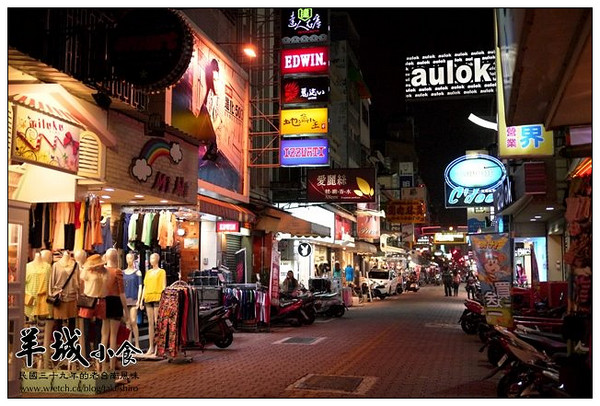
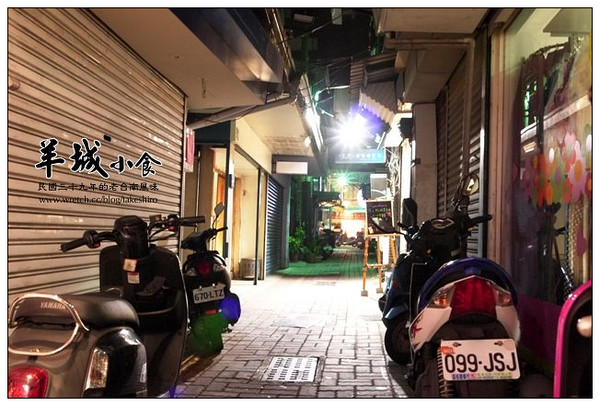
But it’s been quite a while since I’ve walked around Guohua Street at night. Though clothing stores are still open, it no longer has the bustling vibe it used to. The streets are mostly dotted with small groups of pedestrians—unless it’s a weekend daytime when you’ll see tourists strolling about. But Guohua Street is more of a stopover point these days, as most tourists tend to flock to Shuixian Temple Market, Zhengxing Street, and Bao’an Road.
As I reminisced, I stepped into the alley—and much to my surprise, I actually spotted the “Yangcheng Snacks” sign. It’s... a very old-school, simple storefront. But it’s actually a long-standing old shop that’s been open since 1950. The interior decor is very vintage—if you can even call it decor, hahaha!! For a restaurant, things inside are a bit cluttered, but I don’t really mind that.
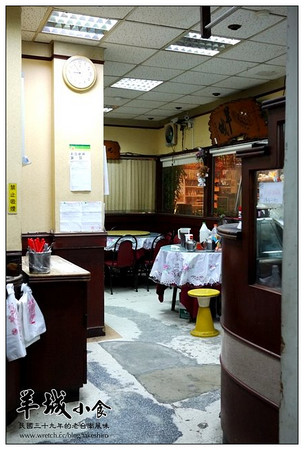

Some have said that service at old shops isn’t as great, but to my surprise, I found it rather warm and friendly this time. The staff chatted with us naturally, almost like neighbors. Maybe we were just lucky? But the name “Yangcheng” is actually used by many shops across Taiwan—it’s not so much a brand name as it is a representative place name. “Yangcheng” is the alias for Guangzhou in China’s Guangdong Province, also known as Xiancheng or Sui City.
Around 887 BC, Guangzhou once suffered from consecutive years of famine, with poor harvests leaving people unable to feed themselves. Then one day, melodious music suddenly drifted from the skies over the South Sea, accompanied by five colorful clouds. On them rode five immortals dressed in five-colored robes, each riding goats of different colors. The goats had six-branch rice ears in their mouths (baa~). The immortals handed seeds to the people, taught them how to grow rice, and offered a blessing: “May this land never know famine again!” With that, the immortals ascended to the heavens, and the five goats turned into colorful stones. From then on, Guangzhou became the wealthiest region in Lingnan. It seems that many shops have used the name “Yangcheng” to represent their cuisine style.
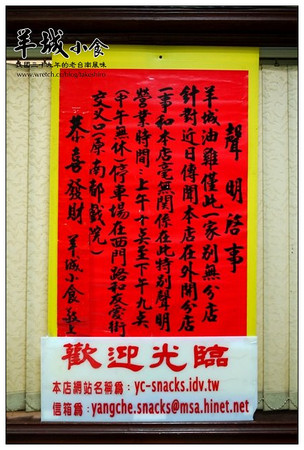
There was a handwritten notice on the wall explaining the difference between their establishment and the one on Kaishan Road.
After trying both places, I can honestly say there are definite differences—whether in flavor or pricing (I’ll elaborate on that later).
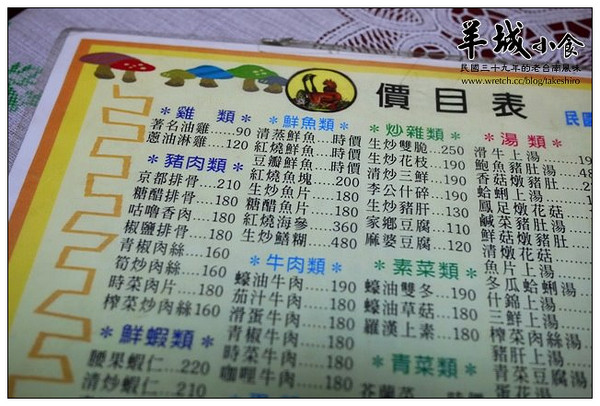
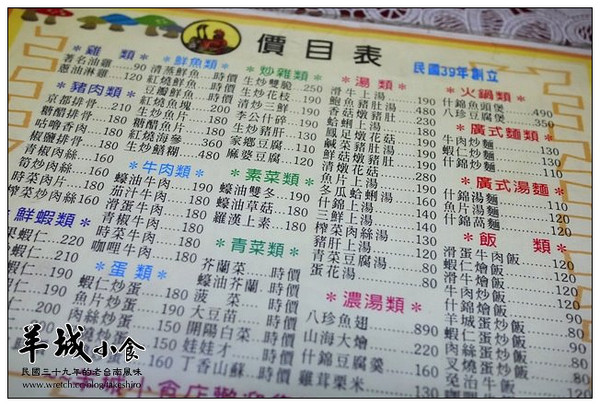
The menu is pretty basic, but it’s easy to understand, and there are quite a few options to choose from, with different meat dishes available. The portion sizes are relatively modest. There’s less variety in pork dishes, though. But the roast duck, for instance, looks decent. I snapped a photo of the old menu because some say the Guangdong Eatery was started by a chef who left this place, which explains a lot… This kind of thing is pretty common in Taiwan.
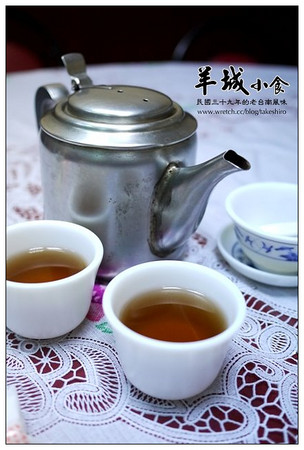
Cantonese cuisine always includes a pot of hot tea on the table—and both places do the same. The tea is just so-so, XDDD… but hey, the food is the star anyway. As long as it goes down smoothly, that’s what matters.
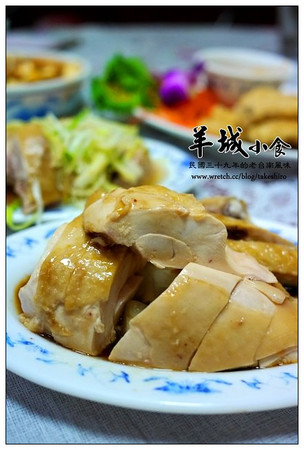
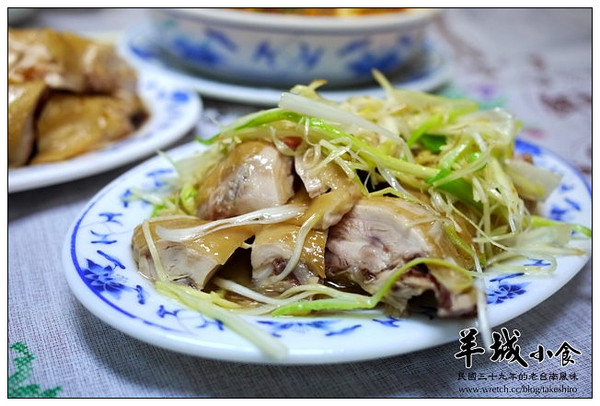
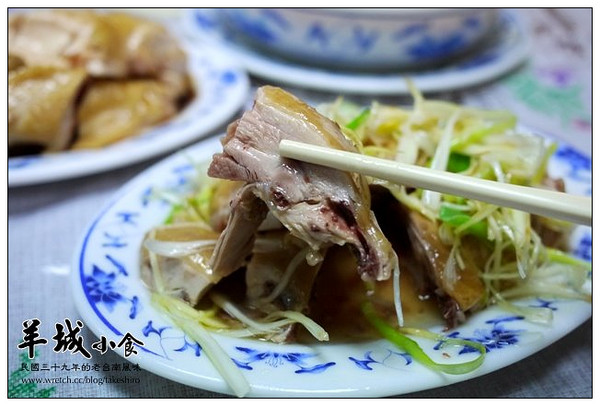
First up, they served us asmall portion (100 NT) of their “Signature Soy Chicken,”which is roughly a quarter of a chicken. Just by looking at it, it’s noticeably different from the soy chicken at the Guangdong Eatery. Its skin doesn’t have that overly glossy, jelly-like sheen; it looks more natural. Still, it’s marinated and braised in a way that preserves the fat jelly—mainly soaked with light braising as support. Keeping the braising liquid slightly warm (or with the heat off at the base), the chicken is gently cooked with soft heat. That way, even the breast meat turns out juicy, oily, and tender.
Don’t let the pale color fool you into thinking it’s dry like boiled chicken. Once you bite into it, it’s actually oily, tender, and smooth, with juices and the braising sauce mixing together in a savory blend. There’s also a slight jelly-Q texture from the chicken skin, so I actually prefer this version over the Guangdong Eatery’s soy chicken. Their sauce is also a bit stronger in flavor, and of course, it comes with pickled radish on the side.
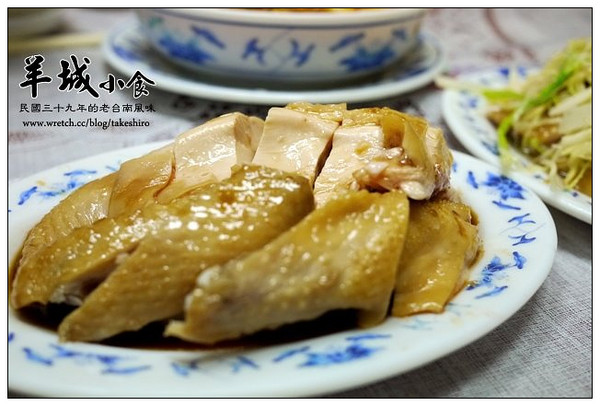
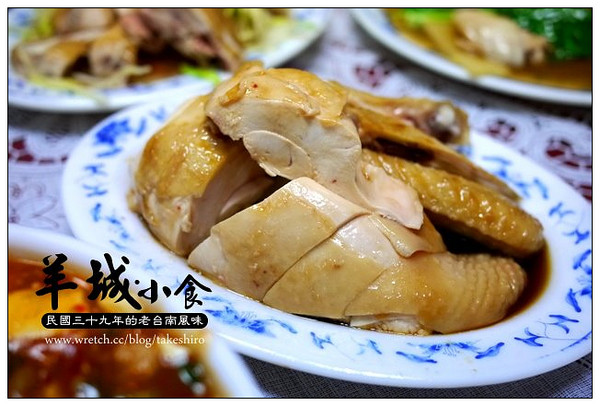
Next is another signature dish,the “Scallion Oil Chicken (small portion)” for 130 NT.”The scallions here are saltier than usual, but still oily and fragrant. I’d recommend eating it with a bit of white rice if having it alone, but the chicken itself is equally tender and smooth—definitely worth trying.
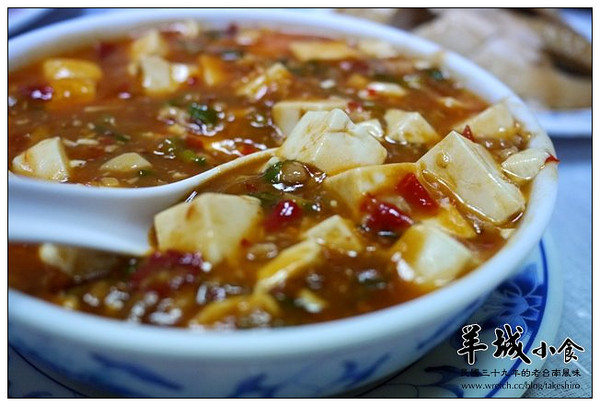
Then there’s the generously portioned“Mapo Tofu” for 120 NT.While it’s tasty, I couldn’t really taste the numbing spice—I got more of a sweet heat. I felt the aroma was a bit weak, but for those who don’t like spicy food or for family meals, it’s actually a very affordable and filling dish, since it goes great with multiple bowls of rice (though the flavor doesn’t leave much of an impression…).
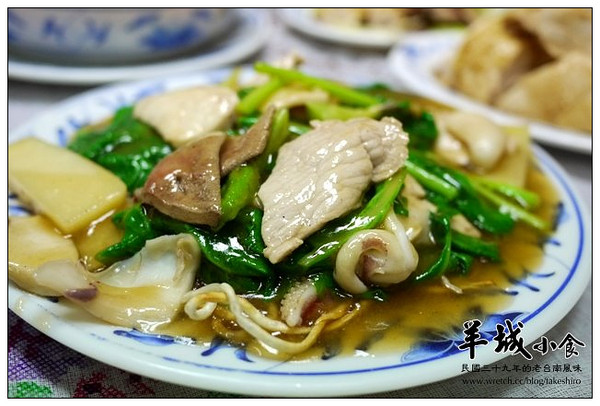
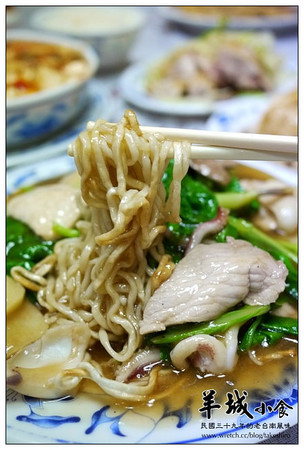
Next up is one of my favorites:the “Assorted Cantonese Fried Noodles” for 110 NT.Cantonese fried noodles are one of my favorite Cantonese dishes—the main appeal is the crispy fried noodles coated in a glossy sauce, resulting in a texture that’s half soft and half crunchy, all wrapped in a savory, aromatic sauce. My advice: don’t take too long taking photos, or the noodles will get soggy and lose their charm. The toppings are also quite generous, including squid, pig liver, bamboo slices, pork, plus fresh crunchy greens. The flavors aren’t as intense as authentic Cantonese cuisine, but it’s still pretty great.
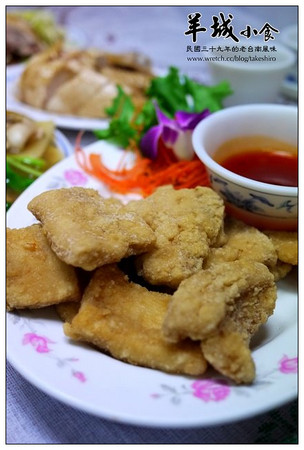
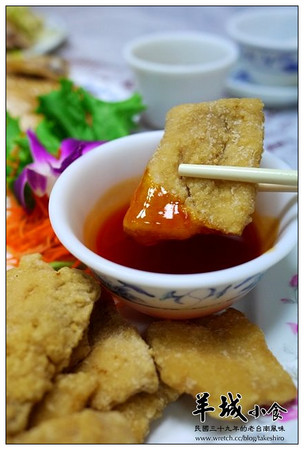
Finally, we had the 180 NT “Sweet and Sour Fish Fillets.” I’ve had this at the Yangcheng Soy Chicken on Kaishan Road too, but I honestly prefer the old shop’s version—the fish fillets and the sauce are both better. The coating on the fish is crispy but not greasy or overly heavy. The inside is tender and juicy, probably pre-marinated, so it’s flavorful even on its own. The sweet and sour sauce served with it is refreshingly tangy and sweet, while the other place’s sauce tasted overly sweet and stiff. Together, it really stimulates the appetite—it’s delicious.
Since it was just the two of us today, we only tried a few dishes. I mainly wanted to figure out the differences between the two places. It’s a shame my junior didn’t eat beef, because their egg foo young with beef would probably have been amazing. Based on today’s experience, although the old shop is slightly pricier (usually within a 10–30 NT difference per dish), the flavors are more robust, and the cooking is more refined.
This difference is especially noticeable in the fish fillets and the Cantonese fried noodles. As for the signature soy chicken, I truly think the two have distinct flavors. Both are delicious in their own right, but I lean toward the old shop. You should definitely try both. If I were recommending it to a friend, I’d suggest they check out the old shop to taste its sixty-year-old flavors. But for group meals or family gatherings, the Kaishan Road Yangcheng is quite affordable. Just some simple thoughts to share with everyone. Up^^!!

[Guangzhou Snacks │ Founding Store of Old Tainan Fried Chicken]
Address: No. 5, Lane 199, Zhongzheng Rd., West Central District, Tainan City
Phone: 06-221-6609
Business Hours: 10:00 AM – 9:00 PM
Consumption Tip: Reservations are recommended on holidays; entrance available from either Zhongzheng Rd. or Guohua St.
Orange Dog Loves Candy Blog Orange Dog Loves Candy Facebook Fan Page
Share
This article is published by HowToTrip. Sharing and reposting are welcome — please credit the source.
Article URL: https://www.howtotrip.net/views-26381
Related Articles
- Shaoxing's "Grandpa Gourd" hangs the gourds back up: "If there are too many people, we'll interact less — just take a quick look from afar"
- Chinese authorities announce "reciprocal adjustment" to Japan visa fees — single-entry visa jumps from 2,250 to 16,750 yen!
- The "health stones" carried by a traveler were found to have radiation levels exceeding safety limits by a thousand times, potentially endangering fellow passengers on the same flight. Customs issues warning!
- Shenzhen Airport Issues Late-Night Notice: Unidentified Aerial Object Detected, Causing Widespread Flight Delays!
- “They only said it cost money after I opened the box and washed it!” 200g of grapes sold for 60 yuan on a high-speed train—12306 responds!
- Can't buy an airline ticket? Denied exit? Blocked from boarding? A large number of Chinese tourists have mysteriously become "discredited individuals"
- Adverse weather and economic fluctuations impact Colombia's coffee market
- Beach bathing area responds to 2 yuan/30 seconds fee for freshwater foot rinsing: Clearly priced!
- Taking off with an improperly closed cabin door? Wing malfunction? Multiple flights made emergency returns mid-journey!
- Experience the gifts of nature! A countdown of the world’s ten most stunning coastlines