Taiwan also has the dry-aged beef that Warren Buffett loves, and even Xiangdu craves its rich soup.
Photos and text excerpted from 《Taste Quest: 74+ Great Eateries in Taiwan》
With the Korean drama craze boosting the popularity of Korean cuisine, many Korean restaurants have opened in Tainan. Located opposite the Tainan City Government on Yonghua Road, Dongdaemun Korean BBQ Restaurant is not only the first smoke-free barbecue Korean restaurant in Tainan,the store also introduced “dry-aged” refrigeration equipment, making premium beef even more tender, juicy, and flavorful, with a hint of nutty aroma. It is said that even billionaire investor Warren Buffett loves this kind of meat.
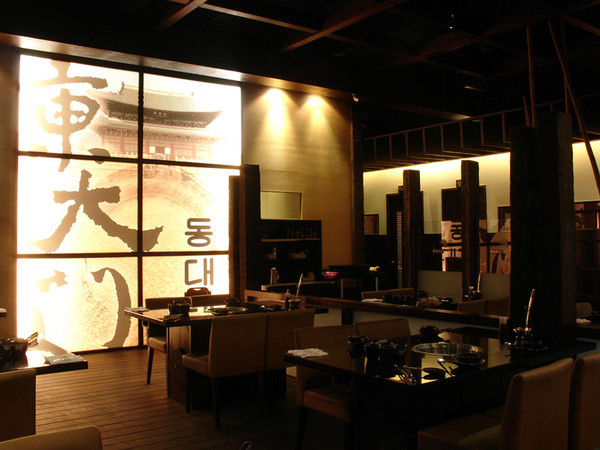
Before entering Dongdaemun Korean BBQ Restaurant, two wooden pillars with carved statues of the “Heavenly Great General” and the “Earthly Great General” stand on either side. Originating from ancient Korea, the “Great Generals” are symbols of Korean folk belief, governing the heavenly and earthly realms respectively, with the power to ward off disasters and evil spirits, acting like guardians. The Korean drums, masks, and other decorations hanging on the walls of Dongdaemun Korean BBQ Restaurant were all brought back by the owner from Korea, aiming to recreate the authentic scenes seen in Korean dramas.
Mastering flavors through meticulous research to present authentic taste
In Tainan, a city rich in traditional snacks and historic delicacies, for a restaurant like “Dongdaemun Korean BBQ Restaurant” that focuses on international cuisine, it must serve solid, flavorful dishes to win over food lovers. The young head chef, Wang Jianzhi, travels to Korea irregularly to learn authentic Korean cuisine, designing the menu around creative Korean-inspired dishes.
In terms of flavor blending and ingredient selection,they strive to faithfully present the Korean culinary concept of “five colors and five tastes,” which means preserving the original five vibrant colors of red, white, black, green, and yellow, and combining them with the five tastes of sweet, spicy, salty, bitter, and sour. Additionally, they use “five pungent ingredients”—leeks, garlic, wild garlic, ginger, and scallions—as sources of spiciness,and blend them with proprietary sauces or marinades for the meat, creating Korean dishes that are full of color, aroma, and flavor. They also adjust the dishes seasonally or according to local climate and taste preferences to suit the palates of customers in the area.
Dishes such as water kimchi, balloon flower kimchi, and wild herb salad on the menu are made by pickling imported Korean pears with vegetables and fruits, a recipe the chef specifically learned during a trip to Korea. Fermentation is a crucial step in making kimchi, and the key lies in controlling room temperature and climate. However, Taiwan’s climate is vastly different from Korea’s, so the fermentation process can't be replicated exactly and needs to be adjusted based on the actual environment. Moreover, the originally heavy, salty, sour, and spicy Korean kimchi flavors have been modified to better suit Taiwanese tastes. To ensure the freshness of the kimchi served to customers, they even imported specialized kimchi refrigerators from Korea—a testament to their dedication.
Freshly sliced to order, professional equipment preserves meat freshness

The soul of a barbecue restaurant is its fresh, tender cuts of meat. Dongdaemun Korean BBQ Restaurant serves meat freshly sliced to order by the chef, but the most recommended dish for foodies is the beef prepared using the “dry-aged” method.
The dry-aging method used in the store isa process where beef is hung in a refrigerated space and air-dried for a period of time under strictly controlled temperatures, using the natural proteins and enzymes in the meat to enhance tenderness and flavor.After 3 to 21 days of aging at zero degrees in the refrigerator, the surface moisture dries out like ham, while the inner moisture is absorbed into the muscle fibers, allowing the fat marbling to concentrate more, resulting in a softer, sweeter bite. However, because the aging process is quite costly and requires trimming away the hardened outer layers before cooking,this method is usually reserved for higher-grade cuts of beef. The American Gorat Steakhouse, favored by Warren Buffett, also uses this method to prepare its beef.。
Additionally, bone-in Wagyu beef is a must-try. Strips of beef are first marinated with seven or eight types of vegetables and fruits, grilled, then rolled up and wrapped in lettuce, sesame leaves, sweet potato leaves, or red leaf lettuce for a non-greasy experience and a taste of unique Korean wrapping culture. To ensure customers fully enjoy the grilled meat, servers demonstrate the correct grilling technique and proactively change the grill plates, taking thorough precautions to protect the charcoal fire. The restaurant also sells Korean-themed souvenirs such as small ornaments, as well as kimchi and yuzu tea, allowing guests to easily immerse themselves in Korean culture.
Wet-aging
There are two methods for processing beef: wet-aging and dry-aging. Wet-aged beef (Wet-aged beef) refers to beef that is first refrigerated for 7 to 10 days, then aged in a vacuum-sealed package to retain moisture, with a shorter aging time and lower weight loss. It is
the method commonly used in the United States.
Gourmet Recommendations
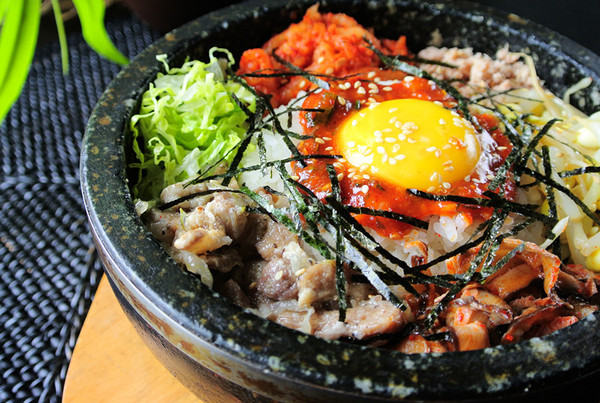
Stone Pot Bibimbap
Originally a royal court dish, it is said to have spread to China through tributes from the Korean king. Based on the concept of the Five Elements and Eight Trigrams, it is served in a black clay pot with white rice, topped with vegetables, meat slices, bean sprouts, kimchi, and more, then grilled on a stove until it sizzles, and served with a raw egg yolk on top.
Stir it vigorously, and the aroma along with the crispy rice bottom fills the air—it's nutritious, hearty, and delicious.
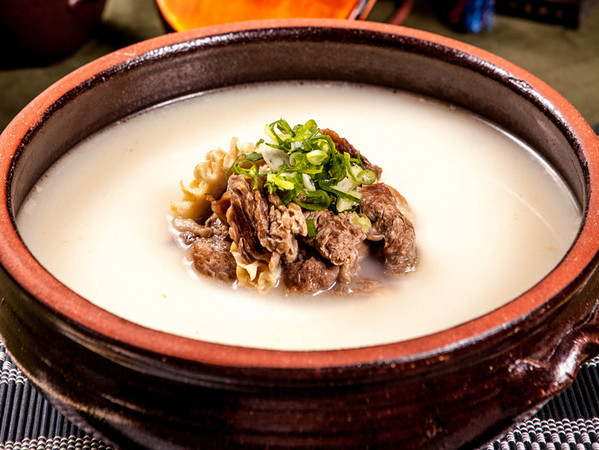
Immortal Snow Soup
With a milky white soup resembling snow, it ismade by simmering various cuts of beef such as bones and offal without any seasoning for at least 8 to 10 hours. During the final 3 hours, beef shank, tripe, and beef slices are added to enhance the sweet, meaty flavor.The long-simmered meat is tender and delicious, with a rich flavor of bone marrow and collagen nutrients, making it especially popular among women.
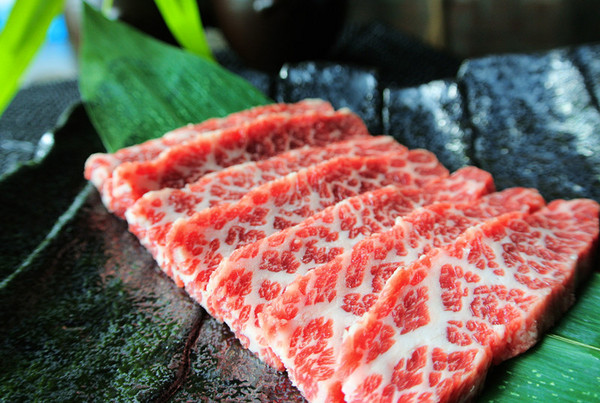
Omasum Grilled Meat
Made from the premium beef between the 6th and 8th ribs using the “dry aging method,” this cut is thin and rich in fat, accounting for only 6 to 8 kilograms of an entire cow.
It is not marinated before grilling to preserve its natural flavor, locking in the rich fatiness and sweetness while delivering a tender, layered texture. It pairs well with lettuce.
Bone-in Wagyu Rib
Containing 60% to 70% fat, it can become dry if the fat content is insufficient. Marinated with a purée of 8 to 10 types of fruits and vegetables along with the chef’s secret seasoning, it is recommended to enjoy its original flavor after grilling. It can also be eaten with garlic slices or lettuce, making it the most representative cut of Korean BBQ.
Delicious Landmark
No. 131, Section 2, Yonghua Road, Anping District, Tainan City
(06) 293-5118
11:00 AM – 2:00 PM; 5:00 PM – 10:00 PM
Value-for-money set meal for two at 828 TWD, set meal for 4 people
at 1580 TWD, business lunch starting from 220 TWD, average
per person starting from 220 TWD
Accepts credit cards
korea-t.dondom.com.tw
Share
This article is published by HowToTrip. Sharing and reposting are welcome — please credit the source.
Article URL: https://www.howtotrip.net/views-23709
Related Articles
- Shaoxing's "Grandpa Gourd" hangs the gourds back up: "If there are too many people, we'll interact less — just take a quick look from afar"
- Chinese authorities announce "reciprocal adjustment" to Japan visa fees — single-entry visa jumps from 2,250 to 16,750 yen!
- 旅客携带的“保健石”核辐射超标千倍,同机人员或遭殃!海关提醒!
- 深圳机场深夜通报!出现不明升空物,航班大面积延误!
- “拆盒洗了才说要钱!”高铁200克葡萄卖60元,12306回应!
- 买不了机票?出境被拒?登机被拦?一大波中国游客莫名成了“失信人”
- 不利天气和经济波动影响哥伦比亚咖啡市场
- 海边浴场回应冲脚淡水收费2元/30秒:明码标价!
- 舱门没关好就起飞?机翼出现问题?多个航班途中紧急折返!
- 感受大自然的馈赠!盘点世界十大唯美海岸线