A fusion of Eastern and Western cuisines — HowToTrip Associate Director Liu Zhenhao: Taiwan is a culinary melting pot
Reporter Xiao Wanning / Special report and photography
Located in Luzhou District, New Taipei City, HowToTrip Crystal Hotel received the prestigious "2014 Travellers' Choice Award" from the international booking website TripAdvisor less than two years after its opening. Its current weekday occupancy rate is as high as 90%. The hotel’s main customer base consists of international backpackers and families visiting Taiwan. Liu Zhenhao, Associate Director of the Food and Beverage Department, said, “Convenient transportation, solid facilities, and high-quality service are all essential.”

▲ Liu Zhenhao, Associate Director of Food and Beverage at HowToTrip Crystal, has over 20 years of hotel management experience.
Liu Zhenhao, currently Associate Director of the Food and Beverage Department at HowToTrip Crystal Hotel, has been in the hospitality industry for over 20 years. He not only has extensive experience in food and beverage management but also keenly observes the eating habits of Taiwanese people. He said, “Taiwan is a culinary melting pot.” About twenty years ago, the flavor profiles of different Chinese regional cuisines were quite distinct — for example, Shanghai cuisine, Cantonese cuisine, and Teochew cuisine were largely separate from one another. But in recent years, Taiwan’s food and beverage industry has become increasingly customized. For instance, Shanghai-style restaurants may incorporate elements of Southern Fujian cuisine, while Cantonese and Hakka cuisines influence each other to some extent. Even Western restaurants may feature Chinese dishes, yet each retains its own unique flavor. This is mainly because Taiwan has seen an increase in both foreign visitors and locals traveling abroad in recent years, which has also influenced local dietary concepts.
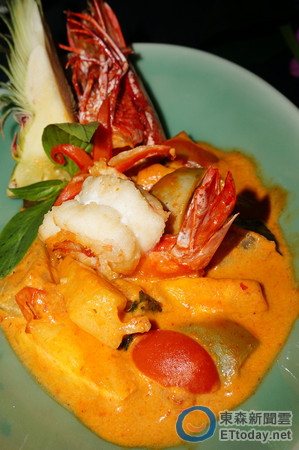
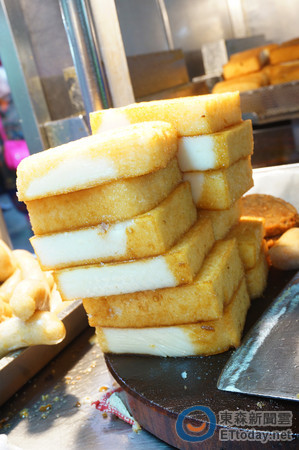
▲ Various dishes have evolved into forms that suit Taiwanese tastes, often becoming even more distinctive — for example, Thai food is not as excessively sour or spicy as in Thailand (left), and Hong Kong-style turnip cake can be prepared not only by pan-frying or boiling but also by deep-frying (right).
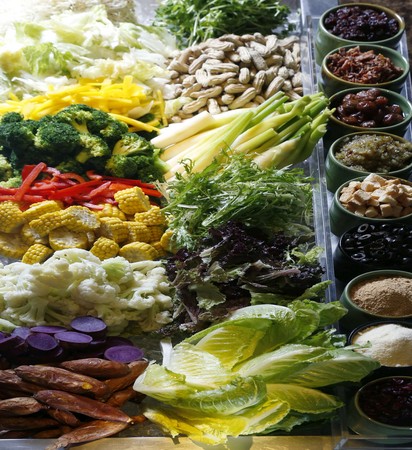
At the same time, Liu Zhenhao also noted that in recent years, Taiwanese people have become more health-conscious, shifting gradually from a preference for heavy, oily, and salty flavors to lighter ones. As a result, the Food and Beverage Department at HowToTrip Crystal has made corresponding adjustments. For example, on the buffet line at the hotel’s buffet restaurant, Bistro Pascal, vegetables are grown using greenhouse cultivation methods. To prepare this restaurant, he personally inspected the quality and production methods of the vegetables — a testament to his dedication.
Since its opening, HowToTrip Crystal Luzhou has achieved steady annual growth in performance of 20–30%. Liu Zhenhao believes this is primarily due to the increasing number of tourists from around the world visiting Taiwan each year. In addition, HowToTrip Crystal benefits from a prime location and relatively affordable room rates compared to those in Taipei City, both of which contribute to its year-on-year revenue growth.
%The vegetables used are all carefully selected and strictly controlled for freshness and quality.
The tourism market has been expanding rapidly in recent years, but a shortage of manpower has become a major challenge. Liu Zhenhao pointed out, “As the tourism market has expanded rapidly over the past five years, the required human resources have also increased dramatically.” However, jobs in the food and beverage and tourism industries often involve long hours and heavy workloads, so although demand is high, the number of people willing to enter the field is limited. In this situation of high demand and low supply, every worker is extremely valuable.
Share
This article is published by HowToTrip. Sharing and reposting are welcome — please credit the source.
Article URL: https://www.howtotrip.net/views-23436
Related Articles
- Shaoxing's "Grandpa Gourd" hangs the gourds back up: "If there are too many people, we'll interact less — just take a quick look from afar"
- Chinese authorities announce "reciprocal adjustment" to Japan visa fees — single-entry visa jumps from 2,250 to 16,750 yen!
- The "health stones" carried by a traveler were found to have radiation levels exceeding safety limits by a thousand times, potentially endangering fellow passengers on the same flight. Customs issues warning!
- Shenzhen Airport Issues Late-Night Notice: Unidentified Aerial Object Detected, Causing Widespread Flight Delays!
- “They only said it cost money after I opened the box and washed it!” 200g of grapes sold for 60 yuan on a high-speed train—12306 responds!
- Can't buy an airline ticket? Denied exit? Blocked from boarding? A large number of Chinese tourists have mysteriously become "discredited individuals"
- Adverse weather and economic fluctuations impact Colombia's coffee market
- Beach bathing area responds to 2 yuan/30 seconds fee for freshwater foot rinsing: Clearly priced!
- Taking off with an improperly closed cabin door? Wing malfunction? Multiple flights made emergency returns mid-journey!
- Experience the gifts of nature! A countdown of the world’s ten most stunning coastlines