Why does Mount Fuji have an extra bump? Local residents say it's a source of pride unique to all of Japan
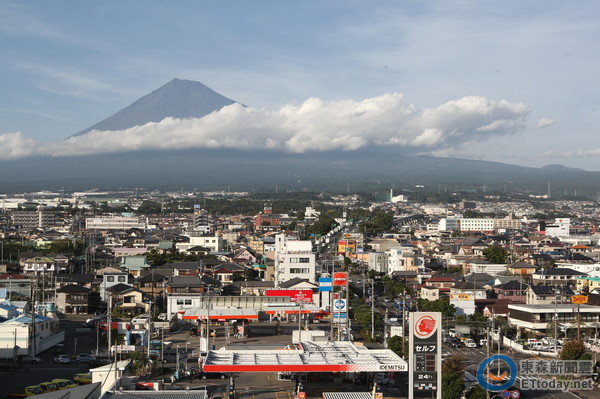
▲ From Fujisawa City, you can see the majestic presence of Mount Fuji. (Photo by reporter Chen Ruizhong, the same applies below)
Reporter Chen Ruizhong / Report from Japan
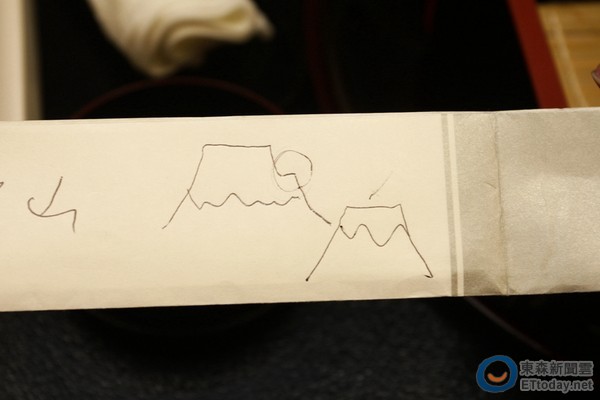
First, draw a tall mountain with a flat top, then add undulating white snow on the summit—just a few simple strokes to outline this peak, and many people would instantly recognize it: “It’s Japan’s Mount Fuji!” But residents of Fujisawa City in Shizuoka Prefecture, Japan, would unanimously disagree: “That’s not our Mount Fuji!”
It turns out that although Mount Fuji is a dormant stratovolcano, there are still many parasitic volcanoes around its main peak. From the viewpoint in Fujisawa City, one can clearly see a prominent “Mount Hoei” attached to the side of Mount Fuji.
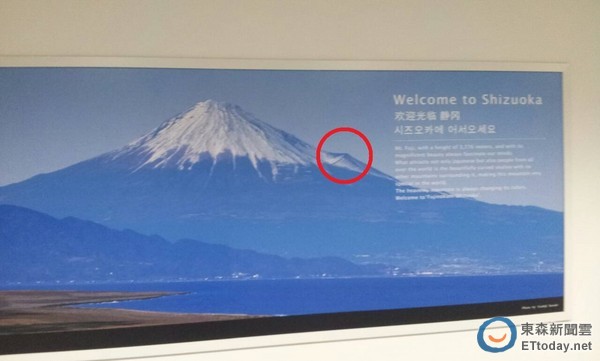
▲ The clear silhouette of Mount Hoei can be seen on the welcome poster at Shizuoka Airport.
Since Fujisawa is the only area where the side profile of Mount Hoei is visible, locals have always drawn Mount Hoei as part of Mount Fuji since childhood; even the city’s mascot, Musubin (むすびん), is designed based on the shape of Mount Hoei, featuring a cute bump on its head.
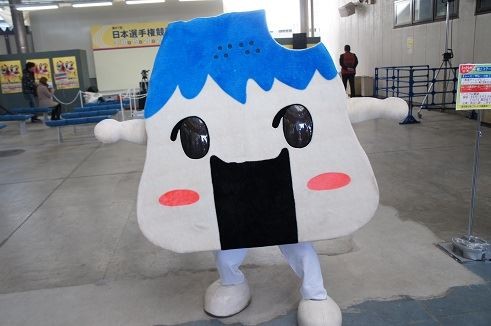
▲ The mascot of Fujisawa City, Musubin, is designed based on the area’s unique view of Mount Fuji. (Photo from the Fujisawa Musubin Facebook page)
Every year, tens of thousands of people aim to climb Mount Fuji. According to local guides, the best months for climbing are July and August, with several routes including the Yoshida, Subashiri, Gotemba, and Fujinomiya entrances. Visitors can start from the Fifth Station, located at about 2,000 meters above sea level, and gradually make their way up to the Tenth Station at the summit. Statistics show that experienced climbers starting from the Fifth Station typically take about 5–6 hours to reach the top, while the general public may take around 7–10 hours.
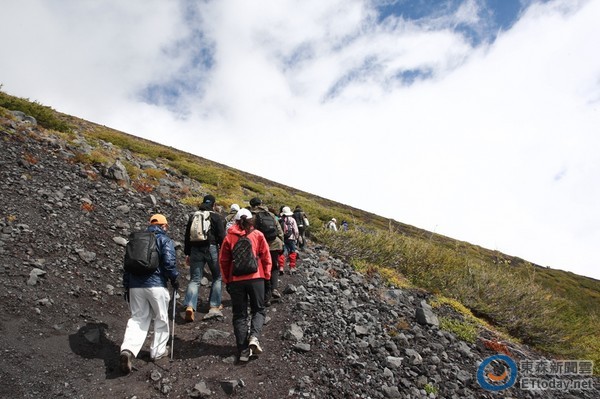
▲ The Fujinomiya entrance has the highest starting elevation, but the trail is covered with volcanic gravel, making it more difficult to walk.
If you want to get a close-up look at what locals in Fujisawa are proud of—Mount Hoei—you can hike from the Fujinomiya entrance along the trail between May and November. The Fujinomiya entrance is the closest route to the summit, with the Fifth Station sitting at about 2,400 meters above sea level. The hiking trail consists of volcanic rocks, with occasionally twisted trees on both sides. Coupled with the cooler temperatures at high altitudes, inadequate gear can easily lead to danger.
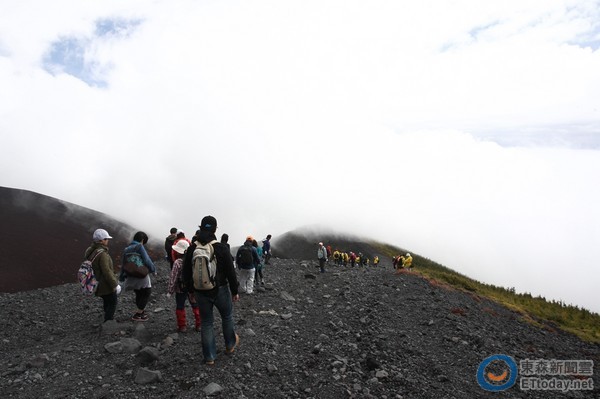
▲ Descending on volcanic gravel makes slipping and getting injured very likely, so special caution is needed.
Along the trail up Mount Hoei, you can overlook the natural beauty of forests veiled in clouds and mist. Along the way, you might also spot elderly Japanese men and women dressed neatly in uniforms walking slowly forward. Their weary yet joyful expressions allow you to experience the magical feeling of walking on Japan’s sacred mountain.
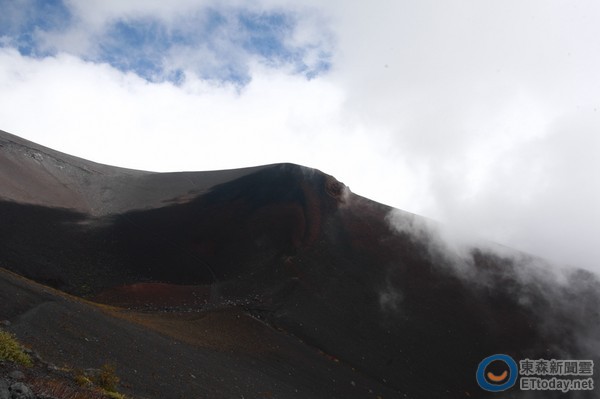
▲ About 40 minutes from the Fifth Station, you can get a close-up view of Mount Hoei.
After walking for about 40 minutes, you’ll see the summit of Mount Hoei emerging from the clouds. Imagining yourself standing before the most distinct outline of Mount Fuji is the greatest reward of this journey. Local climbers say that even if they don’t reach the summit of Mount Fuji, getting close to Mount Hoei still allows them to feel the grandeur and sacredness of the mountain.
▲ A local guide sings a traditional folk song in praise of Mount Fuji on-site.
Because of Mount Hoei’s presence, the view of Mount Fuji from Fujisawa takes on an even more moving profile, becoming the most iconic skyline. Yoshida Kazuyoshi, Minister of Industry and Economy for Fujisawa City, stated:Being able to see both the curves of Mount Fuji and Mount Hoei is the greatest pride of Fujisawa City.
%jia hui? This citizen said, 'As a local, I’ve lived here for decades, but I’ve never been to the summit of Mount Fuji either.'
Share
This article is published by HowToTrip. Sharing and reposting are welcome — please credit the source.
Article URL: https://www.howtotrip.net/views-17093
Related Articles
- Shaoxing's "Grandpa Gourd" hangs the gourds back up: "If there are too many people, we'll interact less — just take a quick look from afar"
- Chinese authorities announce "reciprocal adjustment" to Japan visa fees — single-entry visa jumps from 2,250 to 16,750 yen!
- The "health stones" carried by a traveler were found to have radiation levels exceeding safety limits by a thousand times, potentially endangering fellow passengers on the same flight. Customs issues warning!
- Shenzhen Airport Issues Late-Night Notice: Unidentified Aerial Object Detected, Causing Widespread Flight Delays!
- “They only said it cost money after I opened the box and washed it!” 200g of grapes sold for 60 yuan on a high-speed train—12306 responds!
- Can't buy an airline ticket? Denied exit? Blocked from boarding? A large number of Chinese tourists have mysteriously become "discredited individuals"
- Adverse weather and economic fluctuations impact Colombia's coffee market
- Beach bathing area responds to 2 yuan/30 seconds fee for freshwater foot rinsing: Clearly priced!
- Taking off with an improperly closed cabin door? Wing malfunction? Multiple flights made emergency returns mid-journey!
- Experience the gifts of nature! A countdown of the world’s ten most stunning coastlines