Don’t open the window on high-altitude flights! 8 discomforts of long-haul flights — have you experienced any?
By Rita
A long-haul flight that lasts over ten hours can leave you feeling dizzy and seeing stars by the time you step off the plane. Have you had this experience? According toAustralian media couriermail, changes in the surrounding environment during long flights affect the normal functioning of the human body, leading to various physiological reactions and symptoms. Therefore, how to take care of your body during long journeys is also one of the essential preparations for travel.
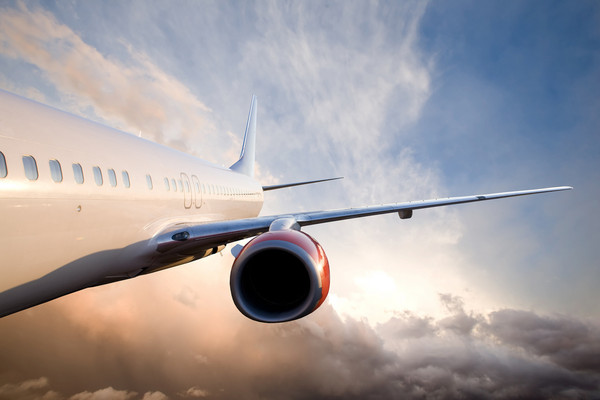
▲ Airplane. (Photo / Darzee Images / Illustration)
1. Blood pools in the legs and feet for long periods
This can lead to foot swelling, so it’s important to “regularly” move your legs.
2. Skin becomes very dry
Due to the circulating air and air pressure inside the cabin, moisture is drawn from your skin, so remember to drink plenty of water.
3. Jet lag is worse when flying from the Western to the Eastern Hemisphere
Flying from the Western Hemisphere to the Eastern Hemisphere across more than two time zones causes severe jet lag because your brain is constantly adjusting to the new daylight and darkness cycles. However, flying from the Eastern Hemisphere to the Western Hemisphere is a bit different. Although a day is 24 hours, the human body actually operates on a 25-hour cycle. Flying east to west adds an extra hour, helping your body adjust more quickly upon arrival.
Read more~App to help adjust your sleep schedule! 8 tips to beat travel jet lag
4. Feeling drowsy
Cabin pressure is simulated to match air pressure at an altitude of 1,828–2,438 meters, but planes often fly higher than that. The reduced oxygen can make you feel lightheaded and sleepy.
5. Excessive ultraviolet exposure
According to a scientific study by the University of California, San Francisco, pilots and flight attendants are twice as likely to develop melanoma (a type of skin cancer), with a mortality rate as high as 42%. The reason is that airplane windows do not block harmful UV rays. When flying at high altitudes, try to avoid direct sun exposure by not opening the window.
6. Loss of appetite
A 2010 study by Lufthansa found that dry air can cause the evaporation of mucus in the body — a key element in your sense of smell — which can dull your taste buds. Remember to stay hydrated.
7. Increased likelihood of bloating
The changes in air pressure during takeoff and landing not only cause ear popping but also lead to the expansion of gas in your intestines, resulting in pain, bloating, or flatulence.
8. Higher risk of decompression sickness (the bends)
Diving and then flying immediately can lead to “decompression sickness” due to rapid pressure changes, causing headaches, joint pain, fatigue, and difficulty breathing. To reduce physical strain, if you dive deeper than 15 meters, it’s best to schedule your flight at least two days after the dive.
Share
This article is published by HowToTrip. Sharing and reposting are welcome — please credit the source.
Article URL: https://www.howtotrip.net/views-15732
Related Articles
- Shaoxing's "Grandpa Gourd" hangs the gourds back up: "If there are too many people, we'll interact less — just take a quick look from afar"
- Chinese authorities announce "reciprocal adjustment" to Japan visa fees — single-entry visa jumps from 2,250 to 16,750 yen!
- The "health stones" carried by a traveler were found to have radiation levels exceeding safety limits by a thousand times, potentially endangering fellow passengers on the same flight. Customs issues warning!
- Shenzhen Airport Issues Late-Night Notice: Unidentified Aerial Object Detected, Causing Widespread Flight Delays!
- “They only said it cost money after I opened the box and washed it!” 200g of grapes sold for 60 yuan on a high-speed train—12306 responds!
- Can't buy an airline ticket? Denied exit? Blocked from boarding? A large number of Chinese tourists have mysteriously become "discredited individuals"
- Adverse weather and economic fluctuations impact Colombia's coffee market
- Beach bathing area responds to 2 yuan/30 seconds fee for freshwater foot rinsing: Clearly priced!
- Taking off with an improperly closed cabin door? Wing malfunction? Multiple flights made emergency returns mid-journey!
- Experience the gifts of nature! A countdown of the world’s ten most stunning coastlines