Pilgrimage to Yayoi Kusama’s Healing Giant Pumpkin – The Serene Island Skies of Naoshima, Japan

Text & Photos/Annie
Naoshima, a small island in the Seto Inland Sea, is most famous for Yayoi Kusama’s giant pumpkin. Eager to see the adorable sculpture in person, I even extended my trip by staying an extra night in Okayama. Although Naoshima is located within Kagawa Prefecture, it’s actually closer to Okayama. From Uno Port in Okayama, the ferry takes about fifteen to twenty minutes, while from Takamatsu Port, it takes around fifty minutes. There are still some artworks left on the island from last year’s Setouchi Triennale.
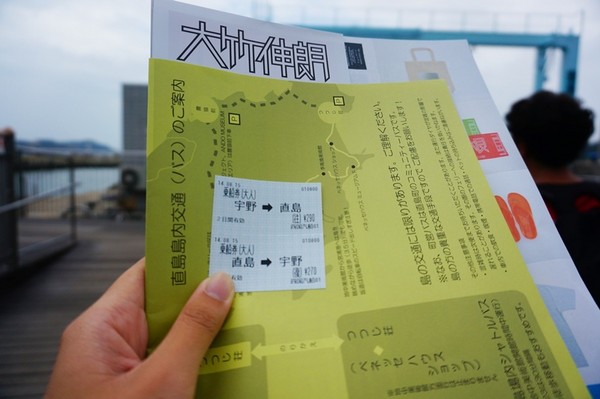
To get to Naoshima, I stayed overnight in Okayama the night before, then took a train early the next morning to Uno to catch the ferry. The one-way ferry ticket is 290 yen, and the return is 60 yen.
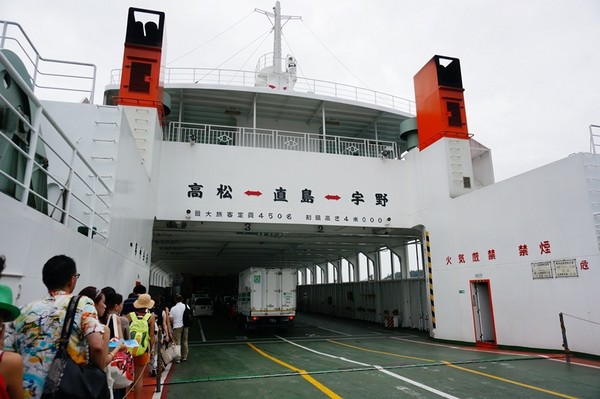
The ferry is quite large, with space for dozens of cars, so there’s no worry about seasickness (though I’m not prone to it anyway).
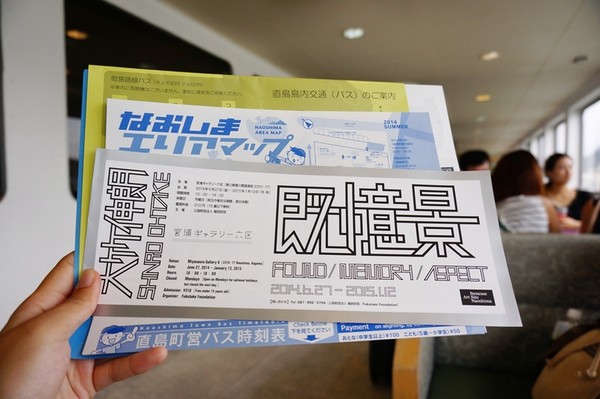
Before boarding, you receive tourist information about Naoshima, including the bus schedule and a map of the island.
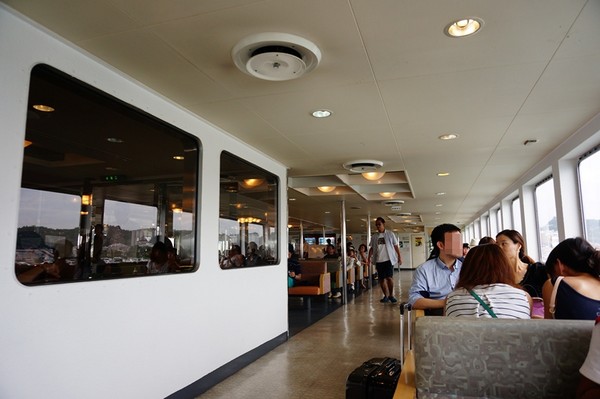
Inside the ship cabin~
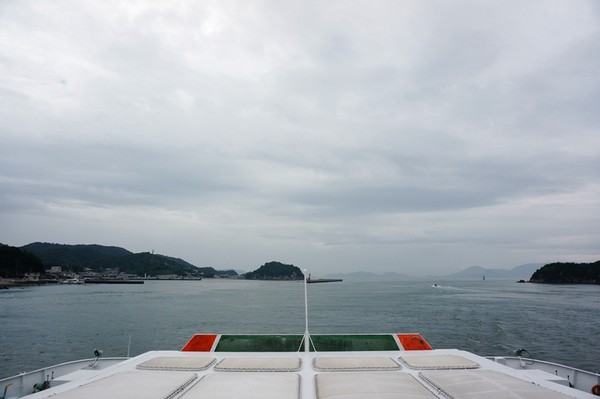
Looking out at the various small islands in the Seto Inland Sea from the deck. Unfortunately, the weather wasn’t great that day, so I’ll have to come back on a sunny day next time.
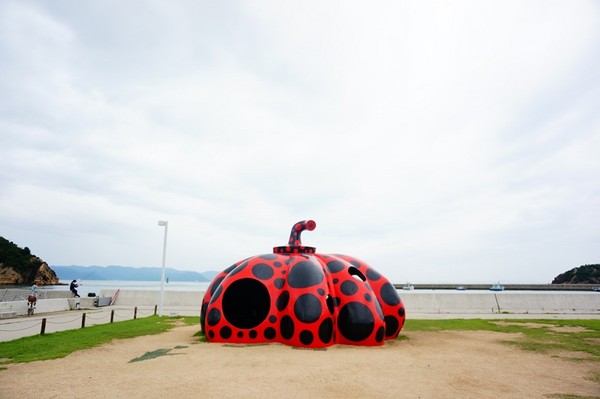
The ferry slowly approached the harbor, and from a distance, you could already see Yayoi Kusama’s red giant pumpkin. Once off the ferry, most tourists headed straight for the bus stop near the tourist information center “Umi no I” in Naoshima to go to the Chichu Art Museum. But because I loved this big pumpkin so much, I leisurely took my time taking photos around it.
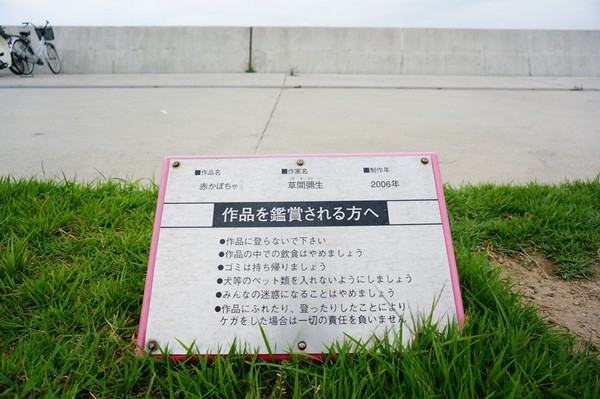
Yayoi Kusama’s work “Red Pumpkin,” 2006.
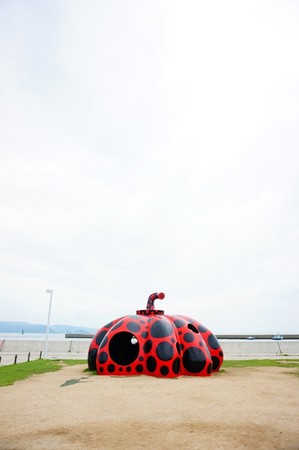
Although I had seen another giant pumpkin at the Towada Art Center before, I still prefer these two on Naoshima. The red pumpkin under the sea and sky is incredibly healing.
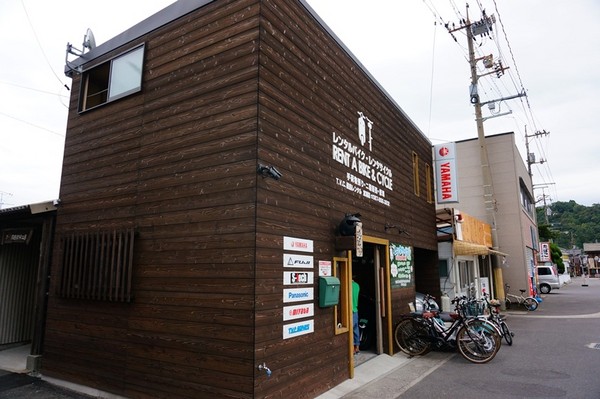
The bus schedules on the island aren’t very frequent. After missing the previous bus, I had some time to kill, so I wandered around Miyanoura Port. This shop seems to offer bicycle rentals and luggage storage.
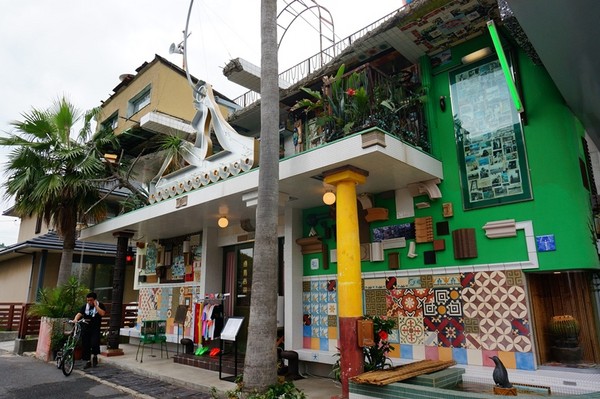
The famous Naoshima Onsen “I♥Sou,” which isn’t just an artwork but an actual bathhouse you can soak in.
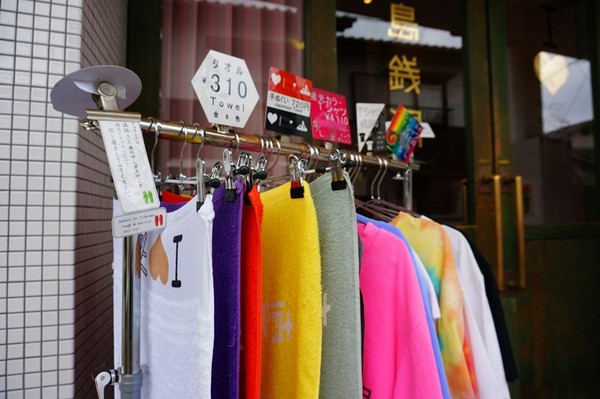
I bought a towel as a souvenir.

When I bought the towel, I also got a small poster. When I put it up on the wall at home, my family asked why I’d put up a picture of a naked man (laugh).
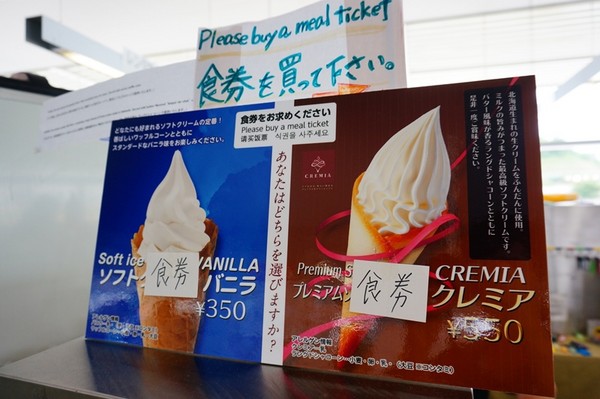
There are some food options sold at “Umi no I” near Miyanoura Port. I saw this ice cream and thought it looked impressive—each one costs a whopping 550 yen!! Even though it was expensive, I couldn’t resist trying one.
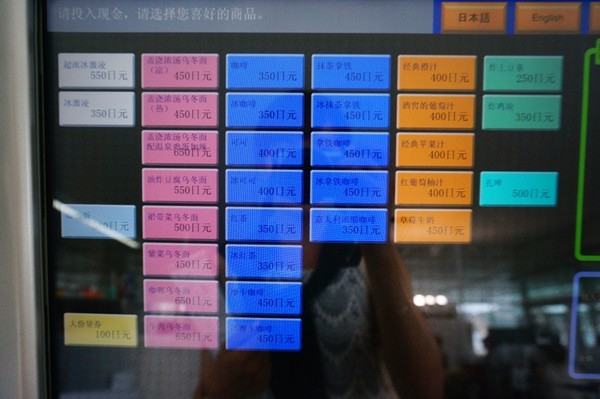
The ticket vending machine even has a Chinese option. See? The price of the ice cream could buy you a bowl of fried tofu udon.
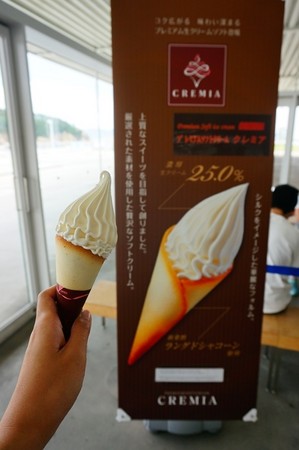
Nissei’s CREAMIA, which sells for 550 yen, is seriously rich. I’ve never had ice cream this creamy before—the cone even tastes a bit like the cookies from Shiroi Koibito.
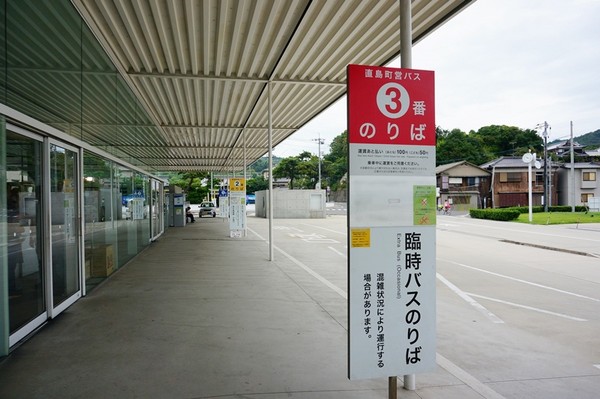
After happily finishing the pricey ice cream, I waited for the bus.
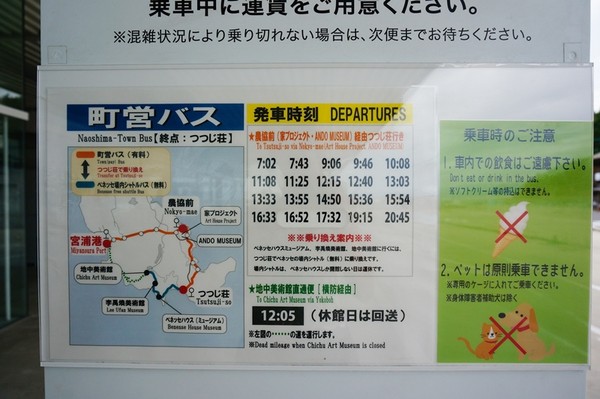
The bus I took this time went directly to the Chichu Art Museum. The fare was 100 yen.
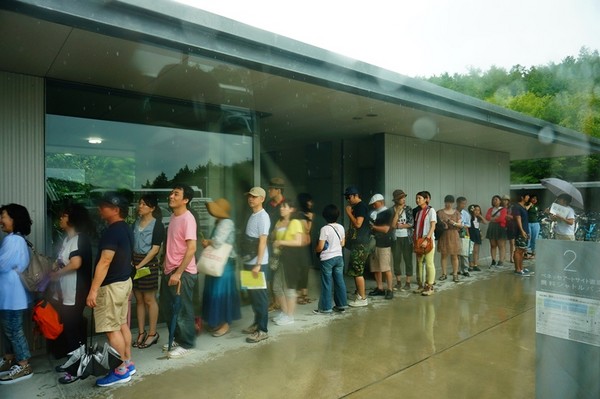
But when I arrived at the Chichu Art Museum, I saw the long line as soon as I got off the bus. Quietly giving up on waiting, I turned around and took the shuttle bus to the Lee Ufan Museum instead.
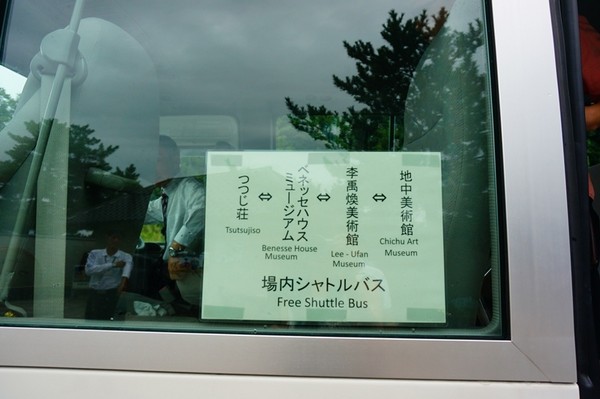
It’s a free shuttle bus.
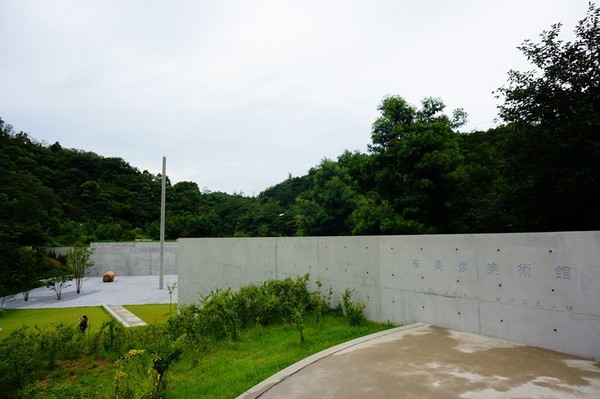
Compared to the crowds at the Chichu Art Museum, the Lee Ufan Museum had far fewer visitors, making it much more pleasant to explore. No photos are allowed inside the museum, so I took a few shots outside. The museum isn’t very big—you can finish the visit in about half an hour.

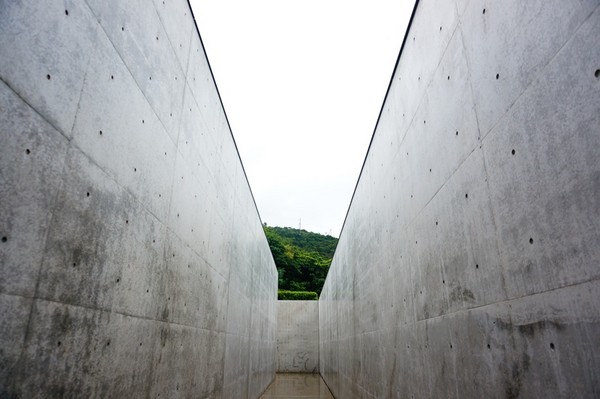
The impressive exposed concrete high walls.
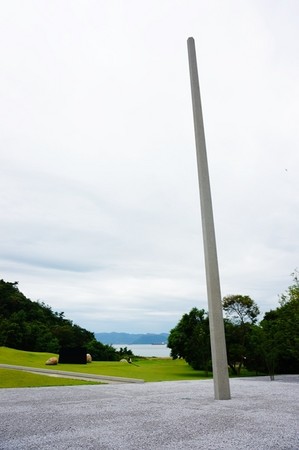
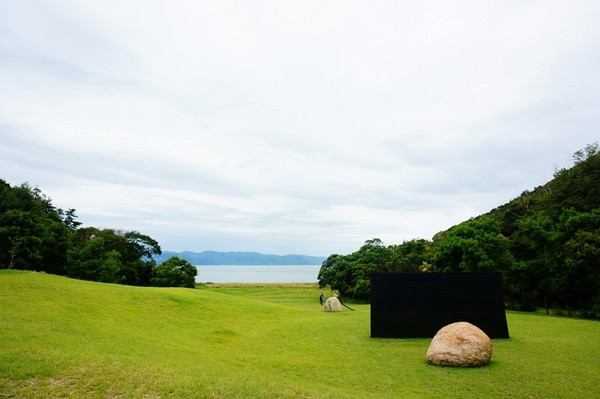
Viewing the Seto Inland Sea from outside the art museum.
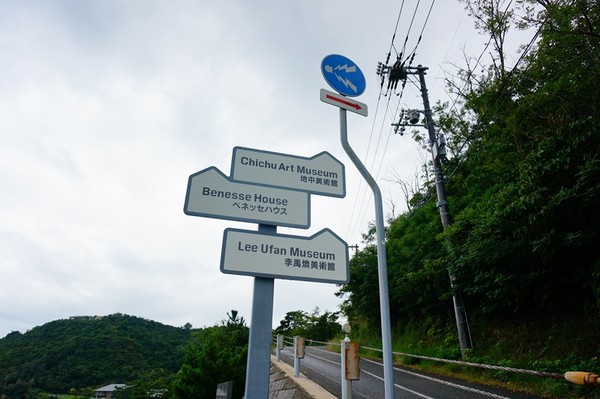
After leaving the Lee Ufan Museum, I took the shuttle bus to Tsutsujigaoka.
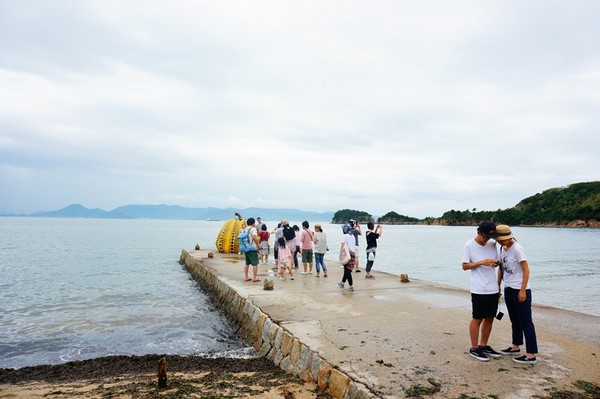
It’s only a five-minute walk from Tsutsujigaoka to the other pumpkin. There’s no need to worry about getting lost, since everyone’s heading there.
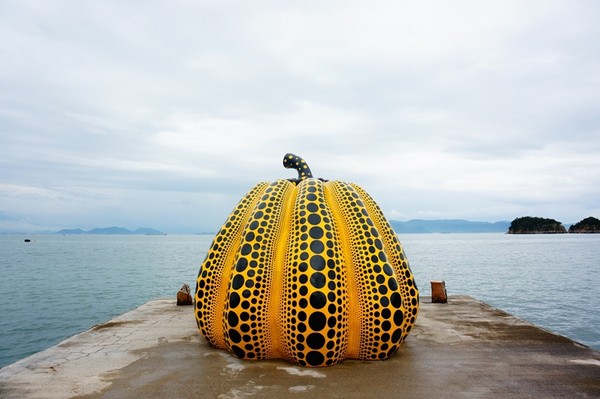
Oh my oh my!!! (I exclaimed again in my heart.) Finally, I saw the pumpkin that had been on my mind for so long. It’s just a pity the weather really wasn’t great.

For this pumpkin, I’d be willing to come back to Naoshima on another sunny day. It’s truly too healing.
Bare-faced Naoshima (Naoshima Town Light Association) http://www.naoshima.net/index.html
Benesse House / Unko Museum / Umikirara http://www.benesse-artsite.jp/
Shikoku Ferry http://www1a.biglobe.ne.jp/shikoku/
Annie @ Travel, Food & Play
Returning to the essence of travel
Share
This article is published by HowToTrip. Sharing and reposting are welcome — please credit the source.
Article URL: https://www.howtotrip.net/views-15701
Related Articles
- Shaoxing's "Grandpa Gourd" hangs the gourds back up: "If there are too many people, we'll interact less — just take a quick look from afar"
- Chinese authorities announce "reciprocal adjustment" to Japan visa fees — single-entry visa jumps from 2,250 to 16,750 yen!
- The "health stones" carried by a traveler were found to have radiation levels exceeding safety limits by a thousand times, potentially endangering fellow passengers on the same flight. Customs issues warning!
- Shenzhen Airport Issues Late-Night Notice: Unidentified Aerial Object Detected, Causing Widespread Flight Delays!
- “They only said it cost money after I opened the box and washed it!” 200g of grapes sold for 60 yuan on a high-speed train—12306 responds!
- Can't buy an airline ticket? Denied exit? Blocked from boarding? A large number of Chinese tourists have mysteriously become "discredited individuals"
- Adverse weather and economic fluctuations impact Colombia's coffee market
- Beach bathing area responds to 2 yuan/30 seconds fee for freshwater foot rinsing: Clearly priced!
- Taking off with an improperly closed cabin door? Wing malfunction? Multiple flights made emergency returns mid-journey!
- Experience the gifts of nature! A countdown of the world’s ten most stunning coastlines