Is tipping mandatory when traveling abroad? A UK study reveals how tipping works around the world
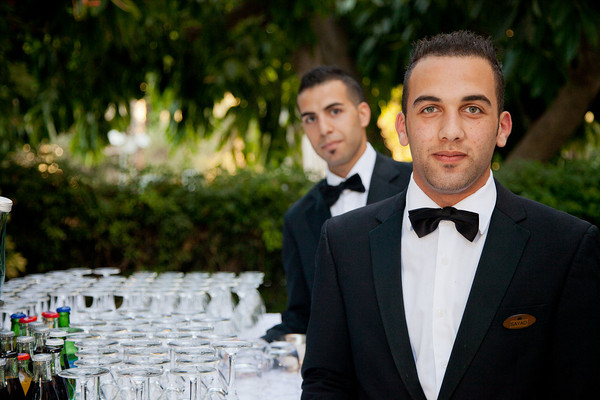
▲ Tip a bit more for attentive service staff (Photo / Wikipedia)
By Rita
In Taiwan, there is generally no strict custom of tipping, but many countries around the world have a tipping culture, especially in Europe and America. However, in some countries, tipping can actually be considered rude — Japan is one such example.
Paul Fidgeon, an associate professor at the University of East London, believes that tipping depends on the consumer's ethics, and 10% is the bare minimum. In reality, the amount of tip mainly depends on the type and quality of service provided. Different countries have different customs regarding how much to give. If the service is really terrible, it’s okay not to tip. “If you tip despite poor service, the employee may become complacent,” says etiquette expert William Hanson.
Who should you tip and how much? Many travelers struggle with this question. According to the Daily MailTipping Culture Around the Worldprovides detailed insights, helping travelers better understand the concept of "tipping."
Restaurant servers
In the UK, service charges are usually about 12.5% added to the total bill. Although more and more restaurants now include the service charge in the meal price, those that don’t typically expect tips between 10% and 15%. For exceptional service, it might go up to around 20%. This rule also applies to room service and bartenders.
Room service
Room attendants are often overlooked because they work when guests are not around. Some hotels have started proactive reminder strategies. For example, the American Hotel & Lodging Association (AHLA) has published a tipping guide advising guests to leave $1–$5 in an envelope before leaving the room. In nicer hotels, the expected tip is higher.
Doormen
The tip for doormen depends on the service they provide. If they help secure a good restaurant reservation, a few dollars is appropriate. For securing tickets to extremely popular concerts or sporting events, at least $10 is expected. You can also choose to give a lump sum when checking out at the end of your stay.
Bellhops
Typically, $1–$5 per bag is standard, and more for heavier luggage. If they assist with operating the TV or explaining room features, a tip is also expected. Calling a taxi for you usually warrants $1–$2 as well.
Transportation
Valet parking usually calls for $1–$5. For shuttle bus drivers taking you to other locations, $1–$5 is appropriate. For taxi drivers, a tip of around 10% of the fare is standard, and it’s common to round up to the nearest whole number.
Tour guides
Around 10% is typical. For full-day tours, 10%–20% is common.
★ Tipping Culture Around the World ★
If you’re unsure how much to tip, observe what others are doing. Never directly ask someone “Should I tip you?” — you might get overcharged.
Africa: Although service charges are often included in the bill, tipping is still customary, usually around 10%–15%.
Australia: Australia and New Zealand don’t really have a tipping culture, but a small tip for excellent service is appreciated as a gesture of gratitude.
Caribbean: Many resorts include service charges. If you're unsure, you can ask the front desk whether tipping is customary.
China:While tipping is not mandatory, it is acceptable in restaurants or hotels frequented by Western travelers. However, there is a tipping culture in Hong Kong and Macau.
Egypt:It’s generally around 5% to 10%, and should not exceed 10%.
France:“Service compris” means the service charge is included, but customers who are very satisfied with the service may give an additional tip.
Germany:Please note that you should not leave the tip on the table; instead, hand it directly to the person who served you.
Japan:Tipping is considered rude in Japan, so never give one.
Spain:In general restaurants, it’s about 7% to 13%.
Thailand:Tipping is not usually expected, but if you wish, you can give around 20 Thai baht.
Share
This article is published by HowToTrip. Sharing and reposting are welcome — please credit the source.
Article URL: https://www.howtotrip.net/views-13129
Related Articles
- Shaoxing's "Grandpa Gourd" hangs the gourds back up: "If there are too many people, we'll interact less — just take a quick look from afar"
- Chinese authorities announce "reciprocal adjustment" to Japan visa fees — single-entry visa jumps from 2,250 to 16,750 yen!
- The "health stones" carried by a traveler were found to have radiation levels exceeding safety limits by a thousand times, potentially endangering fellow passengers on the same flight. Customs issues warning!
- Shenzhen Airport Issues Late-Night Notice: Unidentified Aerial Object Detected, Causing Widespread Flight Delays!
- “They only said it cost money after I opened the box and washed it!” 200g of grapes sold for 60 yuan on a high-speed train—12306 responds!
- Can't buy an airline ticket? Denied exit? Blocked from boarding? A large number of Chinese tourists have mysteriously become "discredited individuals"
- Adverse weather and economic fluctuations impact Colombia's coffee market
- Beach bathing area responds to 2 yuan/30 seconds fee for freshwater foot rinsing: Clearly priced!
- Taking off with an improperly closed cabin door? Wing malfunction? Multiple flights made emergency returns mid-journey!
- Experience the gifts of nature! A countdown of the world’s ten most stunning coastlines