Paddle to the home of the Blue Tears—the mysterious Beihai Tunnel, an underground dock in Matsu
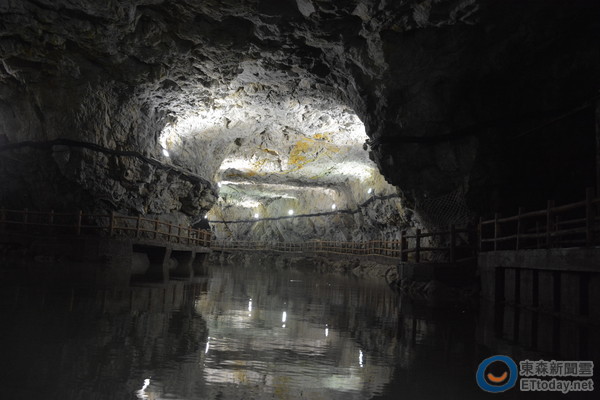
▲ Beihai Tunnel in Nangan, Matsu. (Photo by reporter Li Ziyi; all following photos are by the same photographer)
Reported by Li Ziyi from Matsu
Beihai Tunnel is one of the well-known attractions in Matsu, located near Ren’ai Village in Nangan. Before entering the tunnel, you’ll see a vivid statue of a soldier digging the tunnel. Wang Yongbao, a professional Matsu guide, also shared a little story: “The five soldiers in charge of carving couldn’t figure out what the original tunnel diggers looked like, so they ended up sculpting statues in their own likenesses—pretty unique.”
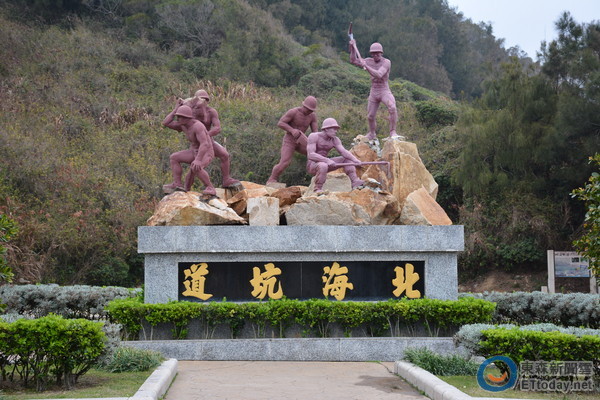
▲ The commemorative statue outside Beihai Tunnel.
The “Beihai Tunnel” was the project name at the time, primarily used for docking boats. Originally, it was planned that all four townships should have a Beihai Tunnel, but in the end, only those in Dongyin, Beigan, and Nangan were actually excavated. Later, the Beigan tunnel was closed due to excessive silt buildup, and the Dongyin tunnel had falling rocks, so both are no longer open. Only the Nangan Beihai Tunnel remains in use and open to the public.
Once inside the tunnel, hop on a paddle boat and take in the vast granite passageway, marveling at the ingenuity of the soldiers decades ago. Look down at the water’s surface, and you’ll spot white, unidentifiable objects floating.Lin Jinlong, who has been paddling here for nearly five years, says:The white oil-like substance floating on the water is what people commonly refer to as the “Blue Tears.” On moonless nights, when you stir the water, you’ll see shimmering blue fluorescent dots. The season with the most Blue Tears is typically from April to July.This year, Beihai Tunnel also plans to launch Blue Tears viewing tours, but there’s no confirmed schedule yet. Observing the Blue Tears requires complete darkness, and safety measures must be carefully considered—it’s still in the planning stages.
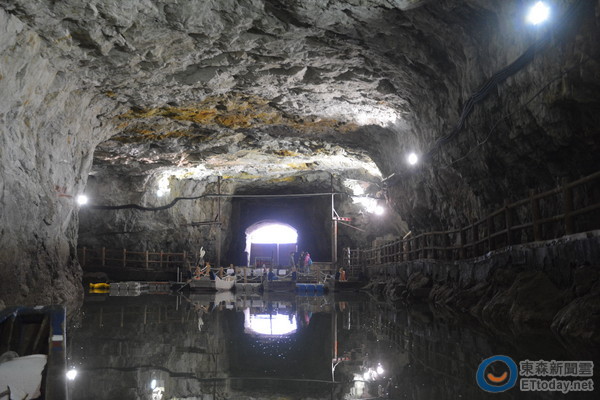
▲ The white glimmers on the water’s surface are the legendary Blue Tears; the red line on the rock to the left marks the high-tide water level.
Construction of Beihai Tunnel began in 1968 (the 57th year of the Republic of China). Back then, the equipment and technology were not as advanced as they are today. Aside from explosives, the soldiers chiseled through the hard granite rock by hand. Over 20,000 soldiers worked in three shifts around the clock for almost three years to complete it. The result was the Beihai Tunnel, with an average width of 10 meters and a height of 18 meters—nearly six stories tall. Originally called an underground dock, it was designed to moor small landing craft for the military. However, after construction, it was found that during high tide the water level was too high for boats to enter, and during low tide the water receded too much to navigate. It remained sealed for over 20 years before eventually being opened for tourism and leisure.
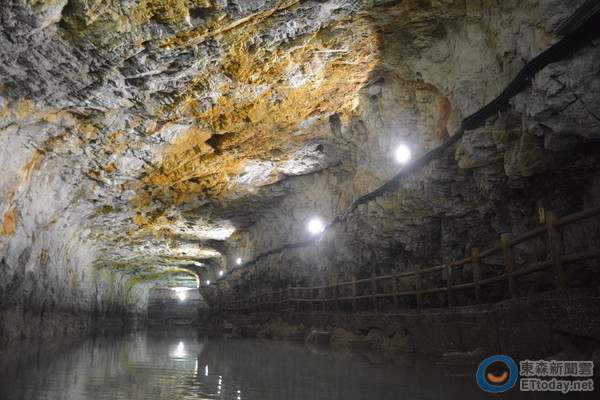
▲ The yellow color on the upper rocks is due to rust.
Lin Jinlong explained that the total length of the waterway for paddle boats is about 600 meters. Along the way, you’ll see red and white lines carved into the granite walls, marking the local tidal differences. During high tide, the water reaches the red line, and during typhoons, it rises to the white line—high enough to flood the counter at the entrance. This shows just how dramatic the tidal variation is. Looking up at the granite ceiling, you’ll notice yellow patches, which are actually rust stains caused by iron content in the rock.

▲ Paddle boat.
In addition to paddle boating, kayaking is another thrilling option in the summer. Each kayak can accommodate two people, and instructors provide a kayaking lesson before departure. A coach boat will also accompany you in case of emergencies. Visitors can also walk along the nearby trail to circle the tunnel on foot, experiencing firsthand the sweat and toil of the soldiers through touch, while taking in the mysterious beauty of Beihai Tunnel with their eyes.
Beihai Tunnel
Address: Ren’ai Village, Nangan Township, Lienchiang County
Phone: 08 362 5630
Business Hours: Daily 8:00–16:00 (adjusted according to tide times)
Kayaking: NT$300 per person, up to two people per kayak.
Paddle Boats: NT$150 per person, up to eight people per boat.
Hiking Trail: Free
Share
This article is published by HowToTrip. Sharing and reposting are welcome — please credit the source.
Article URL: https://www.howtotrip.net/views-12901
Related Articles
- Shaoxing's "Grandpa Gourd" hangs the gourds back up: "If there are too many people, we'll interact less — just take a quick look from afar"
- Chinese authorities announce "reciprocal adjustment" to Japan visa fees — single-entry visa jumps from 2,250 to 16,750 yen!
- The "health stones" carried by a traveler were found to have radiation levels exceeding safety limits by a thousand times, potentially endangering fellow passengers on the same flight. Customs issues warning!
- Shenzhen Airport Issues Late-Night Notice: Unidentified Aerial Object Detected, Causing Widespread Flight Delays!
- “They only said it cost money after I opened the box and washed it!” 200g of grapes sold for 60 yuan on a high-speed train—12306 responds!
- Can't buy an airline ticket? Denied exit? Blocked from boarding? A large number of Chinese tourists have mysteriously become "discredited individuals"
- Adverse weather and economic fluctuations impact Colombia's coffee market
- Beach bathing area responds to 2 yuan/30 seconds fee for freshwater foot rinsing: Clearly priced!
- Taking off with an improperly closed cabin door? Wing malfunction? Multiple flights made emergency returns mid-journey!
- Experience the gifts of nature! A countdown of the world’s ten most stunning coastlines