Tokyo Naritasan’s “Unagi Donburi” Street – A Mouthful of Pure Bliss
Text & Photos byHappy Yun
Unagi donburi is a must-try dish for anyone visiting Japan. To be honest, I’ve had countless bowls of unagi don, but this was the first time I saw live eels and witnessed how they’re transformed into the delicious meal we all know.
It was bittersweet, but thinking about the deliciousness, I couldn’t help but silently pray for those eels that gave their lives… This trip took me to Naritasan in Chiba Prefecture, right next to Tokyo. I don’t recall ever having been to “Chiba Prefecture” before. My friends said that was impossible because “Chiba Prefecture” is home to “Narita Airport,” which most visitors to Tokyo use. Plus, another very famous attraction, “Disneyland,” is also located in Chiba.
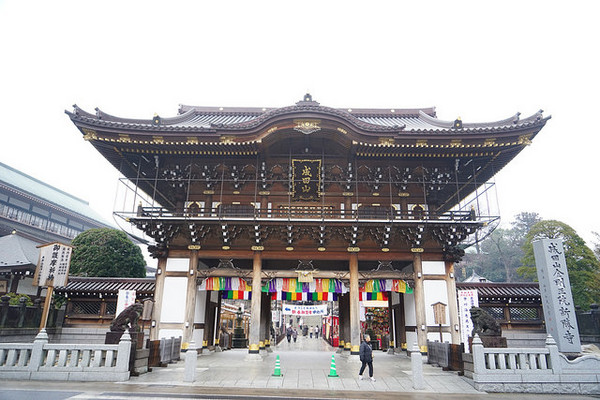
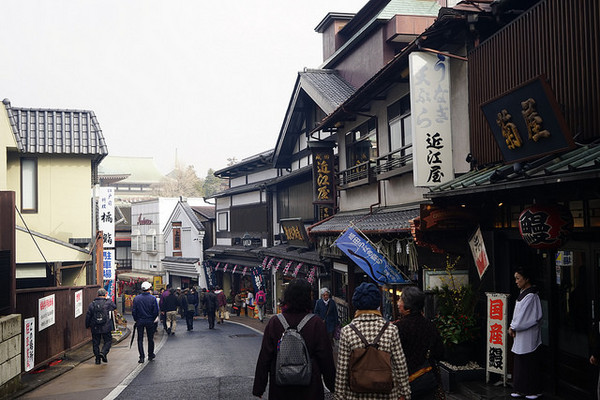
And for those who love “unagi don,” you definitely can’t miss Chiba’s “Naritasan,” which boasts a famous “Unagi Street.” Perhaps that’s what drew food-loving me to Naritasan. The most famous spot here is probably Naritasan Shinshoji Temple. That day, as I strolled from Narita Station toward Naritasan Omotesando, I was delighted to find free Wi-Fi on the street—so... thoughtful. The area had many charming little shops and eateries... it was really... a great place to explore (I’ll share more next time!).
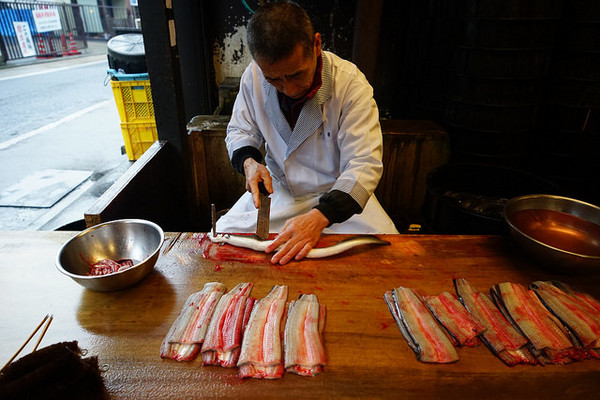
As I headed toward Shinshoji Temple, I noticed more and more shops selling “unagi” dishes the closer I got. One of them, “Kawatoyo,” is where we were headed for lunch. Apparently, it’s the most popular spot on the whole street. Maybe because it was still early, I hadn’t yet felt the crowd. In the morning, the chef was preparing the eels. Wow, just look at how skillfully he plucked a live eel from the basket, nailed its head to the board, and then chopped straight down from the head—it was really... brutal. Then he slit the eel open along its back and sliced the meat off in one long piece, repeating the process on the other side. After that, he cut the meat into three sections and arranged the slices neatly.
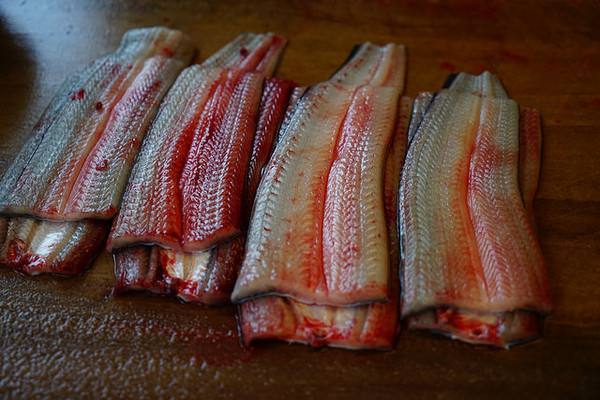
The method of preparing eel differs between the Kanto and Kansai regions. Because samurai in Kanto’s Edo period had a taboo against “seppuku” (ritual suicide), eels in the Kanto region are slit along the back. In Kansai, there’s no such taboo, so they slice along the belly. Honestly, seeing such a bloody process was a bit hard to stomach. But because eel is just... so delicious, I still wanted to eat it (sorry, eel!). I had to tell myself that these eels died for a good cause, transforming into energy for people.
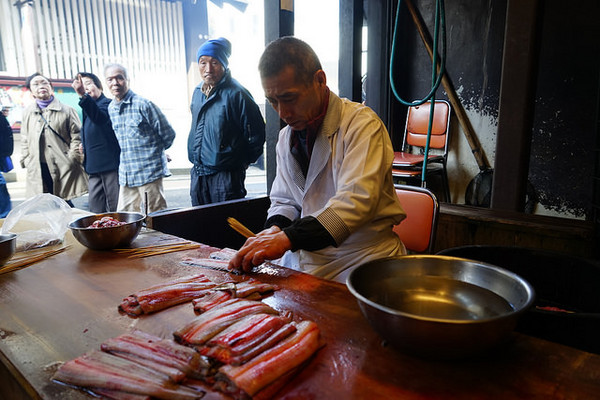
After leaving Kawatoyo, I continued toward Shinshoji Temple, wandering around this amazing place. It’s said to be the most visited temple in all of Japan. Wow!!! Just... incredibly impressive (I’ll introduce it in more detail later). After visiting the temple, I returned to the main street, where the aroma hit me—wow, the scent wafting from Unagi Street was simply mouthwatering. This... truly lived up to its reputation.
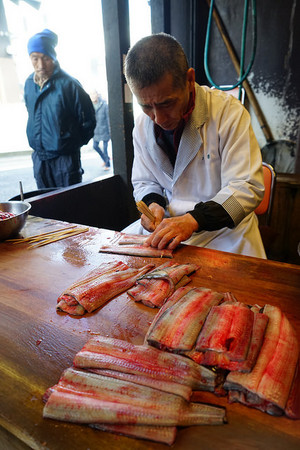
Back at “Kawatoyo,” a line had formed outside the shop. The master chef was still at work, but instead of preparing the eels, he was skewering the pieces of meat onto bamboo sticks in preparation for cooking.
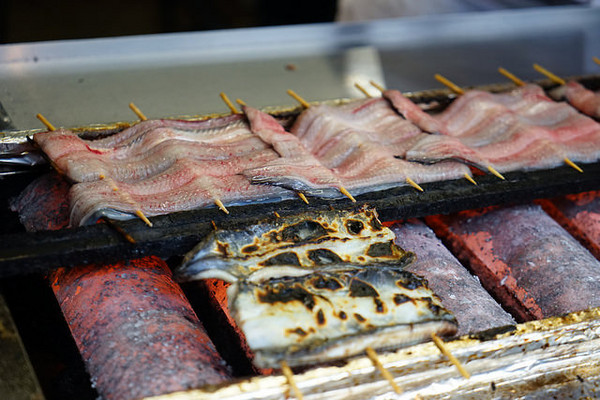
The cooking methods also differ significantly between Kanto and Kansai. In Kanto, the eel is first steamed and then grilled with a secret sauce. In Kansai, it’s grilled directly without steaming. Perhaps due to these different cooking styles, the choice of eel and the resulting texture also vary.
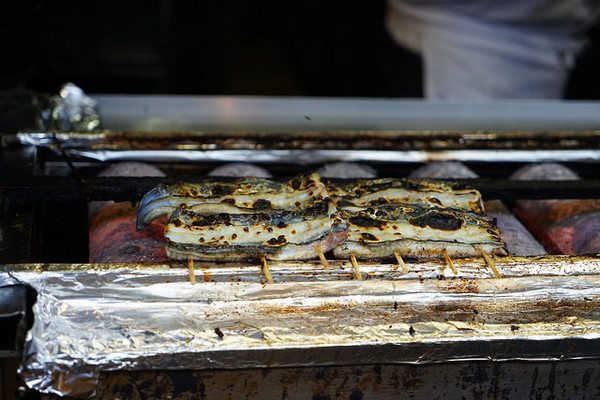
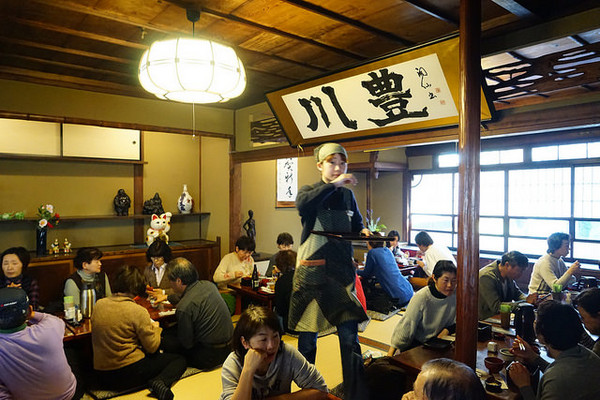
It wasn’t even lunchtime yet, but the first-floor seats were already full. We headed upstairs, and wow—just as crowded.
After looking at the menu and placing our order, we waited eagerly for the unagi don to arrive. Maybe good food is worth the wait.
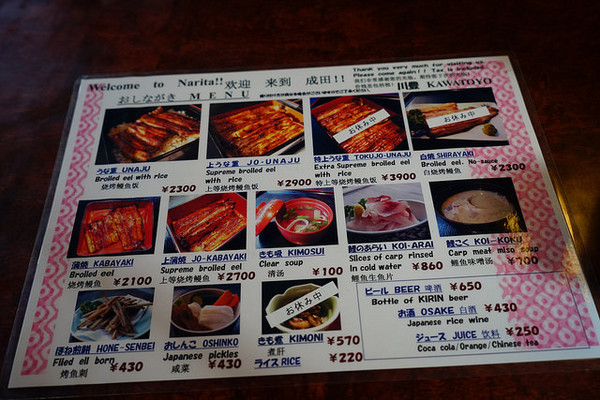
After about twenty minutes, the staff brought out boxes of unagi don.
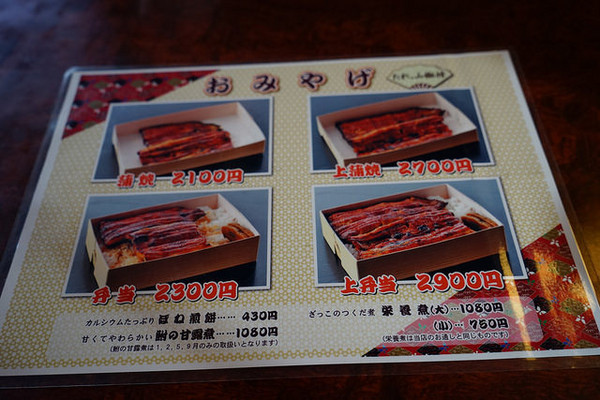
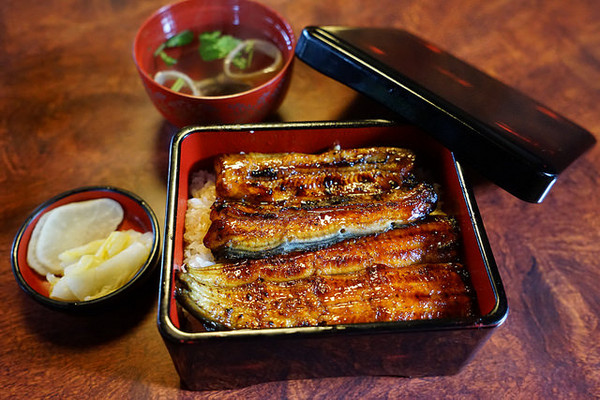
When I opened the lid, the aroma was so intoxicating, it made my mouth water. Taking a closer look at the eel inside the box—oh my goodness!! It was absolutely... irresistible. I quickly took some photos, but I couldn’t wait to dig in while it was still hot.
This... is the eel possibly too delicious? It’s definitely better than any I’ve had in Taiwan!! There was none of that earthy flavor I dislike in the eel—how do they manage that?? I tried a bite of the plain eel, and then added some “sansho pepper.”
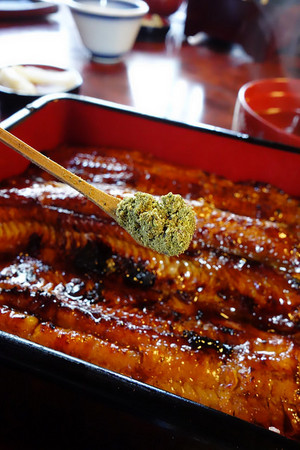
That’s the local way to eat it—eel and sansho pepper are a perfect match. The eel’s richness and seasoning were just right, and the tiny bones had softened enough not to bother your mouth. The sauce complemented both the eel and the rice grains perfectly. Too much would overpower it, too little wouldn’t be enough. This... is definitely among the top three unagi dons I’ve ever had. I think I prefer the Kanto style of preparing eel—it lacks that earthy taste and greasy feel, and it’s just delicious.
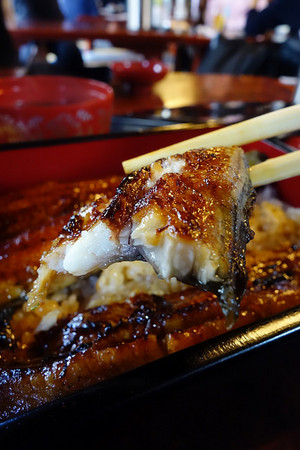
So good I wanted to let out an “mmmm”—my friend said that when she was studying in Tokyo, she used to take the train here just to eat their unagi don. Besides being delicious, it’s also much cheaper than in Tokyo. Hahaha… I don’t know about the price, but the deliciousness is absolute!! With so many eel shops here, I’ll definitely have to come back and try the others for comparison.
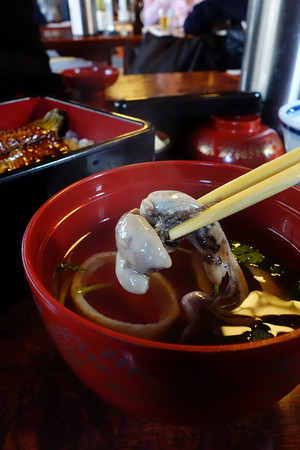
Another dish served was a soup with eel liver. Since I don’t eat innards, I just had the clear broth. The unagi don didn’t feel greasy at all, so the pickles weren’t really necessary, CC~
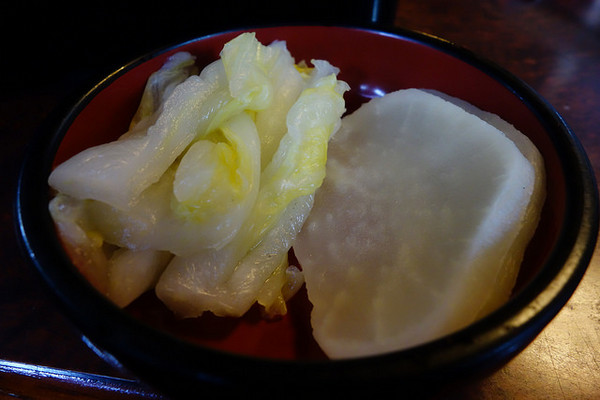
Eel is truly a fish that gets eaten from head to tail. I remember even the main bones can be deep-fried and seasoned into something tasty. Seriously, after eating such fresh and delicious unagi don, there’s no going back—I might never eat unagi don in Taiwan again.
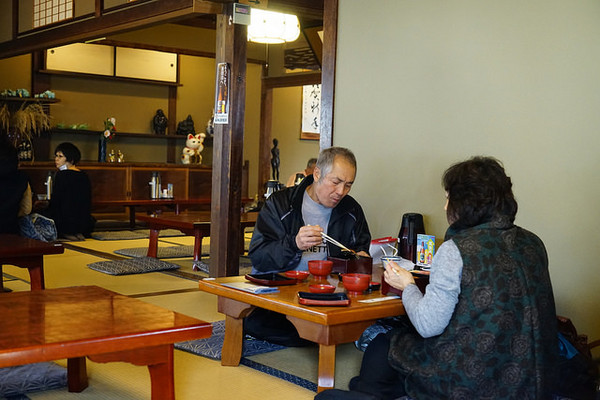
Eel is also rich in high-quality protein and high levels of vitamins A and E, plus it’s full of collagen, offering many health benefits, which is why so many people love it. On “Doyo no Ushi no Hi” (the Day of the Ox during the hottest period of the year), Japanese people traditionally eat eel for its nourishing properties. Next time you visit Japan, don’t miss out on delicious unagi don. And if you’re in Tokyo and craving tasty, affordable unagi don, don’t forget to come to “Naritasan”!
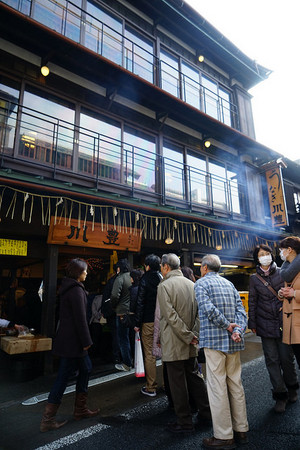
Kawatoyo
Website: http://www.unagi-kawatoyo.com/
Chinese Menu: http://www.unagi-kawatoyo.com/foreign/chinese.html
How to Get There: 7-minute walk from JR Narita Station or 7-minute walk from Keisei Narita Station
Address: 0286-0027 Chiba, Narita, Nakamachi 386, Japan
Phone: 0476-22-2711
Business Hours: 10:00–17:00
*For more information, please see -->Happy Cloud's Travel Blog*
Share
This article is published by HowToTrip. Sharing and reposting are welcome — please credit the source.
Article URL: https://www.howtotrip.net/views-12653
Related Articles
- Shaoxing's "Grandpa Gourd" hangs the gourds back up: "If there are too many people, we'll interact less — just take a quick look from afar"
- Chinese authorities announce "reciprocal adjustment" to Japan visa fees — single-entry visa jumps from 2,250 to 16,750 yen!
- The "health stones" carried by a traveler were found to have radiation levels exceeding safety limits by a thousand times, potentially endangering fellow passengers on the same flight. Customs issues warning!
- Shenzhen Airport Issues Late-Night Notice: Unidentified Aerial Object Detected, Causing Widespread Flight Delays!
- “They only said it cost money after I opened the box and washed it!” 200g of grapes sold for 60 yuan on a high-speed train—12306 responds!
- Can't buy an airline ticket? Denied exit? Blocked from boarding? A large number of Chinese tourists have mysteriously become "discredited individuals"
- Adverse weather and economic fluctuations impact Colombia's coffee market
- Beach bathing area responds to 2 yuan/30 seconds fee for freshwater foot rinsing: Clearly priced!
- Taking off with an improperly closed cabin door? Wing malfunction? Multiple flights made emergency returns mid-journey!
- Experience the gifts of nature! A countdown of the world’s ten most stunning coastlines