Replicas of 36,000-year-old mammoth cave paintings from the Ice Age to open to public in southern France in April
By Rita
What we once read about in history textbooks"prehistoric cave paintings"with their rough yet vivid strokes depicting the lives of ancient people, will now be available for people to see with their own eyes.
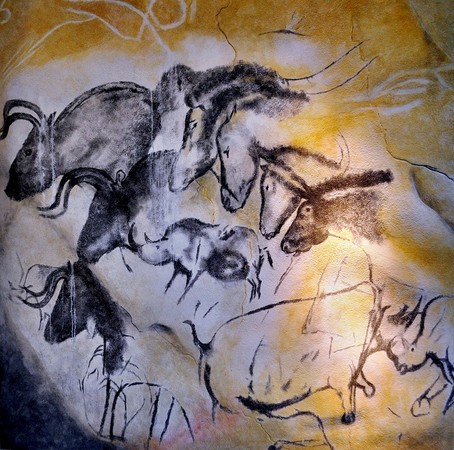
▲ Chauvet Cave (Photo / Wikipedia)
Located in southern France, the Chauvet Cave (French: Grotte Chauvet), renowned for its thousands of prehistoric paintings, has been inscribed as a UNESCO World Heritage Site and is considered "the earliest human relic."
According to the UK's Daily Mail, the French government has not yet opened the original caves to the public due to preservation concerns. However, a simulation replication project of the caves commenced in 2012, about 800 meters from the original site, and is expected to be completed this April, allowing the public to glimpse the lives of prehistoric humans from 36,000 years ago.
The original cave contains five chambers, but in the replicas, designers have deliberately highlighted the most important relics with the primary goal of “education.” These paintings are believed to have been created by Paleolithic humans and include depictions of horses, rhinoceroses, lions, buffaloes, mammoths, and hunters, featuring rare species from the Ice Age, some of which are even extinct.
The project cost a total of $670,000 and utilized 3-D modeling and 6,000 digital images for the replication process. In addition to enjoying the serene natural scenery of southern France, visitors might want to check out this significant historical site.
Share
This article is published by HowToTrip. Sharing and reposting are welcome — please credit the source.
Article URL: https://www.howtotrip.net/views-12421
Related Articles
- Shaoxing's "Grandpa Gourd" hangs the gourds back up: "If there are too many people, we'll interact less — just take a quick look from afar"
- Chinese authorities announce "reciprocal adjustment" to Japan visa fees — single-entry visa jumps from 2,250 to 16,750 yen!
- 旅客携带的“保健石”核辐射超标千倍,同机人员或遭殃!海关提醒!
- 深圳机场深夜通报!出现不明升空物,航班大面积延误!
- “拆盒洗了才说要钱!”高铁200克葡萄卖60元,12306回应!
- 买不了机票?出境被拒?登机被拦?一大波中国游客莫名成了“失信人”
- 不利天气和经济波动影响哥伦比亚咖啡市场
- 海边浴场回应冲脚淡水收费2元/30秒:明码标价!
- 舱门没关好就起飞?机翼出现问题?多个航班途中紧急折返!
- 感受大自然的馈赠!盘点世界十大唯美海岸线