Keyboard Travel Bonanza!Take in 18 World-Class Cultural Heritage Sites in Japan in One Go
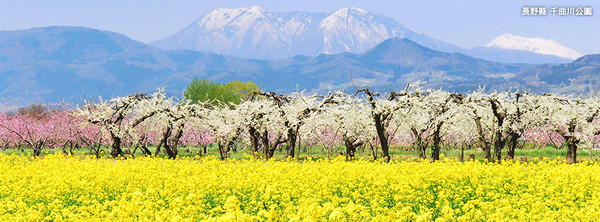
▲ Take in 18 World-Class Japanese Scenic Spots at Once (Photo/Reproduced fromJapan Tourism Campaign VISIT JAPAN)
Travel Center/Comprehensive Report
At the 37th UNESCO World Heritage Committee session, Japan’s “Mount Fuji” (spanning Yamanashi and Shizuoka Prefectures) was officially inscribed on the World Heritage List. Beyond the cityscape of Tokyo, Japan also features other fairy-tale-like attractions. Currently, there are 18 scenic spots in Japan listed as World Heritage Sites. Even if you can't visit Japan to see the real thing in person, just looking at the photos can be incredibly satisfying. Since these are World Heritage Sites, you should seize the opportunity to see them now—otherwise, you might miss out in the future.
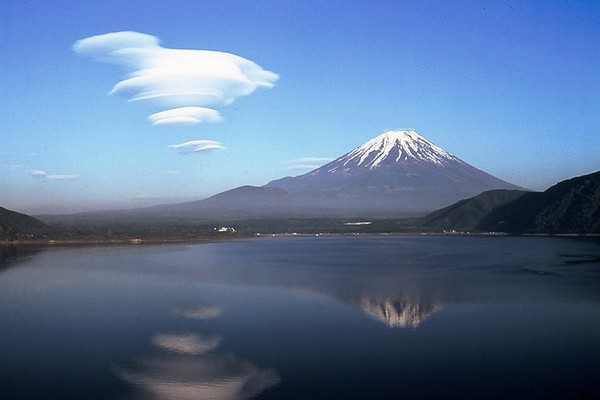
▲ Mount Fuji, Japan (Photo/From the Official Fan Page of Mount Fuji Summit)
1. Mount Fuji
Mount Fuji was included in theWorld Heritage Listin 2013. When people think of Japan, Mount Fuji is usually the first thing that comes to mind—awe-inspiring and mysterious. Visitors can admire its stunning beauty from various angles, whether from Shizuoka or Yamanashi Prefecture. The mountain transforms with the seasons, and you can enjoy views of it from afar, gaze down at the land from its peak, or even take in the sunrise spectacle. The surrounding landscapes centered around Mount Fuji offer breathtaking views. Since ancient times, Mount Fuji has been a symbol and object of faith in Japan, famously depicted in ukiyo-e prints by artists such as Katsushika Hokusai.
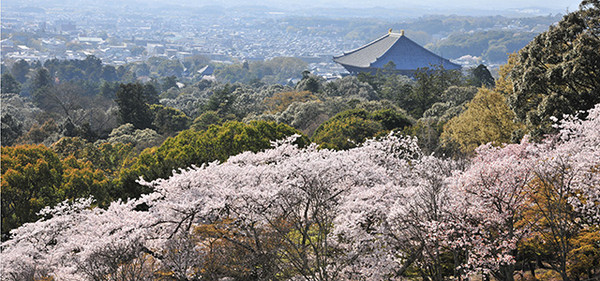
▲ Cherry Blossoms in Nara (Photo/Reproduced from theNara City Tourism AssociationOfficial Website)
2. Historic Nara
Historic Nara was inscribed as a World Heritage Site in 1998. It is a place rich in traditional assets with a deep historical background. The most famous highlights include cherry blossom spots and Nara Park, home to friendly deer.
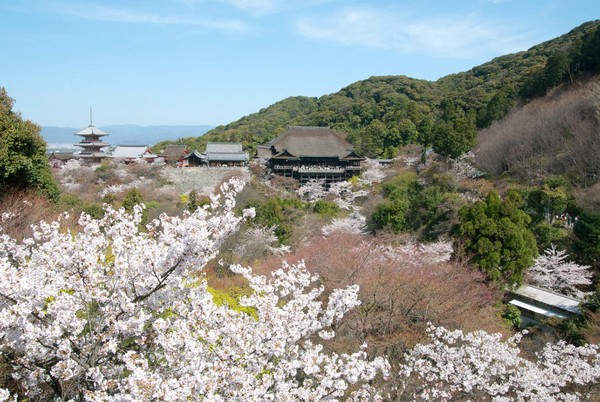
▲ Blooming Cherry Blossoms at Kiyomizu-dera Temple (Photo/From the Official Fan Page of Kiyomizu-dera Temple)
3. Historic Kyoto
The historic cities of Kyoto (including Kyoto, Uji, and Otsu) were designated as a World Heritage Site in 1994. Famous attractions such as Kiyomizu-dera Temple and Yasaka Shrine are popular tourist spots.
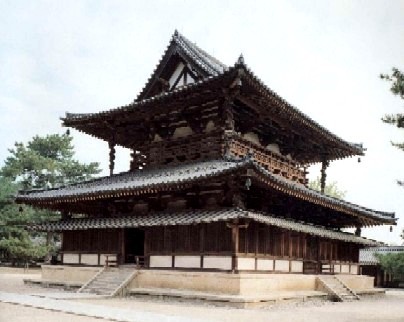
▲ Horyu-ji Temple (Photo/Reproduced from theOfficial Website of Horyu-ji Temple)
4. Horyu-ji Temple
Horyu-ji Temple was added to the World Heritage List in 1993. The renowned Buddhist architecture in this area is a major draw for visitors.
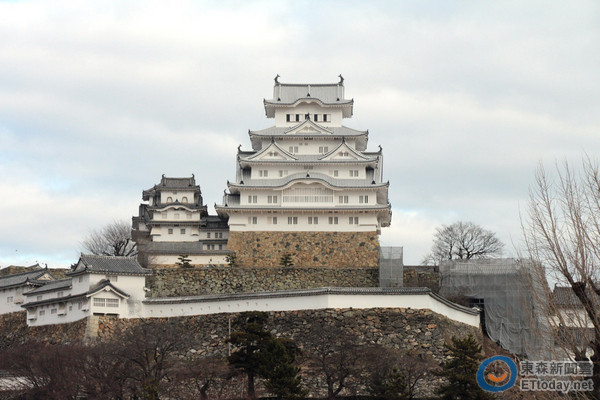
▲ Himeji Castle (Photo/Photographed by Reporter Huang Shiyuan)
5. Himeji Castle
Himeji Castle, known for its white exterior, is also called Shirasagi-jo (White Heron Castle). It is the most well-preserved castle structure in Japan and is both a national treasure designated by the Japanese government and one of the first Japanese sites to be inscribed on the World Heritage List.
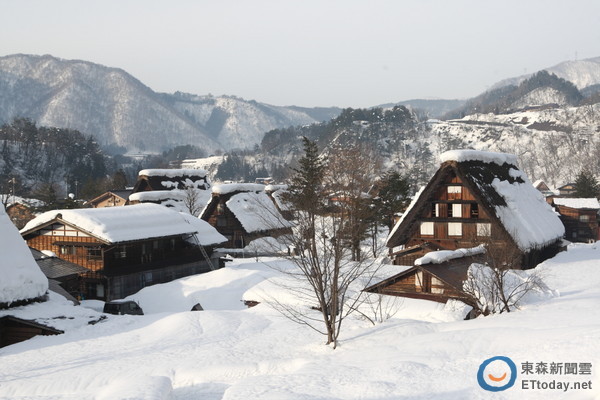
▲ Gassho Village (Photo/Photographed by Reporter Chen Ruizhong)
6. Gassho Village
One of the most famous gassho villages, this nostalgic rural-style landscape village consists of a total of five settlements. Before gaining popularity, it was a very quiet hidden gem. There are over 20 inns and specialty shops here, representing highly significant cultural heritage. The name "gassho village" mainly comes from the fact that the buildings resemble hands placed together in prayer. Such thatched gable-roof architecture is quite rare in Japan. Due to the valley terrain, residents designed their wooden roofs at a 60-degree angle as early as 300 years ago, primarily to block cold winds and also to allow high snow accumulation to slide off naturally. The main area is roughly located in Shirakawa Village (Shirakawa-go), Ono District, Gifu Prefecture, and Hirano Village and Kamihirano Village, East Tone District, Toyama Prefecture (also known as the Five Villages). Because these areas were difficult to access and isolated from outside transportation, it was also where locals sought peace and tranquility.
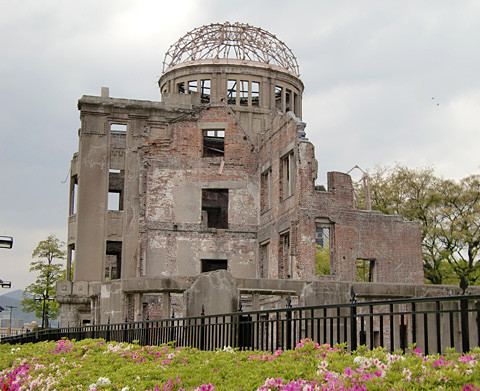
▲Hiroshima Peace Memorial – Atomic Bomb Dome (Photo / Courtesy of Japan Travel Campaign)
7. Hiroshima Peace Memorial
The Hiroshima Peace Memorial is actually the ruins of a building. The roof features a semi-circular steel frame structure. After the atomic bombing during World War II, the citizens of Hiroshima began calling this building the "Atomic Bomb Dome." It was originally the Hiroshima Prefectural Products Exhibition Hall, and by the time of the bombing, it had been renamed the Hiroshima Prefectural Industrial Promotion Hall. After being hit by the atomic bomb, due to the central dome’s steel frame, along with the outer walls and structural framework, the building ended up looking as it does today. After several years of restoration, this ruin was preserved and was designated as a UNESCO World Heritage Site in December 1996.
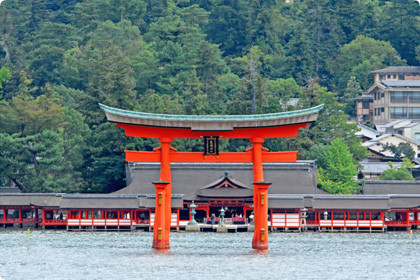
▲Itsukushima Shrine (Photo / Courtesy ofMiyajima Tourism Association)
8. Itsukushima Shrine
Located on an island within Hiroshima Prefecture, this shrine has a history of over 1,400 years and has been designated as a National Treasure by the Japanese government. The shrine primarily enshrines the Three Goddesses of Munakata: Ichikishima-hime, Tagitsu-hime, and Tagori-hime. These three deities are regarded as gods of the sea, transportation, wealth, and craftsmanship. The entire shrine is designed in vermilion red and is situated between mountains and sea, offering visitors the pleasure of enjoying the blue ocean and breathing in the phytoncides from the primeval forest of Mount Misen.
▲Nikkō Shrines (Photo / Courtesy ofJapan National Tourism OrganizationWebsite)
9. Nikkō Shrines
The Nikkō Shrines mainly consist of Tōshō-gū, Futarasan Shrine, Rinnō-ji, and one temple, along with other nearby historical sites. The famous "Yōmei-mon" gate, with its exquisite carvings, is one of the must-visit attractions drawing many tourists.
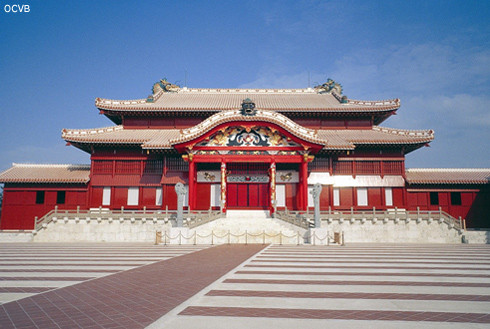
▲Ryukyu Kingdom (Photo / Courtesy of Japan Travel Campaign)
10. Ryukyu Kingdom
Ryukyu is a special place with a blend of various cultural influences. Just the Ryukyu Islands alone showcase a fusion of Chinese, Korean, and Japanese cultures, which gives the islands a uniquely diverse charm. The area mainly encompasses the islands, including the Okinawa archipelago. The Ryukyu Kingdom symbolizes an independent cultural and religious identity, with around nine heritage sites. The kingdom's location offers views overlooking all of Naha City, and heritage site locations can be found throughout the island, inviting travelers to come explore.
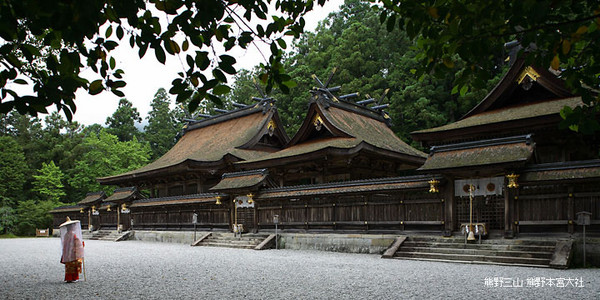
▲Sacred Sites and Pilgrimage Routes in the Kii Mountain Range (Photo / Courtesy ofKii Mountain Range Pilgrimage RoutesOfficial Website)
11. Kii Mountain Range
The Kii Mountain Range spans Wakayama, Nara, and Mie prefectures, and is a favored destination for practitioners of spiritual disciplines. Areas such as Yoshino, Mount Omine, Kumano Hongu Taisha, and the Kumano region are sacred pilgrimage spots for those on spiritual journeys. Japan developed Shintoism, which blended with Buddhism from China, and spiritual seekers visit these sites to walk the pilgrimage routes. The atmosphere resembles pristine mountain forests, making it highly revered among practitioners.
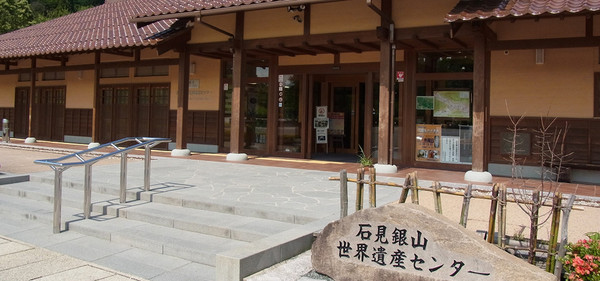
▲Iwami Ginzan Silver Mine (Photo / Courtesy ofIwami Ginzan Official Website)
12. Iwami Ginzan Silver Mine
As the name suggests, Iwami Ginzan is a silver mine — a historic town with a 400-year legacy, preserved without disrupting nature, and once a high-yield silver mining site. Heritage sites include: Ryūgenji Mabu, the Kumagai Family Residence, Iwami Ginzan Silver Mine Streets, the Omori Ginzan Important Traditional Structures Preservation District, Rakan-ji and Yunotsu Important Traditional Structures Preservation District, and Okidomari Port. There are also hot springs nearby, allowing visitors to relax and soothe their fatigue after exploring the area.
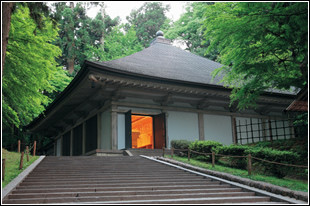
▲Hiraizumi Temples, Gardens and Archaeological Sites Representing the Buddhist Pure Land.(Photo / Courtesy ofPingquan Sightseeing Association)
13. Pingquan Buddhist Temple
Pingquan is primarily known for its Buddhist architecture, with major historical sites including: Zhongzong Temple, Maoyue Temple, Guanzizaiwangyuan Site, Wuliangliangguangyuan Site, and Golden Rooster Mountain. Most of these are temples and monasteries that blend Chinese Buddhism with Japan’s native Shinto spirituality. For example, within the Guanzizaiwangyuan Site, there are both the Great Amida Hall and the Small Amida Hall. Visitors who love Buddhist culture should definitely make a trip here.
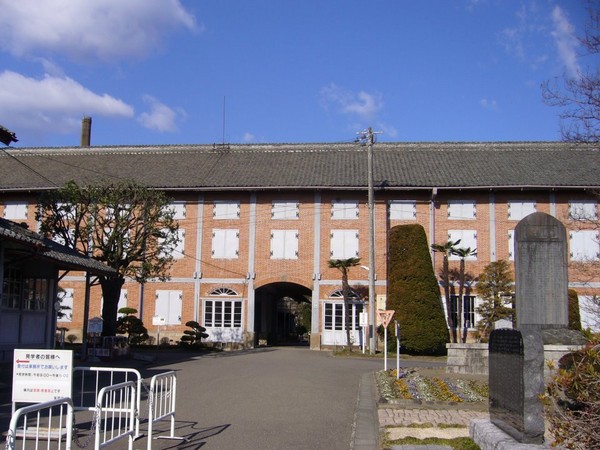
▲ The Tomioka Silk Mill and Related Industrial Heritage was inscribed as a UNESCO World Heritage Site in 2014. (Photo / from the Tomioka Silk Mill official fan page)
14. Tomioka Silk Mill
Located in the southwest of Gunma Prefecture, the Tomioka Silk Mill in the city is one of the UNESCO World Heritage Sites and also Japan’s first modern factory. When visiting Gunma Prefecture, in addition to seeing the Tomioka Silk Mill, don’t miss nearby attractions such as the Gunma Safari Park, where you can see extremely rare white tigers and have up-close encounters with wildlife—an extraordinary experience.
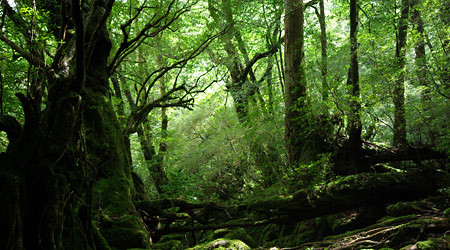
▲ Yakushima (Photo / from the Japan National Tourism Organization)
15. Yakushima
Located on the island of Kyushu in Kagoshima Prefecture, Yakushima experiences abundant rainfall nearly 360 days a year, fostering rich biodiversity, including thousand-year-old Yakusugi cedar trees and pristine forests. Its highest peak is Miyanoura-dake, also known as the “Alps of the Sea.” Other attractions include the Ogawa Falls, Senpiro Falls, and Shiratani Unsuikyo Valley, the latter being the inspiration for the forest scenes in Studio Ghibli’s movie Princess Mononoke—offering an almost magical forest experience.
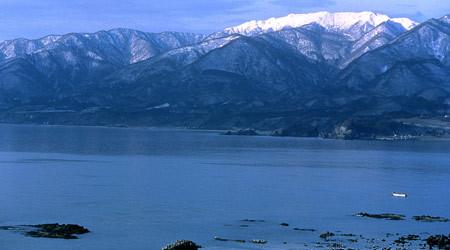
▲ Shirakami-Sanchi (Photo / from the Japan National Tourism Organization)
16. Shirakami-Sanchi
Shirakami-Sanchi is a vast expanse of pristine natural forest spanning the southwestern part of Aomori Prefecture and the northwestern part of Akita Prefecture in Japan. It includes a beech tree primeval forest that remains entirely undeveloped. The area features the famous Twelve Lakes, consisting of 12 marshes, offering a natural sanctuary to enjoy the forest’s phytoncides. Key scenic spots include: Aoike (Blue Pond), Yachidaira, Midorigaoka Observation Deck, and Anmon no Taki Waterfalls. The forest changes with the seasons, showcasing various landscapes.
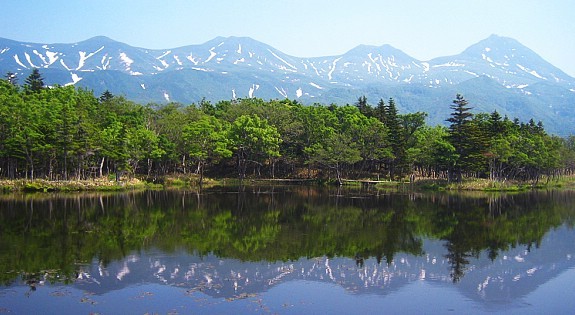
▲ Shiretoko National Park (Photo / fromJapan Guide)
17. Shiretoko National Park
Shiretoko is a national park, which means “end of the earth” in the Ainu language. Located in the northeastern part of Hokkaido, Japan, the Shiretoko Peninsula remains a largely undeveloped wilderness and is considered “Japan’s last unexplored frontier.” From January to March each year, visitors can come here to see drift ice.
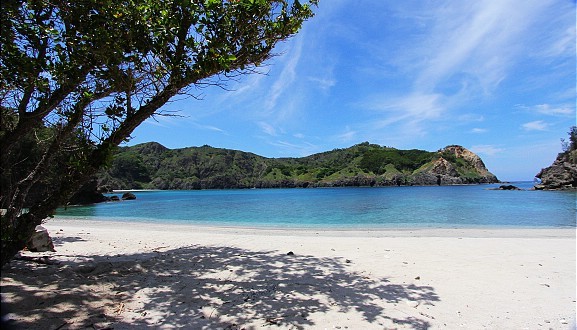
▲ Ogasawara Islands (Photo / from Japan Guide)
18. Ogasawara Islands
The Ogasawara Islands are a volcanic archipelago and were inscribed as a UNESCO World Natural Heritage Site in 2011. Located in the Pacific Ocean, the islands include Chichijima and Hahajima, along with about 30 other uninhabited islands. There is no airport here; boats are the only means of transportation. Planning a week-long vacation here is wonderful, and for travelers seeking an isolated, nature-filled escape, the Ogasawara Islands are the top choice.
Share
This article is published by HowToTrip. Sharing and reposting are welcome — please credit the source.
Article URL: https://www.howtotrip.net/views-12334
Related Articles
- Shaoxing's "Grandpa Gourd" hangs the gourds back up: "If there are too many people, we'll interact less — just take a quick look from afar"
- Chinese authorities announce "reciprocal adjustment" to Japan visa fees — single-entry visa jumps from 2,250 to 16,750 yen!
- The "health stones" carried by a traveler were found to have radiation levels exceeding safety limits by a thousand times, potentially endangering fellow passengers on the same flight. Customs issues warning!
- Shenzhen Airport Issues Late-Night Notice: Unidentified Aerial Object Detected, Causing Widespread Flight Delays!
- “They only said it cost money after I opened the box and washed it!” 200g of grapes sold for 60 yuan on a high-speed train—12306 responds!
- Can't buy an airline ticket? Denied exit? Blocked from boarding? A large number of Chinese tourists have mysteriously become "discredited individuals"
- Adverse weather and economic fluctuations impact Colombia's coffee market
- Beach bathing area responds to 2 yuan/30 seconds fee for freshwater foot rinsing: Clearly priced!
- Taking off with an improperly closed cabin door? Wing malfunction? Multiple flights made emergency returns mid-journey!
- Experience the gifts of nature! A countdown of the world’s ten most stunning coastlines