Unforgettable Stay: A Japanese-Style Nostalgic Ryokan with Kaiseki Cuisine That Delights the Eyes and Palate
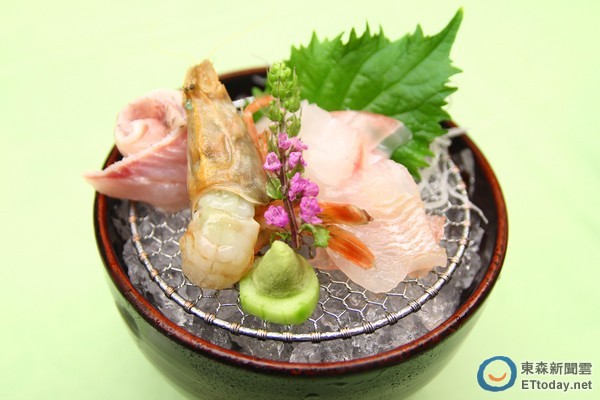
▲ Fresh ingredients paired with lacquerware create a feast for both the eyes and the palate. (Photo / Reporter Li Wei)
Reported by Reporter Li Wei / From Japan
Wajima City in Ishikawa Prefecture, Japan—the hometown of Go Nagai, creator of *Mazinger Z*—is a place filled with traditional architecture and natural scenery. The beautiful landscape alone is enough to soothe the soul, but what’s even better is that this area is also known for its hot springs. Soaking in one for just 30 minutes on a chilly day not only relieves stress and fatigue but also leaves your skin smooth and soft. And in Wajima, there’s a...Noto no Shouryokan that offers both indoor and open-air baths. The indoor bath features a classic Japanese architectural design that exudes an old-world charm. The entire space is covered in tatami mats, paired with dark wooden materials and white paper shoji doors, creating a nostalgic ambiance. Even the kaiseki cuisine here is incredibly refined, leaving a lasting impression after just one meal.
The kaiseki at Noto no Shou uses fresh ingredients to craft a variety of delicate dishes. Through a combination of pickled appetizers and natural flavors, it offers new taste experiences. One dish, in particular, separates different types of seaweed, strings them together, and briefly blanches them in a miso hot pot before serving. With one bite, you get the sweet umami of the sea along with the unique slimy gelatinous texture of the seaweed. Though kaiseki is known for its elegance and refinement, what sets this place apart is its use of Wajima’s most iconic “lacquerware.” Every time you lift a soup bowl or are presented with a new dish, not only is the taste astonishing, but the visual experience becomes part of an artistic enjoyment.
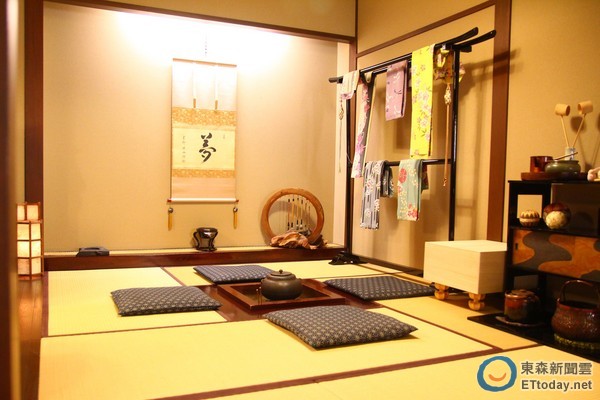
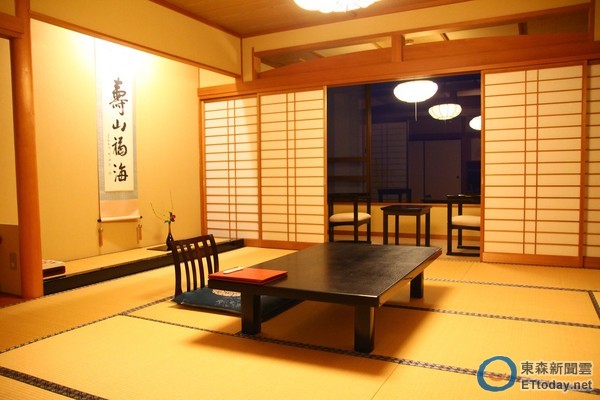
▲ The floor of “Noto no Shou” is fully covered in tatami mats, complemented by paper doors and wooden structures, showcasing a Japanese nostalgic style. As soon as you enter the room, you’ll notice large windows. On sunny days, looking outside, you can gaze at the beautiful Sea of Japan. (Photo / Reporter Li Wei)
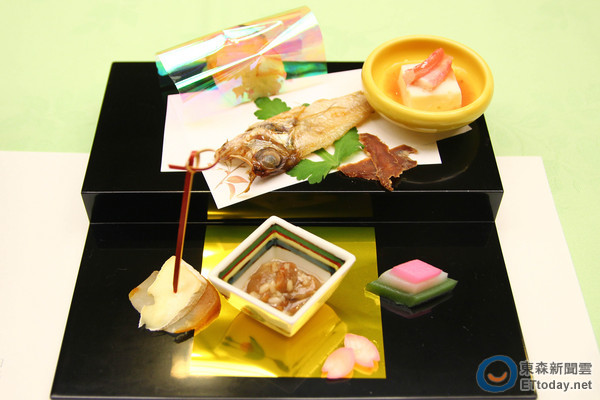
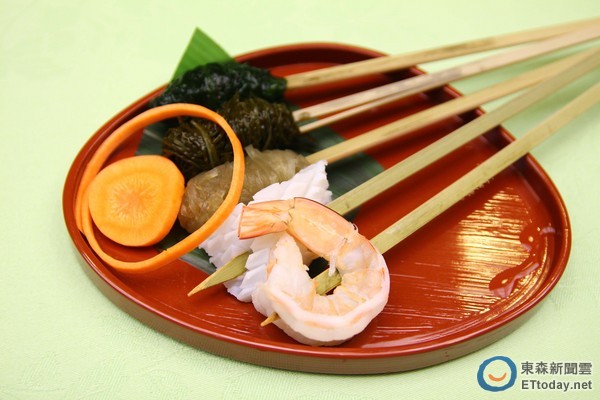
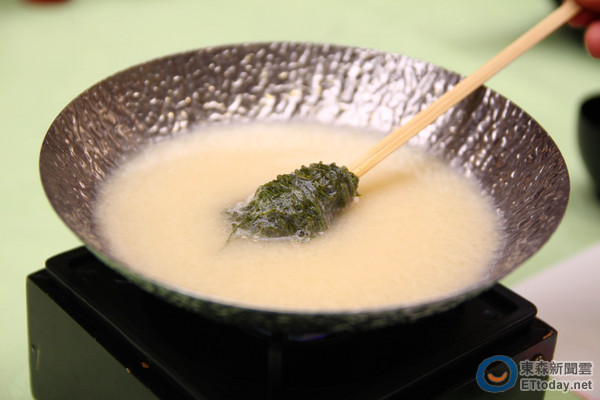
▲ Seaweed skewers are briefly blanched in a miso hot pot before being served, offering a deliciously fresh taste. (Photo / Reporter Li Wei)
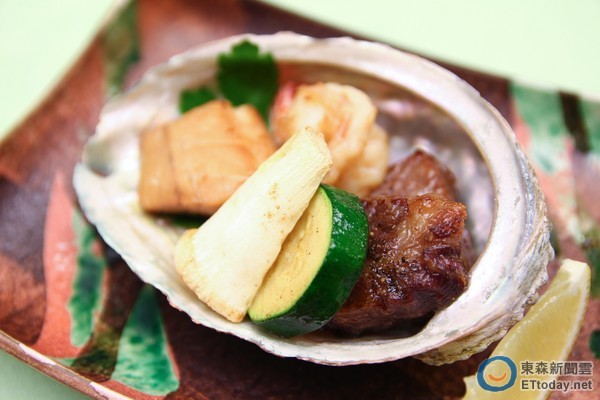
▲ Tender Japanese wagyu beef paired with refreshing vegetables. (Photo / Reporter Li Wei)
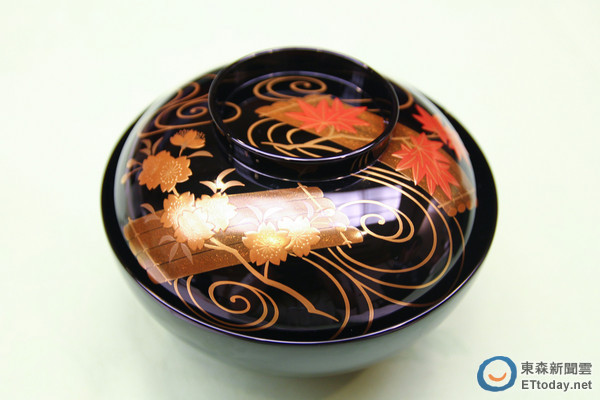
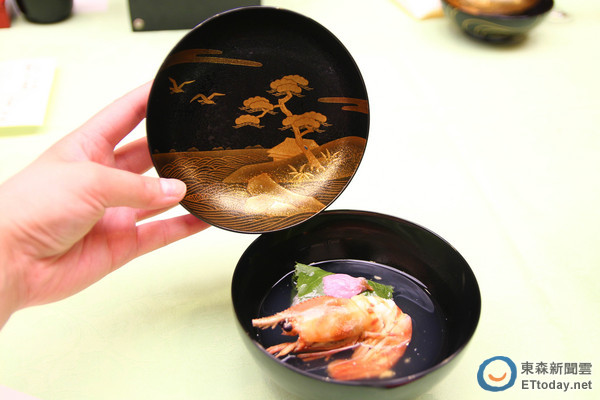
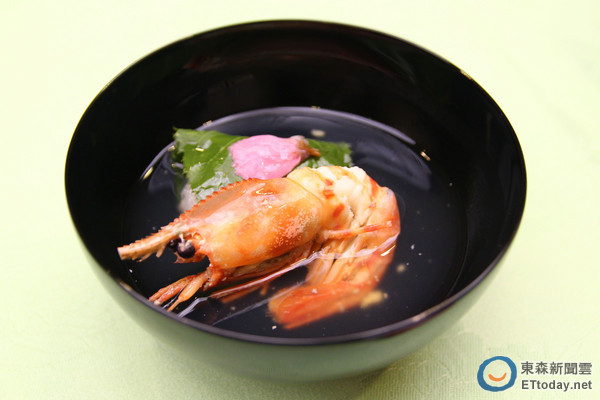
▲ Every dish is served in lacquerware, which not only feels premium to hold but also surprises you with its beautifully painted designs when opened. This dish features elastic and tender shrimp, accented with pickled cherry blossoms that are delightfully crisp and showcase the chef’s meticulous attention to detail. (Photo / Reporter Li Wei)
At first glance, Wajima lacquerware may not seem particularly special—resembling finely made bowls and plates. However, once you hold it in your hand, you’ll notice its smoothness resembling glass combined with a warm texture. It feels incredibly comfortable to touch, and its delicate luster, along with its intricate designs, adds an air of elegance. Moreover, it’s lightweight and thin, so even when holding hot food, it doesn’t get uncomfortably hot. In reality, every piece of lacquerware requires over 100 processes before completion, with 90% done by hand—machines can’t replace the craftsmanship. Just one rice bowl takes two months to make, and the lacquer used is derived from trees cultivated for 15 years, with the lacquer harvested only once a year after maturation. This highlights how precious it truly is.
The process of making lacquerware is generally divided into three parts: First, the wooden base, where a carpenter selects good wood and cuts it into shape; second, the lacquering process, where lacquer artisans apply base coats to the shaped vessel, polishing it repeatedly to create a smooth surface before applying the final “topcoat”; third, decoration, where patterns are drawn on the finished plain lacquerware using the “makie” technique—painting designs with lacquer and then sprinkling gold or silver powder—or the “chinkin” technique, where patterns are carved into the lacquer with a special tool and then filled with gold or silver powder.
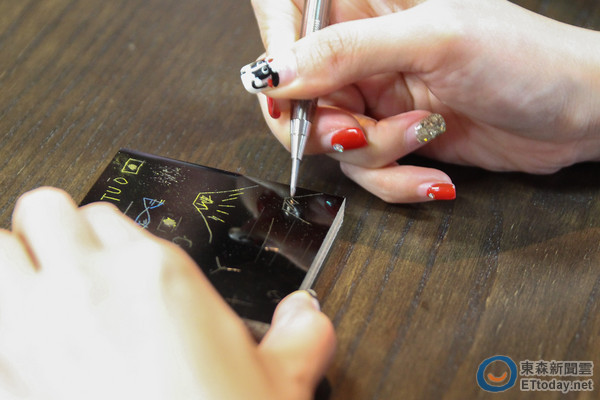
▲ Trying out the carving feel on a sample board for lacquerware. (Photo / Reporter Li Wei)
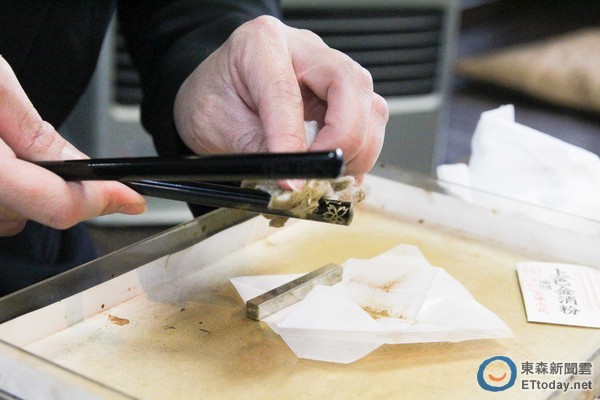
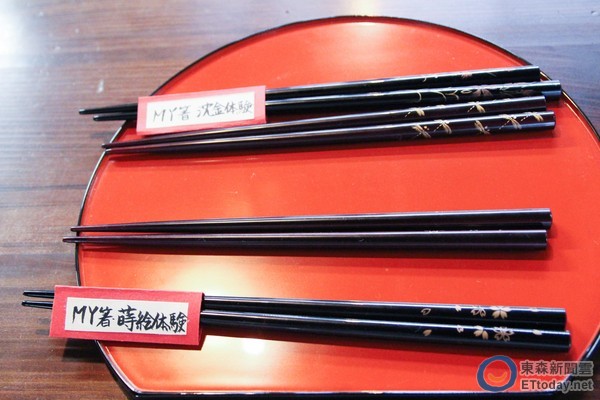
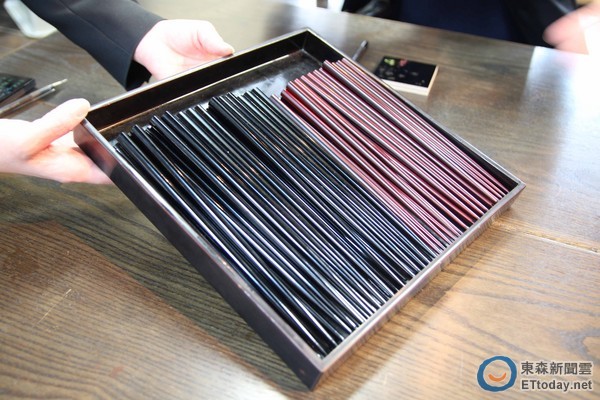
▲ Actually trying the “chinkin” technique on lacquered chopsticks shows just how difficult drawing patterns is. Without sufficient hand strength and skill, it’s hard to create beautiful designs. Chopstick chinkin experience: 1500 yen (about NT$390), chopstick makie experience: 1700 yen (about NT$442).(Photo / Reporter Li Wei)
Among the steps of lacquerware production, the “makie” technique used for final pattern painting is the most time-consuming, while “chinkin” is the most challenging when it comes to rendering sleek, flowing patterns. In Wajima, there’s a place called the Wajima Workshop Longhouse where you can try your hand at designing high-difficulty lacquered chopsticks. You start by selecting pre-shaped plain chopsticks, then draw your desired patterns on them with a needle tip, and finally coat them with gold powder. After waiting two days for the gold powder to dry and adhere, your unique lacquered chopsticks are complete.
The origin of Wajima lacquer art is the “Togushi no Ie” (Lacquer Artisans’ Houses). Located at a harbor transportation hub that absorbed many foreign cultures, over 100 years ago, it was home to the “lacquer artisans” who made lacquerware. The interior layout of these homes integrated living and working spaces, aiming to enrich the spirit through daily life to inspire better work and produce higher-quality lacquerware. In the early stages of the lacquerware industry, it operated similarly to direct sales—lacquer artisans went door-to-door to promote and sell their goods, gradually leading to its growth. As a result, lacquerware was mostly created for everyday use to suit the needs of residents at the time. Over time, cultural heritage evolved to include various types of items, even becoming home decor or ornaments.
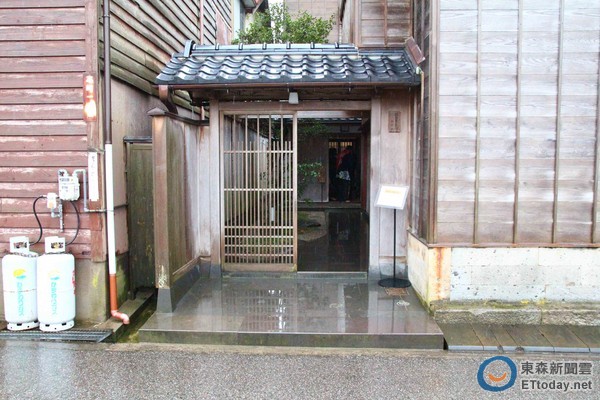
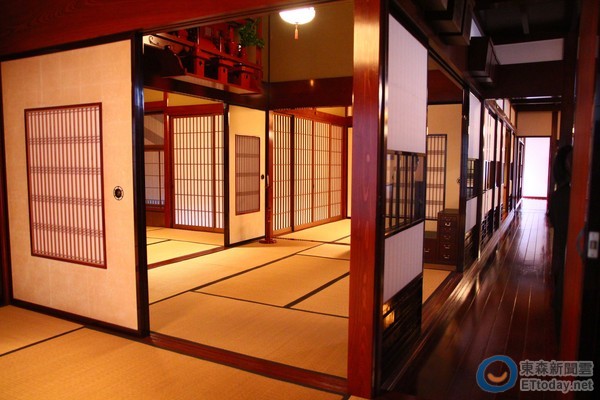
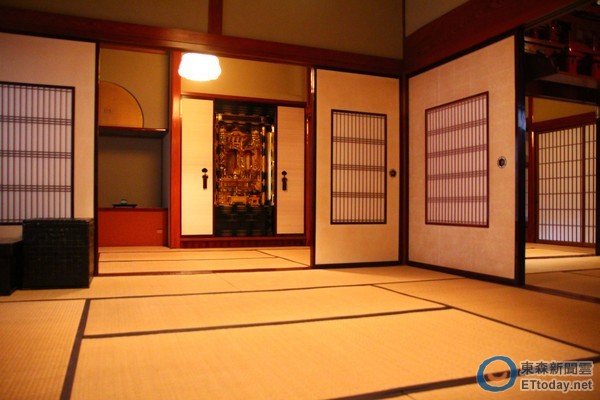
▲ The Togushi no Ie combines living and working spaces. (Photo / Reporter Li Wei)
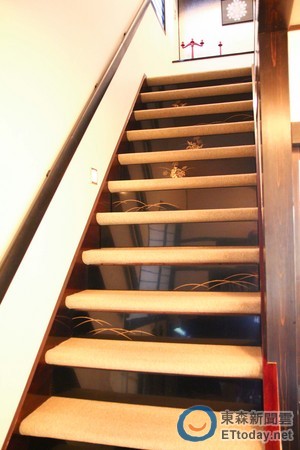
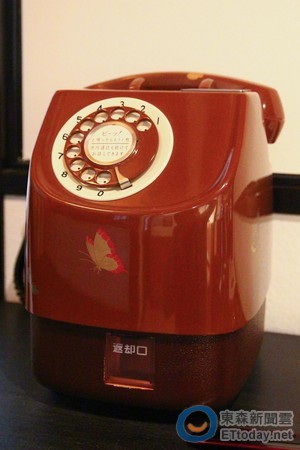
▲ Even the stairs are crafted as lacquer art. (Photo / Reporter Li Wei)
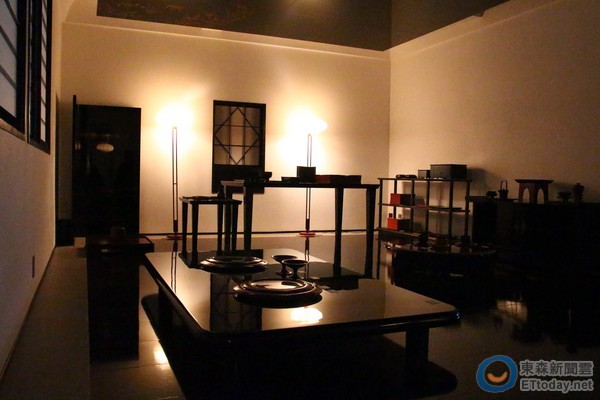
▲ Under the lighting, the understated beauty of lacquer art becomes even more apparent. (Photo / Reporter Li Wei)
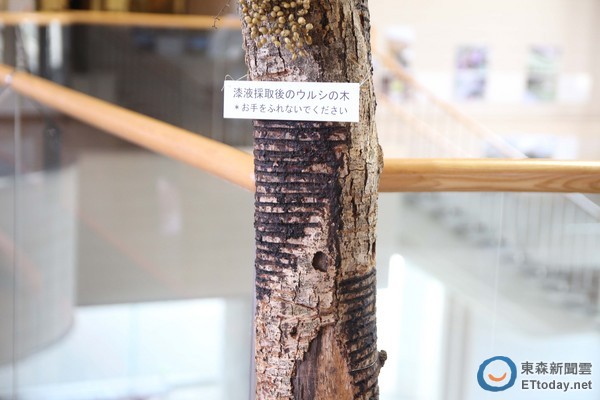
▲ Trees need 15 years to grow and one year to produce lacquer. (Photo / Reporter Li Wei)
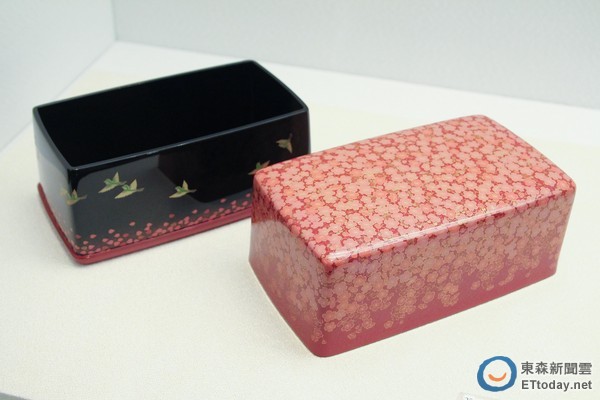
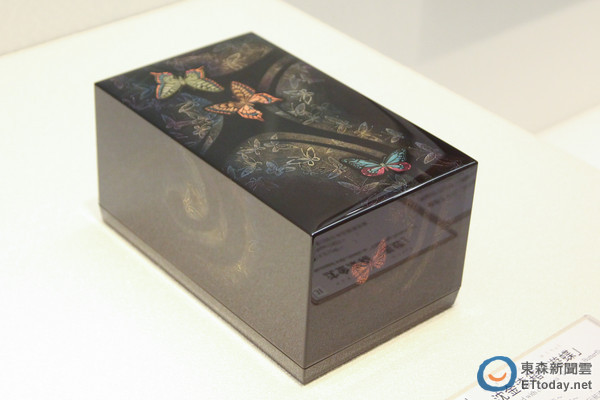
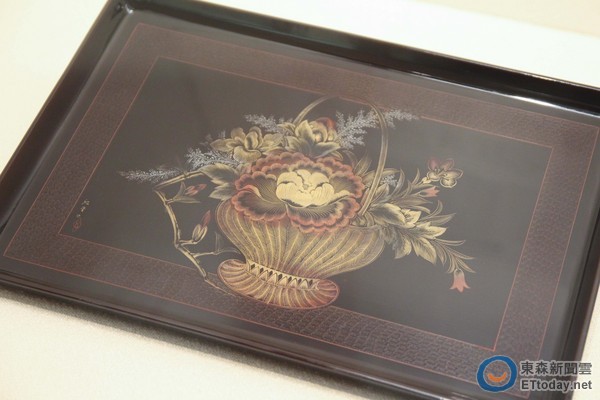
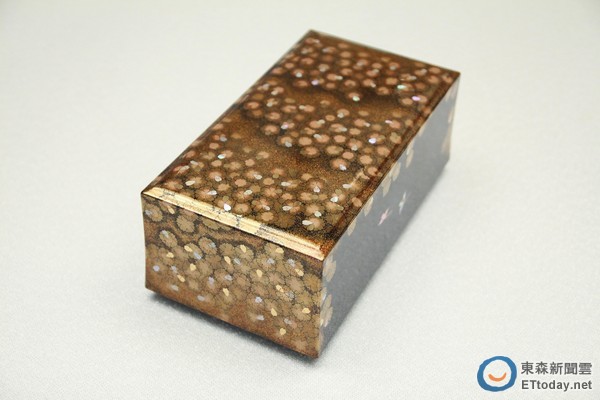
▲ At Wajima’s Lacquer Art Museum, many nationally treasured lacquer artworks are displayed. In addition to basic makie and chinkin techniques, some works also incorporate eggshell inlay, mother-of-pearl inlay, and colored lacquer for decoration. The level of luxury and intricacy is truly breathtaking. (Photo / Reporter Li Wei)
Share
This article is published by HowToTrip. Sharing and reposting are welcome — please credit the source.
Article URL: https://www.howtotrip.net/views-12333
Related Articles
- Shaoxing's "Grandpa Gourd" hangs the gourds back up: "If there are too many people, we'll interact less — just take a quick look from afar"
- Chinese authorities announce "reciprocal adjustment" to Japan visa fees — single-entry visa jumps from 2,250 to 16,750 yen!
- 旅客携带的“保健石”核辐射超标千倍,同机人员或遭殃!海关提醒!
- 深圳机场深夜通报!出现不明升空物,航班大面积延误!
- “拆盒洗了才说要钱!”高铁200克葡萄卖60元,12306回应!
- 买不了机票?出境被拒?登机被拦?一大波中国游客莫名成了“失信人”
- 不利天气和经济波动影响哥伦比亚咖啡市场
- 海边浴场回应冲脚淡水收费2元/30秒:明码标价!
- 舱门没关好就起飞?机翼出现问题?多个航班途中紧急折返!
- 感受大自然的馈赠!盘点世界十大唯美海岸线