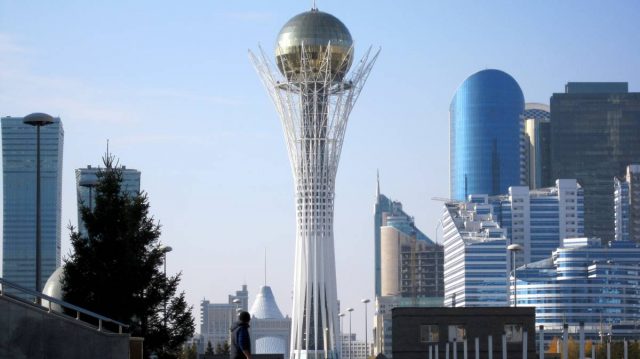
After last Sunday’s storytelling session about dark encounters, some new online acquaintances expressed interest in whether Central Asia is safe to travel to, with several even wanting to know more details about my previous unsettling experience in Astana, Kazakhstan. This time, I’ve compiled my personal travel experiences in Central Asia to help readers mentally prepare before visiting.
In recent years, Central Asia has gradually become a hotspot for adventure travelers. Traveling in Central Asia is much easier than before, thanks to a decade of continuous tourism development and the improved connectivity of transportation networks across the region.
Based on my own experiences and those of other backpackers who have traveled in Central Asia, everyone tends to encounter various issues—pickpocketing, border officials demanding tips during entry/exit, being followed by strangers, or police soliciting bribes. So, is there really a safety risk when traveling in Central Asia?

What are some basic precautions??
- Be aware of pickpockets in crowded markets or bus stations. ;
- Aside from pickpockets, police are another group you need to be especially cautious of when traveling in Central Asia. ;
- Make sure your documents are in order—such as visas, permits, registration certificates (if staying in Kazakhstan for more than5days), and a list of countries for which your passport allows visa-free entry. ;
- Avoid taking taxis with more than one person in the car at night.
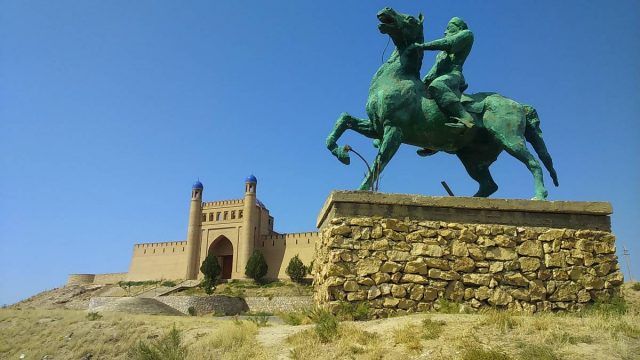
Safety and Crime?
From my personal experience, crime rates in rural areas are negligible compared to the capital. Locals still maintain traditional customs and culture, and tourists’ clothing often makes them stand out.
If you unfortunately encounter theft during your trip, contactingmilitsia(the police) may not yield any help. First, language barriers can prevent them from assisting, and second, many situations are resolved only through bribery. If you wish to file an insurance claim for a stolen item and need an official report((a police statement),)it is advisable to contact your nearest embassy to obtain an English version.
If your passport is stolen, you must immediately contact the nearest embassy (which could be in a neighboring republic or even Moscow). Having a photocopy of your passport to verify your identity will be very helpful. Local police should provide a letter to OVIR, which is crucial for visa replacement.
When passengers take taxis((taxis),)drivers may demand extra payment midway. Be firm in saying no orCALL POLICE, which can often make them back down.
It’s recommended that you have a localSIMSIM card handy so you can contact the police immediately if problems arise, and also prepare the phone number of the embassy for the area you’re in.
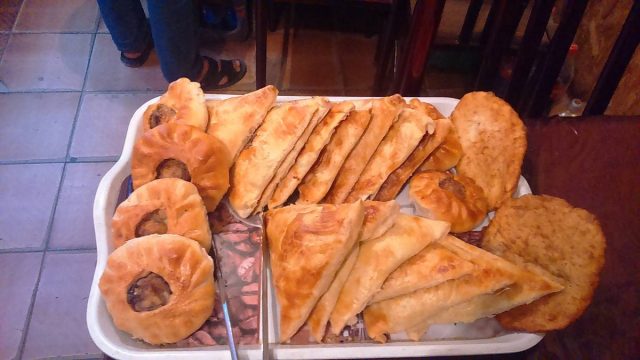
He pointed a kitchen knife at me and said: “Let’s be friends.”!
Once, at a restaurant in Astana, Kazakhstan, I encountered a man who looked like Aaron Kwok.He wasinitiallyvery enthusiastic, constantly asking me questions, butit annoyed me,so I didn’t bother to answer him seriously. Judging by his appearance, he must have been drunk,and was speaking incoherently.Later, he followed me into the restroom and tried to pry the door open with an iron rod. He claimed to be a police officer and said he was there to help me leave this dangerous restaurant. Then, inside the restaurant, he kept insisting that he was a good person, so he picked up a dining knife and said he wanted to be friends with me. In the end, the restaurant owner and customers came out and subdued him, but not before he wounded them with the knife. There was also a travel blogger who was punched in the face for no reason while on a bus in Almaty.
Additionally, although most Kyrgyz people are Muslim, there are still quite a few who drink heavily. If you encounter “drunkards” who keep harassing passersby in Kyrgyzstan, avoid eye contact and just ignore them.
However, not everyone in Central Asia is inherently bad—there were actually many kind people and good deeds during my trip. As long as you stay vigilant, you’ll be fine. If you’re traveling with a larger group, it can help reduce the chances of being affected by such incidents.
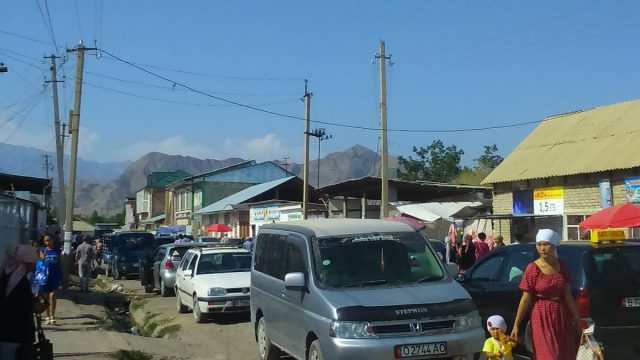

Do corrupt police exist?
In recent years, the number of corrupt officials has dropped significantly, and most backpackers travel across Central Asia without any issues involving local police.
I’ve heard that suchpolice exist in Uzbekistan (especially around the Tashkentmetrostations), followed byKyrgyzstan and Tajikistanatmunicipal and provincial borderofpolice checkpoints.From my personal experience, in the capital of Kyrgyzstan,Bishkek, police have been known to check tourists’ passports and conduct body searches.Old BazaarAt that time,when they approached me and asked to see my passport, they used the excuse of searching my wallet for drugs, but the moment they saw the cash inside, they stole it on the spot, then said to me, "I’m so sorry, you are a tourist, Kazakhstan/Kyrgyzstan is great, bla bla bla," and in the end, several rubles and Mongolian tugriks from my wallet were stolen.I once took a train from Astana, the capital of Kazakhstan, to Almaty, and when the train stopped at an intermediate station, I took out my camera to take a photo. Then, three police officers approached me. They said a bunch of Russian that I couldn’t understand, and then they said
Once, when I was taking a train from Astana, the capital of Kazakhstan, to Almaty, the train stopped at an intermediate station. I picked up my camera to take a photo, and then three police officers came up to me. They said a bunch of Russian that I couldn’t understand, and then they said: Passport! Passport! Afterwards, an English-speaking passenger on the train came up to inquire. After arguing with the three policemen for a while, he said I had to pay a fine for smoking. I said I hadn’t smoked and asked if there was a misunderstanding. Then the three policemen claimed they needed to check my bag and the photos in my camera, and then told the English-speaking passenger that a fine was necessary. So I firmly said I had no money and needed to contact my consulate to handle the matter.! Hearing this, the three policemen suddenly blurted out this line in English.: its ok, we are friend, just pay money is ok!! In the end, they took2000Dengga(— which is Hong Kong dollars —40yuan)and quickly ran off.
Besides that,inCentral Asia,when taking long-distance taxis anywhere, you might see your driver payingmoney to traffic police holdingorange batons.This is a very common occurrence.。When entering the Russian border from Kazakhstan, I also experienced passengers pooling money with the driver, then putting it together with their passports, as a sort of facilitation payment to the border officers.
Youmight findthe localbriberysituation surprising, butfor locals in Central Asia, it’s justeverydaylife. It has contributed toa certain stereotype that everyone holds about Central Asia. Even ifyouwantto avoid such situations,it’s not easy.In the pastForeign touristsdidn’t mindgivingtips to them.

If the police approach you, remember the following rule of thumb:
1, When encountering local uniformed police, stay polite but firm and calm—don’t be intimidated by the police. Don’t confront or physically engage with them right away. Always keep in mind that the police have the power to use force, and as a tourist, it could become difficult to handle. Whether you’re male or female, staying calm and firm may help defuse potential harassment. ;
2, If the police mention a search, ask for it to be done in writing or to see their credentials. If you’re dealing with lower-ranking officers, go see their superiors. ;
3, Don’t hand over your passport unless you see the police’s identification. Better yet, only show a copy of your passport, and you can say your passport is at the hotel or the embassy. Even when showing it to the relevant authorities, try to keep it in your hand and let them see it clearly while you hold it. ;
4, Try to avoid being taken to a place out of public view, such as entering an office. Most cases where tourists are detained are aimed at extorting money through intimidation, not violence. ;
5, If you are detained at a police station, call your embassy or consulate. ;
6, Without consular assistance, never sign any agreement, especially since most of their documents are in Russian, which you likely won’t understand. ;
7, Local anti-drug laws give police the authority to search passengers at bus and train stations. If you are searched, insist on emptying your own pockets. There have been instances where drugs were planted in tourists’ pockets by police and treated as a “drug discovery or concealment” to make an arrest. ;
8, If the police claim to be checking for counterfeit money and ask to see the cash in your wallet, take the bills into your own hands. This situation is less common, and they can only take the money in front of the highest-ranking officials. If they do take it, insist on a written receipt. In any case, count the money before and after to verify the amount given and returned. ;
9, If you must “be forced” to pay a fine, insist on doing it at a bank and obtain a full receipt. In some cases, if you are stopped, you may have to give them the lowest denomination bills and sayNO MONEYto get them to leave you alone. ;
10, Prepare in advance by hiding all your bills in a place the police can’t reach, and try not to carry valuables.
Meanwhile, make sure your entry procedures are complete, especially your visa and LOI invitation letter. If you plan to stay in Kazakhstan for more than five days, you must register your entry at the designated Registration Police Office.
Which countries require a visa or invitation letter?
Visa overview:
Kazakhstan: British National (Overseas) passports and BNO passports are visa-free.
Kyrgyzstan: BNO passports are visa-free; British National (Overseas) passports require a visa and invitation letter.
Tajikistan: BNO passports require a visa; British National (Overseas) passports require a visa and invitation letter.
Uzbekistan: BNO passports require a visa; British National (Overseas) passports require a visa and invitation letter.
Turkmenistan: BNO passports require a visa; British National (Overseas) passports require a visa and invitation letter.
If you’ve completed the above procedures but the immigration officer still gives you trouble or asks for a tip, you must stand your ground and not comply—you’ve done everything correctly, and the fault isn’t yours. Also, it’s recommended to prepare a detailed list of visa-exempt entries in advance. Whether you hold a British National (Overseas) passport orBNOother types, you can download it online. Some officers may not be familiar with your passport and not know it’s visa-exempt, or may even ask for money (this happens not only in Central Asia but also in other regions), so showing them the visa-exemption list can serve as proof and offer you protection.
Have you had any positive experiences traveling in Central Asia?
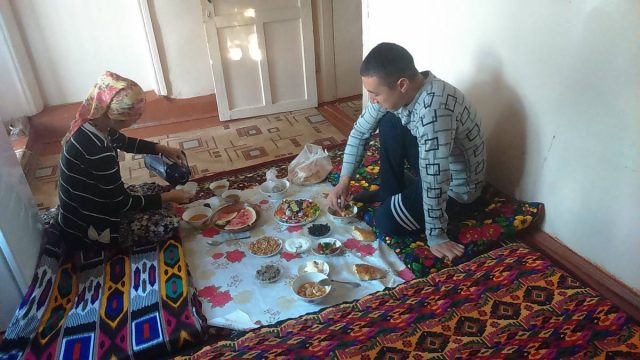
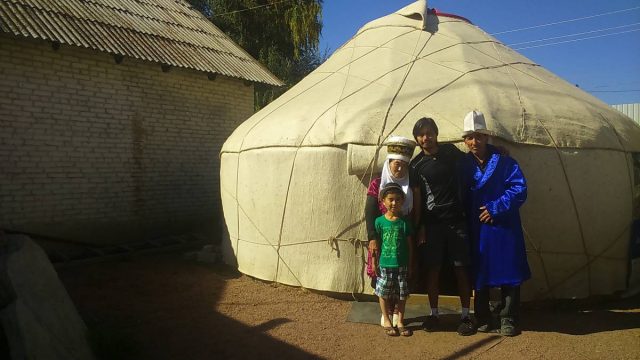
Although I encountered various unusual people and situations in Central Asia, I also met many friendly individuals, and was even invited to stay in their homes. The locals are very hospitable. For example, in Dushanbe, the capital of Tajikistan, an uncle struck up a conversation with me at a café and ended up paying my bill without realizing it.
Additionally, a man we met at the livestock market in Kazakhstan invited our entire local group to his home and introduced us to his family. His wife served us freshly baked bread and warm tea, while sharing her story through sign language and a phone translator—an incredibly warm and welcoming experience.
I also remember when I was at the border town of Batken in Kyrgyzstan, a girl spoke with me and offered to guide me. She spoke fluent English and was very mature. She took me around the city and showed me how to get transportation to Tajikistan. In the end, her brother gave me his contact information, and we still keep in touch on Facebook today.
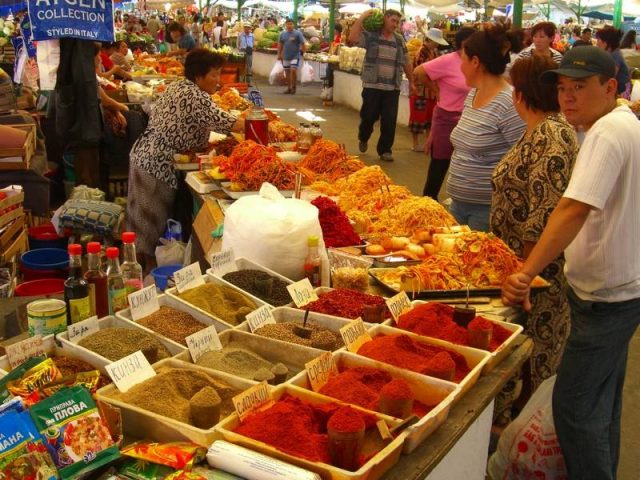
Not only were there these positive experiences, but there were also many other good deeds and kind people that couldn’t all be mentioned here. This article is purely a sharing of my own experiences, hoping that you can learn from them to avoid similar issues. As long as you prepare in advance, protect yourselves, stay vigilant, remain calm in tricky situations, and avoid breaking any local laws, I believe you can prevent these security concerns.
-------------------------------------------------
Edward’s Expedition Journal
Facebook Page: www.facebook.com/edwardtravelling
Ig: edwardtravelling
Personal Blog: edwardtravelling.bogspot.com