Four Classic Japanese “Cultural Heritage Ryokans” – Stay in Century-Old Buildings
Travel Center / Comprehensive Report
Japan is a beloved travel destination for Taiwanese visitors. With the depreciation of the yen and the rise of budget airlines, the Japanese tourism market continues to heat up. A well-known online travel website has released a list of “Cultural Heritage Ryokans” in Kanagawa and Hiroshima Prefectures. These cultural heritage sites, featuring traditional architecture from the Heian period to the Meiji era, offer travelers a unique lodging experience.Among the most popular ryokans are Aizu Higashiyama Onsen Mukaitaki, Ryoutei Ryokan Yatsusankan, Yamasatonoiori Souen, and Misaka Onsen Kiya Ryokan.
Aizu Higashiyama Onsen Mukaitaki

▲ The construction of Mukaitaki dates back to the Edo period, and its exterior carries a strong historical vibe. (Photo provided by Rakuten Travel)
Located in Fukushima Prefecture, Mukaitaki is recognized as Japan’s first tangible cultural property due to its intricately detailed architecture. Here, guests can immerse themselves in history and appreciate the beauty of century-old Japanese buildings. Additionally, the booking volume in the regions of Aizu-Wakamatsu and Kitakata in Fukushima Prefecture saw a significant increase this summer, rising by 58.2% compared to the same period last year—making it the area with the highest growth rate among the featured cultural heritage ryokans.
Ryoutei Ryokan Yatsusankan and Yamasatonoiori Souen
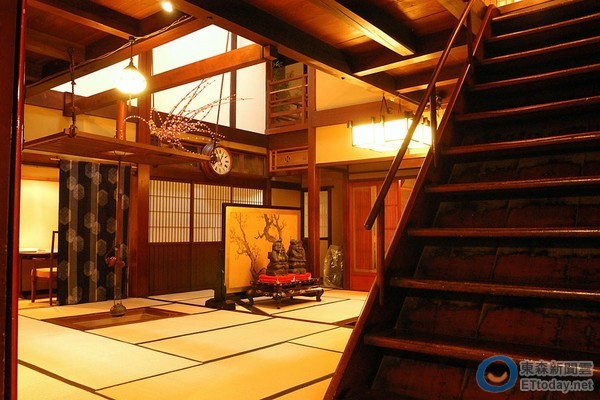
▲ Ryoutei Ryokan Yatsusankan boasts a history of 110 years. (Photo provided by Rakuten Travel)
Ryoutei Ryokan Yatsusankan and Yamasatonoiori Souen are located in the world-renowned “Little Kyoto” of Takayama in Gifu Prefecture. To experience the region’s distinctive historical atmosphere, both domestic and international tourists flocked here this summer. The area is also dedicated to preserving its purely traditional Japanese architectural style, which has remained unchanged since its construction, and is officially registered as a tangible cultural property in Japan.
Misaka Onsen Kiya Ryokan
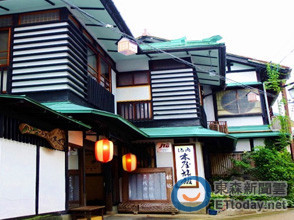
▲ From the rooms of Misaka Onsen Kiya Ryokan, you can see the flowing river in front of the inn. (Photo provided by Rakuten Travel)
Situated in Tottori Prefecture, Misaka Onsen Kiya Ryokan is a three-story wooden inn designated as a cultural property of Japan. Its unique, classic Japanese-style rooms give guests the feeling of stepping back in time to the late Meiji to early Taisho periods. Compared to the same period last year, the domestic booking volume in the Kurayoshi and Misasa Onsen areas of Tottori Prefecture increased by 42.3% this summer, making it one of Japan’s most popular tourist destinations.
Japanese cultural heritage refers to a series of traditions preserved across generations within Japanese history and is protected by the Agency for Cultural Affairs. Cultural heritage includes shrines, temples, private residences, Buddhist statues, paintings, calligraphy, performing arts and craftsmanship known as “skills,” as well as traditional events and celebrations. Enduring natural landscapes, historic villages, and townscapes are also considered cultural heritage. Furthermore, the Japanese government classifies heritage into tangible heritage (“artworks and arts”), intangible heritage (“theater and music”), folk cultural heritage (rituals, customs, and celebrations), monuments, cultural landscapes, and traditional architecture.
Share
This article is published by HowToTrip. Sharing and reposting are welcome — please credit the source.
Article URL: https://www.howtotrip.net/views-11135
Related Articles
- Shaoxing's "Grandpa Gourd" hangs the gourds back up: "If there are too many people, we'll interact less — just take a quick look from afar"
- Chinese authorities announce "reciprocal adjustment" to Japan visa fees — single-entry visa jumps from 2,250 to 16,750 yen!
- The "health stones" carried by a traveler were found to have radiation levels exceeding safety limits by a thousand times, potentially endangering fellow passengers on the same flight. Customs issues warning!
- Shenzhen Airport Issues Late-Night Notice: Unidentified Aerial Object Detected, Causing Widespread Flight Delays!
- “They only said it cost money after I opened the box and washed it!” 200g of grapes sold for 60 yuan on a high-speed train—12306 responds!
- Can't buy an airline ticket? Denied exit? Blocked from boarding? A large number of Chinese tourists have mysteriously become "discredited individuals"
- Adverse weather and economic fluctuations impact Colombia's coffee market
- Beach bathing area responds to 2 yuan/30 seconds fee for freshwater foot rinsing: Clearly priced!
- Taking off with an improperly closed cabin door? Wing malfunction? Multiple flights made emergency returns mid-journey!
- Experience the gifts of nature! A countdown of the world’s ten most stunning coastlines