Pan-frying steak at home — Chef Hsi Hua: Let it rest for 10–15 minutes after cooking for even better flavor

▲Pan-frying a delicious steak at home isn’t difficult.
Reported and photographed by Huang Shih-yuan
Is it difficult to pan-fry a delicious steak at home? Chef Hsu Cheng-yu from the Italian restaurant Toscana at the Hsi Hua Hotel says it’s not. As long as you keep a few key points in mind — including never thawing frozen beef in water, seasoning raw beef only with sea salt and pepper, adding oil to the pan, cooking just one side if the beef isn’t thick enough, and letting the cooked steak rest for 10–15 minutes — you can still achieve a delicious steak even with just a regular frying pan.
Hsu Cheng-yu said that while the quality of the meat grade greatly affects how tasty a steak is, PRIME-grade beef only makes up 2% of total U.S. beef production. Even Americans don’t eat PRIME-grade steak every day, and for most families, CHOICE-grade beef is already considered good. Therefore, how you cook the steak also plays a major role in its taste.
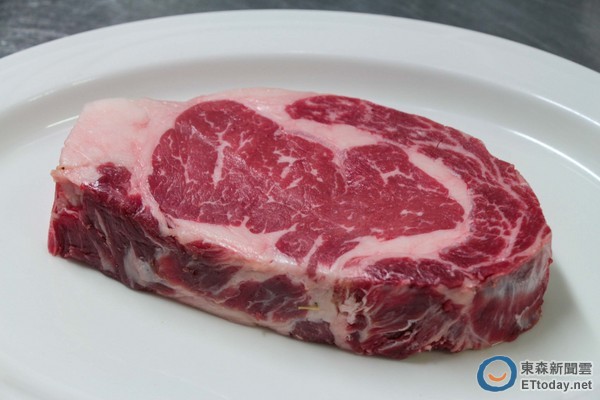
▲%The color of the rested beef (top) is more pinkish compared to the unrested beef (bottom).
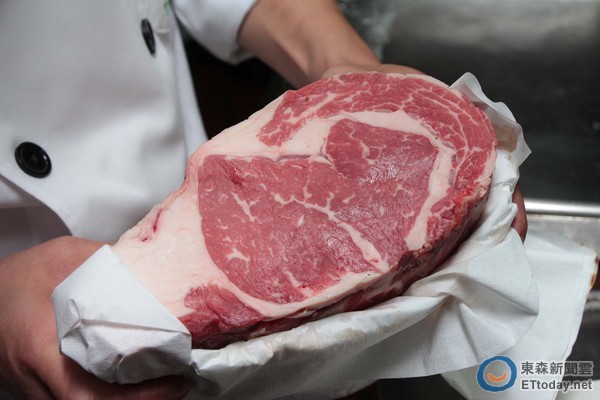
Hsu Cheng-yu first explained the preparatory steps for beef. Generally speaking, chilled beef is always tastier than frozen beef.If you only have frozen beef, the way you thaw it is very important. The worst thing to do is to thaw it directly in water — the big temperature difference will cause the beef to release a lot of moisture and juices, which significantly reduces the flavor of the steak.. So how do you properly thaw it? One way is to thaw it at room temperature (but not in too high heat), and another is to place it in the refrigerator’s chill compartment for over 8 hours. Hsu Cheng-yu said that if you plan to eat steak the next evening, you can put it in the fridge to thaw the night before. While these two methods can’t fully prevent juice loss, they can substantially reduce it.
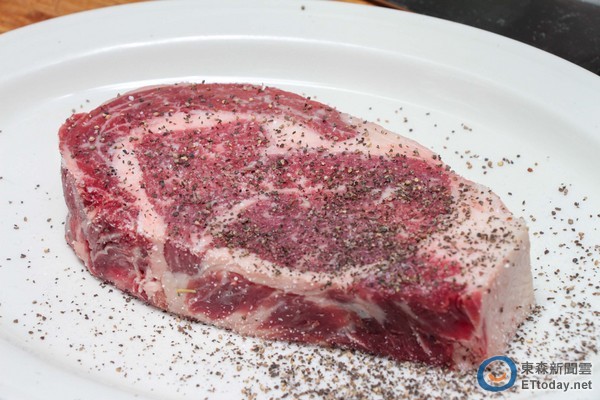
▲Simply sprinkle with pepper and sea salt for seasoning, but avoid using refined salt.
But if you buy a larger quantity of beef from a supermarket, unless you can finish it within three days, you must freeze it.Hsu Cheng-yu shares a little tip: first wrap each piece of beef completely in plastic wrap, then put it in a plastic bag, place it flat in the freezer, and avoid stacking heavy items on top. Hsu Cheng-yu explained that the protein in beef is most afraid of contact with air, and wrapping it in plastic wrap is the best way to block out air.
Before pan-frying the steak, there is an important step: let chilled beef sit at room temperature for 10–20 minutes.. Hsu Cheng-yu reminds us that even if the beef is chilled, don’t put it directly into the pan. Let the beef warm up at room temperature for 10–20 minutes first to soften the texture. Then you can sprinkle it with sea salt and pepper for seasoning, butnever use refined salt..
Next comes the actual process of pan-frying the steak. (This demonstration uses a ribeye steak that is 2.5 cm thick and has more marbling)
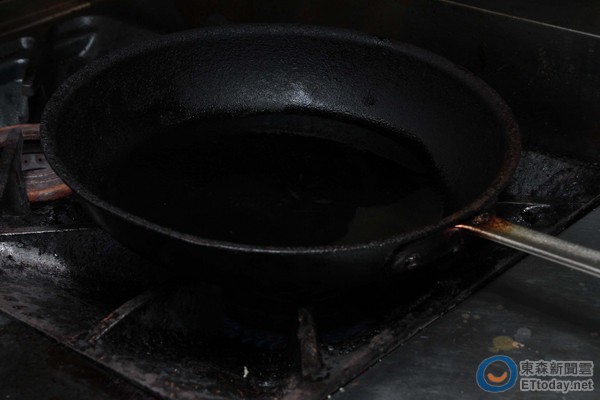
1. Heat the pan and add 2–3 tablespoons of oil, then turn the heat to high. When you see “oil patterns” forming as the oil moves around the pan, it means the temperature is hot enough to start cooking the steak. (Hsu Cheng-yu recommends adding oil when pan-frying steak)
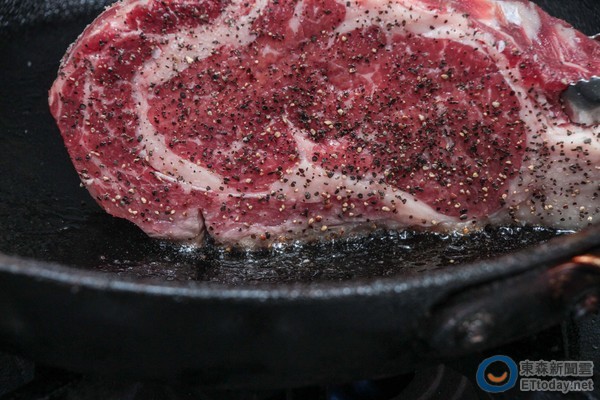
2. First, sear the fat on the sides of the ribeye steak. Hsu Cheng-yu said this helps render out the steak’s own fat, and using the steak’s fat to cook it enhances the aroma. (For filet mignon, you don’t need to do this, but you should add a bit more oil)

3. Start by laying the steak flat and searing one side. Pay attention to the heat — for the first 20 seconds or so, keep it on high heat (since the steak is raw, it will lower the oil temperature), but then switch to medium heat. You can add some crushed garlic at this point to enhance the flavor. Sear for about 1 minute. If you want a nice crust, try not to move the steak around. (Keep an eye on the oil bubbles — if there are no bubbles, it means the heat isn’t high enough, so increase the flame)

4. Flip the steak and sear the other side for about 1 minute and 30 seconds.

5. After cooking, let the steak rest at room temperature for 10–15 minutes. Hsu Cheng-yu emphasized that this step is very important. Right after cooking, the inside and outside of the steak have different temperatures. Cutting it immediately will cause the juices to flow out. Letting it rest allows the juices to be reabsorbed into the meat, and when you cut it later, the cross-section will show an even pink color. (In winter, you can let it rest near the center of the gas stove)
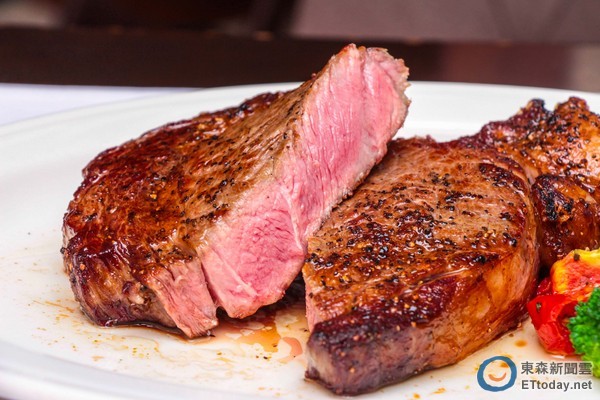
▲Letting the cooked steak rest allows the juices to be reabsorbed into the meat, and when you cut it later, the cross-section will show an even pink color.
Hsu Cheng-yu said that using the above method for a 2.5 cm thick, well-marbled ribeye steak results in a doneness level of around medium-rare to medium, which is also the most delicious doneness for steak. But for steaks about 1–1.5 cm thick, the first three steps remain the same, and you only need to sear the other side for a few seconds or even skip it entirely. Hsu Cheng-yu concluded by reminding everyone: never thaw frozen beef directly in water, let steak taken from the fridge sit at room temperature for 10–20 minutes, and always let the cooked steak rest for 10–15 minutes. This way, your steak will definitely turn out more delicious.
Share
This article is published by HowToTrip. Sharing and reposting are welcome — please credit the source.
Article URL: https://www.howtotrip.net/views-10418
Related Articles
- Shaoxing's "Grandpa Gourd" hangs the gourds back up: "If there are too many people, we'll interact less — just take a quick look from afar"
- Chinese authorities announce "reciprocal adjustment" to Japan visa fees — single-entry visa jumps from 2,250 to 16,750 yen!
- The "health stones" carried by a traveler were found to have radiation levels exceeding safety limits by a thousand times, potentially endangering fellow passengers on the same flight. Customs issues warning!
- Shenzhen Airport Issues Late-Night Notice: Unidentified Aerial Object Detected, Causing Widespread Flight Delays!
- “They only said it cost money after I opened the box and washed it!” 200g of grapes sold for 60 yuan on a high-speed train—12306 responds!
- Can't buy an airline ticket? Denied exit? Blocked from boarding? A large number of Chinese tourists have mysteriously become "discredited individuals"
- Adverse weather and economic fluctuations impact Colombia's coffee market
- Beach bathing area responds to 2 yuan/30 seconds fee for freshwater foot rinsing: Clearly priced!
- Taking off with an improperly closed cabin door? Wing malfunction? Multiple flights made emergency returns mid-journey!
- Experience the gifts of nature! A countdown of the world’s ten most stunning coastlines