A golden tunnel limited to autumn only! 6 Best Spots for Japan’s Most Beautiful Ginkgo Trees
Travel Center / Comprehensive Report
As early autumn arrives, in addition to maple viewing — a classic seasonal trip in Japan — the golden carpet of ginkgo leaves is another unforgettable autumn charm not to be missed. Here are six famous ginkgo spots in Japan. How about going on a “yellow leaf hunt” in addition to admiring the red maples?
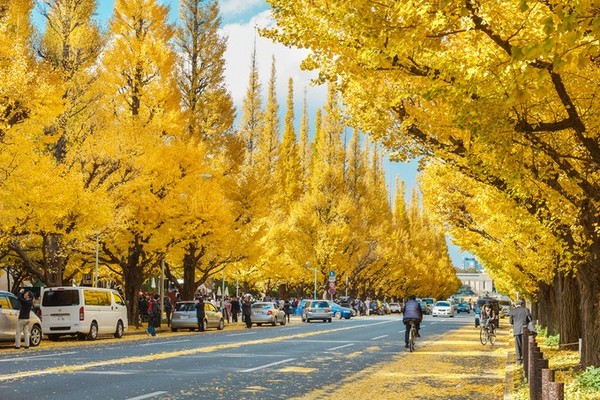
▲ The ginkgo avenue in the outer gardens of Meiji Shrine. (Photo / Screenshot fromRetrip, same below)
1. Tokyo — Outer Gardens of Meiji Shrine
Located in Shinjuku, the 300-meter-long ginkgo-lined path along the Outer Gardens of Meiji Shrine is one of the most beautiful sights in Tokyo during autumn.
This stunning golden boulevard has been planted since 1923 (Taisho 12), and now features 156 ginkgo trees lining both sides of the road. When autumn comes, the sea of golden leaves paints the sky and covers the ground, attracting countless visitors who come here to stroll and admire.
Best viewing time: Mid-November to early December
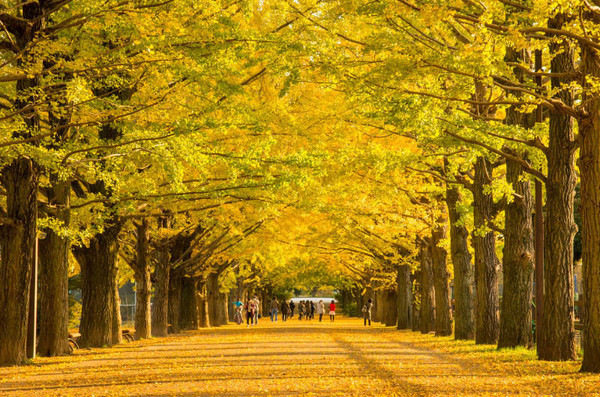
▲ The golden tunnel inside Showa Memorial Park.
2. Tokyo — Showa Memorial Park
Showa Memorial Park, where you can find traces of all four seasons at any time, is most famous for its 200-meter-long golden tunnel formed by 106 ginkgo trees — even locals highly recommend it as an essential Tokyo spot for autumn foliage.
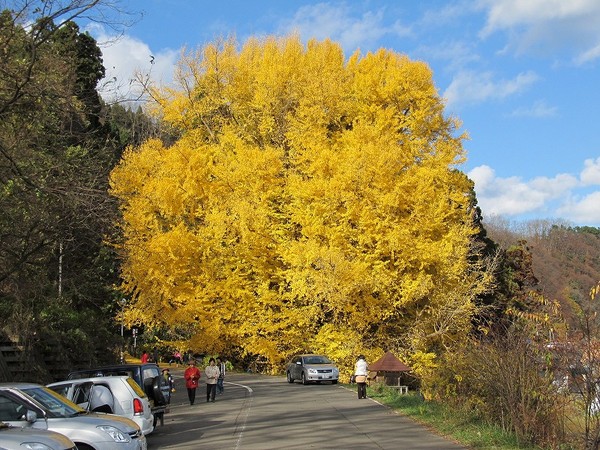
▲ In Kitakanegasawa, there are over [number missing]...
3. Aomori — Kitakanegasawa
Located in Kitakanegasawa, Futsukaichi Town, Aomori Prefecture, this place boasts Japan’s tallest ginkgo tree, which stands over 40 meters tall with a trunk circumference of 22 meters. With an age of over 1,000 years, it was designated as a National Natural Monument in 2004 and has been worshipped as a sacred tree by locals since ancient times.
Best viewing time: November to December
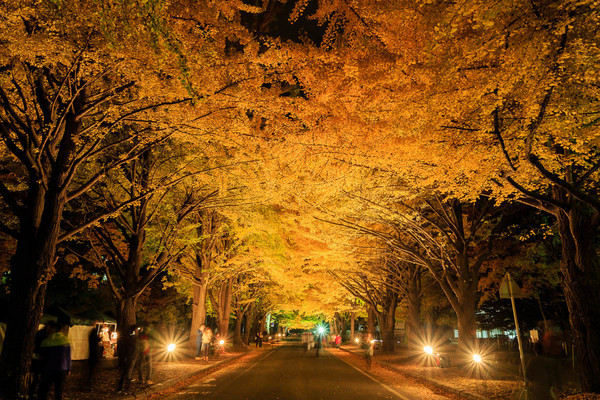
▲ Hokkaido University’s ginkgo forest takes on a different charm at night.
4. Hokkaido University
Hokkaido University owns vast research forests in Kushiro, managed by its Faculty of Agriculture. Aside from offering students opportunities to learn directly in nature, parts of the forest are also open to the public for visiting.
When the foliage season arrives, the area is flooded with visitors and local citizens. There is also a nighttime illumination event after sunset, making it a must-see autumn highlight in Hokkaido.
Best viewing time: Late October to early November
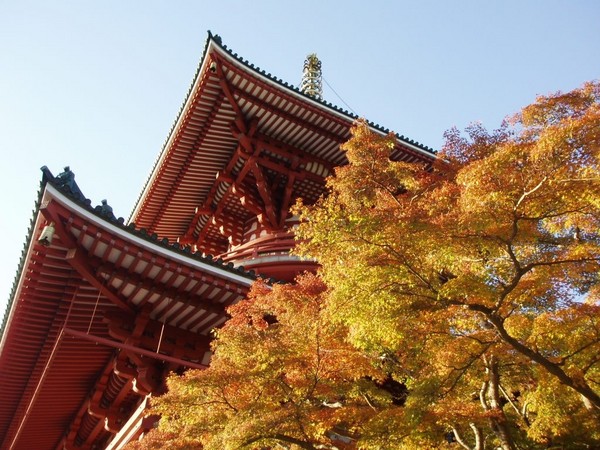
▲ The contrast of ancient temples and autumn leaves creates the most beautiful scene in Naritasan Park during fall.
5. Chiba — Naritasan Park
Covering approximately 165,000 square meters, Naritasan Park is located behind the main hall of the famous Naritasan Shinshoji Temple. Over 250 ginkgo and maple trees are scattered throughout the park, each vying for attention and complementing the thousand-year-old temple. This adds vibrancy and beauty to the solemn and traditional atmosphere of the shrine.
Naritasan Park holds an annual Autumn Leaves Festival, which runs from November 15 to 30 this year. The most popular spots for viewing the foliage include the Naritasan Calligraphy Art Museum and the area around Ryuchi Pond.
Best viewing time: Mid-November to late November
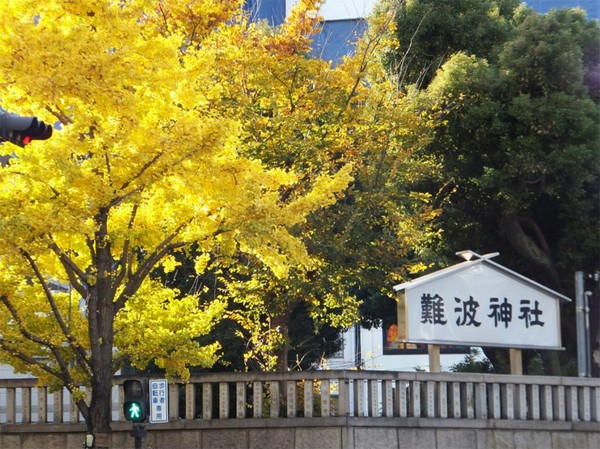
▲ The ginkgo-lined street of Midosuji. (Photo / From theOsaka Travel Fan Page)
6. Osaka Midosuji Boulevard
If there’s one natural sight that best represents Osaka, it might be the rows of ginkgo trees stretching along Midosuji Avenue, which was designated as an Osaka Municipal Cultural Asset in 2000 as a “historic landscape symbolizing modern Osaka.”
However, Midosuji wasn’t always lined with ginkgo trees. When the Osaka city government was deciding on the type of street trees to plant, a debate ensued. Most people believed that plane trees, which were popular at the time, should be chosen. But a minority opinion argued that ginkgo trees had a distinctive style, a strong sense of seasonality, and were unique to the East—making them exotic to foreigners and more fitting for Osaka, which aimed to establish itself as an international city.
In the end, the Osaka city government decided to plant ginkgo trees south of Otemachi Bridge and plane trees from Osaka Station to Otemachi Bridge. The 928 ginkgo trees were planted in 1937. Up to the present day, the golden hues of ginkgo trees have replaced the plane trees, and the area north of Otemachi Bridge is now also fully planted with ginkgoes.
Best viewing time: Late November to early December
Share
This article is published by HowToTrip. Sharing and reposting are welcome — please credit the source.
Article URL: https://www.howtotrip.net/views-9896
Related Articles
- Shaoxing's "Grandpa Gourd" hangs the gourds back up: "If there are too many people, we'll interact less — just take a quick look from afar"
- Chinese authorities announce "reciprocal adjustment" to Japan visa fees — single-entry visa jumps from 2,250 to 16,750 yen!
- The "health stones" carried by a traveler were found to have radiation levels exceeding safety limits by a thousand times, potentially endangering fellow passengers on the same flight. Customs issues warning!
- Shenzhen Airport Issues Late-Night Notice: Unidentified Aerial Object Detected, Causing Widespread Flight Delays!
- “They only said it cost money after I opened the box and washed it!” 200g of grapes sold for 60 yuan on a high-speed train—12306 responds!
- Can't buy an airline ticket? Denied exit? Blocked from boarding? A large number of Chinese tourists have mysteriously become "discredited individuals"
- Adverse weather and economic fluctuations impact Colombia's coffee market
- Beach bathing area responds to 2 yuan/30 seconds fee for freshwater foot rinsing: Clearly priced!
- Taking off with an improperly closed cabin door? Wing malfunction? Multiple flights made emergency returns mid-journey!
- Experience the gifts of nature! A countdown of the world’s ten most stunning coastlines