The hot spring water changes seven times a day! 5 Secret Onsen Hot Springs in Japan with Over 1,300 Years of History
Travel Center / Comprehensive Report
As autumn deepens and the weather turns cooler, it's the perfect time to soak in a hot spring and enjoy the warm waters slowly seeping into your skin. Thanks to its unique geographical advantages, Japan boasts abundant hot spring resources, including many precious springs with long histories. Here are five Japanese secret onsen hot springs with over 1,300 years of history. If you have the chance, why not visit and personally experience a millennia-old hot spring baptism?
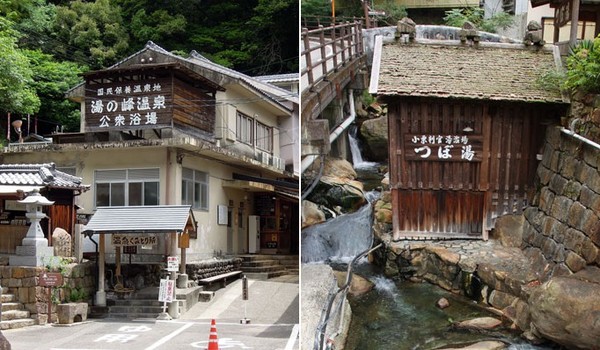
▲ Yumoto Onsen, which has a history of 1,800 years. (Photo / Courtesy ofKumano Hongu Tourist Association)
1. Wakayama Prefecture – Yumoto Onsen
Located in Yunomine Town, Wakayama Prefecture, Yumoto Onsen has a history of 1,800 years and is considered one of Japan’s oldest hot springs. Its “Tsubo-yu” is not only a UNESCO World Heritage Site but is also said to change seven times a day, offering therapeutic effects for neuralgia, skin diseases, diabetes, and more. It has attracted travelers throughout the ages.
Tsubo-yu is very small, allowing only 2–3 people at a time for a maximum of 30 minutes per soak. Visitors must purchase a bath ticket and wait in line. Each soak costs 770 yen, and the opening hours are from 6:00 AM to 9:30 PM.
Wakayama Yumoto Onsen “Tsubo-yu”
Address: Yunomine, Hongu-cho, Tanabe City, Wakayama Prefecture
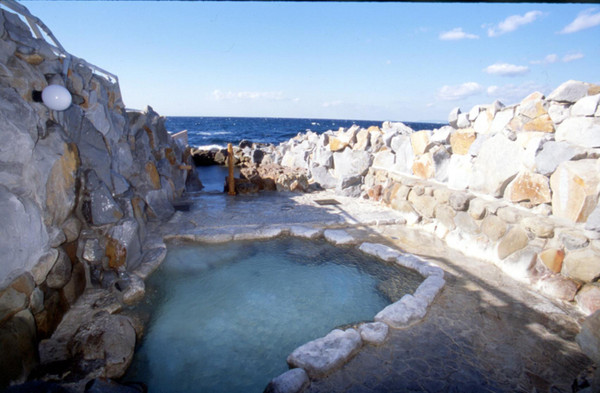
▲ Open-air hot spring – Saki-no-yu. (Photo / Courtesy of Wakayama Onsen Association)
2. Wakayama Prefecture – Shirahama Onsen – Saki-no-yu
Shirahama Onsen is listed as one of Japan’s Three Ancient Springs (Shirahama Onsen, Arima Onsen, and Dogo Onsen), boasting a history of 1,350 years and has been a renowned hot spring destination since ancient times.
Shirahama Onsen has six bathing facilities, among which “Saki-no-yu” is the only remaining open-air hot spring among the seven Taki-no-yu hot springs from the Manyo period. From here, you can gaze out over the vast Pacific Ocean, and it is effective for women’s ailments and joint or muscle pain.
Additionally, visitors who collect stamps from all six bathing facilities using a specially made local tourist brochure can receive souvenirs and discount coupons.
Wakayama Shirahama Onsen – Saki-no-yu
Address: 1668 Taki, Shirahama-cho, Nishimuro-gun, Wakayama Prefecture
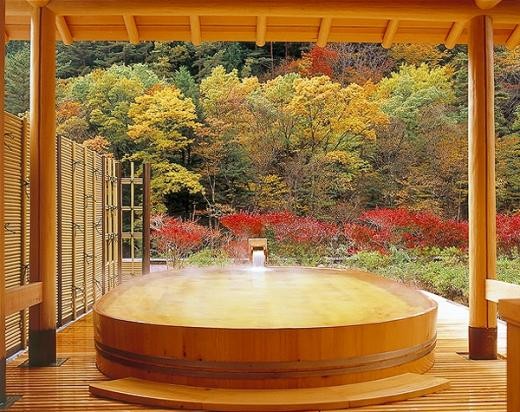
▲ Gensenkan Keiunkan (Photo / Screenshot from Yamanashi Prefecture Tourism Website)
3. Yamanashi Prefecture – Nishiyama Onsen, Keiunkan
In addition to being certified as the world’s oldest hotel, Keiunkan also features Nishiyama Onsen with a history of 1,300 years, as well as a large bathtub made from a 2,000-year-old sacred tree. From the bathtub, you can enjoy views of the mountain forests, making it a popular spot for those seeking a tranquil hot spring experience.
Keiunkan
Address: Nishiyama Onsen, Hayakawa-machi, Minamikoma-gun, Yamanashi Prefecture
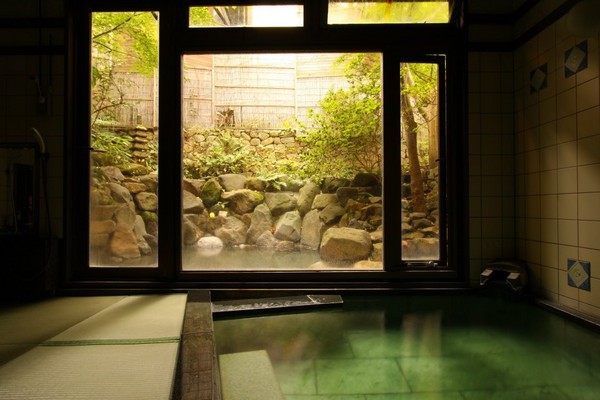
▲ The tatami-floored bath area at Rinryukan Kashiwaya Bessho is particularly unique. (Photo / Courtesy ofRinryukan Kashiwaya Bessho Fan Page)
4. Nagano Prefecture – Bessho Onsen – Rinryukan Kashiwaya Bessho
The four-story wooden building of Rinryukan Kashiwaya Bessho was established in 1910. The century-old Meiji-era interior design has attracted countless literati and artists throughout the years. It offers both lodging for guests to experience its heritage-rich hospitality, as well as day-trip bathing services.
A unique feature of Rinryukan Kashiwaya Bessho is that it uses Bessho Onsen, which has a history of 1,300 years. Day-use visitors must register their name and address before entry, and the inn has separate entrances for overnight guests and day-trippers — a rare setup even within Japan.
Bessho Onsen is a sulfur spring with a temperature of around 41 degrees Celsius, known to be effective for chronic skin diseases and women's health conditions.
Bessho Onsen, Nagano Prefecture – Rinrantei & Kashiwaya Bessou
Address: 1640 Bessho-onsen, Ueda, Nagano Prefecture
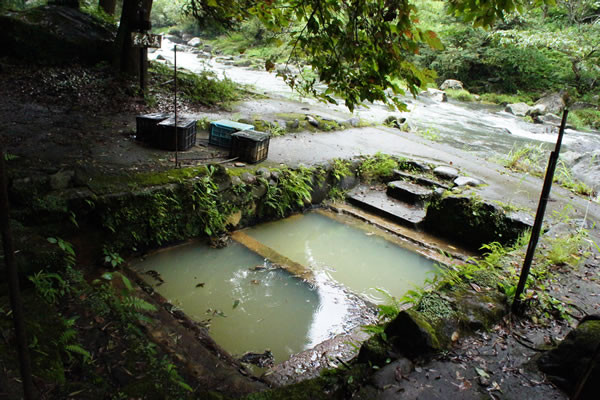
▲ The Yukiyu (Hot Spring in the Open Air) is said to be Japan’s oldest open-air hot spring. (Photo / Screenshot from the internet)
5. Kagoshima – Myoken Onsen – Yukiyu
Yukiyu is said to be Japan’s oldest open-air hot spring. Its name originates from the fact that the nobleman Wake no Kiyomaro from the late Nara to early Heian period once bathed here. It has been preserved to this day, and even Sakamoto Ryoma and his wife visited during their honeymoon.
According to research, the current Yukiyu has become a privately owned open-air hot spring but is still available for free public use. However, as it is a private bathing spot, entry is not allowed after dark. Unfortunately, a 2012 survey found that the spring’s water flow has gradually decreased and the temperature has dropped, making it currently unsuitable for bathing.
Myoken Onsen – Yukiyu
Address: Shimotsutsukenawa, Makizonocho, Kirishima, Kagoshima Prefecture
Sick of work and school? Really want to go traveling?
Download the “ETtoday News Cloud APP” and take a virtual trip→
iOS:https://goo.gl/rmIDdx
Android:https://goo.gl/XPe8Uj
Share
This article is published by HowToTrip. Sharing and reposting are welcome — please credit the source.
Article URL: https://www.howtotrip.net/views-9885
Related Articles
- Shaoxing's "Grandpa Gourd" hangs the gourds back up: "If there are too many people, we'll interact less — just take a quick look from afar"
- Chinese authorities announce "reciprocal adjustment" to Japan visa fees — single-entry visa jumps from 2,250 to 16,750 yen!
- 旅客携带的“保健石”核辐射超标千倍,同机人员或遭殃!海关提醒!
- 深圳机场深夜通报!出现不明升空物,航班大面积延误!
- “拆盒洗了才说要钱!”高铁200克葡萄卖60元,12306回应!
- 买不了机票?出境被拒?登机被拦?一大波中国游客莫名成了“失信人”
- 不利天气和经济波动影响哥伦比亚咖啡市场
- 海边浴场回应冲脚淡水收费2元/30秒:明码标价!
- 舱门没关好就起飞?机翼出现问题?多个航班途中紧急折返!
- 感受大自然的馈赠!盘点世界十大唯美海岸线