Spicy hotpot served until 3 AM midnight, plus stir-fried dishes, barbecue, and lamb pot!
Text/Photos byPingzi
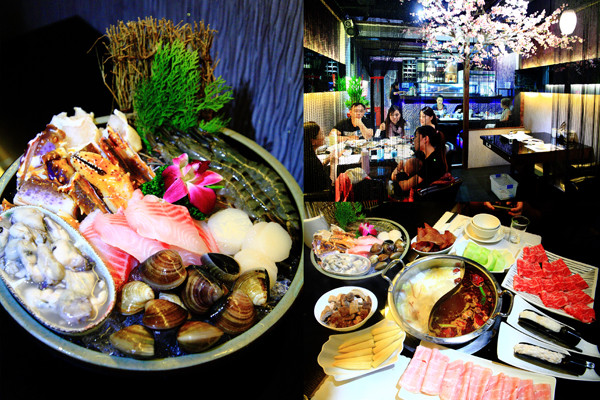
It’s autumn and winter again, making nourishing food choices especially important. Recently, Pingzi discovered a delicious and creative spot near the intersection of Jilin Road and Jinzhou Street — Nanning Zhai Refined Spicy Hotpot. This place specializes in spicy hotpot paired with stir-fried dishes, offering a full flavor experience: hotpot, stir-fry, lamb pot, and barbecue all in one go. The ingredients are fresh, and Pingzi highly recommends the great-value 1280 NTD seafood platter, as well as Matsusaka pork and American boneless beef. The best part? They’re open until the early hours of the morning, so night owls can enjoy a satisfying meal whenever hunger strikes.
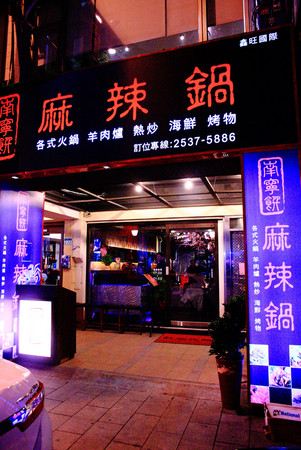
Nanning Zhai Refined Spicy Hotpot is easy to find, located on Jilin Road near the Jinzhou Street intersection. Food lovers will know that Jilin Road is famous for being Taipei’s go-to street for stir-fried dishes. For locals in the area craving hotpot, this is great news — you no longer need to travel all the way to Nanjing East Road for your fix.
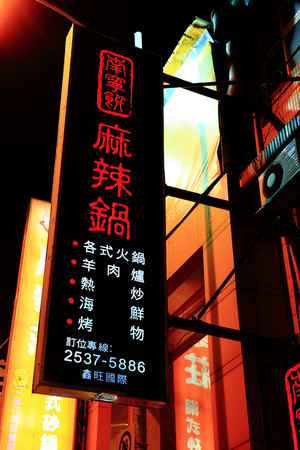
Just from the signage, you can tell that Nanning Zhai Refined Spicy Hotpot is a restaurant that takes its craft seriously, focusing on authentic spicy hotpot cuisine. The red signboard highlights the bold visual appeal of spicy hotpot, complemented by clear black lettering for high visibility.
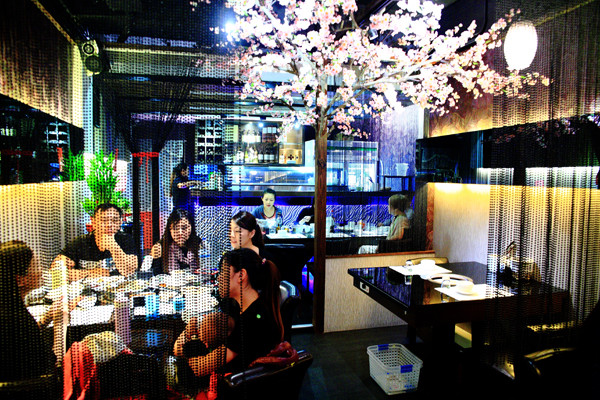
Stepping into Nanning Zhai Refined Spicy Hotpot, you’ll notice a strong Japanese-inspired interior design. The space mainly consists of dining areas on the first and second floors: the first floor accommodates about 5–6 tables, while the second floor has around 4–5 tables plus a private room with a large round table. The overall ambiance follows a Japanese aesthetic, which has become a mainstream design trend for hotpot restaurants in Taiwan in recent years. The walls incorporate mirrors that enhance the sense of space.
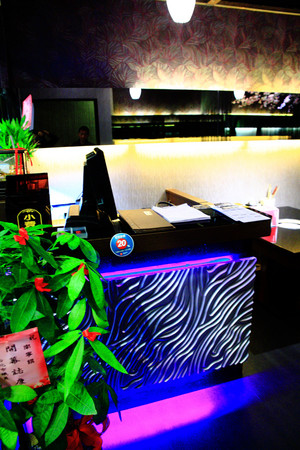
Upon entering, you’ll find the cashier and seating reservation area on the left.

The first floor features specially designed landscaping to create a sakura tree atmosphere, making you feel like you’re dining under cherry blossoms indoors while enjoying hotpot and stir-fried dishes — a true feast for both the eyes and taste buds.
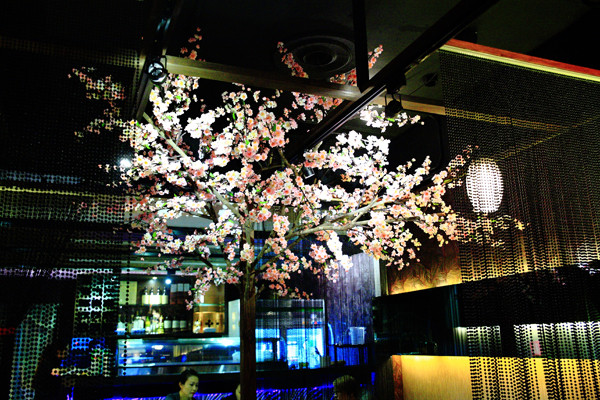
Doesn’t this scene just feel dreamy, as if you’ve been transported to Japan?
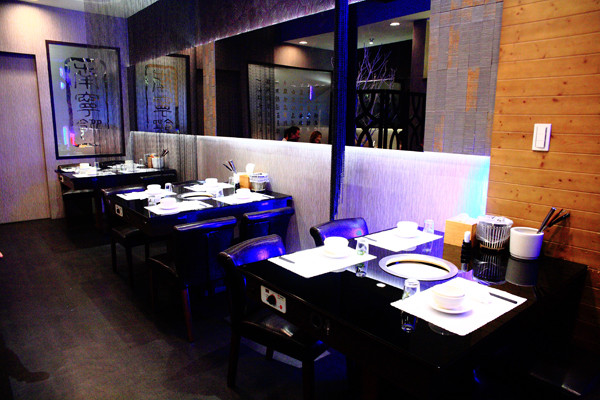
The second-floor dining area is primarily arranged along the walls. Given the long, narrow layout, the design cleverly places customers on both sides with a central walkway, offering ample space and preventing accidental bumps.
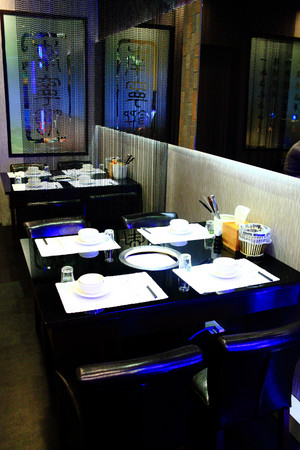
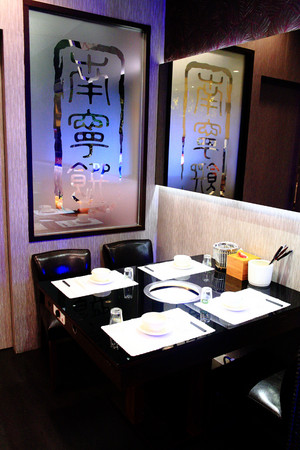
A clean and tidy dining environment significantly influences your mood and enhances your sensory dining experience.
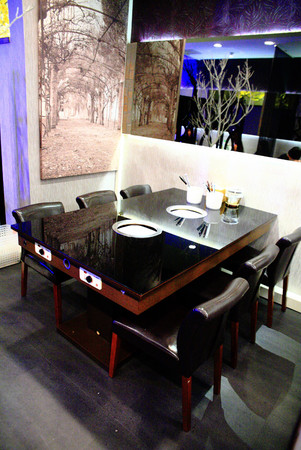
For a party of six, you can opt for this open corner seat on the second floor, which also features an elegant calligraphy piece for you to admire — a wonderful dining space.

If you’re dining with celebrities or family and want a more private hotpot experience, Pingzi recommends the second-floor private room with a round table. It’s a secluded space where you can enjoy your meal without interruptions once the door is closed.
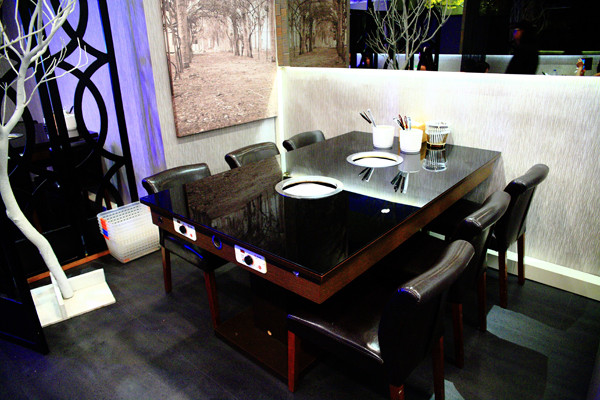

Even the restrooms are clean and comfortable, removing any hesitation about using them. They even thoughtfully provide feminine hygiene products — a very considerate touch.
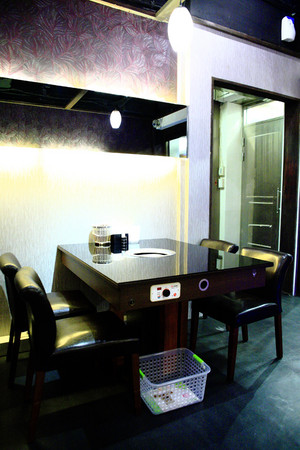
Each table is specially designed to be much larger than typical hotpot tables, creating an open and airy feel. The surface uses a matte finish that adds a premium touch, contributing to the Japanese-style communal dining vibe. The burner is positioned on the side, where you can also hang the order and billing card. Below, there are plastic shelves for storing bags — plenty of thoughtful details went into the table design.
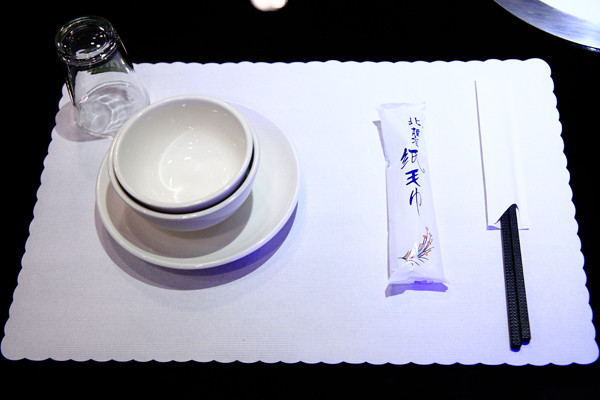
Table setting.

You’ll find utensils, dental floss, a trash bin, and tissues — everything is well-stocked.
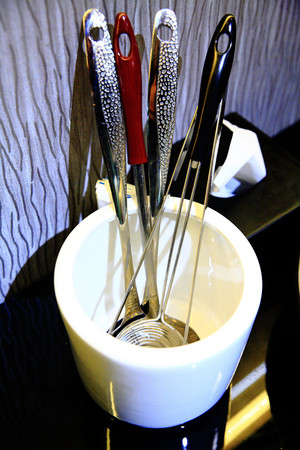
There are several types of hotpot spoons, including ones for cooking clams and different sizes for scooping broth, making them very convenient and easy to use.

The Nanning Zhai Refined Spicy Hotpot menu is primarily text-based, presented in a large, vertically flip-open format. The cover is a luxurious, gold-toned hard case with a high-quality color scheme. Inside, you’ll find a richly diverse menu in a bold red color palette, accented with peony floral patterns — very Eastern and Japanese-inspired in style.
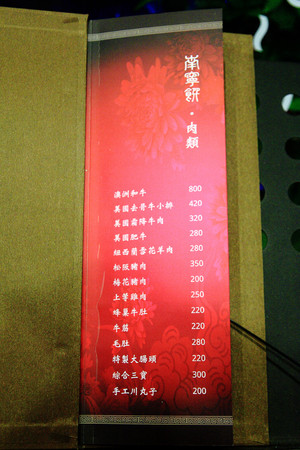
The menu is divided into four sections: hotpot, lamb pot, stir-fry, and barbecue — a uniquely creative combination. Most hotpot shops only serve hotpot, barbecue spots only do barbecue, and stir-fry places focus solely on stir-fries and maybe small hotpots. It’s rare to find a place that offers all four: hotpot, lamb pot, stir-fry, and barbecue. The variety of ingredients is abundant, and the quality is consistently high. It’s easy to imagine the high labor costs involved, but that’s what makes great food — taking complexity and refining it into something deeply satisfying.
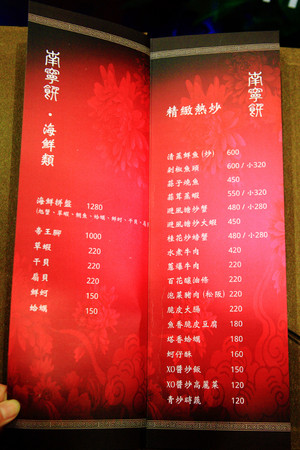
All the refined stir-fry dishes are in this section. You can find all the signature dishes here, and of course, crab lovers are highly recommended to try the crab dish.

If you’re a fan of garlic chicken soup or pineapple bitter melon hotpot, they’re available here too — a testament to the restaurant’s thoughtful preparation and diverse menu offerings.
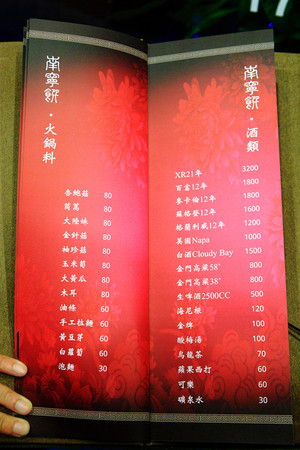
The hotpot ingredients are actually quite reasonably priced, mostly ranging from 30 to 80 NTD. There are also drinks and alcoholic beverages to choose from (don’t drink and drive, and don’t drive if you’ve been drinking).
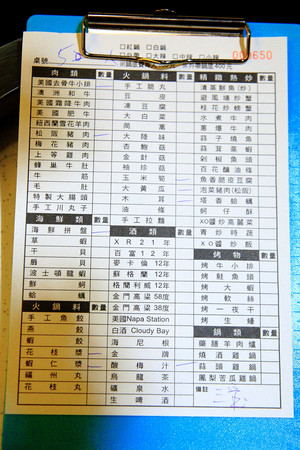
After ordering, you’ll receive a detailed bill that’s very clear and easy to understand — just pay when you’re done eating.
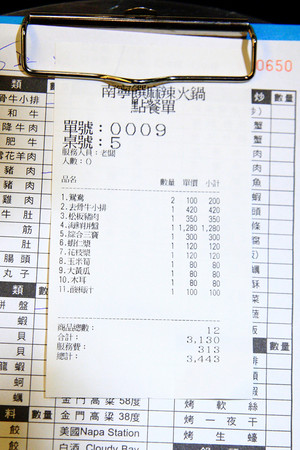
Here’s the delicious spread Pingzi enjoyed during her visit. Note that the restaurant charges a 10% service fee.
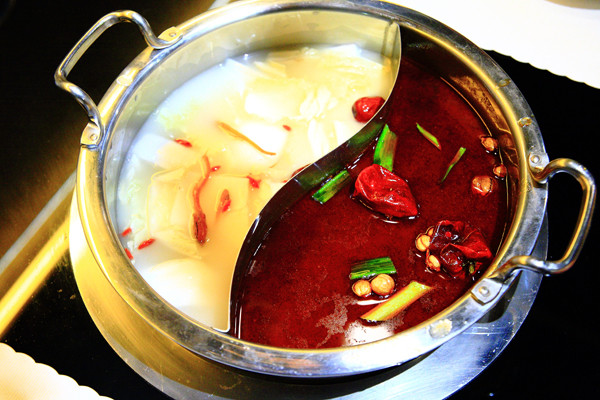
The hotpot broth comes in a yum cha-style (double-flavor) pot: one side is a slow-simmered white broth, the other is a spicy hotpot broth. Each broth is 100 NTD, or you can get the double-flavor combo for 200 NTD to enjoy both. The white broth is self-developed by the restaurant, brewed for hours using the natural sweetness of pork and chicken, combined with the saltiness of apples, onions, ham, and ginseng. It’s then finished with separately simmered garlic and cabbage. The result is an incredibly sweet and refreshing broth with a fragrant vegetable aroma — tastier and sweeter than traditional Japanese-style broths.
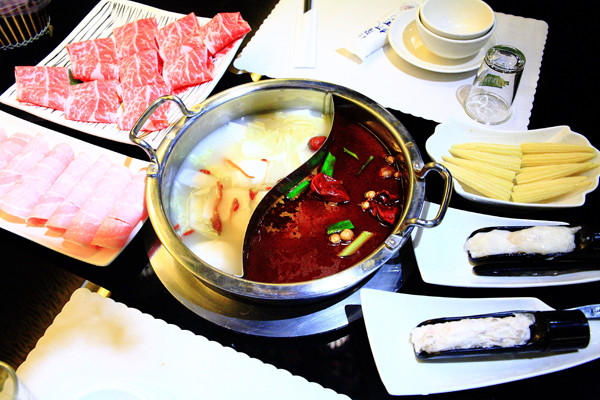
The spicy hotpot is also self-developed, beginning with Sichuan peppercorns and other spices stir-fried over high heat, then simmered with herbs and meats. The spice level is bold but not numbing, aromatic without being overpowering. It’s so good you could almost drink the broth. The multi-layered spicy flavors are truly unforgettable.
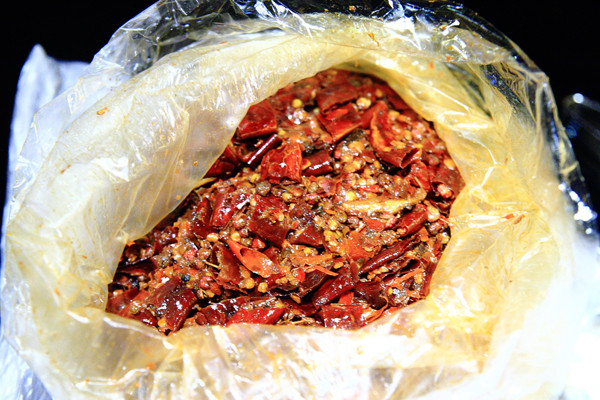
Honestly, the aroma was so enticing that Pingzi had to ask the owner how they make their spicy stir-fry seasonings.
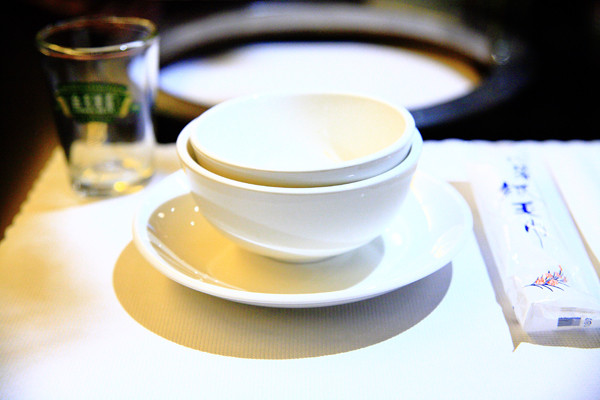
First, let’s talk about the table setting. The overall dining atmosphere is Japanese-inspired. Eating hot pot here lets you feel the great care put in by the shop owner, Brother Bao. Two bowls are nested together, fitting perfectly—one bowl is for dipping sauces from the sauce station, and the other is for drinking soup. The devil is in the details.
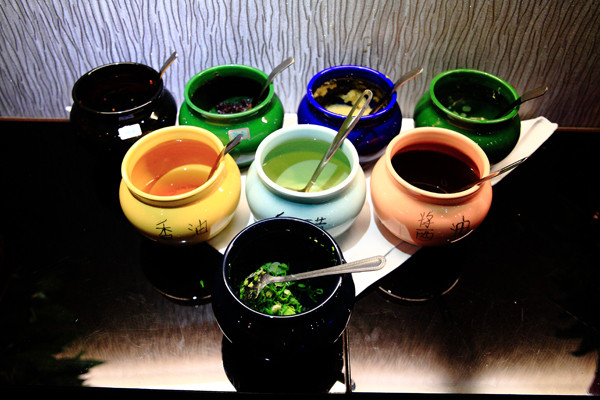
At the sauce station, since the hot pot broth is so flavorful on its own, you really don’t need any dipping sauces to enjoy it. So Pingzi used one bowl for the soup and another for the spicy hot pot broth to keep the flavors separate.
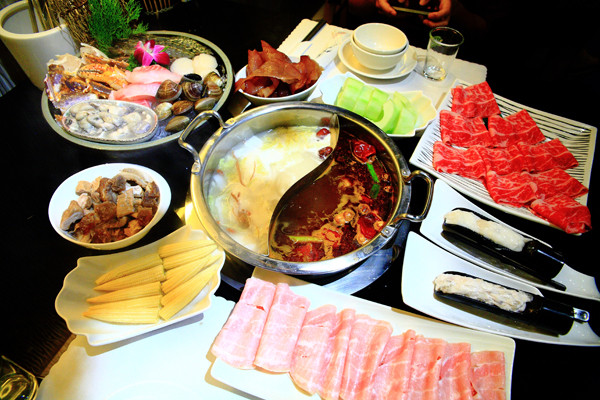
When eating a yin-yang hot pot, Pingzi recommends starting with the clear broth. You can scoop out a bowl first to taste the original flavor of the broth, then add vegetables to simmer and bring out the aroma. That’s why Pingzi chose to start with the vegetables.
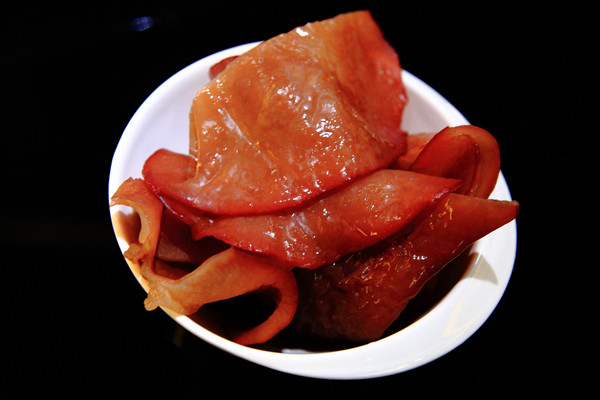
Pingzi ordered wood ear mushrooms, 80 NT per portion, a must-have vegetable for the clear broth. The wood ears here are very thick and generous in portion—truly impressive.
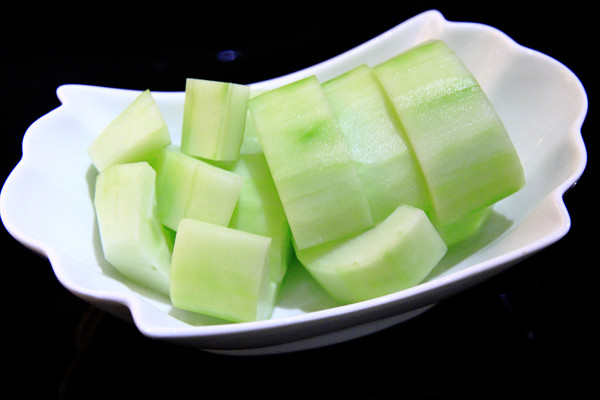
There are also melon varieties, such as cucumbers, 80 NT per portion. They absorb the broth while simmering, turning soft and tender. When you bite into them, they’re hot and juicy inside. Testing the quality of the broth? Melons are the most accurate way. These juice-filled melons are super delicious—definitely a must-order for women.
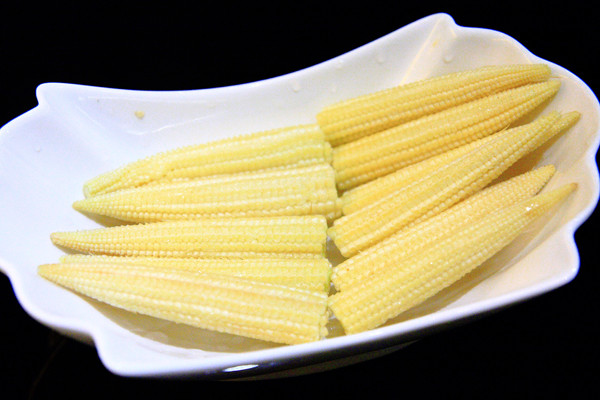
And you can’t miss the baby corn, 80 NT per portion. Here, the baby corn goes perfectly with the shop’s well-simmered white broth. It’s incredibly sweet and fresh—before you know it, the whole plate is gone.
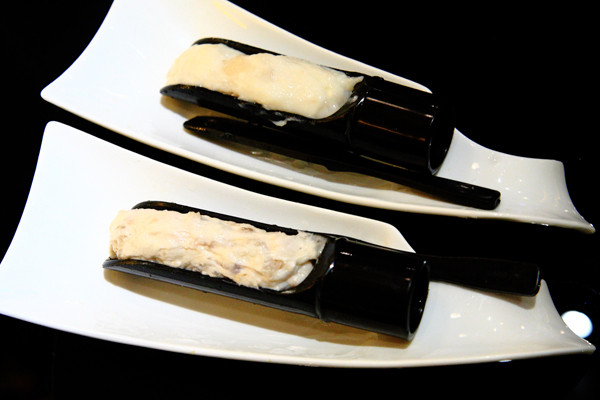
Shrimp paste and squid paste are also must-order hot pot ingredients. Seafood lovers, this is a must. Once added to the pot, they absorb the broth and become super flavorful.

Shrimp paste, 120 NT per portion—you can see it’s packed with shrimp.
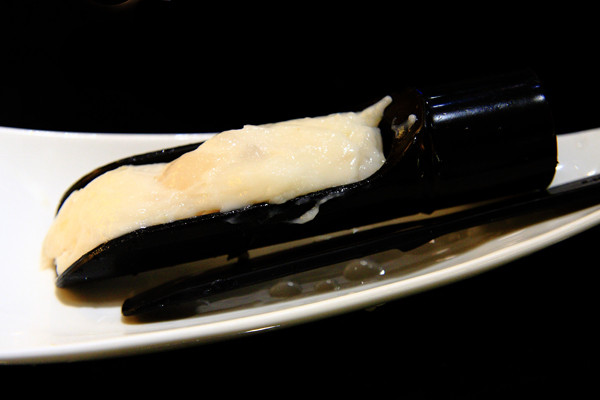
Squid paste, 120 NT per portion—of course, squid is also included. It’s super hot when you bite into it, and the umami of the broth fully blends with the seafood—it’s incredibly delicious.

Essentials for spicy hot pot include duck blood, intestines, beef tendons, and beef tripe. All of them went into the pot. The intestines, tendons, and tripe are pre-marinated, so they’re already flavorful. You can get all these goodies with the combo “Three Treasures,” 300 NT per portion. They soak up the spiciness of the broth and offer a unique flavor—definitely a must-order for spice lovers.
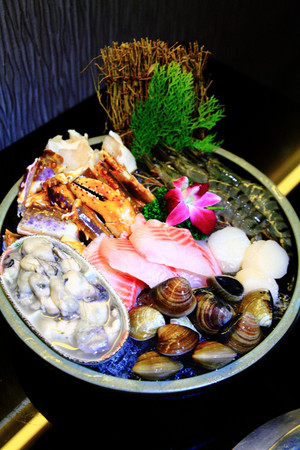
After introducing all those delicious dishes, you can’t miss this—the signature seafood platter, 1,280 NT (plus 10% service charge), featuring: Hokkaido king crabs, grass shrimp, sea bream, clams, oysters, and scallops.
If ordered individually, just the king crab legs would cost 1,000 NT, grass shrimp 220 NT, scallops 220 NT, oysters 150 NT, and clams 150 NT. But with this seafood platter, you get all of it. Normally, at other hot pot restaurants, getting Hokkaido king crab level seafood would cost quite a bit—but here it’s just 1,280 NT. Pingzi thinks it’s super worth it.
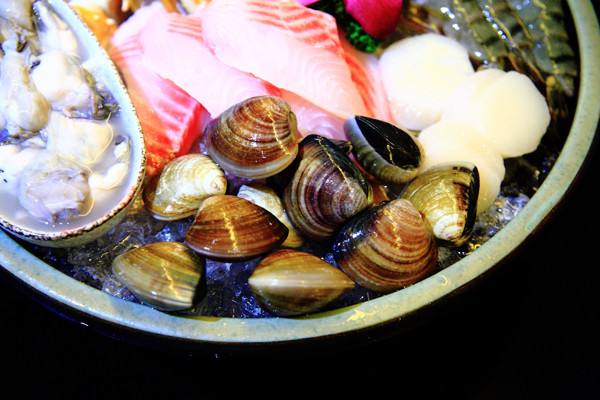
The clams are all large—none of those tiny ones.
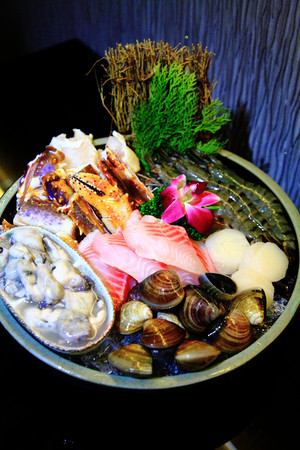
The sea bream is freshly cut thick, about 8–10 slices. Whether you simmer it in the clear broth or spicy pot, just 2 minutes and it’s ready. The meat is tender and very fresh. Each slice is thick and large—how big? Almost the size of an iPhone 4s.
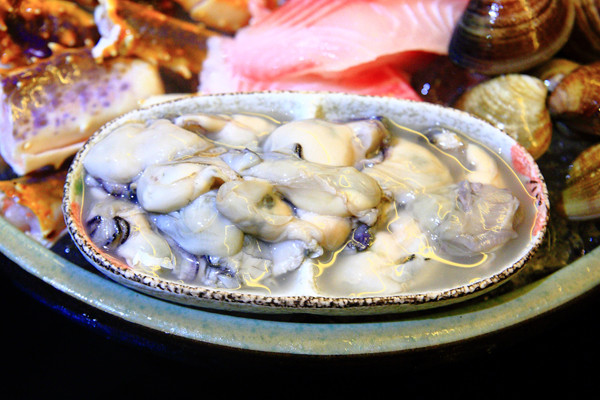
The oysters are all plump and large, a whole plate of them.
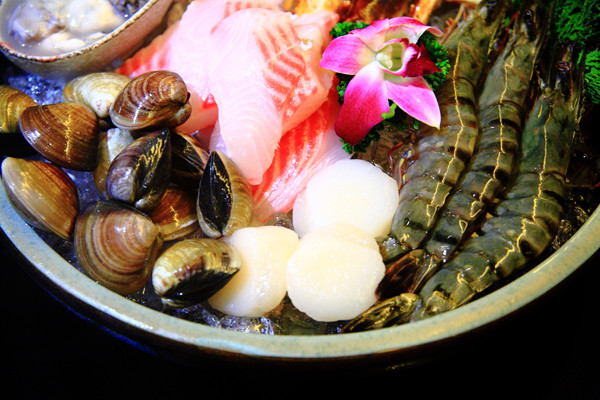
The scallops.
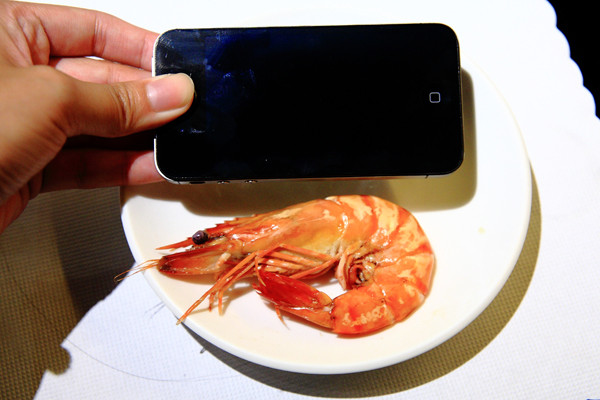
Let Pingzi compare these ingredients for you to see how premium they are. The shrimp are also huge—the shrimp here are incredibly sweet with thick, firm meat. Just blanch them for a few minutes and they’re done. Peel off the shell, and you’ll be tempted to eat another one right after. Each one is very large—and here comes the phone comparison for size again.
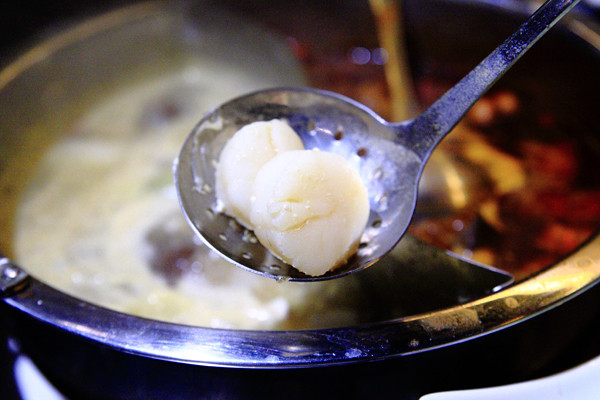
The scallops are also thick and large. Just cook them for 5 minutes and they’re ready—you don’t even need to dip them in sauce to enjoy the freshness of the clear broth.
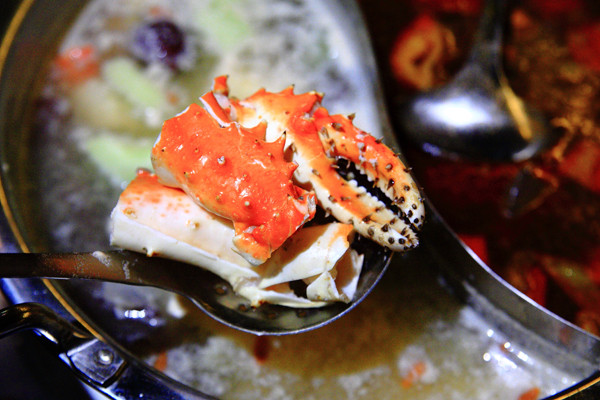
The Hokkaido king crab—here, when the crab goes into the pot, the natural sweetness of the crab enhances the flavor of the broth, making it even more delicious. The crab meat is extremely delicate. That sweetness—it’s truly indescribable, sweet and savory, and unforgettable.
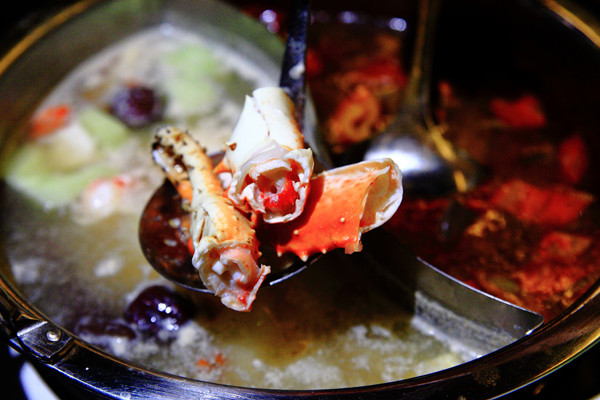
On the side, you can see the thick, pinkish-white, tender meat. After eating one portion, you’ll want another. Autumn and winter are perfect for having king crab to warm up and drive away the chill.
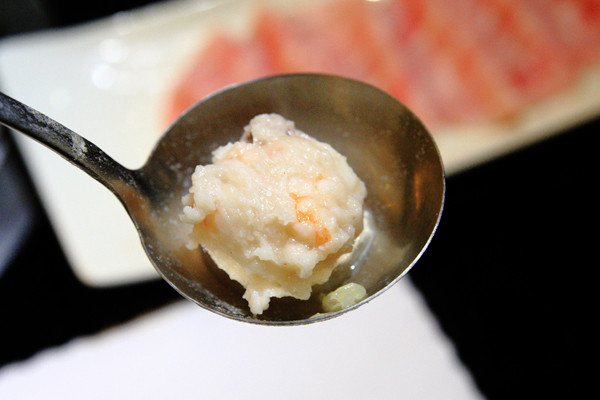
In the shrimp paste, you can taste the full, plump shrimp inside. It has a Q-textured tenderness—so delicious.
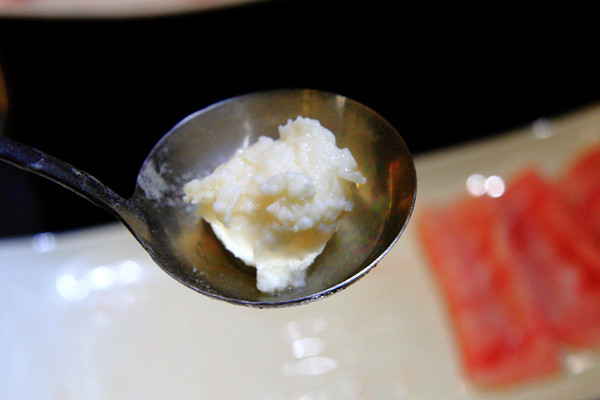
Same with the squid paste—you can really taste the texture of the squid. Seafood paste lovers, don’t miss this.
This luxurious seafood platter—doesn’t it feel like a lot of premium ingredients? The shop owner, Brother Bao, is really generous. Of course, it’s a must-order here.
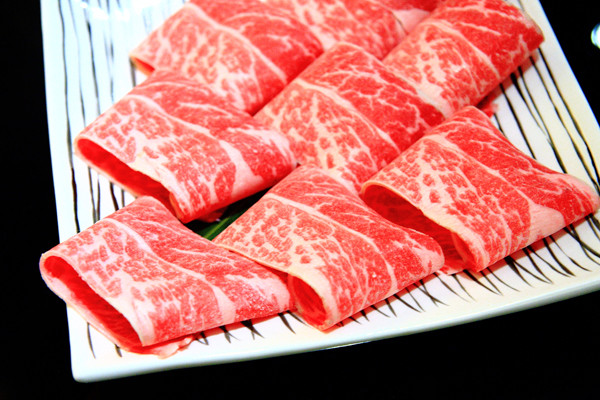
After the seafood, of course, you can’t skip the meats that are essential for hot pot. Pingzi ordered beef and pork. For the beef, she picked American boneless short ribs, 420 NT per portion.
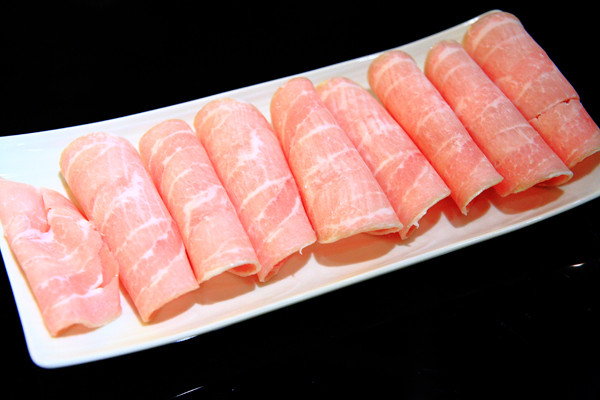
Pingzi prefers pork, so she chose Matsusaka pork, 350 NT per portion. Each slice is thick. Since you get what you pay for, the price is slightly higher, but once you try it, you won’t go back—it’s great value.
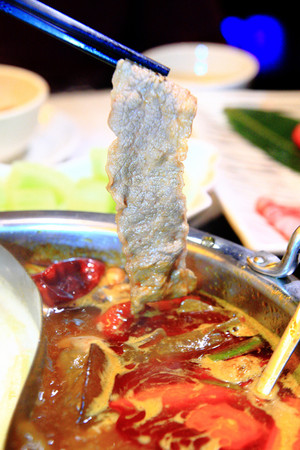
Take the American boneless short ribs, put them in the spicy pot, and blanch for just a few seconds—the beef is ready. Look at these ribs—they’re not greasy at all, and they’ve absorbed the spicy flavors. A must-order for beef lovers.
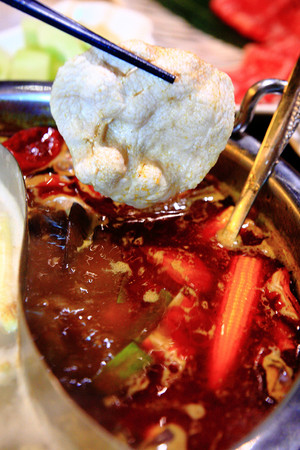
Pingzi loves the Matsusaka pork. Usually, Matsusaka pork is thinly sliced on the bias, small and short—not very satisfying. Here, the slices are round, big and whole. When you blanch them in the pot, they don’t fall apart like cheap pork slices. It’s super delicious. In no time, Pingzi finished the whole plate and couldn’t stop eating.

After the meal, a plum juice is perfect—100 NT per serving. The plum juice pairs wonderfully. The brand of plum juice here is also really tasty.
Pingzi suggests doing what she does—gather 3–4 friends for a meal. You can order a yin-yang hot pot—100 NT for the base, 200 NT for the two broths—plus single orders of a seafood platter, meats, vegetables, etc., priced between 100–350 NT. This way, you can eat very heartily and feel full. If there are more people, Pingzi recommends trying the shop’s signature stir-fries and other dishes to really treat your taste buds.
You might think the a la carte prices are a bit high, but with such premium ingredients, it’s understandable. However, compared to some restaurants, the price here is totally worth it for such high-quality fresh food. Pingzi really doesn’t think it’s expensive. She highly recommends Nanning Zhai’s refined spicy hot pot—it’s better than those just riding on reputation. That’s it—Pingzi ordered so many delicious hot pot dishes, she’s super full. Just looking at these carefully prepared ingredients, doesn’t it seem like a lot of premium items? The shop owner, Brother Bao, is really generous. Quickly gather your friends and come eat spicy hot pot together.
Nanning Zhan Exquisite Spicy Hot Pot.
Address: No. 228, Jilin Road, Zhongshan District, Taipei City.
Phone: 02-2537-5886.
Business Hours: 17:00–03:00.
Nanning Zhan Spicy Hot Pot Facebook Page:https://www.facebook.com/tp228.
upssmile Pingzi (up’s smile Upward Smile)!
She is a designer and also the photographer behind Upward Smile Travel, Food, Design, and Photography.
Passionate about “travel” (旅行), “food” (美食), “design” (设计), “photography” (摄影), and movies.
Blogger:http://upssmile.com/
Share
This article is published by HowToTrip. Sharing and reposting are welcome — please credit the source.
Article URL: https://www.howtotrip.net/views-9806
Related Articles
- Shaoxing's "Grandpa Gourd" hangs the gourds back up: "If there are too many people, we'll interact less — just take a quick look from afar"
- Chinese authorities announce "reciprocal adjustment" to Japan visa fees — single-entry visa jumps from 2,250 to 16,750 yen!
- The "health stones" carried by a traveler were found to have radiation levels exceeding safety limits by a thousand times, potentially endangering fellow passengers on the same flight. Customs issues warning!
- Shenzhen Airport Issues Late-Night Notice: Unidentified Aerial Object Detected, Causing Widespread Flight Delays!
- “They only said it cost money after I opened the box and washed it!” 200g of grapes sold for 60 yuan on a high-speed train—12306 responds!
- Can't buy an airline ticket? Denied exit? Blocked from boarding? A large number of Chinese tourists have mysteriously become "discredited individuals"
- Adverse weather and economic fluctuations impact Colombia's coffee market
- Beach bathing area responds to 2 yuan/30 seconds fee for freshwater foot rinsing: Clearly priced!
- Taking off with an improperly closed cabin door? Wing malfunction? Multiple flights made emergency returns mid-journey!
- Experience the gifts of nature! A countdown of the world’s ten most stunning coastlines