Ring in the New Year in Japan! Here Are 14 Traditional Customs to Know
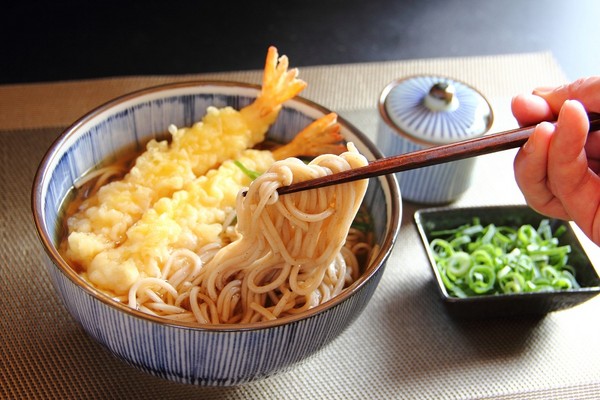
▲ In Japan, people eat “toshikoshi soba” on New Year’s Eve. (Photo / fromRakuten Travel, the same below)
Travel Center / Comprehensive Report
There’s no doubt that New Year is Japan’s biggest holiday. During this period, most Japanese people don’t work or go to school. The meaning of the holiday lies in spending time together with family and friends.Rakuten Travel has released“14 Ways to Enjoy New Year’s in Japan Happily”, telling you about some of Japan’s traditional New Year customs!
【December 26~28】
Create a festive atmosphere with New Year decorations
In Japan, during the New Year season, you can see cultural decorations such as “kagami mochi”—two stacked rice cakes with an orange on top—placed at the entrance. There are also “kadomatsu,” a pair of bamboo and pine decorations, and “shimekazari,” rope ornaments hung at the door to ward off evil spirits. Decorations featuring the animal of the coming zodiac year are also common.
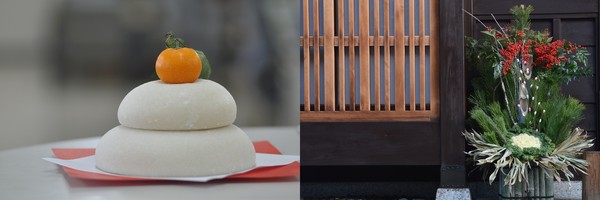
▲ Japan uses decorations to create a festive New Year atmosphere.
Make mochi the traditional way
Mochi, made from glutinous rice, is one of the highlights of New Year food and decoration. Making mochi is very labor-intensive, so nowadays it’s mostly done by machine—but New Year’s mochi is an exception. Mochi for the New Year is made only by traditional methods. It’s usually prepared in batches a few days before New Year’s Eve, to be used for the distinctive “kagami mochi” decoration and “ozoni” soup dish.
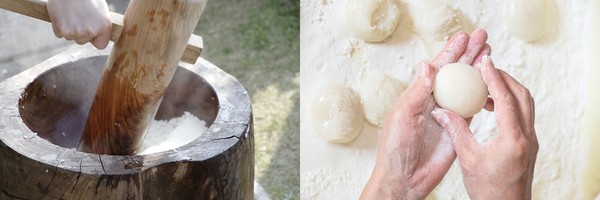
▲ Mochi, made from glutinous rice, is one of the highlights of New Year food and decoration.
【December 31】
Eat “toshikoshi soba” on New Year’s Eve
Literally meaning “crossing over the year,” toshikoshi soba is the last meal of the year in Japan. Its purpose is both practical and symbolic—and its meaning may vary depending on who you ask—but most people believe that long noodles symbolize a long life. Also, leaving any noodles uneaten before the new year arrives is considered a bad omen.
Ring in the New Year by visiting a temple and ringing the bell
Most Japanese New Year customs focus on purification rituals. This ceremony is held on the last day of the year at temples across Japan, both large and small. A bell is rung 108 times, symbolizing the 108 worldly desires taught in Buddhism. Ringing the bell is believed to drive away these sins and prepare for the new year. Some temples allow visitors to ring the bell after the official ceremony, which is said to bring good luck.
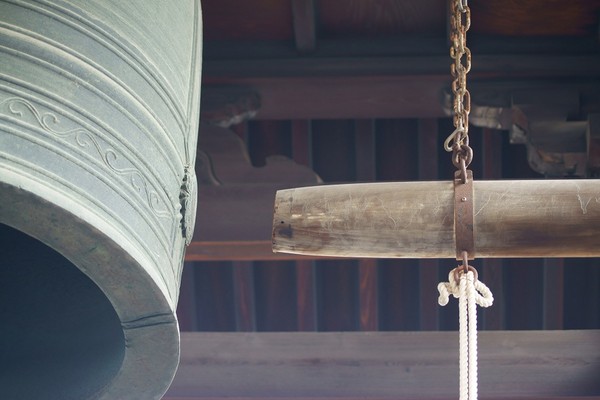
▲ Japanese people visit temples to ring bells for good fortune at New Year.
【January 1】
Watch the first sunrise of the New Year
Japan is known as the “land of the rising sun,” so it’s no surprise that many Japanese people believe the first sunrise of the New Year holds magical, supernatural power. Praying at the moment of the New Year’s sunrise is said to bring good luck—especially when viewed under the spectacular sight of the sun rising. Many people head to mountains or beaches to wait for the sunrise and welcome the new year.

▲ Japanese people believe the first sunrise of the New Year has magical, supernatural powers.
Toast the New Year with medicinal sake
Mainly popular in western Japan, homemade medicinal sake—or “otoso”—is consumed by the entire family on New Year’s morning using a set of three stacked traditional shallow cups. The sake contains various herbs, and it’s believed to cleanse the misfortunes of the past year and bring blessings of longevity and health. Its primary purpose is celebration rather than thirst-quenching, so just a few sips are enough.
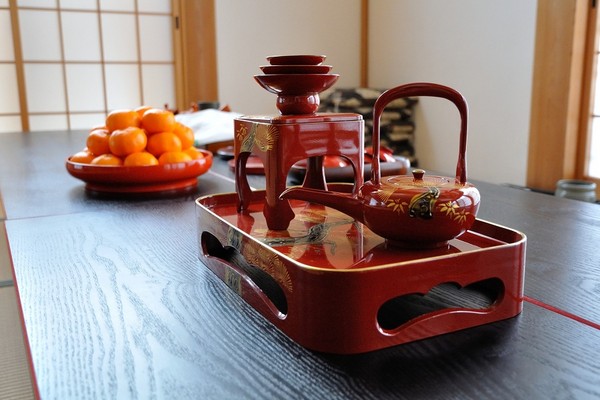
▲ Japanese people toast to celebrate the New Year with medicinal sake in the morning.
【January 1 to January 3】
A lavish New Year’s feast
During Japanese New Year, people typically eat two traditional dishes: “ozoni” and “osechi.” Ozoni originated as a nutritious stew eaten by warriors on the battlefield. Its main ingredient is mochi (rice cakes), but it can also include a wide variety of other ingredients or local and family-specific soup components.
Osechi, on the other hand, dates back to the Heian period. It was believed that cooking during the first three days of the New Year would bring bad luck, so food had to be prepared in advance and preserved for several days. The focus of the New Year’s meal was on stews, dried ingredients, and pickled foods, each dish symbolizing good fortune.
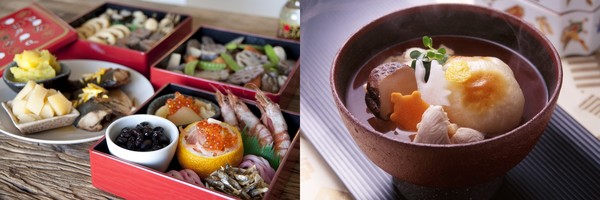
▲ A lavish Japanese New Year’s feast.
Enjoy traditional games and activities
Each family celebrates New Year differently, but the most well-known and beloved traditions involve playing traditional games such as “hanetsuki” (similar to badminton), spinning a wooden top, flying kites, or playing “karuta” (a traditional card game). Other common activities include calligraphy and poetry recitals, while older generations often enjoy listening to Beethoven’s Ninth Symphony to welcome the New Year.
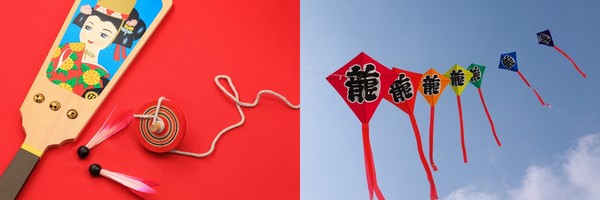
▲ To celebrate Japanese New Year, many enjoy traditional games and activities.
Watch traditional lion dances
The lion dance was introduced to Japan from China during the Tang Dynasty and has since become an integral part of Japanese culture, with regional variations. Lion dances are performed at New Year celebration venues and shrines, often accompanied by festive music. Though the lions may appear fierce, it is said that if one gently “bites” a child’s head with its mouth, the child will enjoy good health throughout the year.
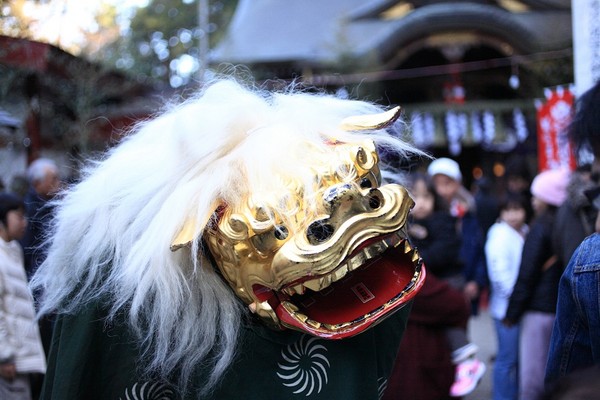
▲ Watching traditional lion dances is another way Japanese celebrate the New Year.
【January 1 to January 7】
Make your first New Year’s wish at a shrine or temple
It is a Japanese tradition to visit shrines or temples during the first three days of the New Year to pray for good fortune. During this time, you’ll see crowds lining up to toss coins (5-yen coins are considered the luckiest) into offering boxes and make their New Year’s wishes to the deities. Many shrines also offer warm “amazake,” a sweet, low-alcohol rice drink.

▲ Japanese people make their first New Year’s wishes at shrines or temples.
Check your New Year’s fortune on an “omikuji”
One of the most popular New Year customs in Japan is drawing an omikuji (fortune slip) at a shrine or temple to predict your luck for the coming year. Each omikuji provides fortunes related to wealth, health, love, and more. If you draw a bad fortune, it is customary to tie it to a designated spot at the shrine or temple to prevent the misfortune from coming true.
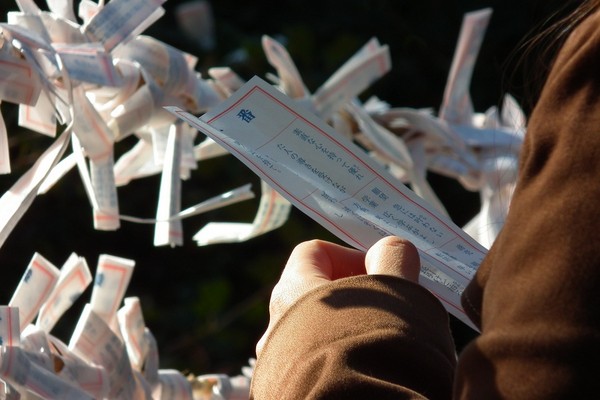
▲ One of Japan’s most popular New Year customs is drawing an omikuji.
Buy an “omamori” for good luck
Omamori are protective amulets commonly purchased at temples or shrines. Different types of omamori carry different meanings and come in various forms — the most common being small brocade pouches (do not open them, or their power will weaken!) and hamaya (arrow charms). Do not burn amulets or omamori yourself; if disposal is necessary, take them to a temple for a formal ceremony.
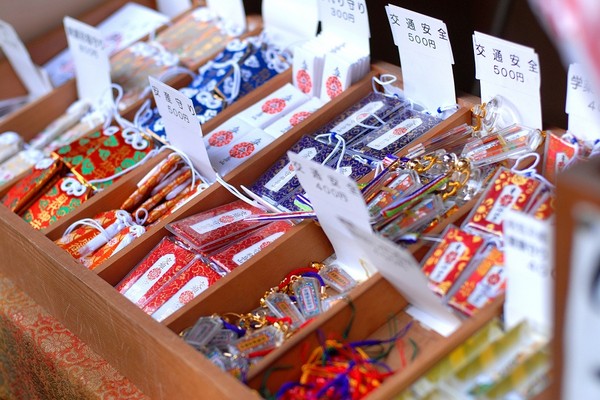
▲ In Japan, people buy omamori for good luck.
Give kids red envelopes
Japanese children receive “red envelopes” during the New Year. Kids usually get these envelopes from parents or relatives, with the amount increasing with age (all children in a family receive the same amount to avoid unfairness). Though it's a routine tradition, the children are free to use the money as they wish.
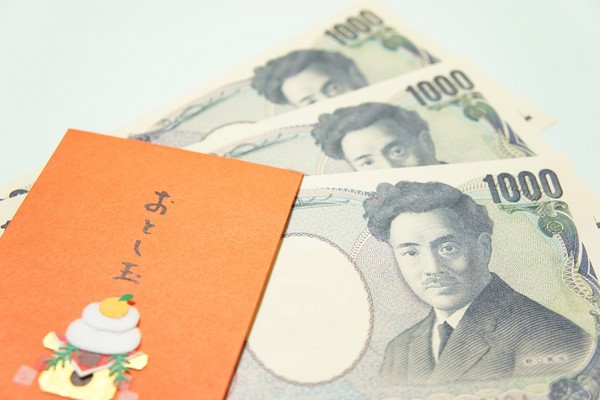
▲ Japanese children receive red envelopes during the New Year.
【January 2】
Look forward to the first dream of the New Year
Since at least the Edo period, Japanese people have placed great importance on the first dream of the New Year. Traditionally, this refers to the dream had between the night of January 1 and the night of January 2, and it is believed to foretell one’s fortune for the year ahead. If you happen to dream of Mount Fuji, an eagle, or an elephant, you are considered to be the luckiest person alive!

▲ Japanese people place great importance on the first dream of the New Year.
Share
This article is published by HowToTrip. Sharing and reposting are welcome — please credit the source.
Article URL: https://www.howtotrip.net/views-9602
Related Articles
- Shaoxing's "Grandpa Gourd" hangs the gourds back up: "If there are too many people, we'll interact less — just take a quick look from afar"
- Chinese authorities announce "reciprocal adjustment" to Japan visa fees — single-entry visa jumps from 2,250 to 16,750 yen!
- The "health stones" carried by a traveler were found to have radiation levels exceeding safety limits by a thousand times, potentially endangering fellow passengers on the same flight. Customs issues warning!
- Shenzhen Airport Issues Late-Night Notice: Unidentified Aerial Object Detected, Causing Widespread Flight Delays!
- “They only said it cost money after I opened the box and washed it!” 200g of grapes sold for 60 yuan on a high-speed train—12306 responds!
- Can't buy an airline ticket? Denied exit? Blocked from boarding? A large number of Chinese tourists have mysteriously become "discredited individuals"
- Adverse weather and economic fluctuations impact Colombia's coffee market
- Beach bathing area responds to 2 yuan/30 seconds fee for freshwater foot rinsing: Clearly priced!
- Taking off with an improperly closed cabin door? Wing malfunction? Multiple flights made emergency returns mid-journey!
- Experience the gifts of nature! A countdown of the world’s ten most stunning coastlines