Macau Cultural Tour: World Heritage Sites & Must-Visit Routes in the Historic Centre

▲ The Guia Fortress offers the best panoramic views of Macau.
Text and photos by Yu Tian
While most people associate Macau with casinos and a luxurious nightlife, gaming aside, tourism revenue is also a major source of tax income for the Macau government. This vibrant Macau Cultural Tour is jointly organized by the Macau Government Tourism Office, the Information Bureau, and China News Service. It takes readers on an intensive exploration of all the officially recommended attractions, covering everything in just two days—including both mountain and seaside sites. The old streets of Macau are very narrow, and parking along the main roads is not allowed. Our private car had to park far away, and we had to call for it again after the tour. All this is to remind you to wear comfortable casual shoes for exploring Macau. The uneven cobblestone floors may be beautiful, but they can be tiring to walk on for long periods. I’ve compiled my personal favorite highlights of Macau travel. These past few days have been filled with temple visits and church tours. Macau is a city where Chinese and Portuguese cultures blend, and old and new elements intertwine. The European-style architecture and ancient city pathways offer a uniquely atmospheric experience.
Officially Recommended Must-Visit Routes & Key Highlights by the Macau Government Tourism Office:
Route 1 – World Heritage Sites
St. Anthony’s Church – Orient Foundation Building – Ruins of St. Paul’s – A-Ma Temple – Old City Wall Ruins – Guia Fortress – Macao Museum of Art & Cultural Activities Centre – Senado Square – Leal Senado Square – Chapel of St. Dominic – Mandarin’s House – Holy House of Mercy Building – Leal Senado Building – Lou Kau Mansion
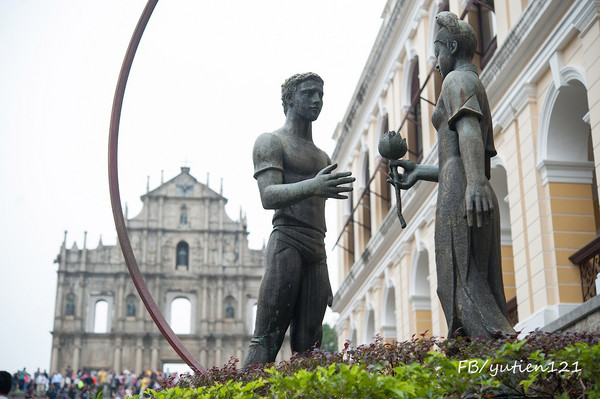
▲ The Ruins of St. Paul’s is a must-photograph spot. Have you noticed the statue of a couple nearby? It’s said to commemorate the historical intermarriage between Chinese and Portuguese in Macau.
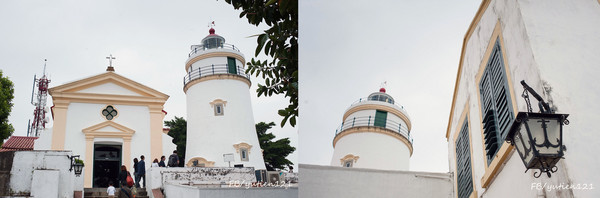
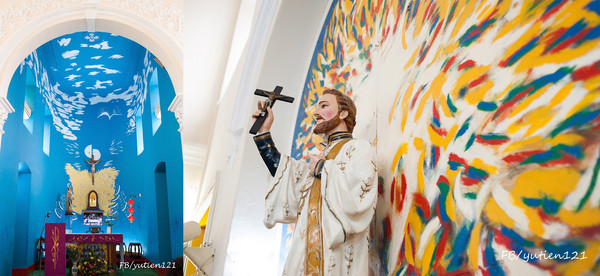
▲ The Guia Fortress not only offers stunning views, but the small chapel nearby also features unique Sino-Western mural art found nowhere else.
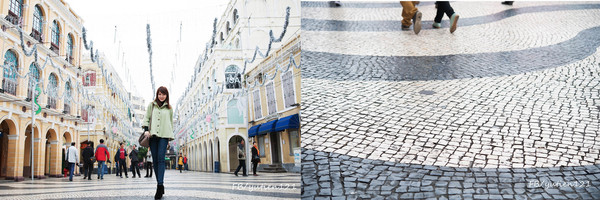
▲ Leal Senado Square: The buildings on both sides were constructed in the late 19th and early 20th centuries. The black-and-white pebble flooring contrasts beautifully with the colorful buildings, making you feel as if you’ve stepped into Southern Europe.
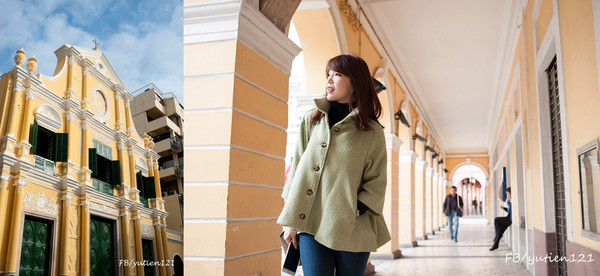
▲ Chapel of St. Dominic: Named after the Madonna of the Rosary, this chapel is the first Dominican church in China. Its Baroque architectural style is exquisitely elegant. The adjacent “Treasury of Sacred Art” houses over 300 precious Catholic relics from Macau.
▲ Right/Holy House of Mercy Building: This structure boasts a strong Southern European architectural style, and its second-floor library contains foreign-language ancient books from the 17th to 20th centuries.
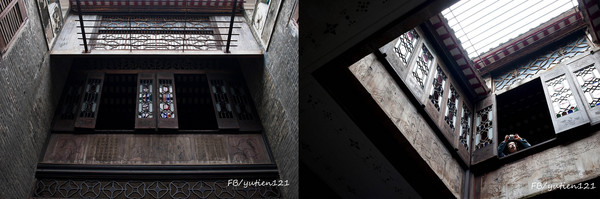
▲ Lou Kau Mansion: What impressed me most was the natural skylight in the courtyard. This mansion was the former residence of the prominent Macau businessman Lau Kuong Sau. Built with thick blue bricks, it’s a classic two-story Chinese-style house.
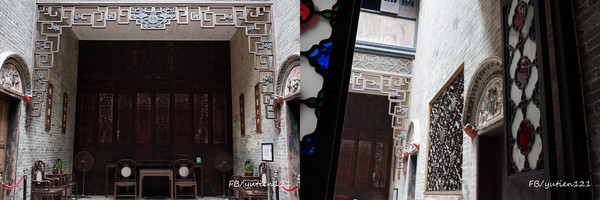
▲ The intricate carvings on the hanging lattices, door frames, and horizontal inscriptions left a stunning impression of Lou Kau Mansion.
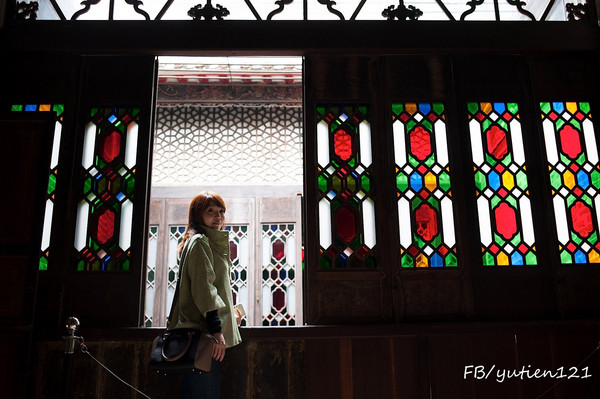
▲ The fusion of European stained glass and Chinese window frames showcases the cultural integration embedded in this historic building.
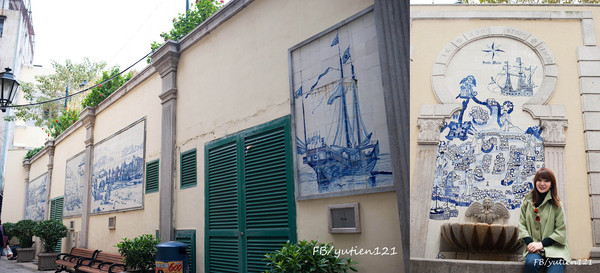
▲ Near Leal Senado Square, you’ll find this classic blue-and-white Portuguese ceramic tile wall.
Route 2 – Historic Centre
Rua da Tercena – Dom Pedro V Theatre – Sir Robert Ho Tung Library Garden – St. Joseph’s Seminary and Church – St. Lawrence’s Church – Lilau Square – Mandarin’s House – Maritime Museum Building – A-Ma Temple
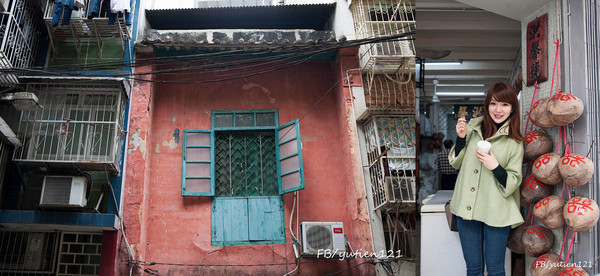
▲ Rua da Tercena: Discover a 146-year-old coconut ice cream shop (Hong Heng), where it takes two catties of coconut flesh to make one catty of coconut milk—enough for just a few small cups of ice cream. This pure coconut flavor can only be found here. Coconut shells hanging at the entrance are covered with stickers and notes.
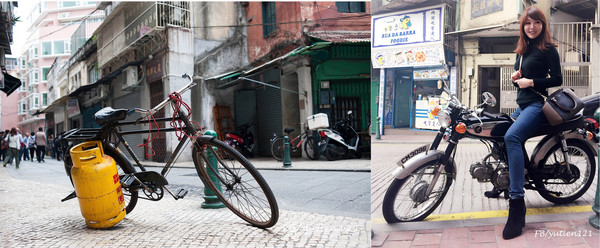
▲ I love strolling through Macau’s old streets—you can uncover many vintage treasures. Suddenly, I spotted a gas delivery bicycle that could carry four gas tanks, tilting precariously when only one remained. Nearby, a 45-year-old man on a shiny old motorcycle caught my eye.
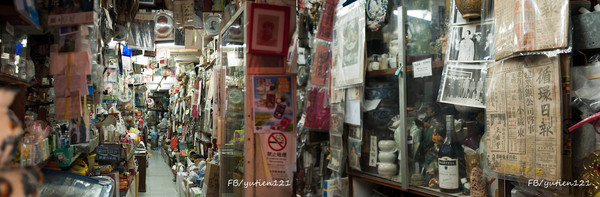
▲ ∇ An old grocery store caught my interest with antique newspapers hanging on the wall—all at least 50 years old. I asked the owner to find a newspaper from my father’s birthday as a keepsake. A long-out-of-print antique paper sold for just HK$50, which is a real bargain. I’m going to frame it when I get home.
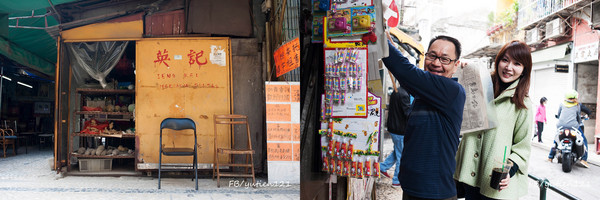
▲ Right/Beneath the thresholds of Macau’s roadside homes, there’s often a shrine to the Earth God. Left/A folding metal door (with decorative carvings) that doesn’t require electricity.
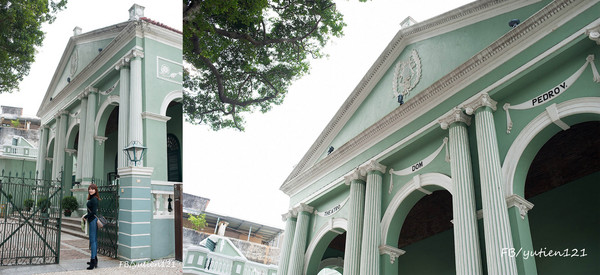
▲ Dom Pedro V Theatre: China’s first Western-style theatre, featuring neoclassical and Greek Revival architectural styles with the luxury typical of European theatres of the time. Painted in green with white trim, paired with dark green doors/windows and a red roof, it stands out distinctly among the yellow-toned buildings of Leal Senado Square.
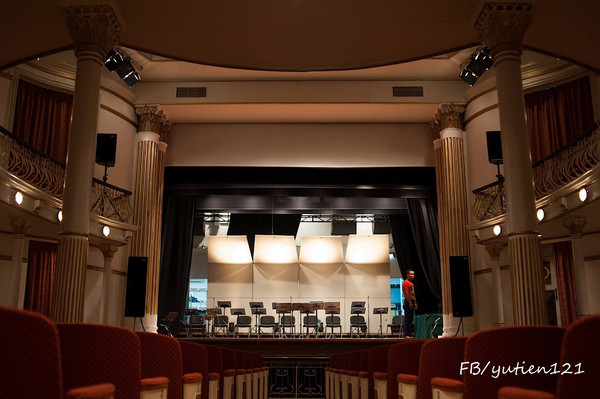
▲ The theatre has 276 seats, and the upper level features a crescent-shaped seating area like traditional European theatres. Now, the theatre hosts 1–2 concerts per month, with tickets priced between NT$250–600. Come experience classical European music in this heritage-listed historic venue.

▲ Headquarters of the Macao Special Administrative Region Government: The front building is a classic Portuguese-style structure with a pink base and white trim—dreamily picturesque.

▲ Left/St. Joseph’s Seminary: A Baroque-style building that trained many church personnel from China and Southeast Asia over 200 years. Known to older generations of Macau residents as the “Shaolin Temple of Macau Catholicism.”
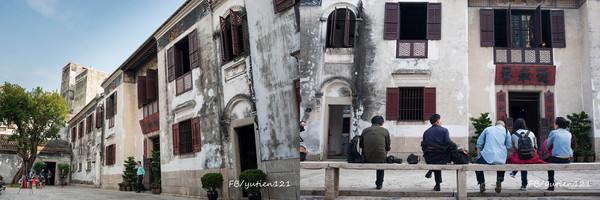
▲ Mandarin’s House: Combines features of traditional Guangdong residences with external cultural influences. The renowned Chinese figure Zheng Guanying wrote his world-famous work “Words of Warning in a Prosperous Age” here. Covering 4,000 square meters with over 60 rooms, it’s a rare example of a family compound in Macau.
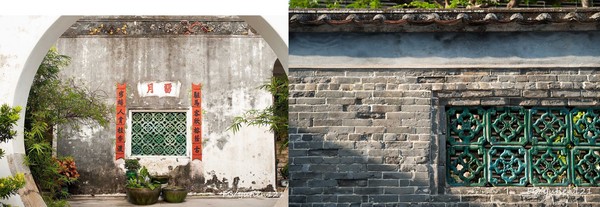
▲ ∇ The decorative elements on the windows and doors of Mandarin’s House still hold historical charm and beauty.
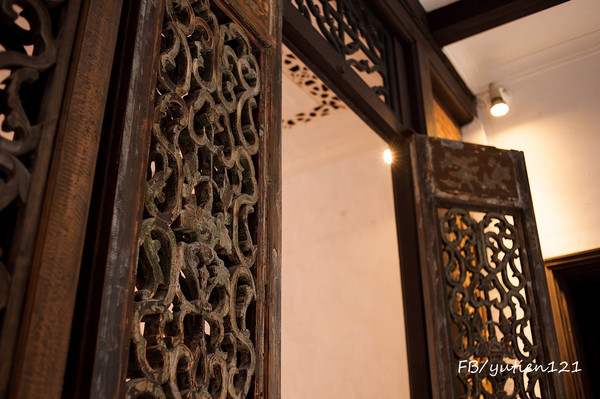
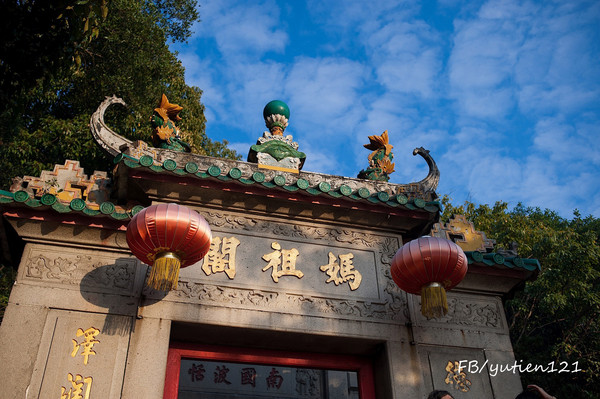
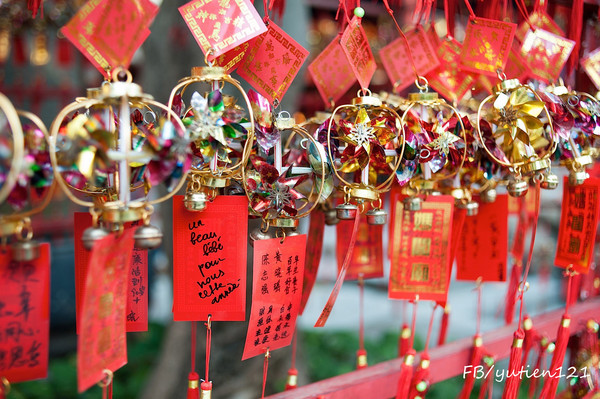
▲ ∇ In the early days, Macau fishermen would come here to pray for safe voyages before heading out to sea. The windmill ornaments symbolizing good marital fortune are inscribed with wishes in languages from around the world, spinning with the sea breeze to bring luck in love.
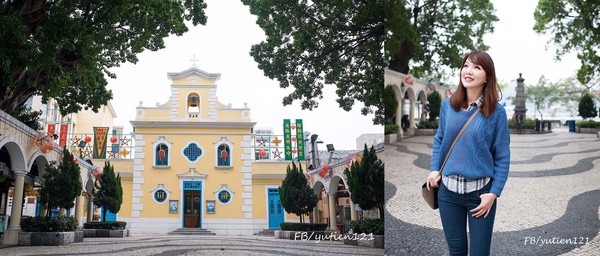
▲∇ The Church of St. Francis is a vibrantly colorful Baroque-style building. In front of the church stands a monument commemorating a historic victory over pirates. Originally, there was a silver reliquary inside the church, containing the sacred arm bone of St. Francis, but it has since been moved to the Museum of St. Joseph for safekeeping.
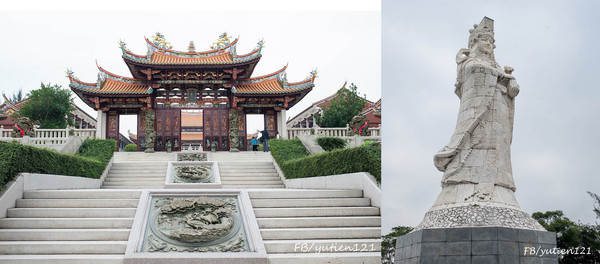
▲ A-Ma Cultural Village. Macau’s English name “Macau” actually comes from the Cantonese pronunciation of “A-Ma Temple.” Located atop the hills along the perimeter road, visitors can take a shuttle bus up the mountain. This area is popular among locals for hiking and exercise. The A-Ma statue at the mountaintop is carved from white marble—the face of A-Ma here looks different from the ones in Taiwan, appearing younger and more elegantly beautiful, somewhat reminiscent of European portrait sculptures.
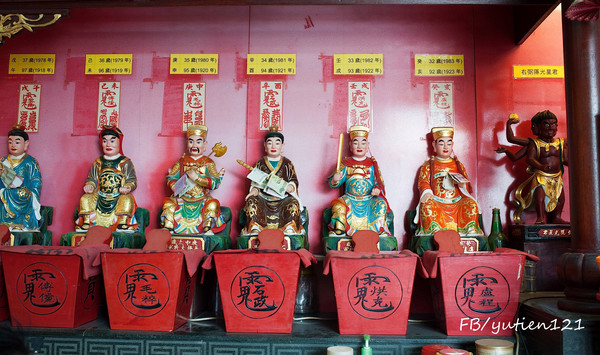
▲ This Tai Sui side hall is quite unique. While everyone knows you should "appease Tai Sui" if you're clashing with it, it’s surprising to find this serene hall adorned with divine Tai Sui statues, each marked with the age group it governs. It’s truly special to be able to pray for peace in front of the Tai Sui deity that rules your birth year.
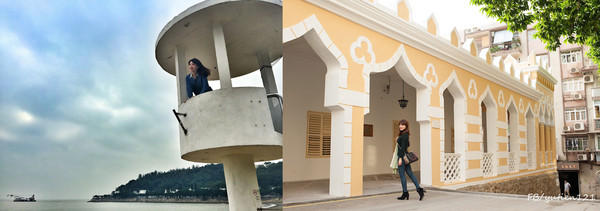
▲ Left / Hac Sa Beach features fine, smooth sand and gentle waters with small waves, often frequented by locals for swimming. The surrounding area includes parks, sports courts, a children's playground, and a whole row of satay barbecue stalls. Though a bit far out, it offers a great glimpse into the leisure life of local residents. Right / The former Indian-police barracks now house the Port Authority Building, rich in Indian architectural style. (Both spots are beautiful photo-worthy places worth a short stop.) Macau is less than a two-hour flight from Taiwan, making it an easy weekend getaway whether you’re looking to shop, catch a show, try your luck at casinos, sample Chinese and Western snacks or Michelin-level cuisine, or explore ancient heritage sites.
Follow the author ‘Yu Tian’:
Fan Page %亥杭a href="https://www.facebook.com/yutien121">Yu Tian
Blog %亥杭a href="http://yutien121.blogspot.tw">Tian Man Hua Xia Zi
Share
This article is published by HowToTrip. Sharing and reposting are welcome — please credit the source.
Article URL: https://www.howtotrip.net/views-9230
Related Articles
- Shaoxing's "Grandpa Gourd" hangs the gourds back up: "If there are too many people, we'll interact less — just take a quick look from afar"
- Chinese authorities announce "reciprocal adjustment" to Japan visa fees — single-entry visa jumps from 2,250 to 16,750 yen!
- The "health stones" carried by a traveler were found to have radiation levels exceeding safety limits by a thousand times, potentially endangering fellow passengers on the same flight. Customs issues warning!
- Shenzhen Airport Issues Late-Night Notice: Unidentified Aerial Object Detected, Causing Widespread Flight Delays!
- “They only said it cost money after I opened the box and washed it!” 200g of grapes sold for 60 yuan on a high-speed train—12306 responds!
- Can't buy an airline ticket? Denied exit? Blocked from boarding? A large number of Chinese tourists have mysteriously become "discredited individuals"
- Adverse weather and economic fluctuations impact Colombia's coffee market
- Beach bathing area responds to 2 yuan/30 seconds fee for freshwater foot rinsing: Clearly priced!
- Taking off with an improperly closed cabin door? Wing malfunction? Multiple flights made emergency returns mid-journey!
- Experience the gifts of nature! A countdown of the world’s ten most stunning coastlines