Cultural Heritage & Cormorant Fishing in Gifu – Visit the Hometown of Japan’s Greatest Warlord Nobunaga Oda
Reported and photographed by Lin Youshan / Gifu, Japan
In recent years, the Chubu and Hokuriku regions of Japan have been actively promoting tourism, making them popular destinations for travelers. Aside from the Tateyama Kurobe Alpine Route,one of the most sought-after spots isthe birthplace of one of Japan’s “greatest warlords,” Nobunaga Oda,
which also offers a deeply enriching cultural experience.
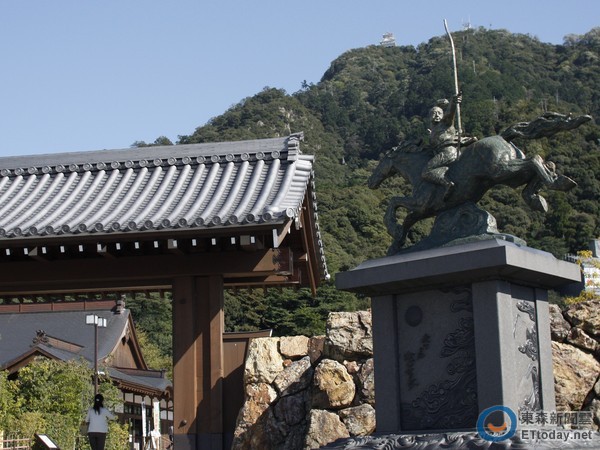
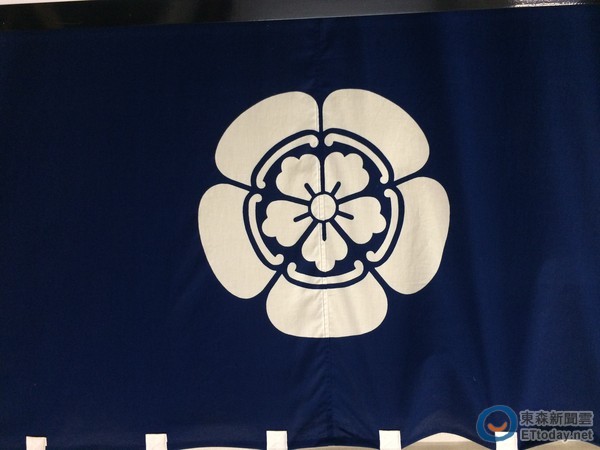
%techstrong>Nobunaga Oda’s roots lie in Gifu, Japan. (Photo by reporter Lin Youshan)Gifu is a renowned ancient city in Japan. In addition to visiting the homes of famous warlords, visitors should not miss the area’s most treasured intangible folk cultural asset and importantcultural heritage: “cormorant fishing.”Travelers can depart from Toyama or take theJR “Tokaido Main Line”
from Nagoya, which takes about 2 hours and 20 minutes to reach Gifu Station, where their exploration of Nobunaga’s hometown begins.
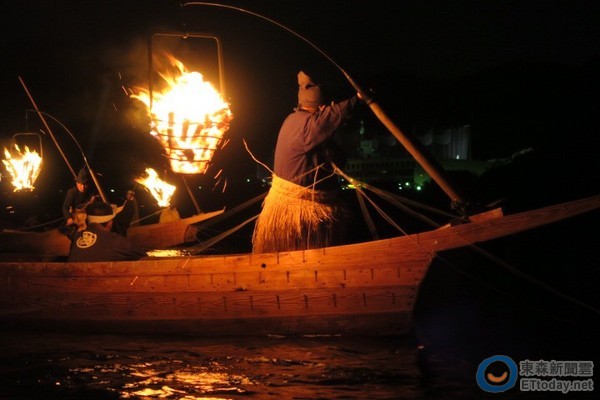
%techstrong>Cormorant fishing is a unique folk cultural art form in Gifu with a history of 1,300 years. (Photo by Yumi)The best time to watch cormorant fishing is from May to October each year, with July being the ideal month. The events start in the evening, and“the last weekend of July and the first weekend of August”
feature spectacular fireworks displays. As soon as the event begins, all nearby shops and hotels along the Nagara River turn off their lights. Coupled with the fact that the weather is still warm, this makes it the best time to visit (autumn arrives around October, bringing a noticeable chill and large day-night temperature differences).
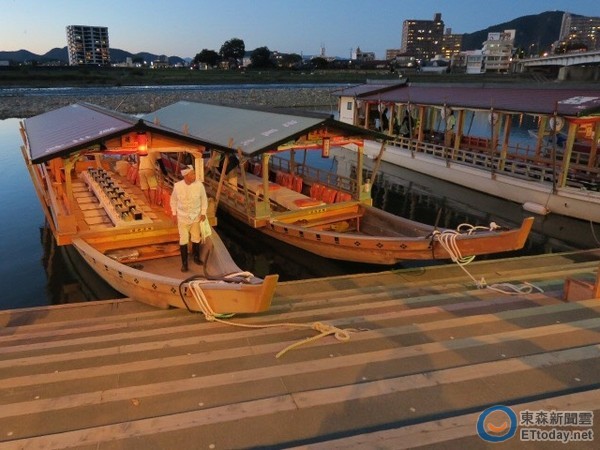
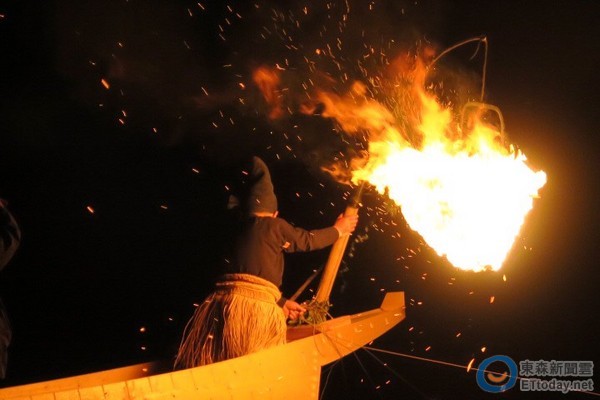
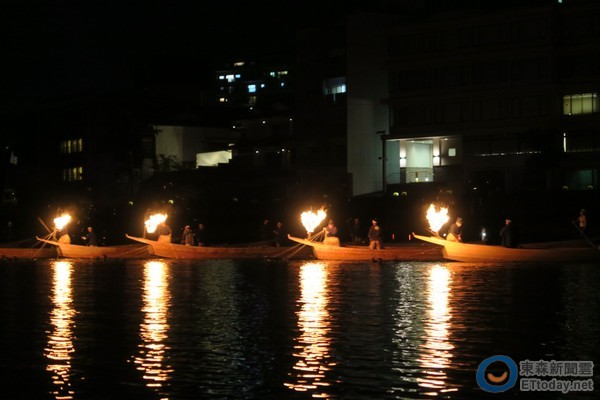
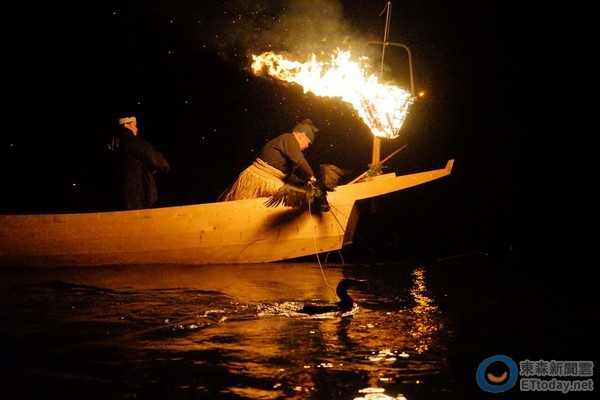
%econThe cormorant fishermen operate on boats in the river, where torches guide the birds during the hunt. The highlight is when the cormorants catch and swallow the sweetfish. Boats come close to the fishing boats for a better view. At the end, all boats line up for a fishing relay, with the last boat usually catching the most fish (order decided by a pre-event draw).
%techstrong>Cormorant fishermen navigate boats with torch-lit cormorants, culminating in a synchronized final fishing relay. (Photo by Yumi)

 Additionally,before heading to Gifu, travelers can choose to stay at regular accommodations and purchase tickets at designated cormorant fishing spots, or they can book a stay at the locally famous century-old hot spring hotel “Juhachirokan,” which has a private access path to the viewing area (a facility exclusive to this hotel).This hotel has a 150-year history in the region and is said to have been visited by the famous haiku poet Matsuo Bashō. It also features the local “Nagara River Hot Spring” (ranked among Japan’s top 100 hot springs), including medicinal hot spring options, with a variety of choices. The rooms are traditional Japanese-style tatami rooms, offering guests an authentic Japanese experience.
%techstrong>Juhachirokan is a well-known century-old hot spring resort in Gifu, featuring a private pathway directly to the riverbank for cormorant fishing boat access. (Photo by reporter Lin Youshan and Yumi)
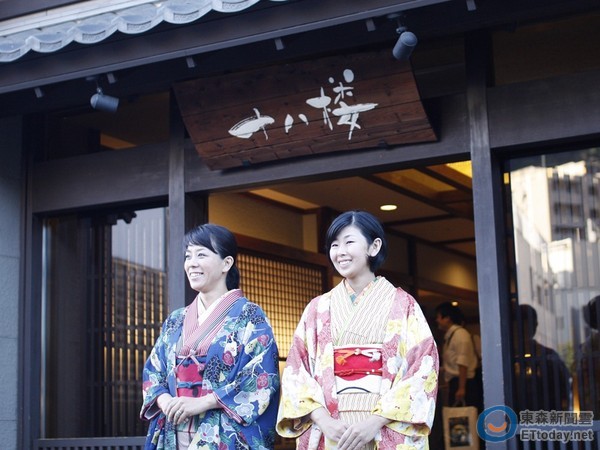
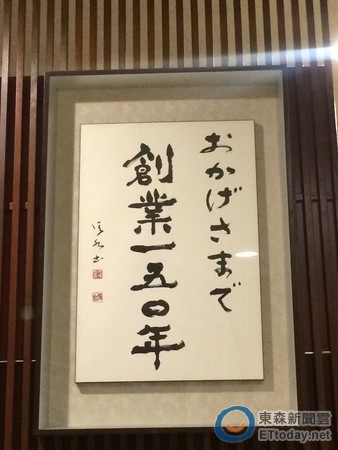

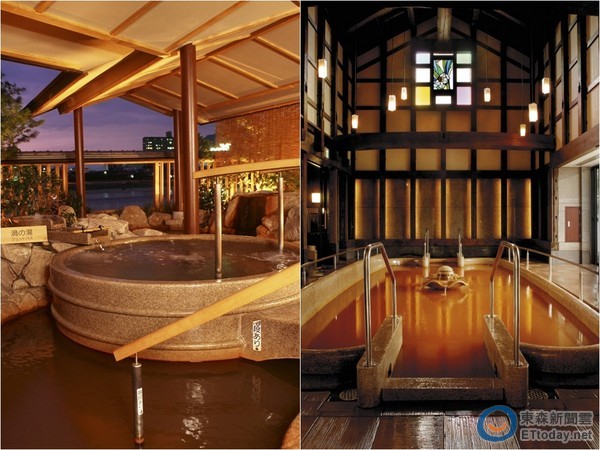
Another highlight of traveling in Gifu is visiting the former residence of Nobunaga Oda – “Gifu Castle.” As the birthplace of Nobunaga, it was the first site in the region to be designated as part of Japan’s Heritage. Visitors can take a cable car to the castle entrance, then walk up the mountain path to see Nobunaga’s former home (now a reconstructed historical site). The roughly three-story structure displays weapons, armor, and portraits or statues of Nobunaga and successive castle lords and their families on each floor. The top floor offers panoramic views of Gifu.
%techstrong>Gifu Great Buddha is one of Japan’s Three Great Buddhas and the only one not commissioned by an emperor. (Photo by reporter Lin Youshan)
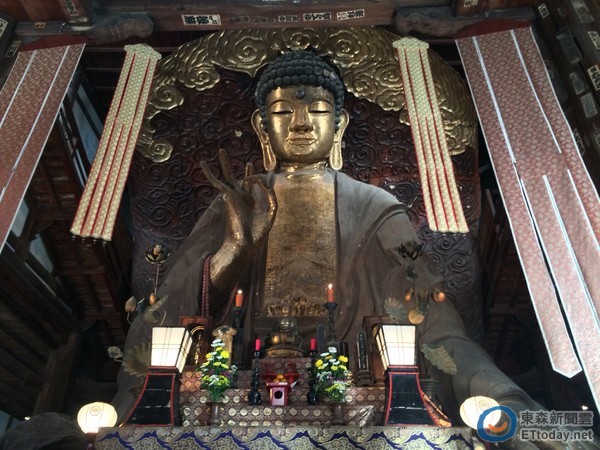
After descending the mountain, visitors can walk to see the “Gifu Great Buddha.” Japan has three great Buddha statues, located in Nara, Kamakura, and Gifu, known as the “Three Great Buddhas of Japan.” The Nara and Kamakura Buddhas were commissioned by emperors, but the Gifu Great Buddha was created by an unknown maker—traditionally said to be commissioned by the temple’s head priest. It is the only one of the three made entirely from paper, clay, and wood, taking 38 years to complete. Two chief priests worked on it, with the first spending 25 years before passing away before seeing the finished product, and the second completing it in 13 years. It remains a symbol of spiritual strength for locals.
Cormorant Fishing Related Notes →
1. The cormorant fishermen, or “Ushō,” follow ahereditary system,passing the role strictly from father to son, and only to the “eldest legitimate son.”
2. Cormorant fishing is an ancient skill that has been passed down locally for 1300 years. Legend has it that during the time of Oda Nobunaga, cormorant fishermen (Ushō) were granted a special status, which later became one of the official government positions appointed by the Emperor. Currently, there are only six officially certified householdsthat still possess this technique..
3. The relationship between the Ushō and the cormorants is close but not restrictive—the birds are not kept in captivity. If a cormorant leaves, it is set free. To avoid forming too close an attachment, the Ushōdo not give names to their cormorants..
Friendly Reminder:Before the 7:30 AM fireworks display, it is recommended that visitors leave the boats and use the designated event restrooms.
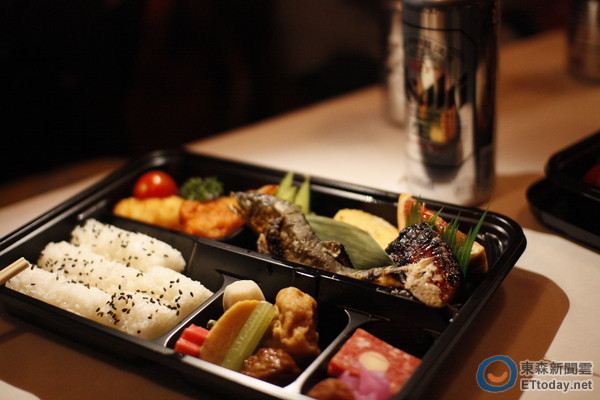
%技strong>The “specialty” of Gifu caught by cormorants—dish made from sweetfish with scrape marks. (Photo by reporter Lin Youshan)
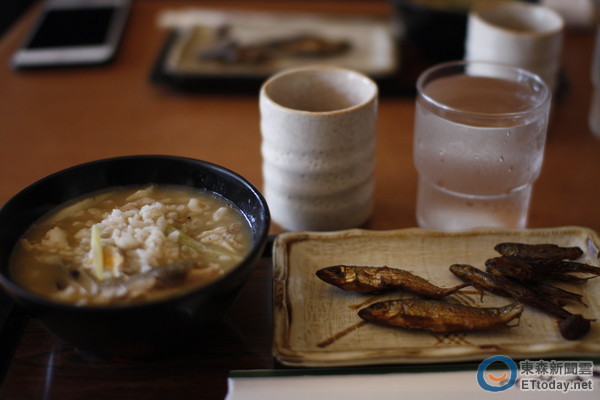
3. Cormorants have teeth, and when they swallow sweetfish, they leave scrape marks on them. Therefore,“sweetfish with scrape marks”is a must-try local delicacy.
4. At the end of the performance, all boatmen line up to fish together, with the last boat usually catching the most (the fishing order is decided by lottery before the event).
%技strong>Currently, only six households in Japan hold official certification as Ushō. (Photo by reporter Lin Youshan)


How to Watch:
1. Make a reservation by phone or on-site before the event (18th Floor Onsen Kaikan has a dedicated booking channel).
2. Pricing is per person, approximately 3100 to 3400 Japanese yen.
Ticket reference website → http://www.gifucvb.or.jp/chc/01_sightseeing/01_01.html
“18th Floor” official website → http://www.18rou.com/
How to get to Gifu → Depart from Toyama or take the JR from Nagoya, about a 2-hour and 20-minute direct ride to Gifu Station.
Gifu Tourism Official Website → http://travel.kankou-gifu.jp/tw/
Share
This article is published by HowToTrip. Sharing and reposting are welcome — please credit the source.
Article URL: https://www.howtotrip.net/views-9191
Related Articles
- Shaoxing's "Grandpa Gourd" hangs the gourds back up: "If there are too many people, we'll interact less — just take a quick look from afar"
- Chinese authorities announce "reciprocal adjustment" to Japan visa fees — single-entry visa jumps from 2,250 to 16,750 yen!
- The "health stones" carried by a traveler were found to have radiation levels exceeding safety limits by a thousand times, potentially endangering fellow passengers on the same flight. Customs issues warning!
- Shenzhen Airport Issues Late-Night Notice: Unidentified Aerial Object Detected, Causing Widespread Flight Delays!
- “They only said it cost money after I opened the box and washed it!” 200g of grapes sold for 60 yuan on a high-speed train—12306 responds!
- Can't buy an airline ticket? Denied exit? Blocked from boarding? A large number of Chinese tourists have mysteriously become "discredited individuals"
- Adverse weather and economic fluctuations impact Colombia's coffee market
- Beach bathing area responds to 2 yuan/30 seconds fee for freshwater foot rinsing: Clearly priced!
- Taking off with an improperly closed cabin door? Wing malfunction? Multiple flights made emergency returns mid-journey!
- Experience the gifts of nature! A countdown of the world’s ten most stunning coastlines