A spicy hot pot for one too—don’t miss their signature Asian pear bone broth!

Text and photos byPaperclip・Food Photography Joy
After two days of chilly 10°C weather, Taipei’s temperatures haven’t risen much these past couple of days, and the northeast monsoon has even brought moisture—making everything damp and uncomfortable. I had originally wanted to go to Ramen Lanmaru for a hearty soy sauce ramen, but there was a long queue. Just a few steps ahead, I spotted a newly opened shop. It looked bright and clean, serving individual portions of spicy hot pot. This piqued my curiosity, since spicy hot pot is almost always meant for sharing with others... So I went in.
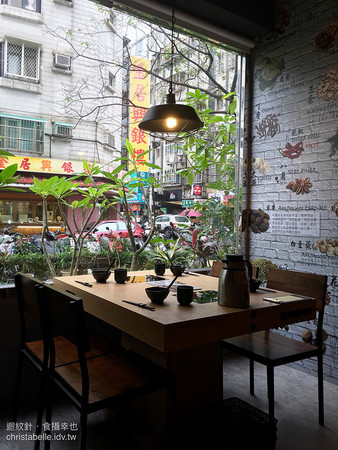
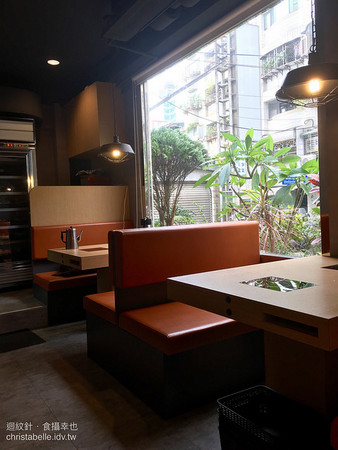
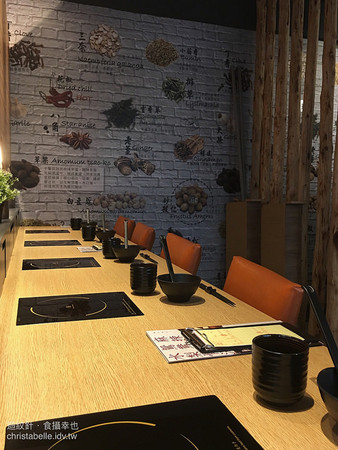
The seating inside is divided between the left and right sides. The right side by the windows has four-person tables, while the left side along the wall has a row of individual booths facing the wall—even dining alone here doesn’t feel awkward. The walls are also adorned with illustrations showing various Chinese herbs and spices, which actually blend in quite well and make for an interesting read while eating, adding to your knowledge.
After pouring me a cup of hot tea, the server explained how the meal works. On the left side of the tri-fold menu are options for main broths featuring beef, pork, lamb, and seafood, categorized into three types: white broth with Asian pear bone soup, red spicy broth, and a mixed (yin-yang) broth. Prices range from around 250 to 670 NT. You can also add other ingredients or drinks based on your preferences.
Since I came alone, I naturally ordered a single portion, but the restaurant also allows sharing a pot for two (though each person has a minimum spend—250 NT for the white broth, 300 NT for the spicy broth). I thought that sharing a pot for two might actually be nice—not only do you get to enjoy the hot pot, but you can also order extra meat plates or hot pot ingredients. That way, you meet the minimum spend and get to try a variety of ingredients.
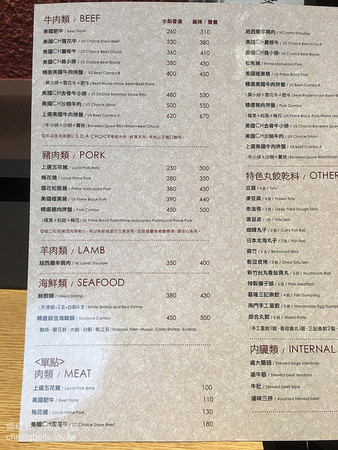
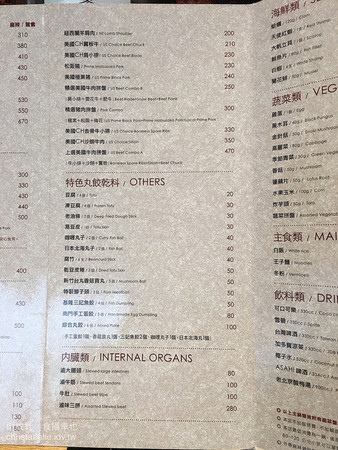
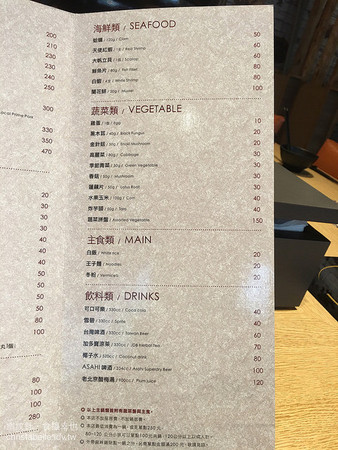
It was my first time here, so I ordered the “Premium U.S. Beef Platter” yin-yang hot pot (450 NT), and also added a plate of braised beef tendon (100 NT).
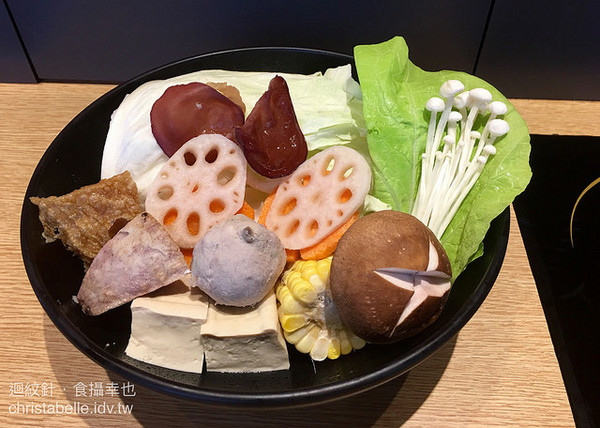
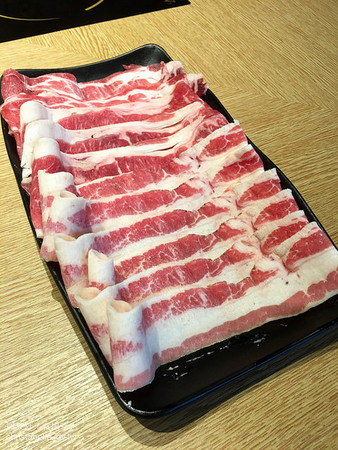
The server first brought out the plate of ingredients. This plate seemed a bit different from what was shown in the menu photo—the photo displayed a plate piled high with ingredients, but the actual one looked rather sparse and less vibrant. I guess this is similar to those illustration stickers on instant noodle lids ^^a
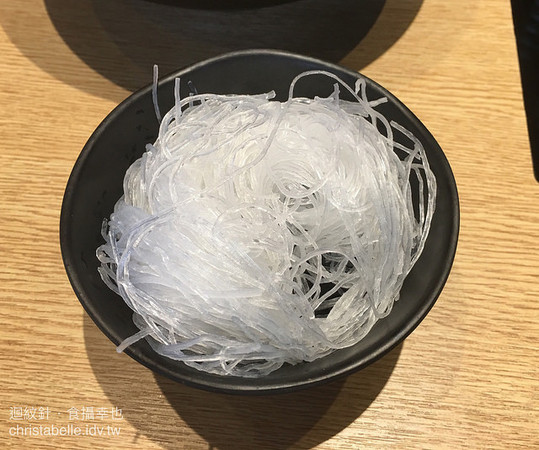
You can also choose rice, (Prince) noodles, or glass noodles—I opted for the glass noodles.
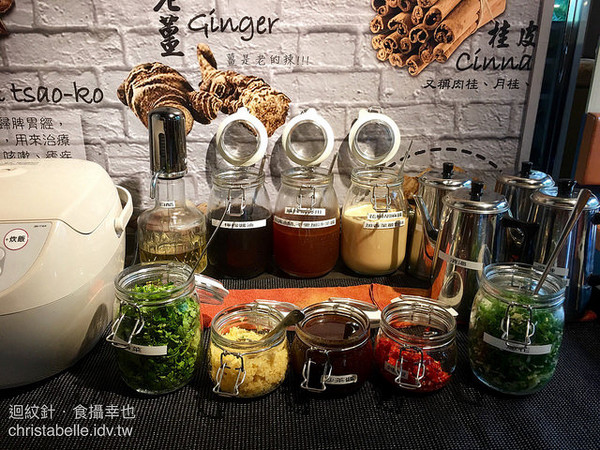
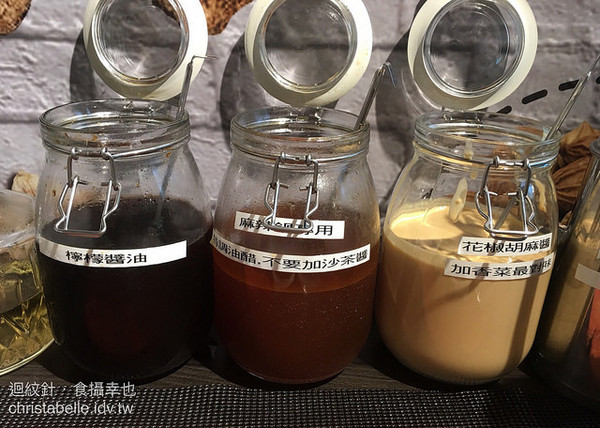
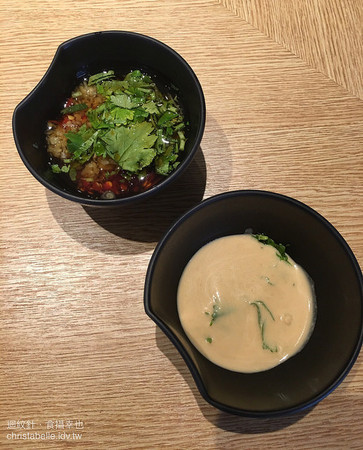
After ordering, I went to get the dipping sauces. The dipping sauce section here is small, but still offers a good variety and is neat and tidy, giving a great impression. When I eat hot pot, I only like to add pure spice ingredients like garlic, fresh chili, scallions, and cilantro, along with soy sauce and white vinegar. But here at Zila, they also have three special dipping sauces: lemon soy sauce, a dedicated oil-vinegar sauce for spicy hot pot, and a Sichuan pepper and sesame sauce. I was quite interested in the Sichuan pepper and sesame sauce, so I took some and followed the suggestion to add a bit of cilantro.
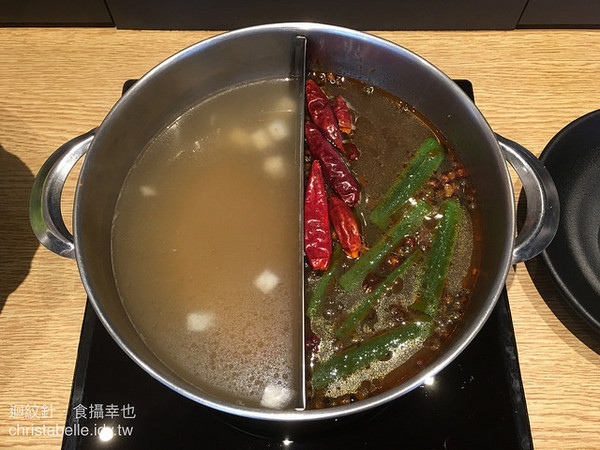
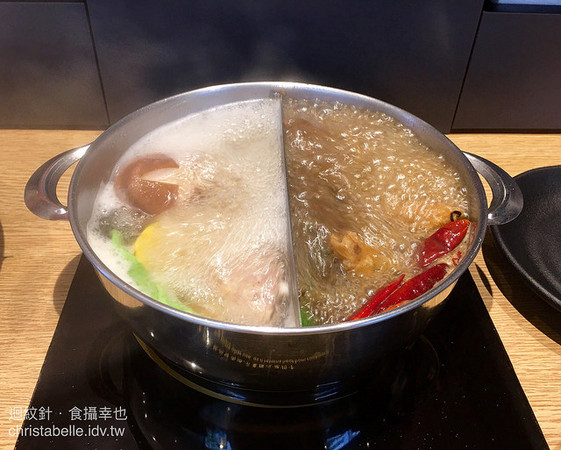
By the time I got back, the hot pot was already on the burner heating up. On the left is the restaurant’s signature Asian pear bone broth. The shop specially uses high-mountain Asian pears from Taiwan (the white chunks in the soup are the pears), along with vegetables, pork bones, chicken bones, and chicken feet to simmer the broth. No MSG or butter is added, giving it a faintly sweet taste, and it’s safe for friends who don’t eat beef to enjoy too.
The red broth, on the other hand, is made by the shop using a variety of Chinese herbs steeped in 58°C Kinmen Kaoliang liquor and hot water, plus red oil douban and Yongchuan fermented black beans imported from Pi County, Sichuan. The base is stir-fried for nearly four hours before cooking. Before adding any hot pot ingredients, the broth tastes saltier with the numbing aroma of Sichuan peppercorn, but for someone like me who enjoys spicy food, it didn’t feel very spicy at all.
The beef platter consists of a combination of American-style wagyu, shoulder steak slices, and snowflake beef. Zila uses U.S.D.A. Choice grade beef from America, and the marbling looks fairly even.
After taking a few photos and looking around, the hot pot was soon boiling hot.
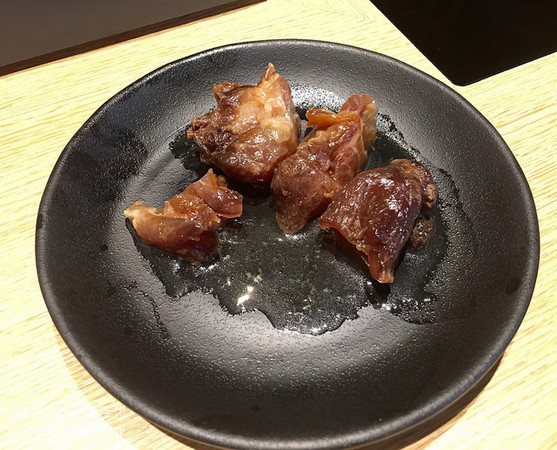
By then, the braised beef tendon arrived. I quickly dropped a piece in to cook, only to realize I hadn’t taken a photo yet. This little plate had just five or six small pieces and cost 100 NT—not exactly cheap.
Let’s start with the snowflake beef.
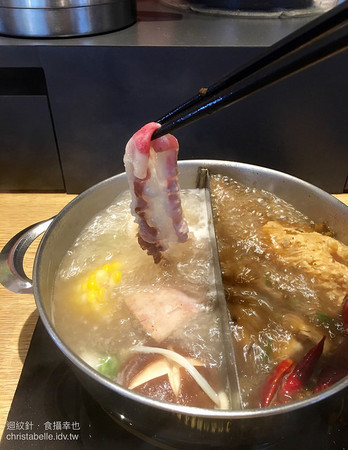
The snowflake beef is thinner, so I only boiled it for about five or six seconds before taking it out. It looked perfectly cooked and was extremely tender as well. For meat boiled in the white broth, I recommend dipping it in the Sichuan pepper and sesame sauce.
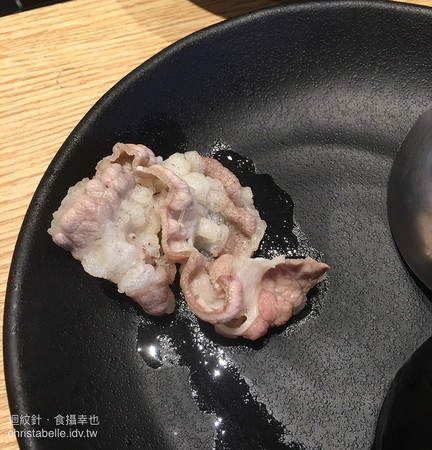
Next, I boiled the wagyu. The wagyu has the thickest meat among the three, and the texture is a bit more fibrous.
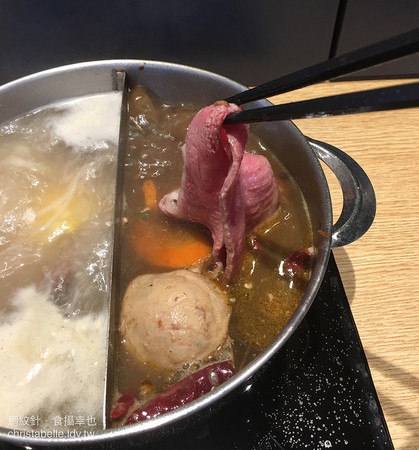

Finally, I boiled the shoulder steak slices. Compared to the other two, I liked this one the best—the thickness was just right, giving a real sense of eating meat. Plus, with its richer fat content, the texture wasn’t as rough. It only needed about ten seconds of boiling too.

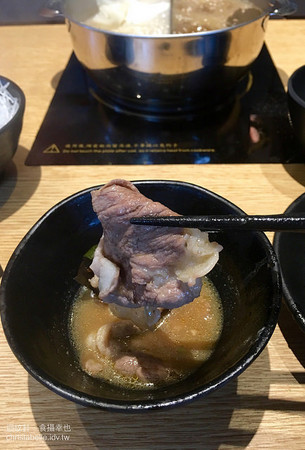
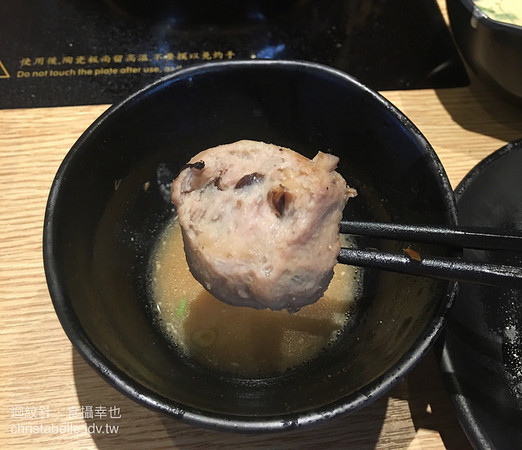
The ingredient plate also came with one large shiitake mushroom ball—it’s from Hsinchu.
Throughout the meal, the staff proactively refilled both the white and red broths twice, and even asked if the spiciness level of the spicy broth was to my liking. The service was very attentive. At the end, I also had a bowl of the mixed white-and-red broth. Eating something with this flavor in such weather really felt comforting.
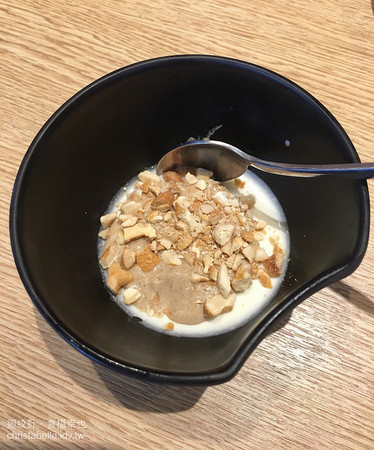
The dessert was a soy milk panna cotta, topped with sesame sauce and almond nuts. The portion wasn’t large, but it was a very sincere dessert with an excellent taste!
The restaurant doesn’t charge a service fee. I think I’d definitely come again if given the chance—whether with friends or on my own.
[info]
Zila. Individual. Spicy.
https://www.facebook.com/zilaspice/
No. 12-1, Yanji Street, Songshan District, Taipei City
02-25781060
Paperclip 'Food Photography Joy
Love should be timely, love should be immediate, love should be at the right time
Paperclip 'Food Photography Joy Blog、Fan Club
Share
This article is published by HowToTrip. Sharing and reposting are welcome — please credit the source.
Article URL: https://www.howtotrip.net/views-9037
Related Articles
- Shaoxing's "Grandpa Gourd" hangs the gourds back up: "If there are too many people, we'll interact less — just take a quick look from afar"
- Chinese authorities announce "reciprocal adjustment" to Japan visa fees — single-entry visa jumps from 2,250 to 16,750 yen!
- The "health stones" carried by a traveler were found to have radiation levels exceeding safety limits by a thousand times, potentially endangering fellow passengers on the same flight. Customs issues warning!
- Shenzhen Airport Issues Late-Night Notice: Unidentified Aerial Object Detected, Causing Widespread Flight Delays!
- “They only said it cost money after I opened the box and washed it!” 200g of grapes sold for 60 yuan on a high-speed train—12306 responds!
- Can't buy an airline ticket? Denied exit? Blocked from boarding? A large number of Chinese tourists have mysteriously become "discredited individuals"
- Adverse weather and economic fluctuations impact Colombia's coffee market
- Beach bathing area responds to 2 yuan/30 seconds fee for freshwater foot rinsing: Clearly priced!
- Taking off with an improperly closed cabin door? Wing malfunction? Multiple flights made emergency returns mid-journey!
- Experience the gifts of nature! A countdown of the world’s ten most stunning coastlines