The most awe-inspiring journey to experience an "active volcano" up close!Top 5 must-visit spots on Sakurajima
▲Sakurajima Volcano remains highly active and is one of the world’s foremost active volcanoes. (Video source / Provided by Sakurajima Visitor Center)
Reported by Zhao Yuting / Sakurajima, Japan
Located in the southern part of Japan’s Kyushu regionSakurajima, one of the world’s few remaining active volcanoes, is also a symbol of Kagoshima.Full of vitality, it erupted massively during the 1914 Taisho Eruption, spewing about 10 billion tons of lava that filled the eastern strait, connecting the previously isolated island of Sakurajima to Kagoshima. However, this eruption also claimed 58 lives, yet the islanders did not abandon this rare volcanic island. Although the locals joke that"there are more days with volcanic ash than rainy days", they still coexist harmoniously with the volcano. Once rooted, they are not easily moved.
 +
+
▲Aerial view of the crater. (Photo / Provided by Sakurajima Visitor Center)
Most people would feel fear at the mention of a "volcanic eruption", but this world-renowned active volcano attracts about 1.5 million visitors each year to witness its power. Sakurajima Volcano consists of "North Peak" (1,117 meters above sea level) and "South Peak" (1,060 meters above sea level), but North Peak has not erupted in 2,000 years. South Peak has had 737 small eruptions over the past 104 years, but unusually, there have been no eruptions from South Peak for three months since September last year. Local observers speculate that it may have entered a resting phase.
Sakurajima is just 4 kilometers from downtown Kagoshima and is usually accessible by ferry, bus, or car. For the local 4,500 residents, Sakurajima is their roots. Even if evacuated due to volcanic eruptions, they will return to the island once the alert is lifted, clean up their homes, and continue life as usual. To them, Sakurajima is a gift from heaven because geothermal energy from the volcano provides natural hot springs, and the volcanic soil allows cultivation of Sakurajima’s specialty products. The ocean, too, has developed diverse underwater geology due to the influx of lava.
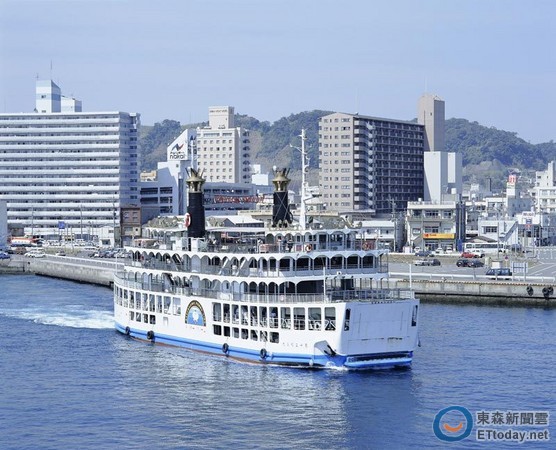
▲The Sakurajima ferry is more impressive than you might expect. (Photo / Provided by the Kagoshima Tourism Association)
It’s no exaggeration to call this an enchanting island. Sakurajima is also known asthe "Island of Seven Colors"because its appearance changes greatly depending on time and direction. On a clear day, the volcano stands majestically against the blue sky, embraced by sunlight, like a warm hearth. But at sunset, the reddened volcano looks like a beast ready to pounce. Additionally, the island's volcanic landscape has created many rare sights, and you haven’t truly set foot on Sakurajima if you miss a few must-visit spots.
Must-visit Spots on Sakurajima
1. Sakurajima Visitor Center
Most people would assume a "visitor center" is boring, but how could such an active volcano be ordinary? Passing through the entrance of the visitor center, you’ll see the "Kirishima-Kinkowan National Park", with breathtaking sea and mountain views, as well asa 101-meter-long "natural foot onsen", which is naturally another gift from the volcano.The natural foot bath is around 50 degrees Celsius, with a sodium-salt spring quality that helps relieve bruises and aid healing.
The visitor center documents the legendary history of Sakurajima Volcano, offering a microcosm that takes you into the history only experienced by the island’s residents. Next to the foot bath and on the sea surface, you can also see many uniquely shaped lava rocks. There’s also the "Sakurajima Lava Trail", where you can literally walk on genuine volcanic ash. Moreover, the Sakurajima coast is actually suitable for diving, with fairly deep waters and terrain similar to that of Hualien and Taitung in Taiwan—steep drops where the seabed suddenly plunges 10 meters with every step.
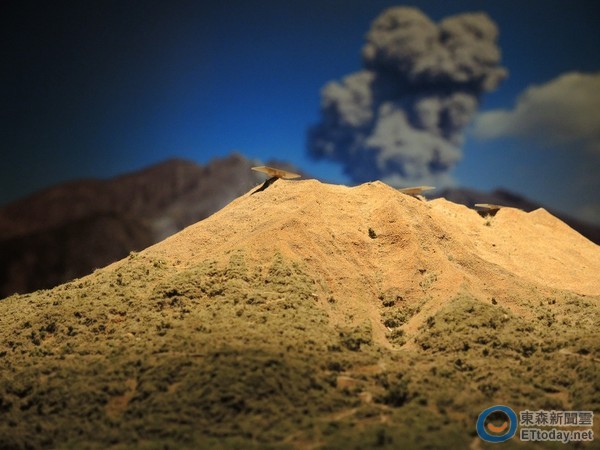
▲From the right angle, the volcano model can also be photographed to look incredibly lifelike. (Photo / Taken by reporter Zhao Yuting)
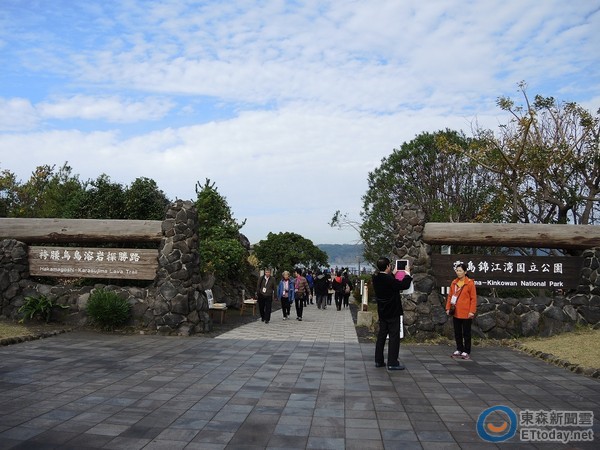
▲The Kirishima-Kinkowan Park behind the Sakurajima Visitor Center. (Photo / Taken by reporter Zhao Yuting)
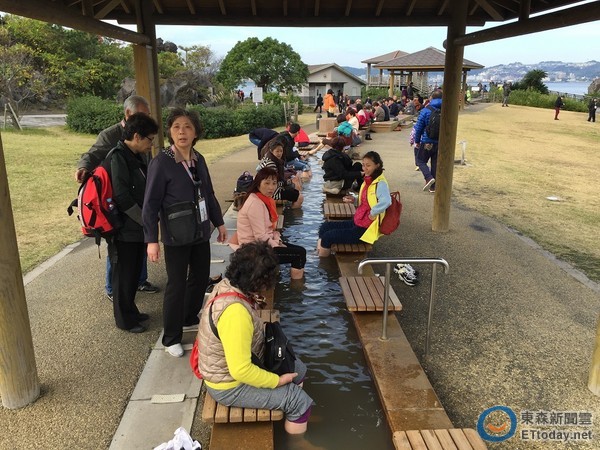
▲The park offers an 110-meter-long free foot bath. (Photo / Taken by reporter Zhao Yuting)
2. The Bird Gate Buried in Black Ash
The bird gate is a vivid testament to the threat of volcanic eruptions. The 1914 Taisho Eruption buried a 3-meter-tall bird gate down to just 1 meter in ash. A bird gate is a symbol of a Shinto shrine. It is understood that this buried gate originally belonged to either the "Harunogosha Shrine" or the "Hara Goshisha Shrine", with the little red hut at the buried entrance used to worship the shrine deities. Going deeper, the main hall of the shrine still remains, enshrining the "grandson of Amaterasu—the Three Generations of Heavenly Descendants". Due to the sacred nature of the bird gate, residents initially wanted to remove the volcanic ash together, but to let future generations understand the severity of volcanic eruptions, they decided to preserve it, making it one of the attraction spots.
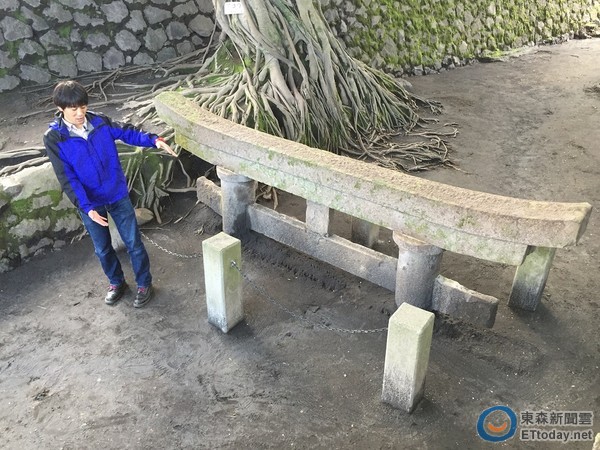
▲The 3-meter-tall bird gate was buried in ash down to just 1 meter. (Photo / Taken by reporter Zhao Yuting)
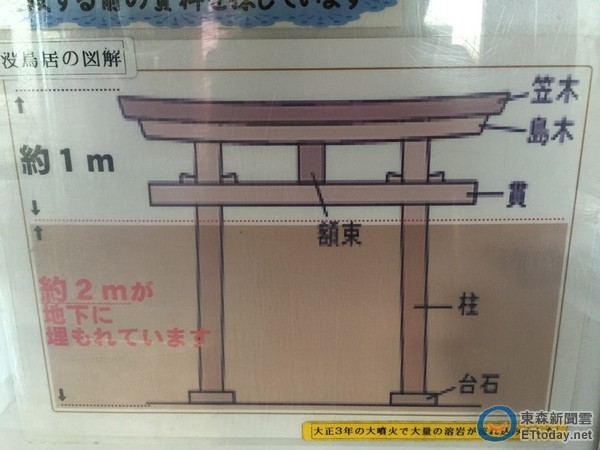
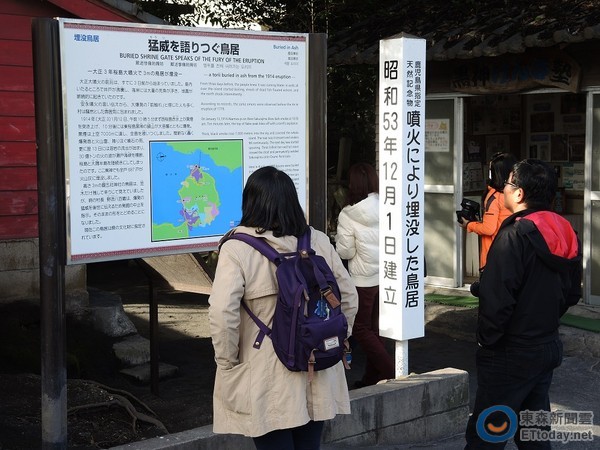
▲Torii gates are sacred symbols, and local signs have been erected to mark their history. (Photo by reporter Chao Yuting)
3. Tsubonoue Observation Deck
Tsubonoue Observation Deck sits at an elevation of 373 meters, approximately 3 kilometers from the crater, marking the safe limit. From here, you can gaze at the volcano up close, and the soot rain often seen during eruptions creates a surreal scene. Moreover, on clear days, you can even see Yakushima Island in the distance.
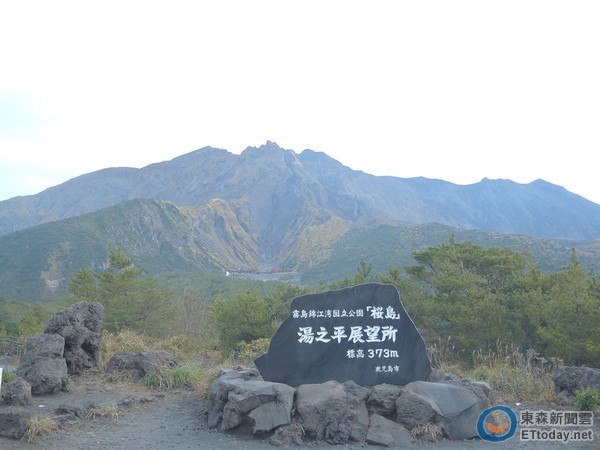
▲Tsubonoue Observation Deck is a must-visit spot for travelers. (Photo by reporter Chao Yuting)
4. Arimura Lava Observation Deck
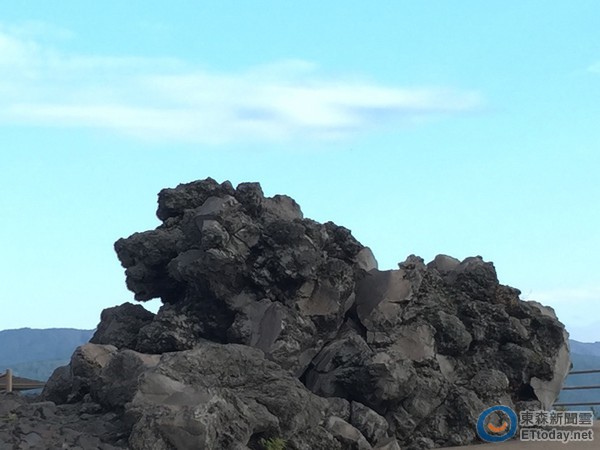
Similar to Tsubonoue, this is the closest safe vantage point to the volcano. The observation deck is well-equipped and allows you to fully immerse yourself in the overwhelming presence of surrounding volcanic rock. Stepping onto this site, you’re bound to think, “I never thought I’d ever get this close to a volcano in my life,” as you can clearly see the marks left by lava erosion.
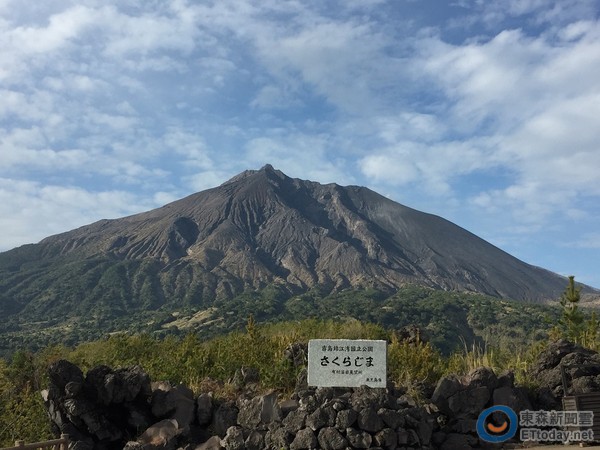
▲The only time in your life you can get this close to an active volcano. (Photo by reporter Chao Yuting)
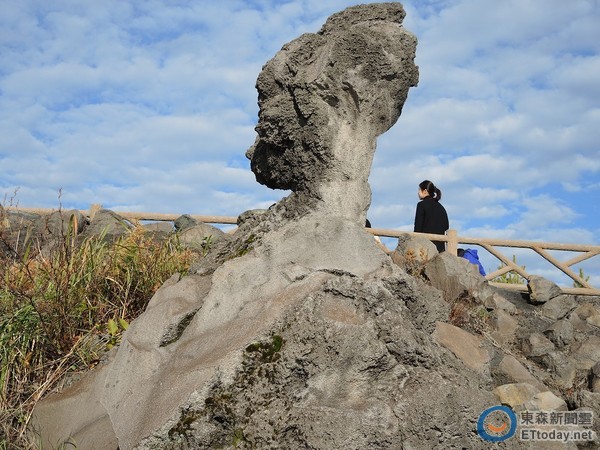
▲After a volcanic eruption, the lava forms unique rock formations. These jagged lava rocks have earned the nickname “devil’s fingers” among locals. (Photo by reporter Chao Yuting)
5. Wazutsumi Onsen
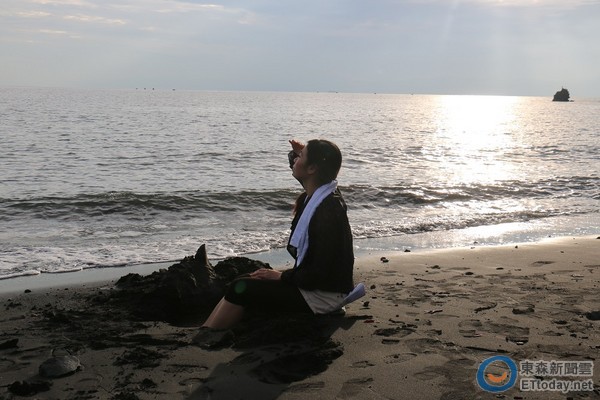
Near the Arimura Lava Observation Deck, “Arimura Coast” allows visitors to dig their own hot spring foot bath. Just bring a shovel, a towel, and fresh water, dig down deep enough, and you’ll uncover naturally heated seawater created by volcanic geothermal activity. It’s a double treat of soaking your feet while enjoying the ocean view. However, because the foot bath location shifts with the tides, it’s best to go during low tide. Tide times can be checked directly at Sakurajima Visitor Center. Additionally, the center also provides shovels for 500 yen per set.
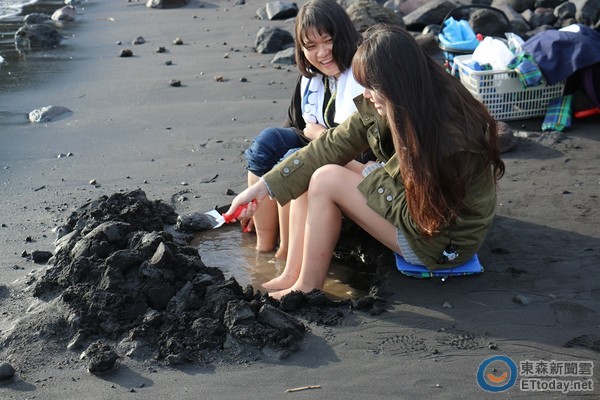
▲The relationship between locals and the volcano is quite intimate—the seawater near the coast is always warm. (Photo by reporter Chao Yuting)
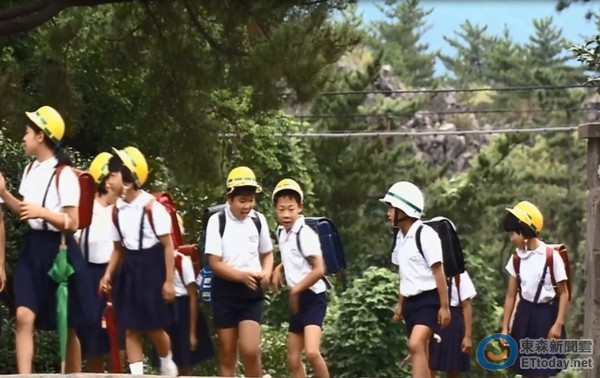
Locals actually enjoy the simple life on Sakurajima. Since ferry rides to and from the mainland take only about 15–20 minutes, some residents commute daily to Kagoshima for work or school. Once you set foot on this land, you’ll naturally slow down your pace and won’t feel that living near an active volcano is particularly frightening. Of course, this is also partly because the volcano monitoring equipment is highly advanced and reliable. Erimoto Ei, a guide at the visitor center, explained that before an eruption, the ground begins to bulge. He likened the current monitoring technology to being so precise it can detect changes as minute as a single strand of hair. If the detected levels are too high, not only will the island be closed to tourists, but residents will also be evacuated immediately.
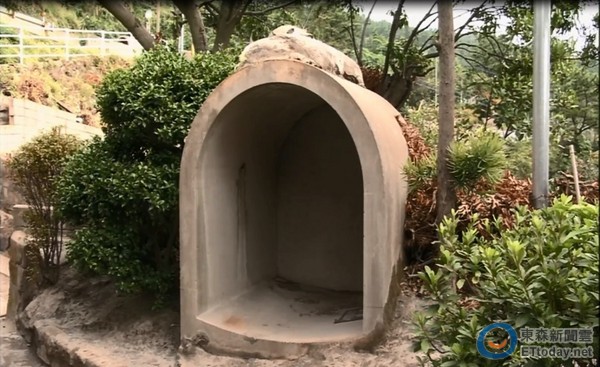
▲Locals may need to evacuate at any time due to sudden volcanic activity. Therefore, safety is always a top priority. (Photo provided by Sakurajima Visitor Center)
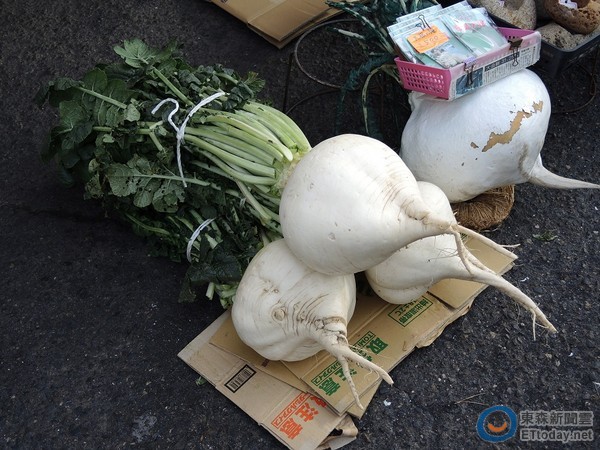
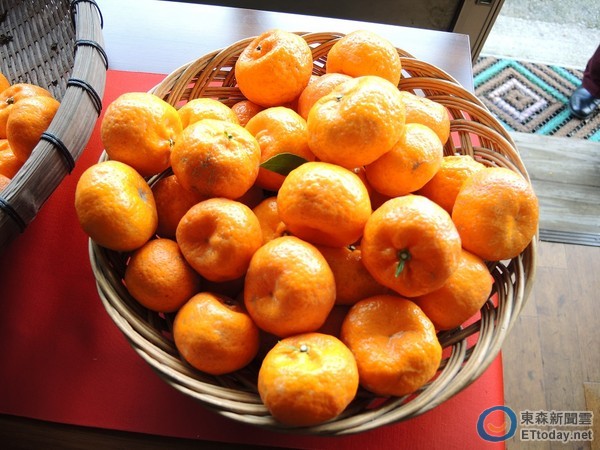
▲The soil on Sakurajima contains rich minerals, making it ideal for growing the world-famous Satsuma sweet potatoes and sweet onions. (Photo by reporter Chao Yuting)
When the volcano erupts, volcanic ash spreads with the wind just like smog in Taiwan. As a result, Kagoshima’s daily weather forecasts specifically include wind direction updates to help residents prepare. In addition, visitors planning a trip to Sakurajima should pay special attention to volcanic activity levels to avoid disappointment.
More Sakurajima travel information >>>>>>> Kagoshima Tourism Official Website
Get real-time updates!?ownload the official Sakurajima app
iOS:https://goo.gl/qXZoja
Android:https://goo.gl/MRNy3P
Share
This article is published by HowToTrip. Sharing and reposting are welcome — please credit the source.
Article URL: https://www.howtotrip.net/views-8883
Related Articles
- Shaoxing's "Grandpa Gourd" hangs the gourds back up: "If there are too many people, we'll interact less — just take a quick look from afar"
- Chinese authorities announce "reciprocal adjustment" to Japan visa fees — single-entry visa jumps from 2,250 to 16,750 yen!
- The "health stones" carried by a traveler were found to have radiation levels exceeding safety limits by a thousand times, potentially endangering fellow passengers on the same flight. Customs issues warning!
- Shenzhen Airport Issues Late-Night Notice: Unidentified Aerial Object Detected, Causing Widespread Flight Delays!
- “They only said it cost money after I opened the box and washed it!” 200g of grapes sold for 60 yuan on a high-speed train—12306 responds!
- Can't buy an airline ticket? Denied exit? Blocked from boarding? A large number of Chinese tourists have mysteriously become "discredited individuals"
- Adverse weather and economic fluctuations impact Colombia's coffee market
- Beach bathing area responds to 2 yuan/30 seconds fee for freshwater foot rinsing: Clearly priced!
- Taking off with an improperly closed cabin door? Wing malfunction? Multiple flights made emergency returns mid-journey!
- Experience the gifts of nature! A countdown of the world’s ten most stunning coastlines