Step into the darkness along the Ghostfire Path – Visit Noboribetsu Hell Valley, home to demons
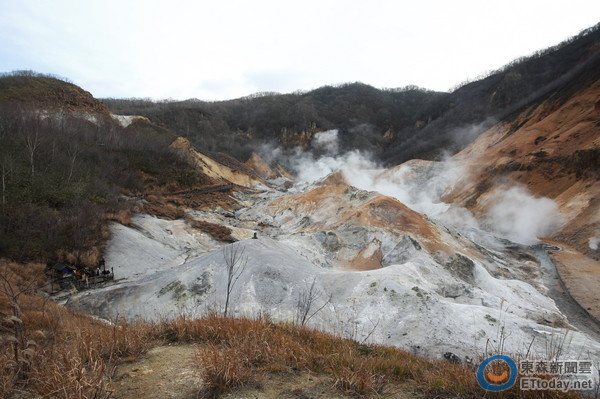
▲ The alternating red and white rocks and constantly rising steam are iconic symbols of Noboribetsu Hell Valley. (Photo by reporter Chen Ruizhong, same below)
By Chen Ruizhong / Reported from Hokkaido
From childhood, everyone has heard legends about "hell" and imagined what it looks like. In fact, the biggest highlight of Noboribetsu Onsen, a famous hot spring destination in Noboribetsu City, Hokkaido, is that it draws its thermal waters from the "hells." Visitors to Noboribetsu can even journey into these hells before returning to the "mortal world" to enjoy a relaxing soak.
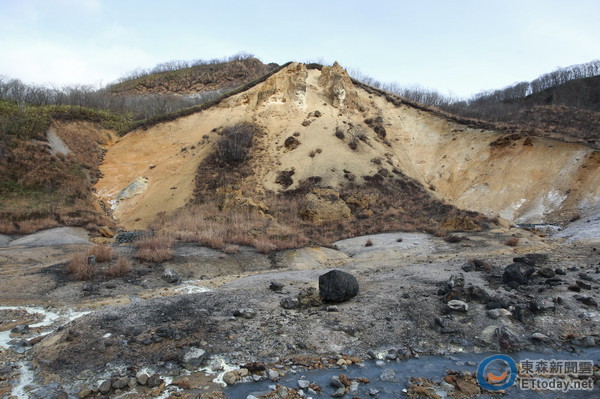
▲ Compared to its surroundings, the barren valley floor adds an air of mystery to Hell Valley.
About 10,000 years ago, Mount Hiyori erupted, leaving behind a volcanic crater covering approximately 11 hectares in Noboribetsu. The air here is thick with the smell of sulfur, reminiscent of rotten eggs. The valley, which should be lush with greenery, is instead covered in reddish and white soil, creating a desolate, lifeless landscape. Countless caves continuously emit white steam, shrouding the valley in mist. Boiling hot springs bubble and churn everywhere, resembling the hellscapes of legend. Hence, it's called "Noboribetsu Hell Valley," also known as a hell inhabited by demons.
▲ Noboribetsu Hell Valley
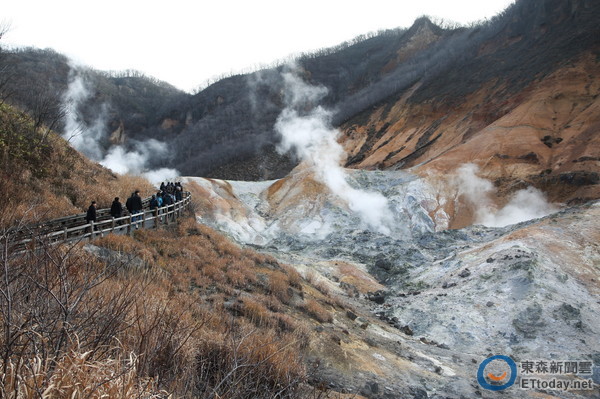
▲ Walking along the boardwalks of Hell Valley allows you to admire the wonders up close.
The powerful volcanic geothermal activity not only gives Hell Valley its eerie appearance but also means the earth beneath is rich in hot springs. With temperatures reaching up to 98°C, the springs consist of nine different components, earning it the nickname "Hot Spring Department Store." Since ancient times, the Ainu people have treasured the hot springs of Hell Valley. Over time, this evolved into the renowned "Noboribetsu Onsen." Local businesses around Hell Valley use its waters to create a thriving hot spring town culture, making it easy for visitors to enjoy a soak. The hot spring street is also decorated with various ghostly and demonic figures, enhancing the feeling of being in hell.
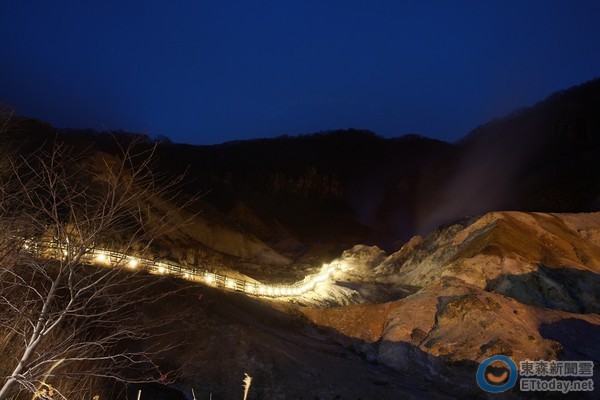
▲ The Ghostfire Path illuminated at night.
Beyond Hell Valley, the "Dai-Tōnuma Nature Exploration Trail" connects nearby attractions such as Dai-Tōnuma and Taishō Hell. At Dai-Tōnuma, you’ll find a gourd-shaped pond measuring 50 meters wide and 90 meters long. The surface temperature of the pond is around 40–50°C, but at the bottom, 130°C sulfur springs bubble up, constantly emitting thick smoke and a pungent odor.
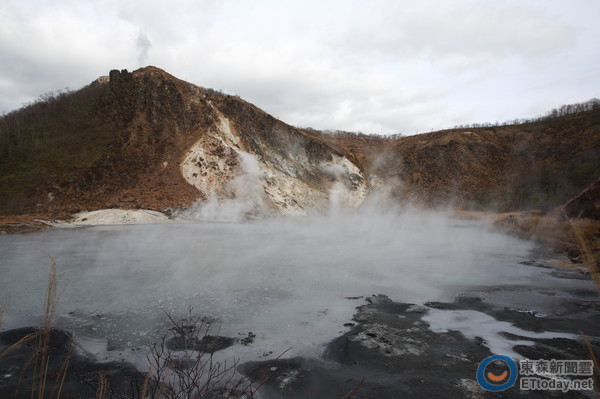
▲ Dai-Tōnuma, where the lake bottom water temperature can reach 130°C.
But to truly experience the essence of Hell Valley, you must visit at night. When night falls, the lights along the wooden boardwalks of Hell Valley gradually illuminate, creating a golden pathway flickering amid the barren mountains and mist — as if you’re stepping deeper into the heart of hell. Locals call it the "Ghostfire Path."
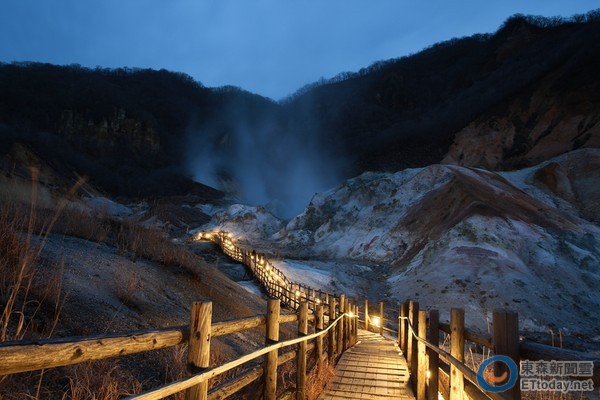
▲ Walking along the Ghostfire Path feels like stepping further into the center of hell.
Walking on the Ghostfire Path, combined with the dark scenery of Hell Valley, adds an eerie atmosphere not felt during the day. Strolling along the valley’s pathways, the iron springs deep inside continuously emit steam, resembling the gateway to hell and appearing even more terrifying. But it’s precisely this thrill that gives Noboribetsu Onsen more storytelling charm and excitement than other hot spring destinations.
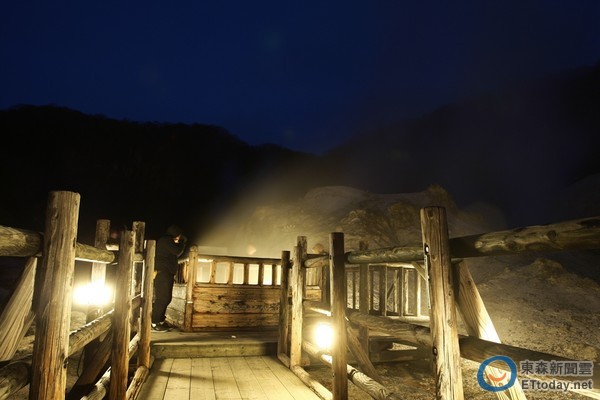
▲ The iron spring pool at night, resembling the gate to hell.
Noboribetsu Hell Valley
Address: Noboribetsu Onsencho, Noboribetsu City (No postal code)
Phone: 603-288-425
For a more detailed experience — ETToday Travel Hokkaido Tour Itinerary
More Japan travel options <<<<<<<<<<<<请前往《东森旅游玩乐志》
Share
This article is published by HowToTrip. Sharing and reposting are welcome — please credit the source.
Article URL: https://www.howtotrip.net/views-8682
Related Articles
- Shaoxing's "Grandpa Gourd" hangs the gourds back up: "If there are too many people, we'll interact less — just take a quick look from afar"
- Chinese authorities announce "reciprocal adjustment" to Japan visa fees — single-entry visa jumps from 2,250 to 16,750 yen!
- The "health stones" carried by a traveler were found to have radiation levels exceeding safety limits by a thousand times, potentially endangering fellow passengers on the same flight. Customs issues warning!
- Shenzhen Airport Issues Late-Night Notice: Unidentified Aerial Object Detected, Causing Widespread Flight Delays!
- “They only said it cost money after I opened the box and washed it!” 200g of grapes sold for 60 yuan on a high-speed train—12306 responds!
- Can't buy an airline ticket? Denied exit? Blocked from boarding? A large number of Chinese tourists have mysteriously become "discredited individuals"
- Adverse weather and economic fluctuations impact Colombia's coffee market
- Beach bathing area responds to 2 yuan/30 seconds fee for freshwater foot rinsing: Clearly priced!
- Taking off with an improperly closed cabin door? Wing malfunction? Multiple flights made emergency returns mid-journey!
- Experience the gifts of nature! A countdown of the world’s ten most stunning coastlines