What to eat on New Year's Eve? 6 Common Dishes with Hidden Auspicious Meanings
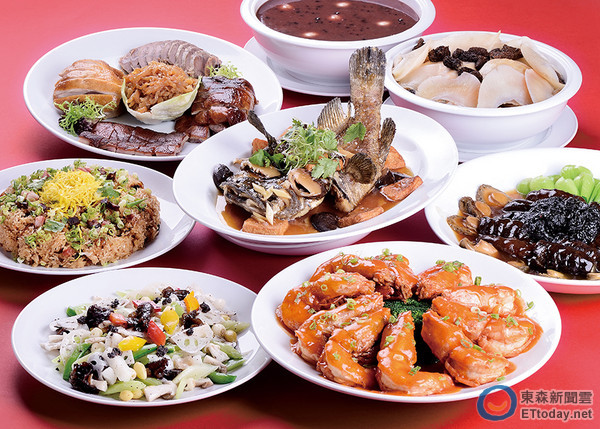
▲ New Year’s is all about family reunions and sharing festive dishes together. (Photo provided by Okura Prestige Taipei)
Travel Center / Compiled Report
According to tradition, families gather around the table for a reunion dinner on New Year’s Eve, symbolizing togetherness and completeness. Are there certain dishes that always appear on the table every year? Delicious fish, chicken, dumplings, and rice cakes fill the table in an impressive spread. Beyond being tasty, these dishes each carry unique meanings—why shouldn’t you finish the fish during the New Year? Why do people eat dumplings? ETtoday EBC News Cloud has the answers. Find out the meanings behind common New Year dishes and see which ones are on your table tonight.
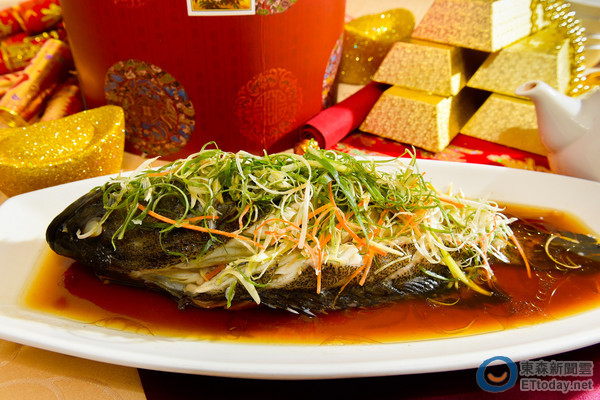
▲ Whether steamed, braised, or sweet and sour, there’s always a “fish” dish at the reunion dinner. (Photo by reporter Chang Yizhong)
1. Fish
The phrase “Nian Nian You Yu” (年年有余), meaning “May you have abundance every year,” is surely familiar. Usually, moms insist we finish all our food, but not on New Year’s Eve—that’s a no-go. There will definitely be a fish on the table, whether steamed, sweet and sour, red-braised, or even deep-fried. As everyone nears the end of their meal, there’s an unspoken agreement to put down chopsticks and move on to other dishes, leaving some fish for the first day of the New Year. This symbolizes having “fish” every year, representing leftover wealth and prosperity.
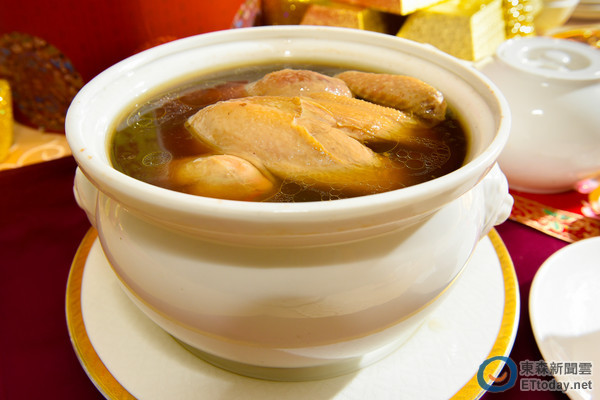
▲ Whether it’s poached chicken, chicken soup, or roast chicken, a whole chicken usually makes an appearance in the New Year spread. (Photo by reporter Chang Yizhong)
2. Chicken
Usually, does mom only give you chicken wings? But on this day, there’s a good chance you’ll see a whole chicken on the table. The entire family eating a whole chicken together symbolizes unity. Has mom not prepared one yet this year? Quickly remind her to pick up a roast chicken from the supermarket at least.
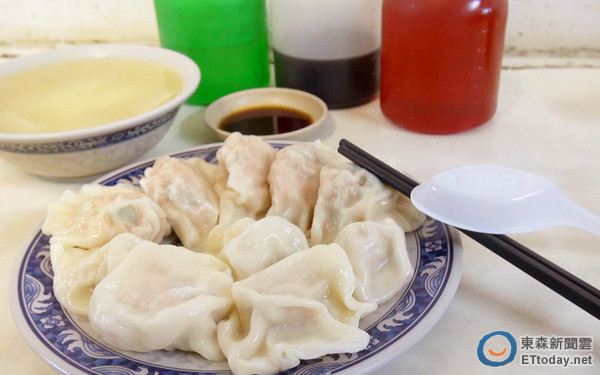
▲ Dumplings, plump and shaped like ingots, carry a wealth of good omens.
3. Dumplings
Eating dumplings on New Year’s Eve and New Year’s Day is influenced by northern Chinese customs and signifies bringing in good luck. The shape of dumplings resembles ancient gold or silver ingots, symbolizing attracting wealth and fortune—a highly auspicious sign. Eating a couple before playing mahjong or buying lottery tickets might just boost your luck.
3. Rice Cake
Plump and white, rice cakes come in flat, cylindrical, or long strip shapes. No matter the form, their chewy, bouncy texture is loved by many. But do these rice cakes also carry special meaning? Turns out, “rice cake” (年糕) sounds like “higher year” (年高), symbolizing rising higher each year. If you want to advance in your career this New Year, remember to eat a few more slices of rice cake.
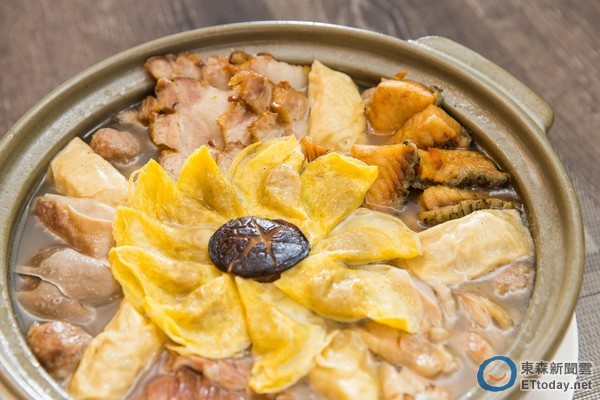
▲ A hot pot loaded with various ingredients is a heartwarming must-have dish for New Year’s Eve gatherings. (Photo provided by Shanghai Village)
4. Hot Pot
Back in the days when individual hot pots weren’t a thing, hot pot was almost always a group activity. Gathering a bunch of meatballs, sliced meats, and other ingredients to share, sitting around the bubbling pot in the cold winter, is especially warm and also symbolizes family togetherness.
5. Longevity Greens
Longevity greens are commonly seen in traditional New Year dishes. When eating them, you can’t just casually bite and break them like normal greens—you must eat them whole, from top to bottom, without biting through. This symbolizes living a long life.
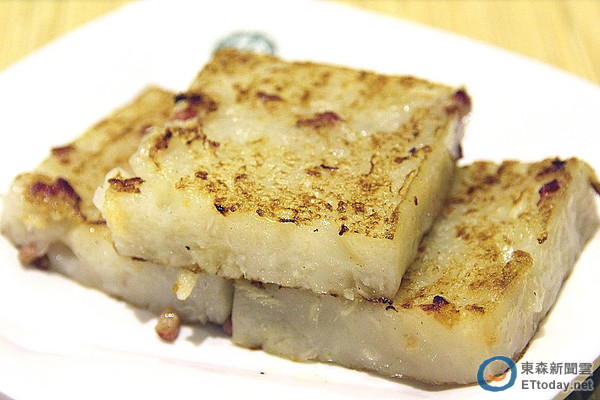
▲ Crispy pan-fried radish cake is not only delicious but also a common festive dish. (Photo by reporter Chen Tzu-yin)
6. Radish & Radish Cake
Dishes like radish and radish cake are also commonly found on reunion dinner tables. At first glance, they might not seem as eye-catching or festive as chicken or red-braised fish, but these humble radish-based dishes actually play a significant role. Ever wondered why they’re included? Radish, also known as “cai tou” (菜頭), sounds like “good omen” (好彩頭), symbolizing good fortune.
Every dish served at the reunion dinner holds its own unique symbolism, and the common thread is good fortune. Each family may serve slightly different dishes—maybe it’s Grandma’s secret recipe or a carefully ordered holiday meal set. What special dishes are on your table this rare New Year’s Eve? Come share with us.
Share
This article is published by HowToTrip. Sharing and reposting are welcome — please credit the source.
Article URL: https://www.howtotrip.net/views-8528
Related Articles
- Shaoxing's "Grandpa Gourd" hangs the gourds back up: "If there are too many people, we'll interact less — just take a quick look from afar"
- Chinese authorities announce "reciprocal adjustment" to Japan visa fees — single-entry visa jumps from 2,250 to 16,750 yen!
- The "health stones" carried by a traveler were found to have radiation levels exceeding safety limits by a thousand times, potentially endangering fellow passengers on the same flight. Customs issues warning!
- Shenzhen Airport Issues Late-Night Notice: Unidentified Aerial Object Detected, Causing Widespread Flight Delays!
- “They only said it cost money after I opened the box and washed it!” 200g of grapes sold for 60 yuan on a high-speed train—12306 responds!
- Can't buy an airline ticket? Denied exit? Blocked from boarding? A large number of Chinese tourists have mysteriously become "discredited individuals"
- Adverse weather and economic fluctuations impact Colombia's coffee market
- Beach bathing area responds to 2 yuan/30 seconds fee for freshwater foot rinsing: Clearly priced!
- Taking off with an improperly closed cabin door? Wing malfunction? Multiple flights made emergency returns mid-journey!
- Experience the gifts of nature! A countdown of the world’s ten most stunning coastlines