100% Romantic! BiTan Riverside Scenic Restaurant & Adorable Two-Tier Afternoon Tea
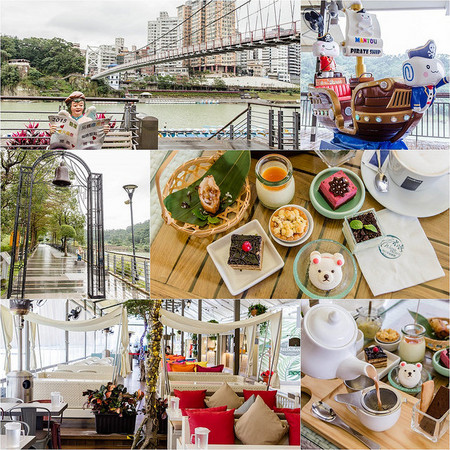
Text & Photos byXiao Hu’s Dream-Eating Web
If you were born in the 1950s or 60s, you might remember “BiTan,” once one of Taiwan’s Eight Scenic Spots. Even earlier, it was Taiwan’s very first “dating” mecca. However, over time and with changing trends, it fell into decline. Fortunately, thanks to the efforts of a dedicated group, we’re gradually witnessing the rebirth of “BiTan” in Xindian. What’s even more remarkable is that it hasn’t been ruined by excessive tourism and still retains as much of its former charm as possible.
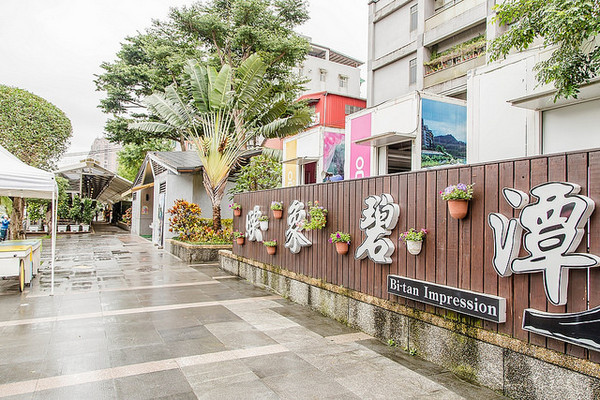
It had been a while since I’d last been to BiTan, but on a recent visit led by a friend, I rediscovered the area. I suddenly noticed that the two sides of BiTan had transformed dramatically, infused with new cultural life without compromising the BiTan I remembered. At the time, I thought it was all thanks to government efforts... until I met a couple who were earnest, a bit naive, yet incredibly hardworking. That’s when I learned that this revitalized area, including the entire “Reflections of BiTan,” was their creation. If you haven’t been back to “BiTan” in the past couple of years, come with Xiao Hu to see what they’ve done for it.
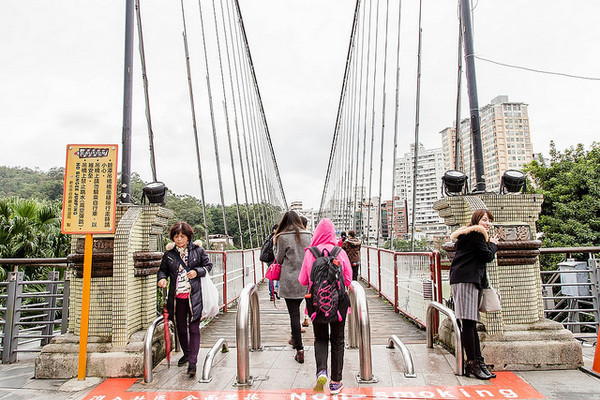
When people mention BiTan, the first thing that comes to mind is undoubtedly the iconic BiTan Bridge, stretching about 200 meters. Nowadays, illuminated by night lights, the bridge has become a favorite subject for photographers and a romantic spot where many young couples pledge their love.
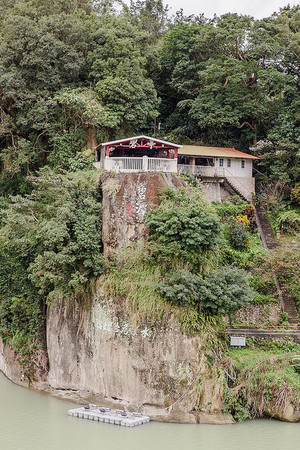
The rocky hillside on the west bank of BiTan Bridge is also known as “Little Red Cliff.” The Chinese characters for “BiTan” inscribed on the cliff were written by Sun Ke, son of Dr. Sun Yat-sen, in the 37th year of the Republic of China (1948).
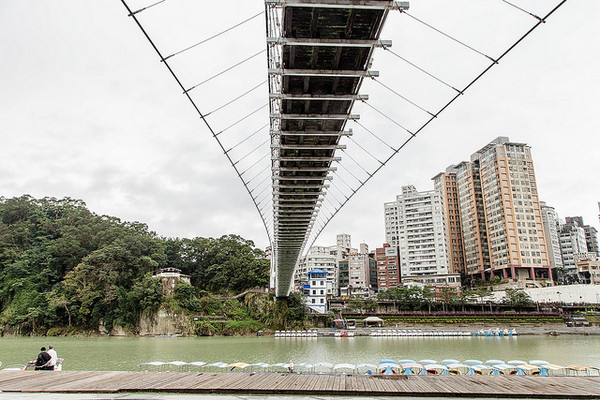
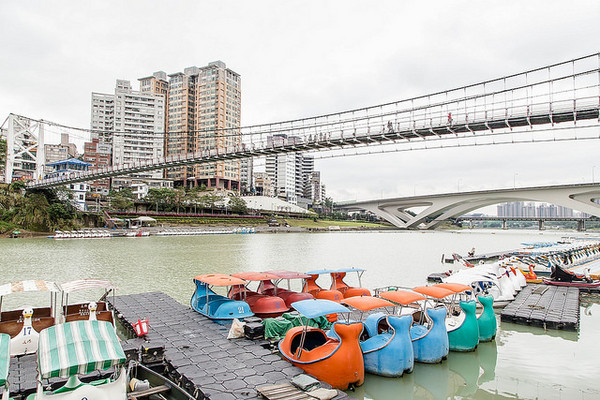
I once heard an elder jokingly mimic a celebrity saying, “BiTan has three treasures: the suspension bridge, the Red Cliff rock, and the swan boats.” I’m not sure if BiTan was the first place to have “swan boats,” but I definitely associate them immediately with BiTan.

These days, the swans aren’t the same as before, and tourist boats no longer come only in the shape of swans. Yet, I discovered many birds in this still-natural sanctuary—especially in the early morning, when it’s quieter and perfect for birdwatching.
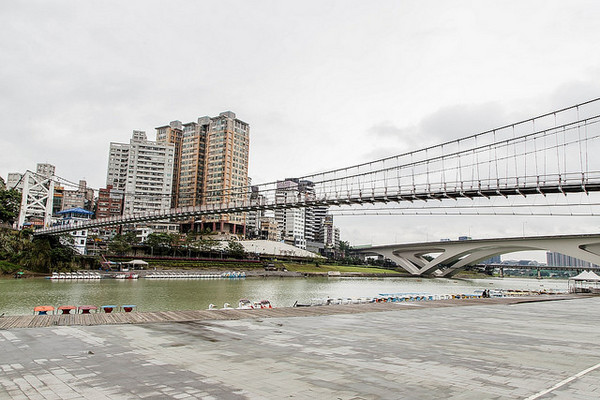
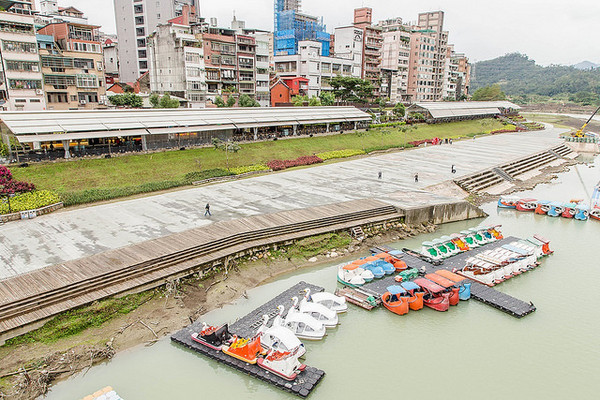
On the east bank side of the bridge lies a riverside plaza often used for events during weekends, as well as a cycling path loved by bike enthusiasts. Right above the water’s edge is the Water Bay Bali Scenic Restaurant (BiTan Branch), which Xiao Hu is introducing today—and the riverbank redevelopment project is the fruit of the restaurant owner’s hard work.
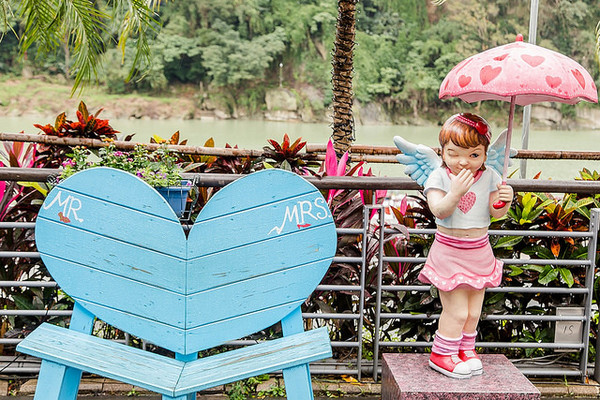
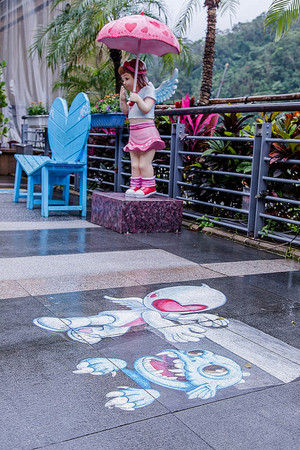
First, what struck me about this riverside landscape were the Instagram-friendly setups, all subtly highlighting the rebirth of old BiTan with a “romantic” and “love-themed” atmosphere.

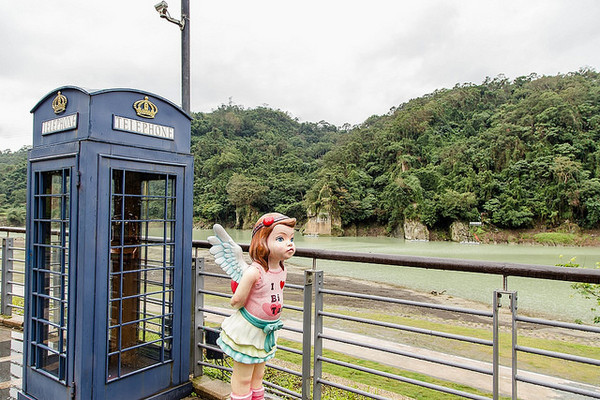
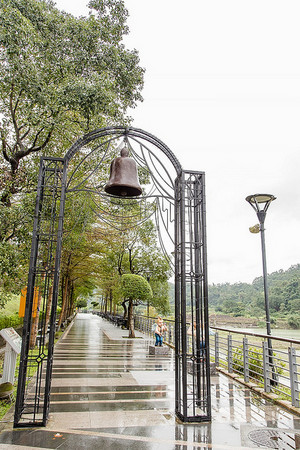
Whether it’s wings symbolizing freedom, a romantic phone booth, a love-themed Cupid statue, or even a “bell” that witnesses happiness—you can see the care put into the design and the meticulous effort to beautify this place, which holds deep meaning for the operators.
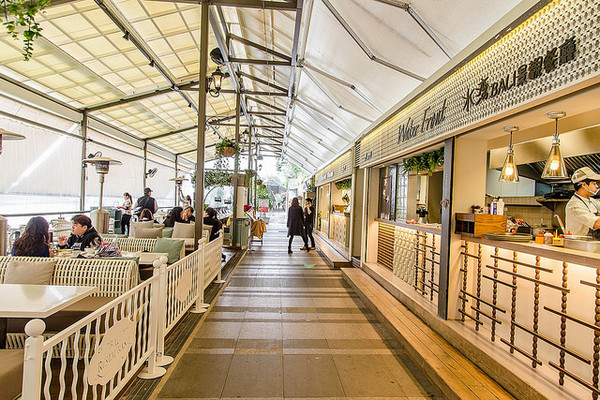
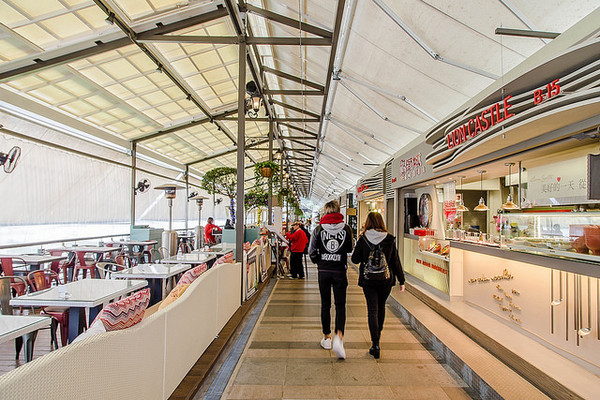
I’d long heard from friends that the shops and restaurants along the east bank of BiTan were different, but visiting in person made the difference even more apparent. Firstly, I was quite surprised by how clean it was, and secondly, the comfort of the dining environment far exceeded my expectations. While it still can’t completely break away from the stereotype of a “food street,” it certainly showed me the greater potential of such spaces.
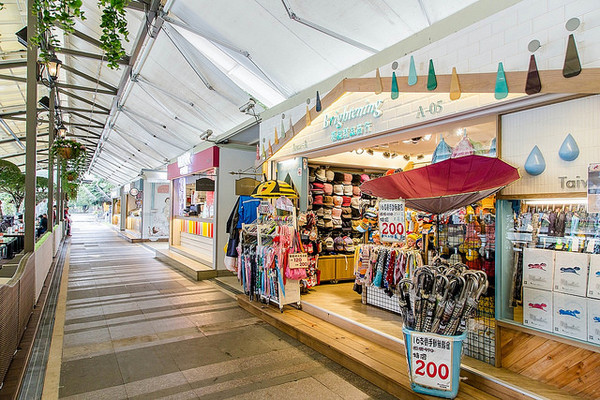
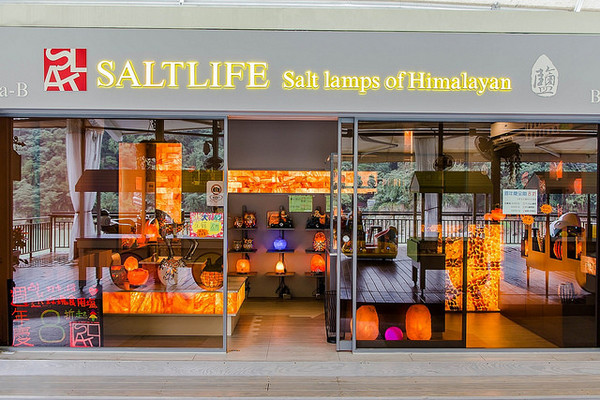
In addition to restaurants, snacks, and drink shops,[New Taipei City – Tamsui Station – Bali Cuisine] Bali BaLi Riverside Four Seasons Scenic Restaurantthere’s also shopping, cultural creativity, and art exhibits.

There’s even a visitor service center... and the red mailbox nearby is real—you can mail postcards from it.
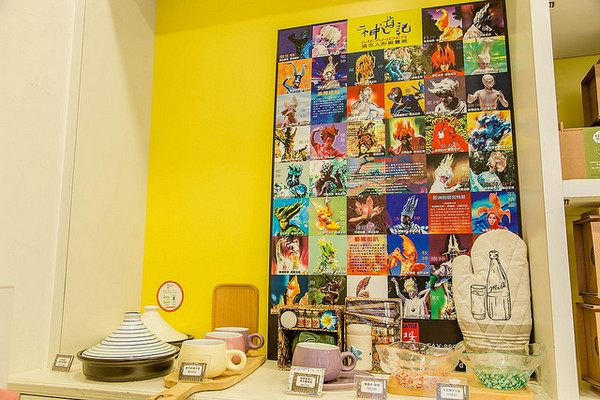
Meanwhile, Reflections of BiTan also frequently collaborates with the arts, teaming up with local artists to launch a series of cultural and creative merchandise.
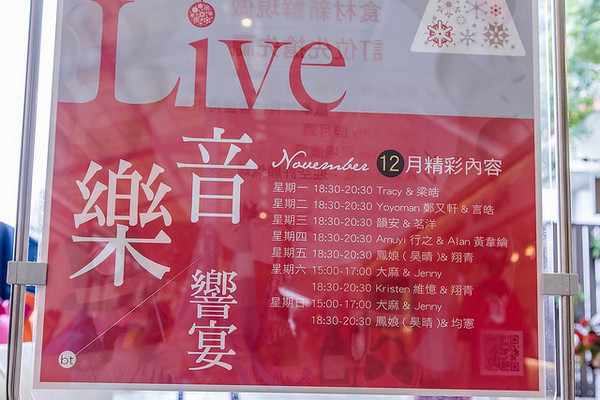
Like Bali 【New Taipei City – Tamsui Station – Bali Cuisine】Bali BaLi Riverside Four Seasons Scenic Restaurant and Tamsui’s “Rongdi Water Bay Restaurant,” almost every evening here features live music performances.
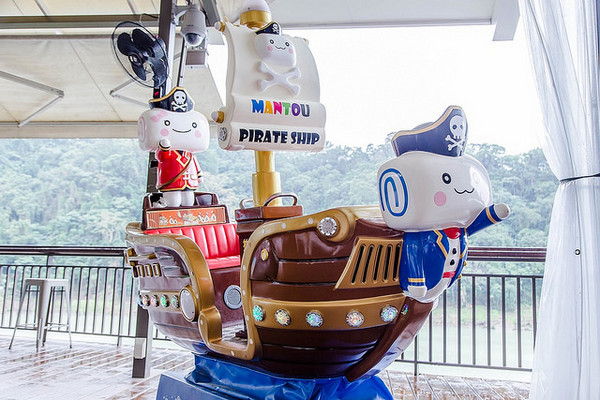
Similarly, family-friendly elements have been integrated into the overall planning. At the back end of the scenic restaurant area, there are several mini pirate ships where you can “entertain the kids.”
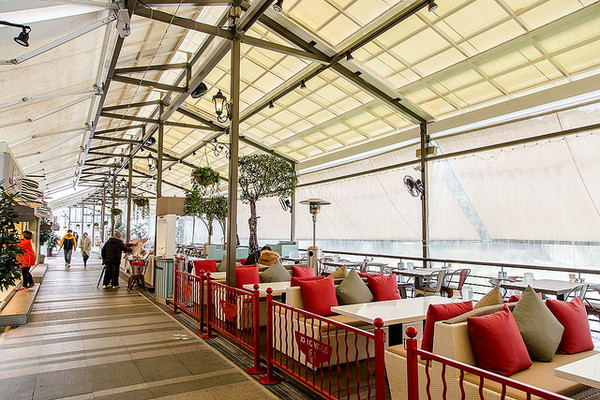
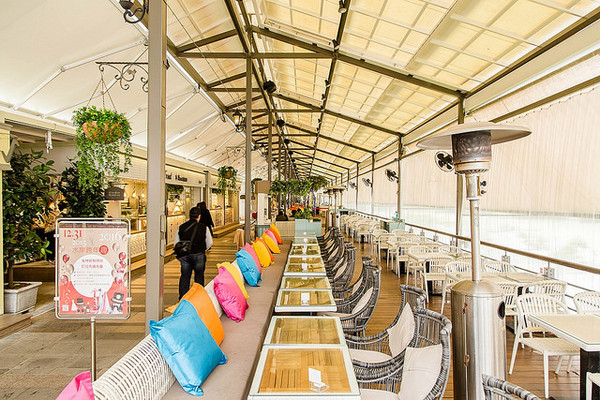
The dining area is situated right along the riverbank. On sunny days, the canvas covers on the roof and riverside can be rolled up, allowing visitors to enjoy nature up close and gaze out at BiTan Bridge and the passersby.
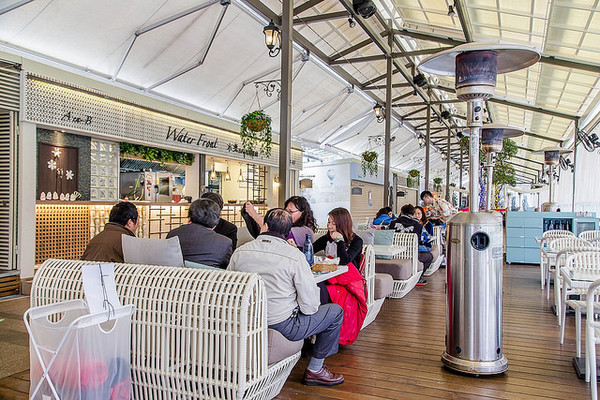

On cooler days, a whole row of “heaters” and “blankets” create a cozy, warm atmosphere that’s really thoughtful.
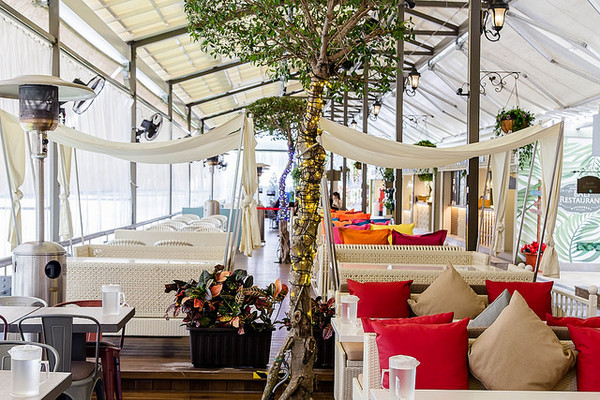

What impressed me most were the clean, comfortable tables, chairs, and sofas along the riverside—almost unbelievably so. You can imagine how much effort goes into maintaining such a pretty, comfortable, and well-kept outdoor dining environment in a place prone to wind and rain. I truly love the dining space here, especially how it blends seamlessly with the outdoors while retaining the comfort of indoors.
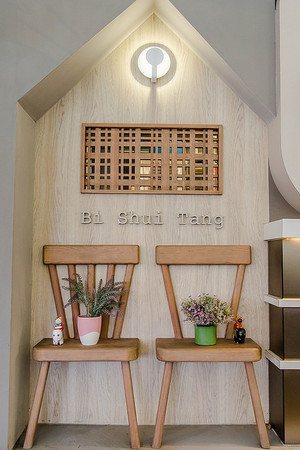
Also, you’ll notice the attention to detail in the decor even in the small corners of this short shopping street.
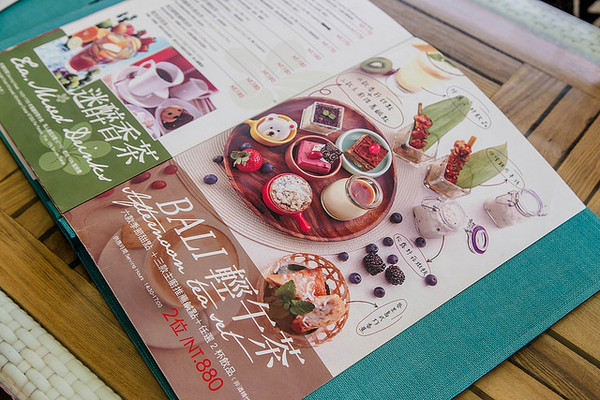
Back at Water Bay BALI Scenic Restaurant, it was just past 2:30 PM—the perfect time for afternoon tea. I ordered the two-person Bali Light Lunch Tea set for 880 NT.
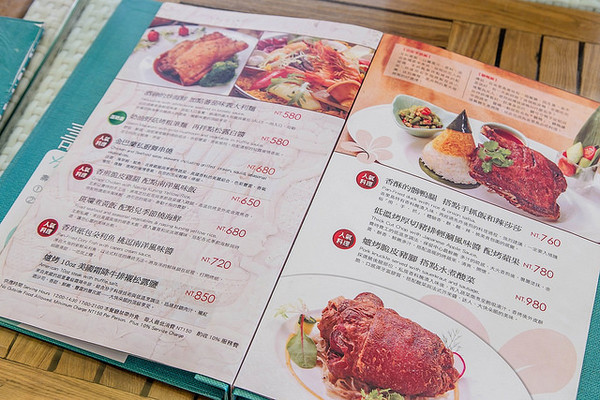
Besides afternoon tea, the food here is also quite good, especially the “Crispy Dirty Duck Leg” I’d tried before at Bali Riverside.
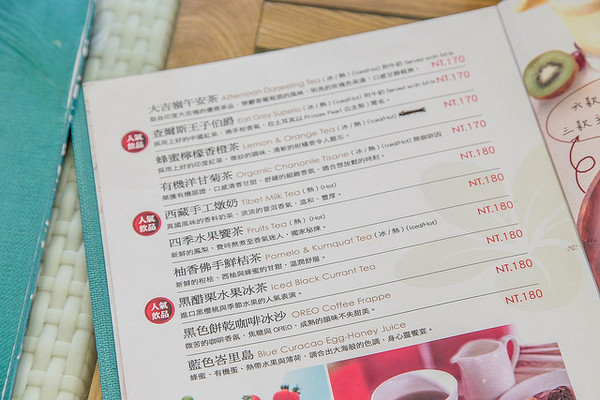
There’s also a variety of hot and cold teas, slushies, and more. That’s when I spotted something I really wanted to try: “Tibetan Handmade Stewed Milk.”
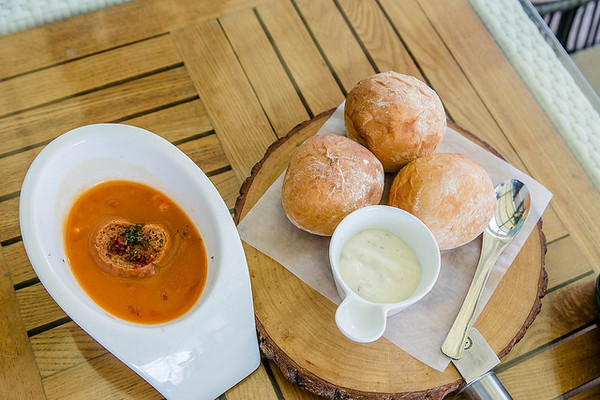
My friend ordered bread and soup. Both the tomato soup and the bread were exceptionally good—I’d had them before at Bali Riverside. Even then, I was amazed at how high-quality the bread and soup could be in a scenic restaurant.
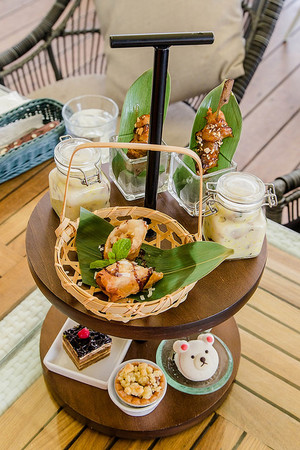
This afternoon tea set includes six kinds of sweets, three savory items, and two drinks of your choice.

I don’t know why these three items reminded me of the afternoon tea at Mandarin Oriental in Thailand, which also features several Southeast Asian-style sweet treats. The three dishes are: the “stewed rice” (quite tasty but not mind-blowing, and to be honest, it looks nice and unique but isn’t easy to eat) served in small bottles on the bottom right; fried chicken skewers (crispy outside, tender inside, with a very enticing peanut aroma); and the best of all, the fried banana on the bottom left—crispy on the outside, soft and mushy on the inside—with flavors beyond just banana sweetness, hinting at coconut milk and cheese.
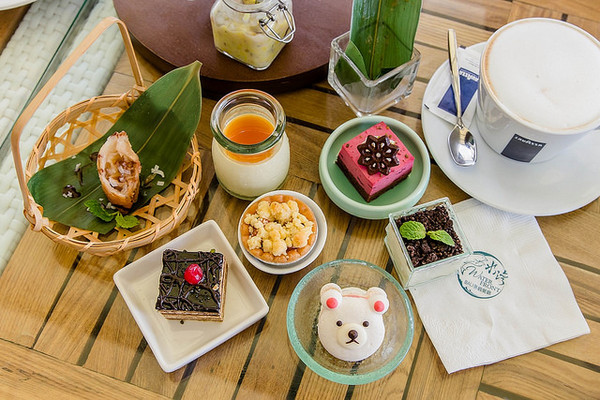
The second layer features six sweet treats centered around “bear” macarons, including pudding, cheese cake (tiramisu), apple tart, chocolate cake, and fruit mousse cake. The chocolate cake, not overly sweet, is just average—let’s skip it for now.
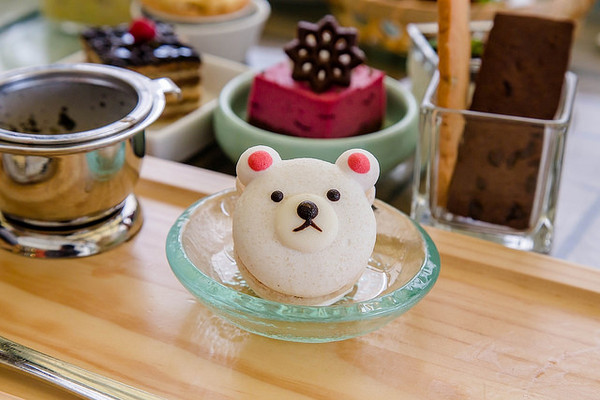
What’s astonishing about these cute bear macarons is their exquisite and meticulous appearance—even in hotel afternoon teas that often cost thousands, you might not see such thoughtfully designed exteriors.
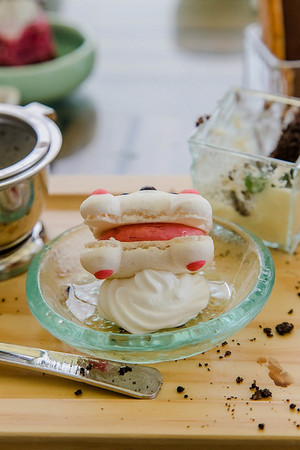
However, to be honest, these macarons fall slightly short because the “crispy outside” aspect is barely noticeable; they melt in your mouth almost instantly. Still, the flavor—neither too sweet nor greasy—is quite pleasant.
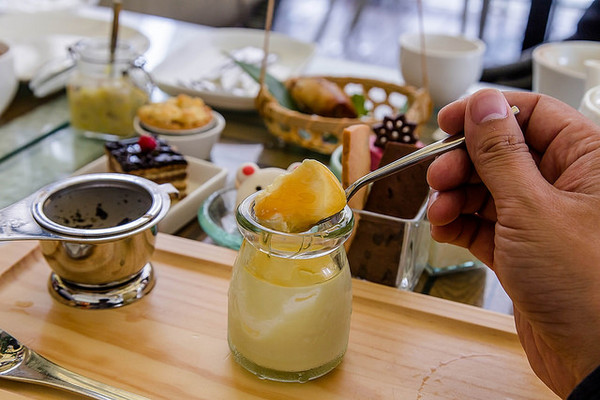
The pudding leans more toward crème brûlée with a slightly stickier texture. The syrup has flavors reminiscent of toffee and milk candy, making it fairly enjoyable, though it lacks the caramelized, toasty note I personally love.
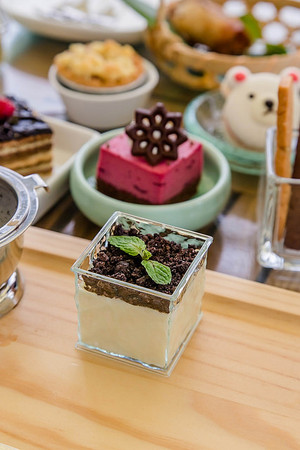
The cheesecake itself is fairly average in both texture and taste, but what left an impression on my taste buds was the chocolate cookie crumb on top. It doesn’t seem to be the usual “Oreo” type but rather a crispier, more fragrant chocolate cookie crumb.

The fruit mousse is really delicious—the dried hibiscus flowers in the middle of the mousse are a delightful surprise, even if they make you frown a little while eating.

I’m not sure if it’s an “apple tart,” but the texture and taste are very close. The sweet and sour, slightly crisp apple cubes make it hard to believe they come from such a small tart. The crust is a bit too crispy and soft, lacking texture, but the flavor—I absolutely love it.
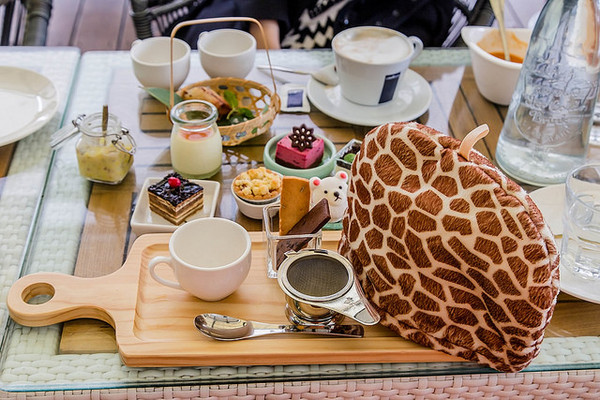
Tibetan Stewed Milk. As it was a bit cool that day, the teapot came with a “leopard-print” thermal sleeve and was served on a wooden tray, giving it a high-end look XXD.

Though it wasn’t quite what I imagined Tibetan milk tea would be, nor like any stewed milk I’ve had before, it was genuinely delicious. The tea aroma was neither heavy nor harsh, with a slight unique scent reminiscent of traditional Chinese medicine. The milk flavor was neither sweet nor greasy, very smooth, and I noticed a faint “buttery” aroma that was quite enchanting. The homemade cookies served with it were also tasty.
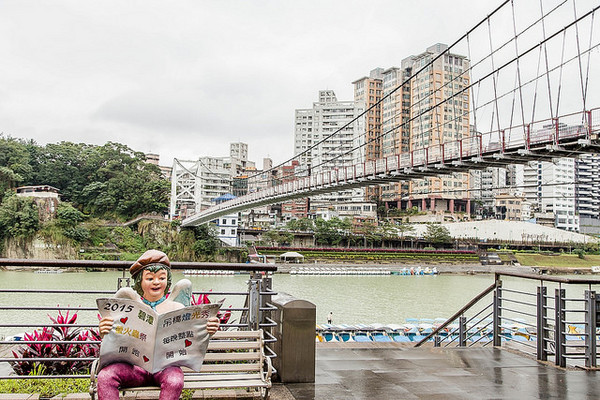
Shui Wan BALI View Restaurant (Bitan Branch)
Address: No. 39, Guanhai Boulevard, Bali District, New Taipei City
Phone: (02)2619-5258
Business Hours: Monday–Sunday: 12:00–21:30
"Xiao Hu's Dream Catcher
If “eating” is just about filling your stomach, then “food” would be far too boring~~
Deliciousness non-stop from morning to night
Download the “ETtoday News Cloud APP” for the latest food updates →
iOS:https://goo.gl/rmIDdx
Android:https://goo.gl/XPe8Uj
Share
This article is published by HowToTrip. Sharing and reposting are welcome — please credit the source.
Article URL: https://www.howtotrip.net/views-8524
Related Articles
- Shaoxing's "Grandpa Gourd" hangs the gourds back up: "If there are too many people, we'll interact less — just take a quick look from afar"
- Chinese authorities announce "reciprocal adjustment" to Japan visa fees — single-entry visa jumps from 2,250 to 16,750 yen!
- The "health stones" carried by a traveler were found to have radiation levels exceeding safety limits by a thousand times, potentially endangering fellow passengers on the same flight. Customs issues warning!
- Shenzhen Airport Issues Late-Night Notice: Unidentified Aerial Object Detected, Causing Widespread Flight Delays!
- “They only said it cost money after I opened the box and washed it!” 200g of grapes sold for 60 yuan on a high-speed train—12306 responds!
- Can't buy an airline ticket? Denied exit? Blocked from boarding? A large number of Chinese tourists have mysteriously become "discredited individuals"
- Adverse weather and economic fluctuations impact Colombia's coffee market
- Beach bathing area responds to 2 yuan/30 seconds fee for freshwater foot rinsing: Clearly priced!
- Taking off with an improperly closed cabin door? Wing malfunction? Multiple flights made emergency returns mid-journey!
- Experience the gifts of nature! A countdown of the world’s ten most stunning coastlines