Nama-giri (dipping noodles) from Nagoya – Exclusive "Jitai Somen" with a specially simmered pork bone sauce
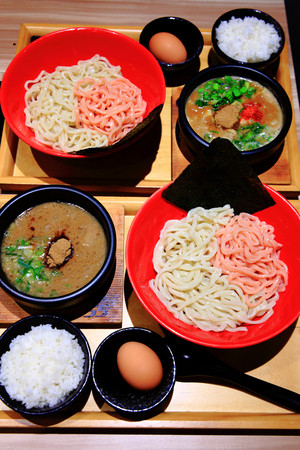
Text & Photos byPingzi
Visiting the Taichung Central Taiwan Science Park area and craving delicious Japanese ramen or tsukemen? Pingzi has to recommend this originator of Japanese Nagoya-style tsukemen – Mt. Fuji 55 Tsukemen. This place serves thick, rich tsukemen with a 21-degree firm noodle texture, using chewy, thick udon-like noodles. The highlight is the two-way eating method of turning leftover tsukemen into a congee-style dish at the end – an incredibly creative and satisfying way to dine that comes highly recommended.
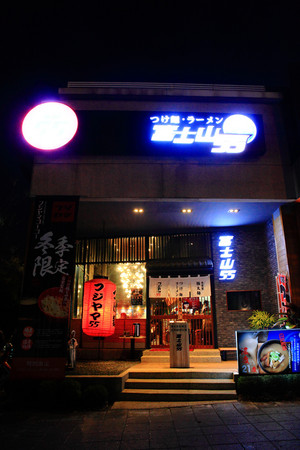
In recent years, more and more Japanese ramen shops have expanded into Taiwan, making it possible to enjoy authentic tsukemen without leaving the country. For those who love tsukemen, Pingzi recommends a food trip to central Taiwan – Taichung. To quickly find Mt. Fuji 55 Tsukemen, head to the Central Taiwan Science Park commercial area (Taichung Harbor Transfer Station), near the Taichung Steakhouse, and you’ll see the eye-catching Mt. Fuji 55 Tsukemen storefront just around the corner.
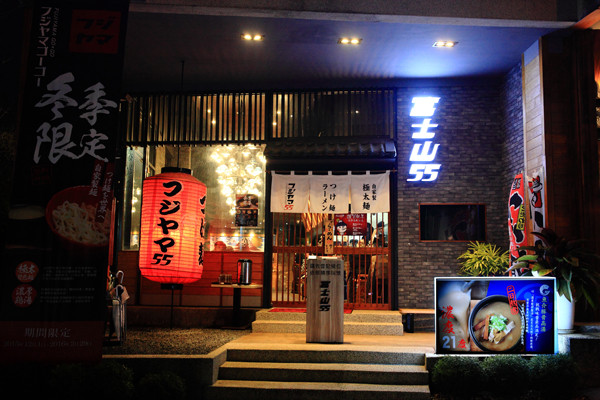
First, let’s introduce this originator of Japanese Nagoya-style tsukemen – Mt. Fuji 55 Tsukemen, known as the godfather of Kansai tsukemen. Its reputation alone is legendary, having held the title of Japan’s No. 1 tsukemen for ten consecutive months. It currently operates 45 branches across Japan and, in recent years, has expanded to Seattle, Thailand, and Hong Kong. Now, it has finally arrived in Taiwan, choosing the Taichung Science Park area as its first location.
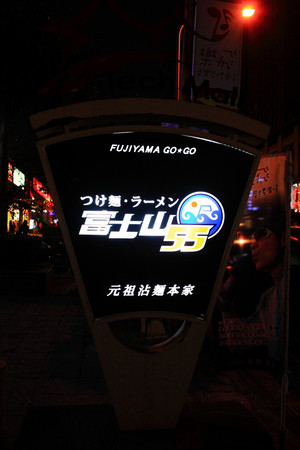
A uniquely designed standing sign introduces Mt. Fuji 55 Tsukemen and its special way of enjoying the dish.
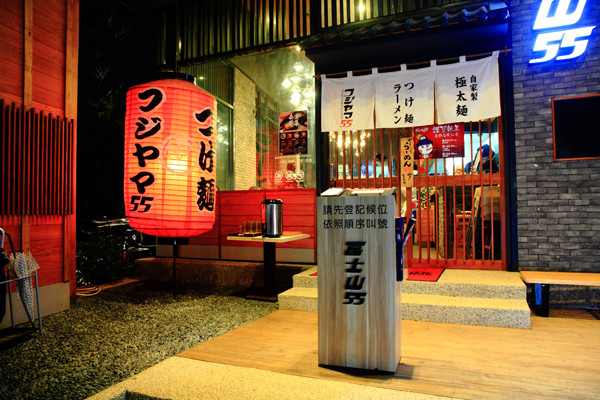
To dine in, you must first check in at the waiting area near the entrance, where there’s a reservation chart. Fill out your details and wait to be called before entering.
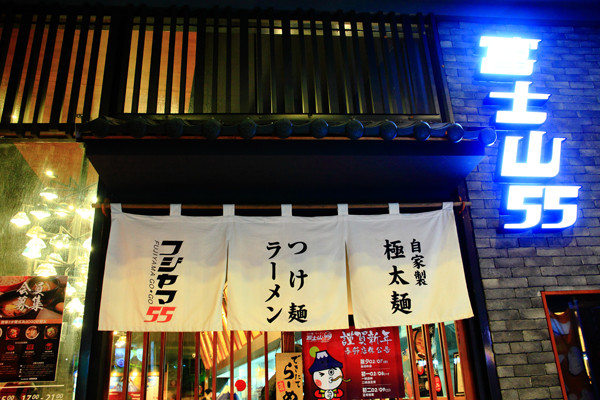
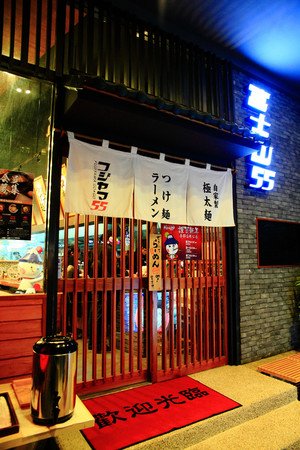
The entrance features a bold Japanese ramen shop design. This is the originator of Kansai-style tsukemen, now bringing a piece of Japan to central Taiwan. For now, this is their only branch in Taichung. The storefront is deep and stylish, with long glass windows offering a glimpse into the interior. The entrance is adorned with a giant lantern and traditional Japanese noren curtains, exuding great presence.
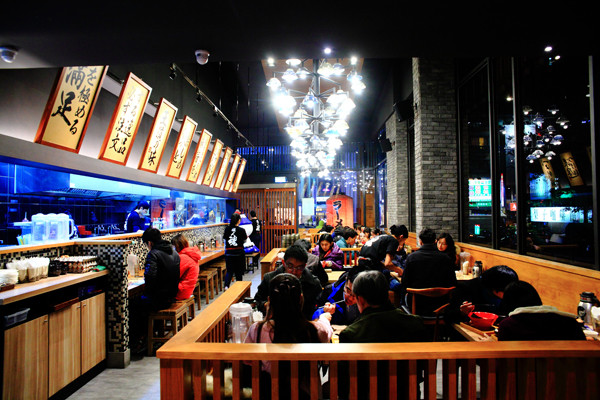
The dining space inside is quite spacious, with over 50 seats divided into areas for couples, larger groups, and a counter seating area right in front of the open kitchen.
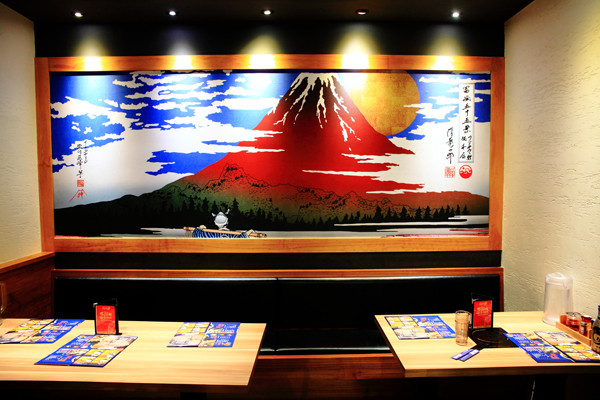
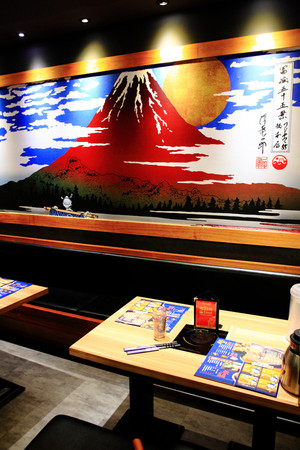
On this day, Pingzi was seated in a private section with a Mt. Fuji-themed poster backdrop – an environment she really enjoyed.
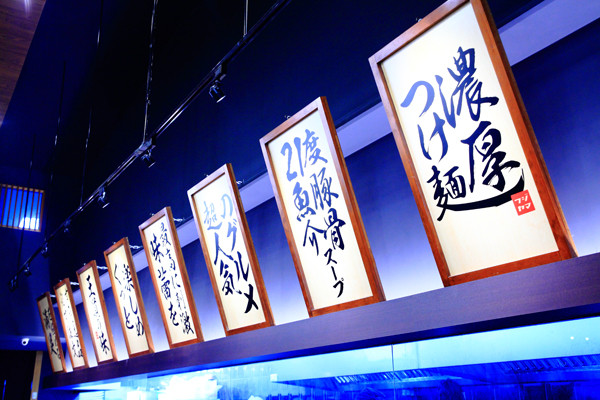
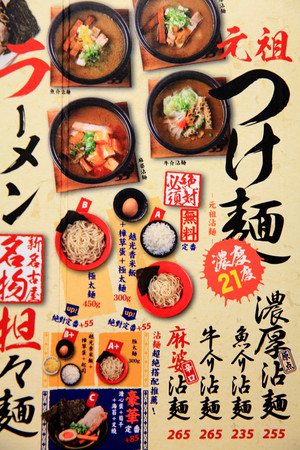
The menu displayed on the counter is very striking, with large vertical signage featuring bold calligraphy fonts and Japanese characters – a strong Japanese aesthetic.
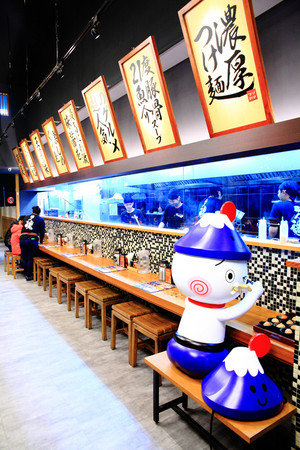
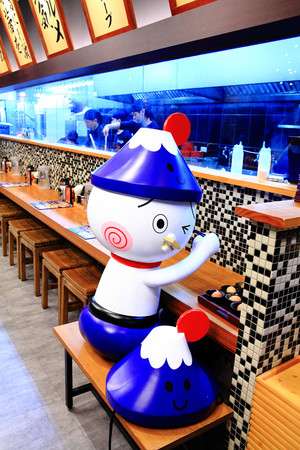
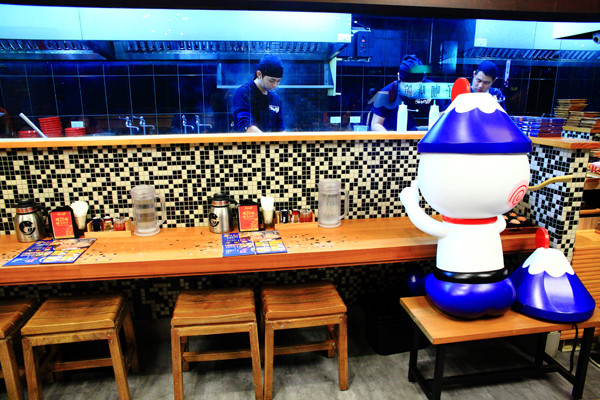
As soon as you walk in, you’ll notice the restaurant mascot, a beloved figure among customers. Photography enthusiasts can take pictures with the mascot, whose name is GoGo Jiang. Because the Japanese pronunciation of “5” is “go,” it’s nicknamed “GoGo Jiang.” There’s also a Mt. Fuji 55 mascot at the counter seating area, wearing a tiny Mt. Fuji hat.
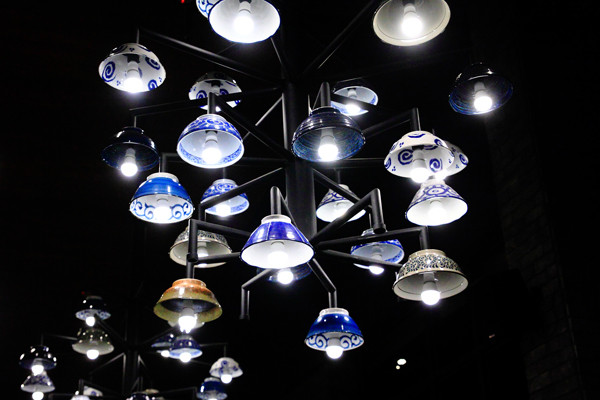
The lighting fixtures are carefully selected, featuring pendant lamps designed like traditional Japanese bowls, reminding Pingzi of similar lights at “HowSample Study.”
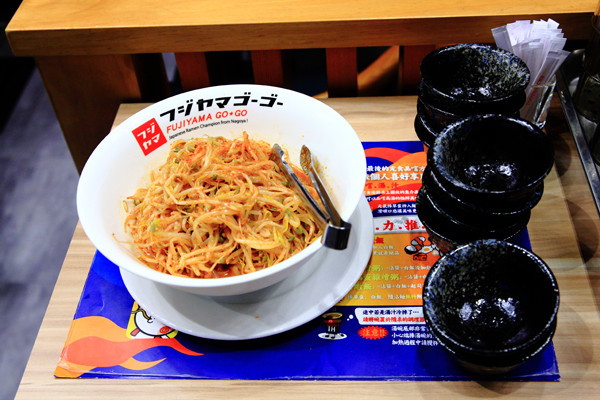
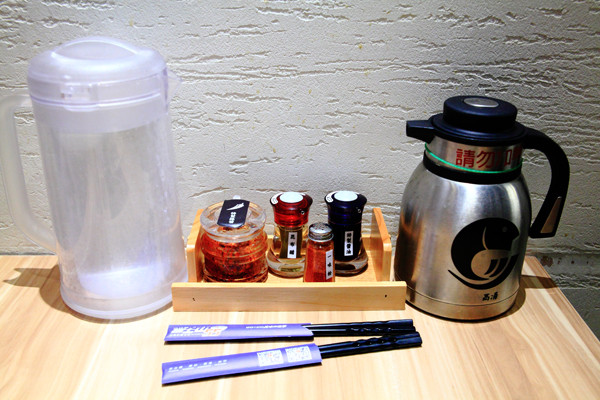
All condiments here are complimentary and self-serve. There’s also a spicy bean sprout side. The table provides ice water, essential for eating tsukemen or ramen. Each table comes with seasoning, but Pingzi found the tsukemen dipping sauce rich enough on its own – no need for extra. The small pot of broth on the table is for customizing flavor. Choosing the soup’s thickness is also key for the congee-style finish after the tsukemen. For those who don’t prefer too much saltiness, you can dilute the fish-based dashi broth.
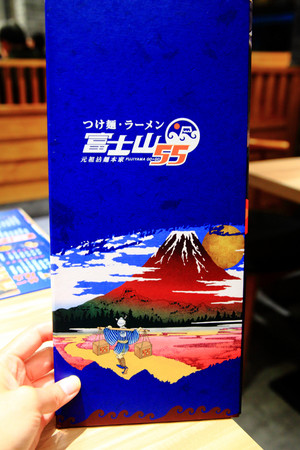
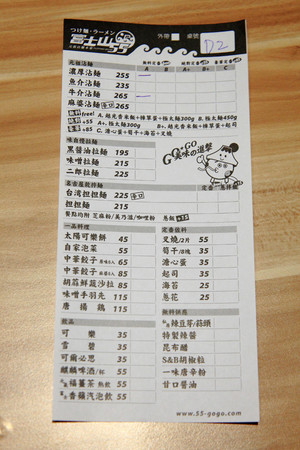
The menu is designed in a classic Japanese style, featuring both photos and text. The photos are heartwarming and make the dishes look incredibly appetizing. Each tsukemen option comes in A, B, or C sets, or you can order individual items. Both à la carte and set meals incur a 10% service charge.
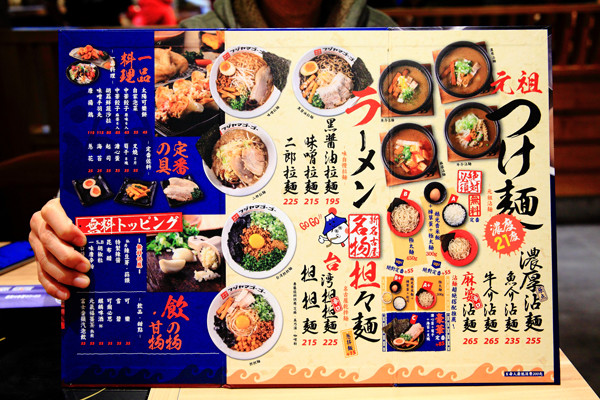
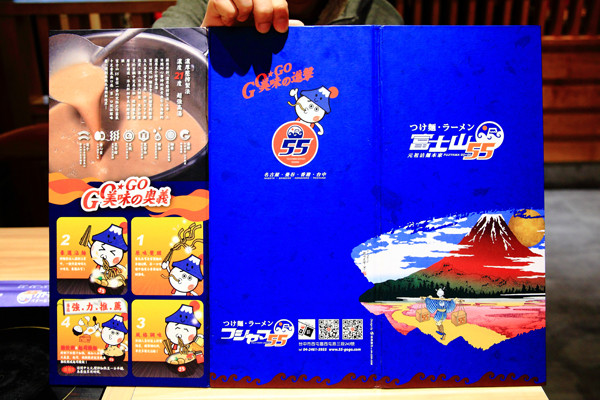
The signature tsukemen comes with two free add-ons: Set A includes rice, egg, and noodles. Set B offers a larger portion of noodles. If you’re afraid of getting hungry, you can choose A+, B+, or the super deluxe Set C, all of which come with bigger portions. Pingzi and her family opted for the versatile Set A.
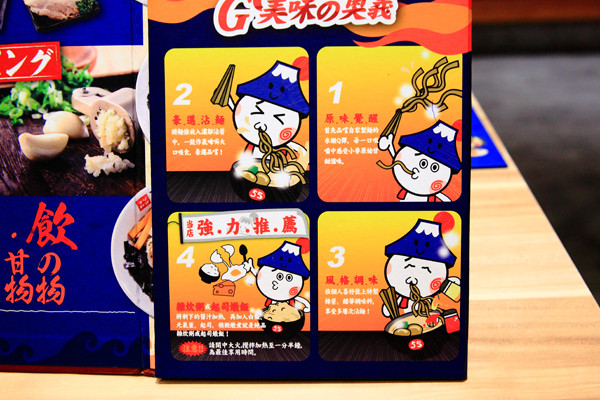
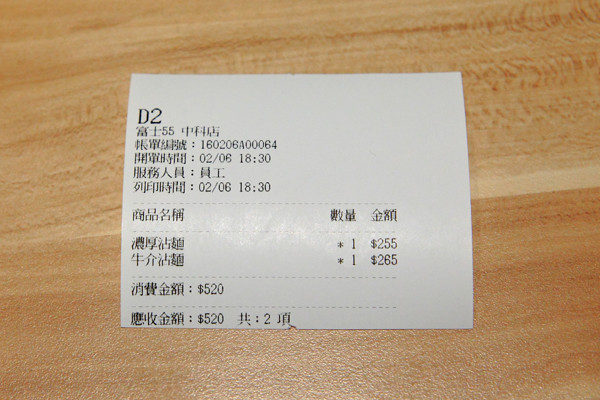
The menu also strongly recommends different ways of eating tsukemen and other dishes, with helpful illustrations to guide you through the best tasting methods – incredibly thoughtful. Prices aren’t cheap, but the experience is definitely worth it. Here, you pay first, then your meal is served. The price list is clear, and after paying, you simply wait for your food.
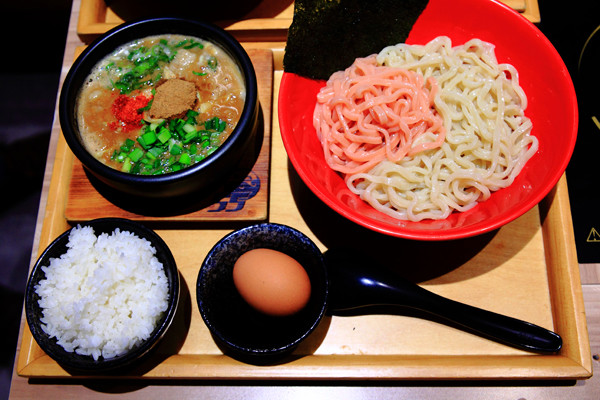
A big fan of tsukemen, Pingzi ordered the Fish Tsukemen + Set A for NT$235 (service charge not applied). For first-timers, she recommends trying the authentic fish tsukemen – the connoisseur’s choice. It comes with a free egg and white rice, with the rice being premium Koshihikari.
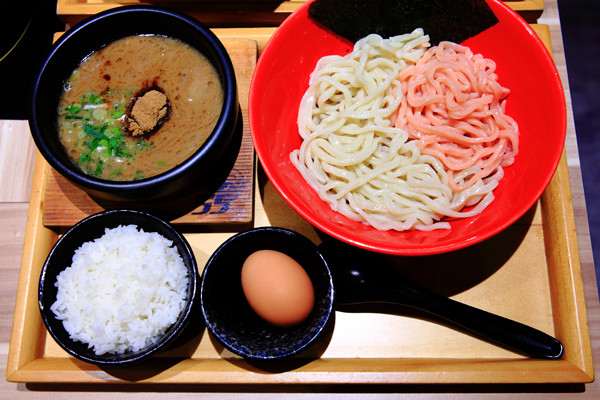
Her family had the Beef Tsukemen + Set A for NT$245. The presentation looks similar, but the soup bases differ. It also comes with a free egg and white rice.
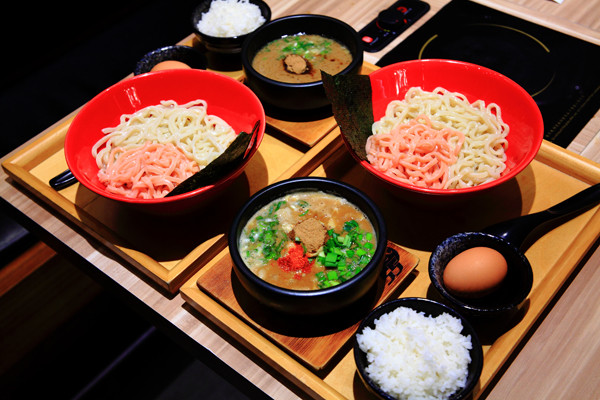
Before long, all the dishes were served.
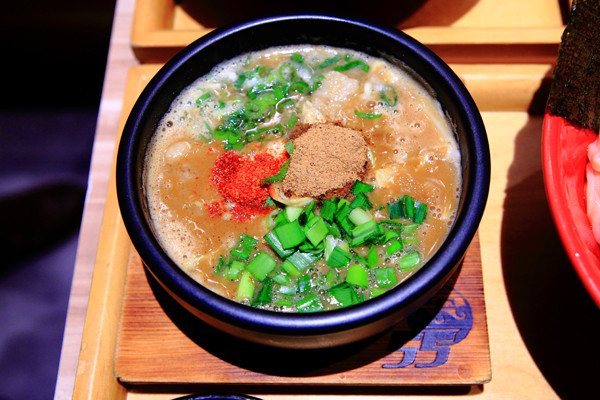
Tsukemen is all about the depth of its broth and dipping sauce – richer than regular ramen soup. The pride here is the broth, which is simmered using a “two-day” technique. This means the first day involves boiling plenty of pork bones, then letting it rest before skimming off the oily fat layer from the top to reduce greasiness. By this point, the broth is rich in collagen. The next day, vegetables and chicken feet are added, and it’s slow-cooked over low heat again until reaching the ideal golden concentration of 21 degrees – this is the hallmark standard of Mt. Fuji 55 Tsukemen.
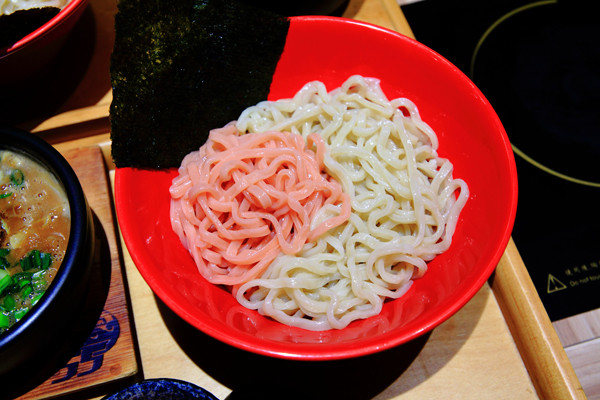
The tsukemen noodles, dubbed “Jitai Somen,” are handmade in-house and are the soul of the dish. “Jitai” refers to noodles made with a specific flour ratio, masterfully crafted to maintain 40% moisture content. Depending on weather conditions, the noodle-making process is skillfully adjusted. The texture resembles udon – slightly thicker – and the noodles are notably slippery, showing just how springy they are.
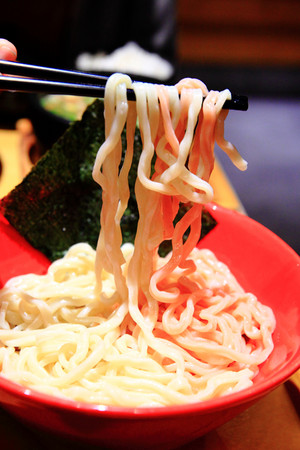
Pingzi recommends trying a plain bite of the Jitai noodle first, then dipping it, to fully appreciate the noodle’s inherent springiness.
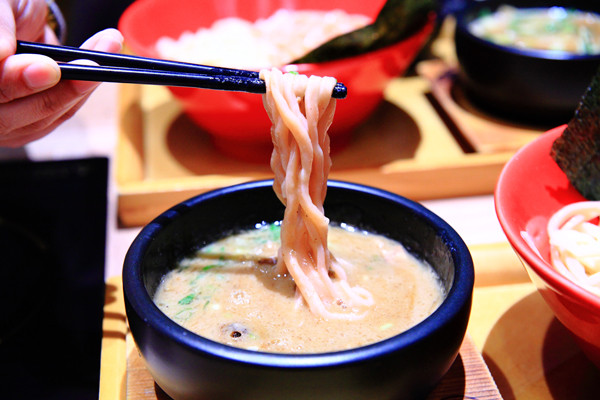
The dipping sauce is made by simmering pork bones and pork heads for 14 hours, then adding onions, carrots, garlic, katsuobushi (dried bonito flakes), chicken feet, and chicken meat, and cooking for another 6 hours. After four filtrations, it’s refined into a richly fragrant bonito and pork bone base. The saltiness is kept mild, following the Kansai style.
Then, the springy Jitai noodles are dipped into the soup. The sauce absorbs the fish-based broth, with a subtle citrus aroma that’s delicate and refined – less intense than katsuobushi, making the flavor even more enjoyable. The noodles are visibly bouncy and pair perfectly with the thick sauce. The udon-like texture gains a rich, layered flavor without being overly salty or greasy.
A diluted fish dashi broth is provided. Typically, this version is saltier and more intense, so if you love tsukemen, you shouldn’t miss it. Just looking at the richly simmered dipping sauce tells you how hearty it is. The earthenware pots are imported from Japan and are designed to be heated. It’s a bit of a shame that the broth isn’t served piping hot – Pingzi would have loved it even more if it were.
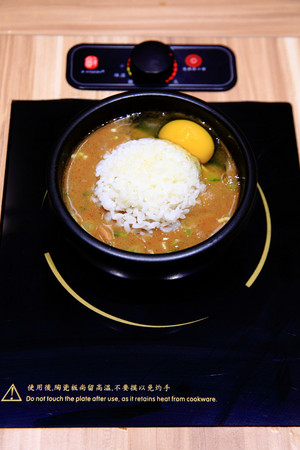
Every table is equipped with an induction cooker, a rare feature for tsukemen or ramen restaurants. For someone like Pingzi, who eats tsukemen often, this is the first time in Taiwan she’s experienced a post-meal cooking method: adding rice to the pot and turning it into congee. Two ways to enjoy one bowl of tsukemen – how creative is that?
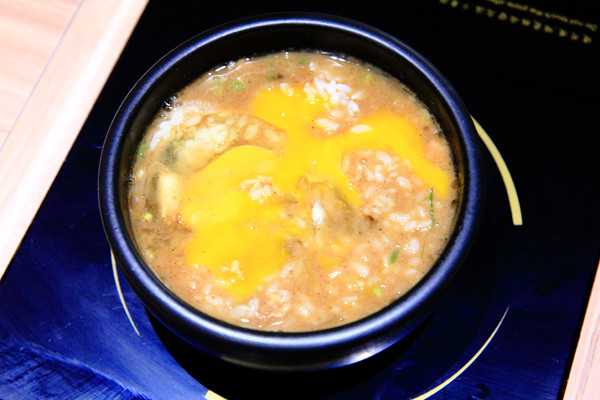
The eggs used are special “Zhangcao Eggs,” laid by hens fed with antrodia camphorata and cordyceps. These eggs are particularly rich and flavorful. When cracked into the pot with the rice, they cook up beautifully in no time.
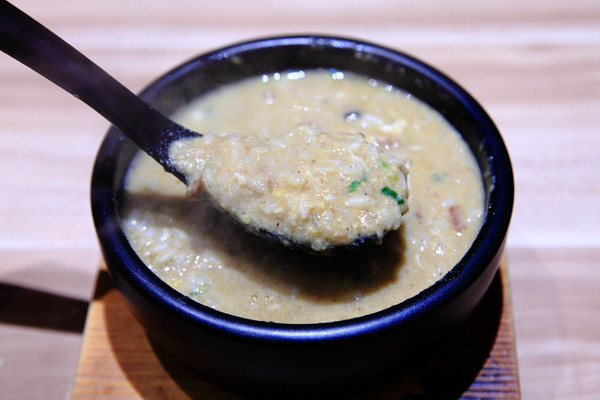
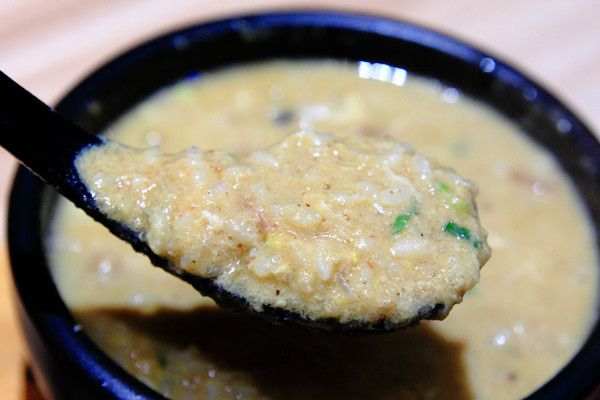
Stir the rice with the ladle while scooping, making sure the rice doesn’t stick to the pot. Before long, the plain rice mixes with the tsukemen dipping sauce. Depending on your preferred rice texture, adjust the cooking time to your liking. The tsukemen is packed with plenty of ingredients. The rice, simmered in the rich seafood broth, turns into a porridge-like consistency with a hint of natural yuzu aroma, and it’s incredibly flavorful. Coupled with the already ingredient-packed soup base, it offers even more richness and depth, making it exceptionally delicious and leaving you with a very satisfying fullness.
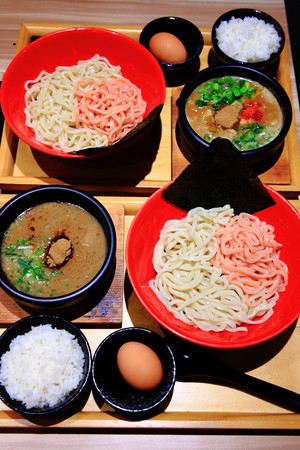
After trying the tsukemen from Fujisan 55 Tsukemen, the originator of Nagoya’s famous tsukemen, Pingzi found it highly recommendable. The tsukemen is extremely tasty. For those visiting the Taichung Zhongang Transfer Station area or the Taichung Science Park commercial district, it’s definitely worth a try—you’ll find yourself unforgettable hooked after one bite.
Fujisan 55 Tsukemen
Phone: 04-2461 5955
Address: No. 243, Section 3, Xitun Road, Xitun District, Taichung City.
Business Hours: 11:30–15:00, 17:00–21:00 (Closed on Mondays)
Parking: Paid parking lots in the Taichung Science Park commercial district and street parking spaces
Facebook Page:https://www.facebook.com/mountfuji55.
upssmile Pingzi (up’s smile – Upward Smile) !
She is a designer and also the photographer for Upward Smile Travel, Food, Design & Photography.
Passionate about “travel,” “food,” “design,” “photography,” and movies.
Blogger:http://upssmile.com/
Share
This article is published by HowToTrip. Sharing and reposting are welcome — please credit the source.
Article URL: https://www.howtotrip.net/views-8363
Related Articles
- Shaoxing's "Grandpa Gourd" hangs the gourds back up: "If there are too many people, we'll interact less — just take a quick look from afar"
- Chinese authorities announce "reciprocal adjustment" to Japan visa fees — single-entry visa jumps from 2,250 to 16,750 yen!
- The "health stones" carried by a traveler were found to have radiation levels exceeding safety limits by a thousand times, potentially endangering fellow passengers on the same flight. Customs issues warning!
- Shenzhen Airport Issues Late-Night Notice: Unidentified Aerial Object Detected, Causing Widespread Flight Delays!
- “They only said it cost money after I opened the box and washed it!” 200g of grapes sold for 60 yuan on a high-speed train—12306 responds!
- Can't buy an airline ticket? Denied exit? Blocked from boarding? A large number of Chinese tourists have mysteriously become "discredited individuals"
- Adverse weather and economic fluctuations impact Colombia's coffee market
- Beach bathing area responds to 2 yuan/30 seconds fee for freshwater foot rinsing: Clearly priced!
- Taking off with an improperly closed cabin door? Wing malfunction? Multiple flights made emergency returns mid-journey!
- Experience the gifts of nature! A countdown of the world’s ten most stunning coastlines