Kyoto Walking Map: 9 Must-Visit Spots Around Kiyomizu-dera Temple!

Text and photos byIji
As Japan’s ancient capital with a thousand years of history, Kyoto is filled with historical landmarks and nostalgic streets. But which places are the most worthwhile for first-time visitors to stroll through and appreciate? I believe “Kiyomizu-dera Temple and the many nearby attractions, slopes, and paths make for an excellent one-day walking route.” Walking through this area, you can almost visualize scenes from old Japan, steeped in a richly nostalgic Eastern charm — highly recommended!
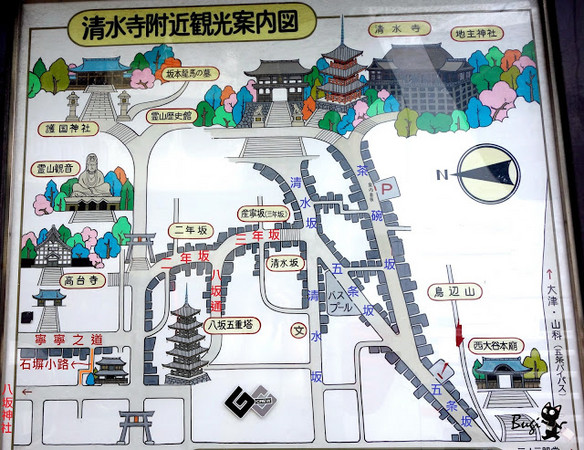
In previous articles, we introduced the world-famous heritage site “Kiyomizu-dera Temple.” Today, let’s talk about the streets and attractions near Kiyomizu-dera. These routes, when combined with Kiyomizu-dera and explored slowly on foot, form my favorite walking map in Kyoto.It’s recommended to set aside at least 5 to 6 hours to leisurely explore these spots. If you also pop into various shops or have a proper meal along the way, the time will surely increase.If you’re really short on time, just visit Kiyomizu-dera and the nearest areas like Kiyomizu-zaka, Ninen-zaka, and Sannen-zaka. But you’ll miss out on many hidden gems. For instance, I absolutely love Yasaka Pagoda and Ishidera Alley.
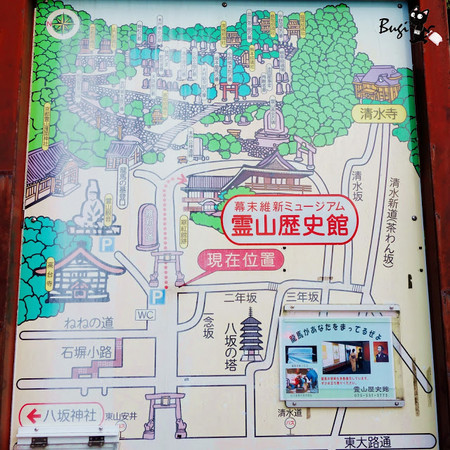
The best time to stroll is early in the morning when there are fewer tourists — you can enjoy quieter and more serene streets. The route is listed in order below (of course, you can walk it in reverse), and it’ll be clearer if you refer to the map above:
1. Chawan-zaka (Teacup Slope).
2. Kiyomizu-dera Temple, see related article<World Heritage Site “Kiyomizu-dera”: Don’t Miss Its 6 Popular Attractions>.
3. Kiyomizu-zaka (also known as Matsubara-dori and Kiyomizu-dori).
4. Sannen-zaka (also called Sannenzaka or Sandouzaka).
5. Yasaka Five-Story Pagoda (Yasaka Pagoda).
6. Ninen-zaka (also called Ninenzaka).
7. Nene-no-michi and Kiyomizu-dera’s Kōdai-ji Temple.
8. Ishidera Alley.
9. Yasaka Shrine.
1. 【Shinsendo – Chawan-zaka】
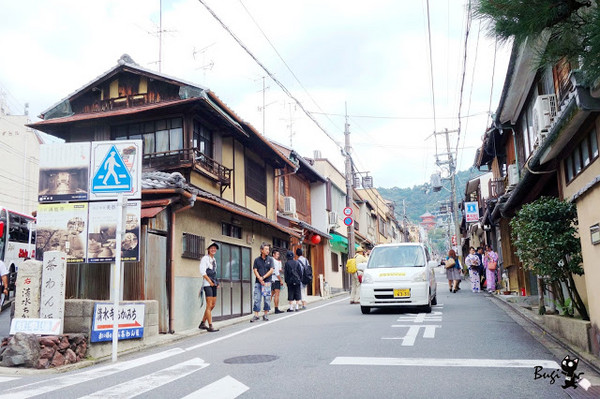
“Shinsendo” is the birthplace of Kyoto’s Eastern Mountain (Higashiyama) Kiyomizu-yaki pottery, also known as “Chawan-zaka” (Teacup Slope). It’s a relatively quiet and less crowded slope around Kiyomizu-dera, giving it a more relaxed and laid-back atmosphere. It’s a great place to start your exploration of Kiyomizu-dera and its surroundings. It takes less than 10 minutes to walk from Chawan-zaka to Kiyomizu-dera, but I ended up taking nearly half an hour as I walked, took photos, and admired the street scenery along the way.
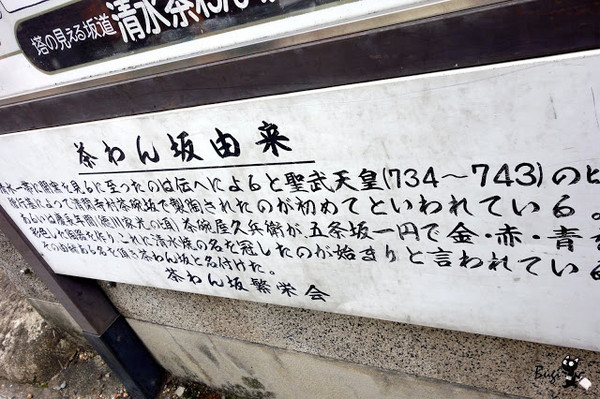
There are two theories about the origin of the name Chawan-zaka. One says that during the reign of Emperor Shomu (734–743 AD), a monk made pottery on Chawan-zaka at Seigan-ji Temple. Another says that a potter named Kyuubei Chawan-ya created colorful pottery on Gojo-zaka, which came to be known as Kiyomizu-yaki, and the area was then named Chawan-zaka.
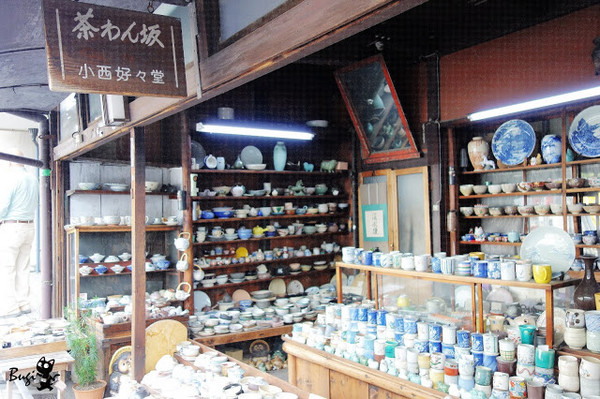
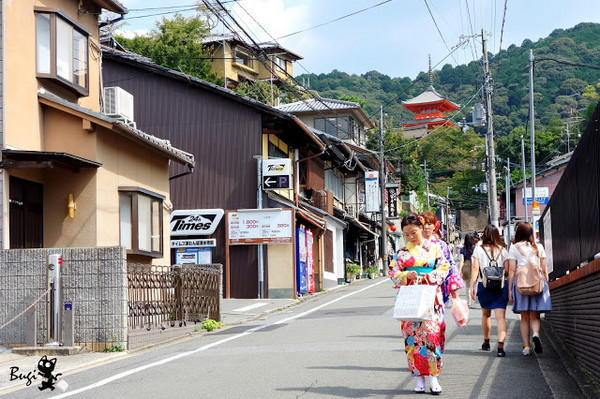
As the birthplace of Higashiyama Kiyomizu-yaki, there are many shops selling Kiyomizu-yaki along the way, with very delicate designs and colors, though the prices aren’t exactly budget-friendly. The closer you get to Kiyomizu-dera, the more girls in kimono you’ll see.
2. 【Kiyomizu-dera Temple】
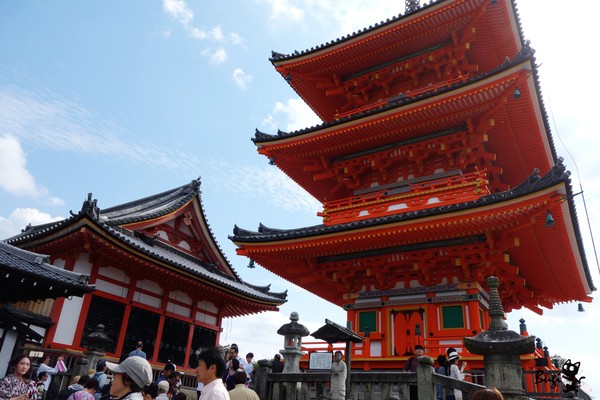
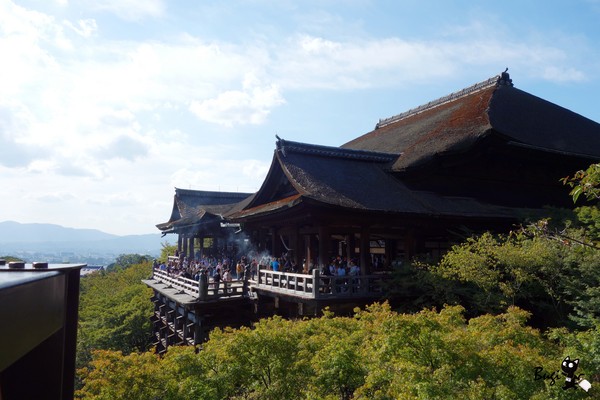
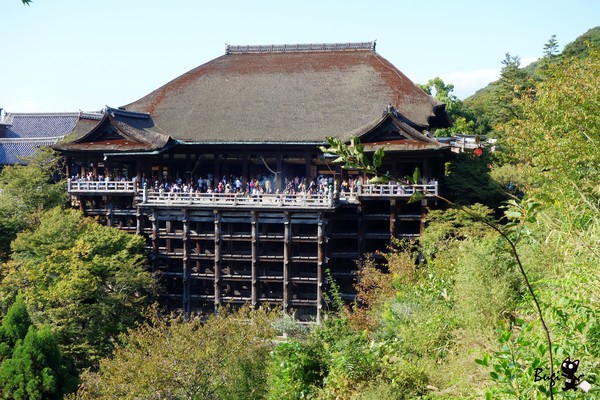
The world-renowned Kiyomizu-dera Temple is one of the most visited World Heritage Sites in Kyoto. For a detailed introduction, please see<World Heritage Site “Kiyomizu-dera”: Don’t Miss Its 6 Popular Attractions>.
3. 【Kiyomizu-zaka】 (also known as Matsubara-dori and Kiyomizu-dori)
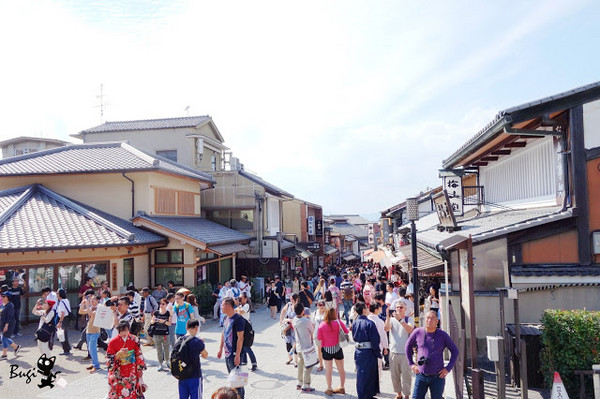
Kiyomizu-zaka is a long slope right in front of the main entrance of Kiyomizu-dera, essentially its main approach street.Almost all visitors to Kiyomizu-dera Temple pass through this bustling shopping street. On regular days, the crowd on Kiyomizu-zaka is already considerable, but during holidays, it becomes packed with people. Looking toward Kiyomizu-dera from the front, the street is shoulder-to-shoulder with pedestrians, brimming with energy.
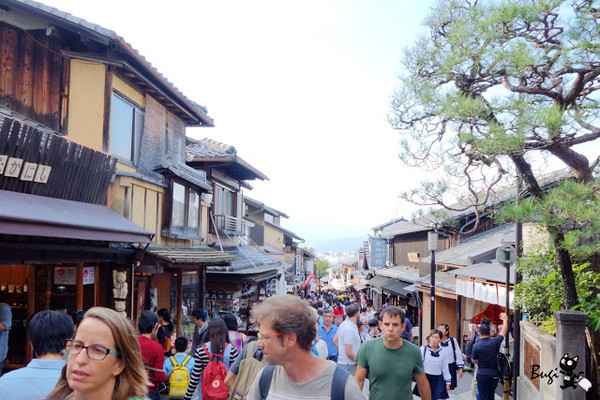
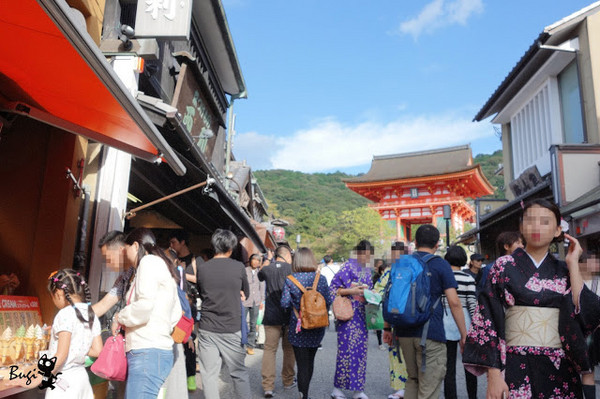
Looking from Kiyomizu-zaka toward Kiyomizu-dera, you can also see the grand Niōmon main gate of the temple.
The sides of Kiyomizu-zaka are lined with shops—some selling Kiyomizu-yaki pottery, others offering a variety of Kyoto specialties such as sweets, wagashi, pickles, and other local products, as well as numerous Kyoto-style souvenir shops waiting for customers to browse.It’s overwhelming to the eyes. Though somewhat commercialized, if you’re looking for gifts, this place has everything imaginable and a wide variety to choose from.
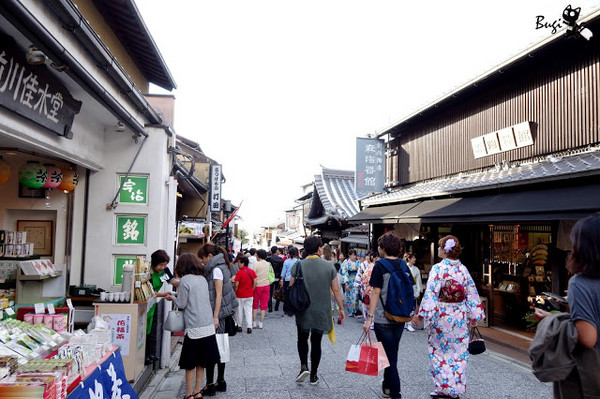
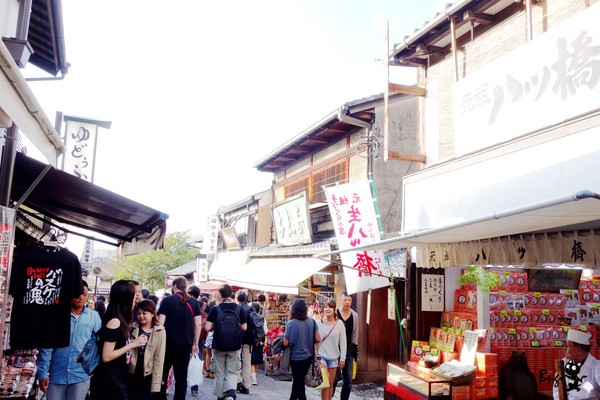
▲ “Nishizushi” is a famous Kyoto sweet shaped like a triangle, consisting of soft, mochi-like thin wrappers filled with various sweet ingredients (such as matcha, red bean, or sesame). There are many shops along Kiyomizu-dōri that specialize in Nishizushi, and the shop on the right side of the picture is one of them.
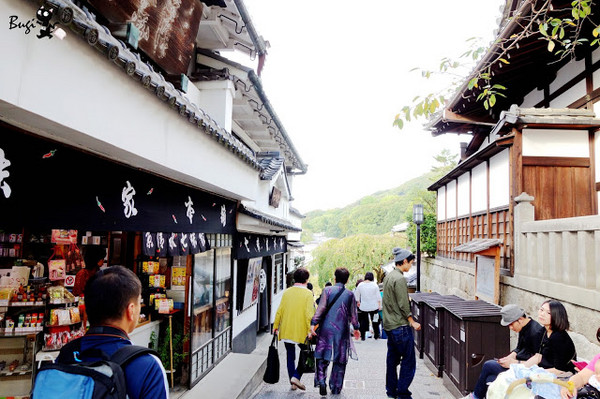
▲ At the corner where Kiyomizu-zaka meets Sannen-zaka stands the popular long-established shop “Shichimiya Honpo” (pictured left), a historic store over 350 years old that claims to be the originator of Japanese seasonings. It sells a variety of Japanese condiments, among which shichimi (seven-flavor chili pepper) is the most popular and a favorite souvenir.
4. 【Sannen-zaka】 (also known as Sandō or Sannenzaka)
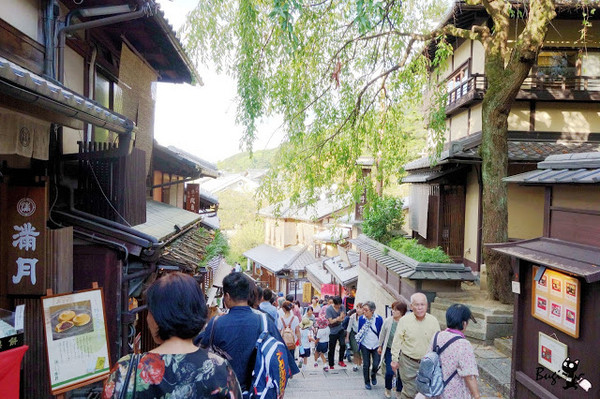
In Japan, any street name ending with “zaka” refers to a slope, and Sannen-zaka is just such a gently undulating stone-paved incline.It is an essential path from Kiyomizu-zaka to Ninen-zaka.Strolling along it, you can feel the old-fashioned, traditional atmosphere of Kyoto.
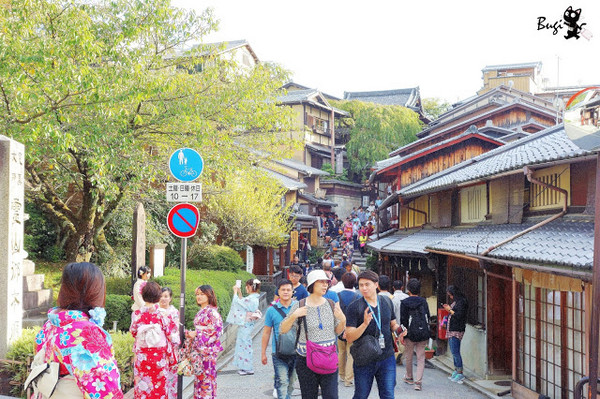
The road was originally the approach to the “Kozu no Kannon” shrine, which was believed to ensure safe childbirth, hence the name “Sandō” (literally “Childbirth Slope”). As for the names “Sannen-zaka” and “Sannenzaka,” they are said to come from the year of construction, “Daidō 3rd Year.” Another theory suggests that it’s called Sannen-zaka because it’s believed that if you fall on this slope, you’ll face misfortune within three years.
Because the buildings and scenery along Sannen-zaka are considered classic, it, along with Ninen-zaka, has been designated as an “Important Preservation District for Groups of Traditional Buildings.” This area is a pedestrian-only zone, and vehicles are strictly prohibited.
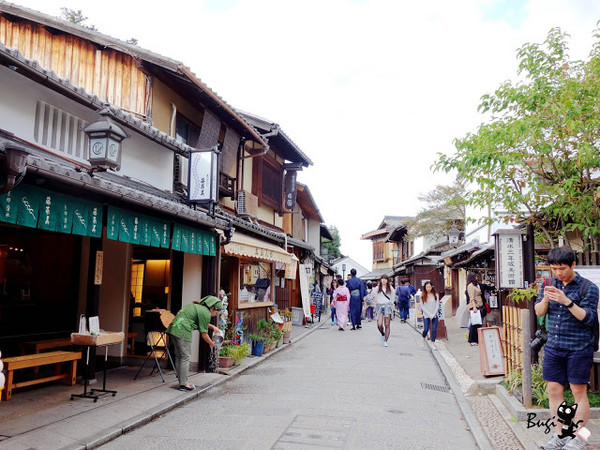
The slope is lined with souvenir shops, wagashi, traditional crafts, Kiyomizu-yaki pottery, and restaurants, though not as densely packed as Kiyomizu-dōri. With less commercialization and more of an old-world charm, it’s a great spot for photography.
5. 【Yasaka Pagoda】
At the junction of Sannen-zaka and Ninen-zaka, there is a fork in the road called Yasaka-dōri, where Kyoto’s oldest pagoda structure—the Yasaka Pagoda—stands.
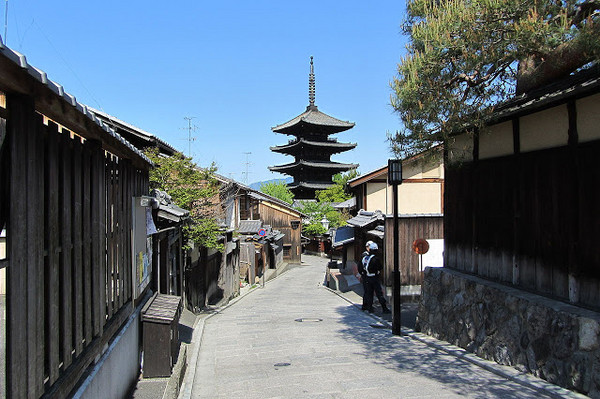
▲ Yasaka Pagoda (Photo / Wikimedia Commons)
Standing 46 meters tall, the five-story Yasaka Pagoda rises prominently amid the low-rise traditional Japanese houses in Kyoto’s Higashiyama district, making it one of the most eye-catching landmarks in the area. The slope leading to the pagoda is quiet and serene, with far fewer visitors than Ninen-zaka or Sannen-zaka, making it well worth a visit.
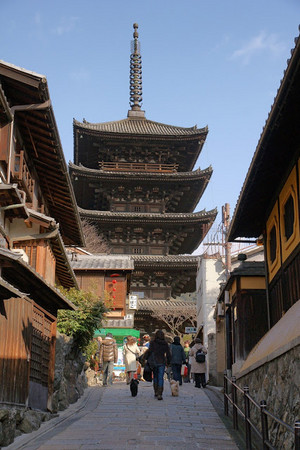
▲ Yasaka Pagoda (Photo / Wikimedia Commons, Aporon999)
6. 【Ninen-zaka】
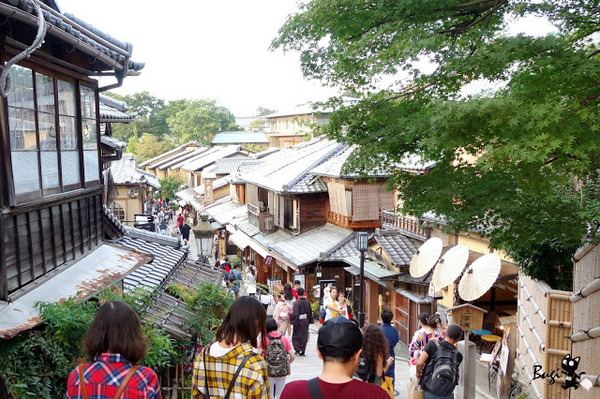
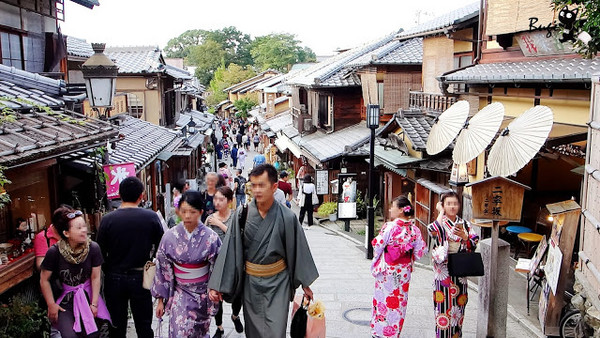
Walking from Kiyomizu-dera via Kiyomizu-zaka and Sannen-zaka will lead you to Ninen-zaka. This approximately 200-meter-long stone-paved slope is flanked by machiya-style buildings that preserve the architectural character of old Kyoto, rich in historical charm.

▲ Ninen-zaka when deserted is quite elegant (Photo / Wikimedia Commons, Aporon999)
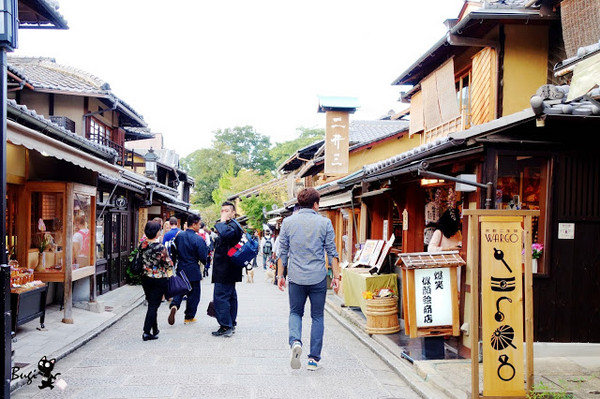
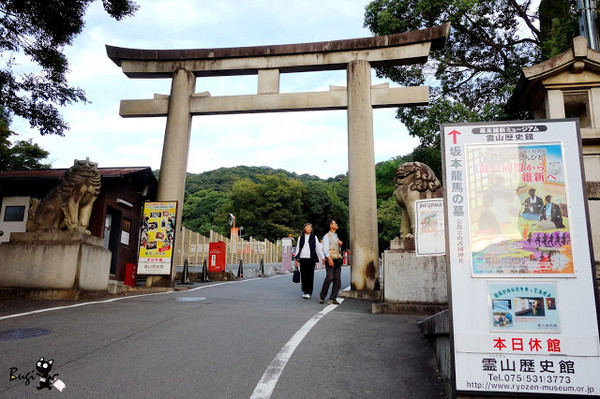
At the end of Ninen-zaka, to the right is the approach to the “Reikan-ji Temple” and the “Tomb of Sakamoto Ryōma,” while to the left leads toward the “Nene-no-Michi” and “Kojingatani.” Since it was getting late and Reikan-ji was closed, I headed straight for Nene-no-Michi. Those with extra time might want to check it out.
7. 【Nene-no-Michi & Kōdai-ji】
Kōdai-ji is a temple built by Nene, the legal wife of Toyotomi Hideyoshi, in prayer for her husband after his death. The wide stone-paved road leading to Kōdai-ji is named “Nene-no-Michi” (Nene’s Path) because she often walked along it.
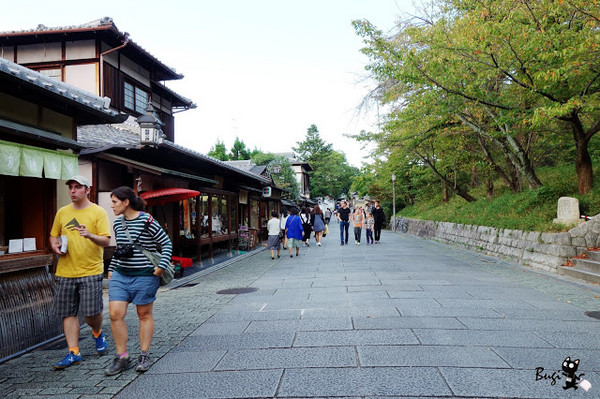
Compared to Ninen-zaka and Sannen-zaka, Nene-no-Michi is relatively wider and straighter, with far fewer visitors. Strolling here feels very relaxing, and the area is lined with many refined-looking tea houses. From the outside, you can sometimes even catch glimpses of geisha or maiko.
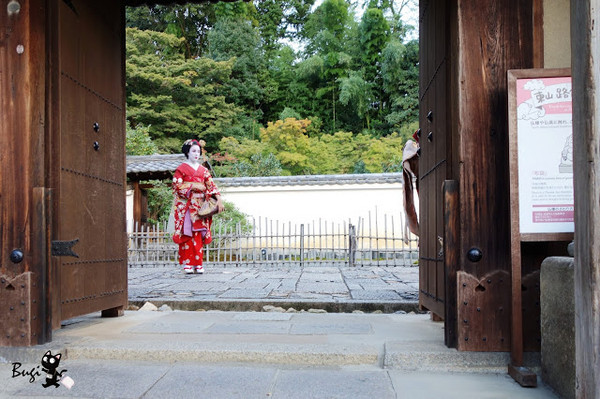
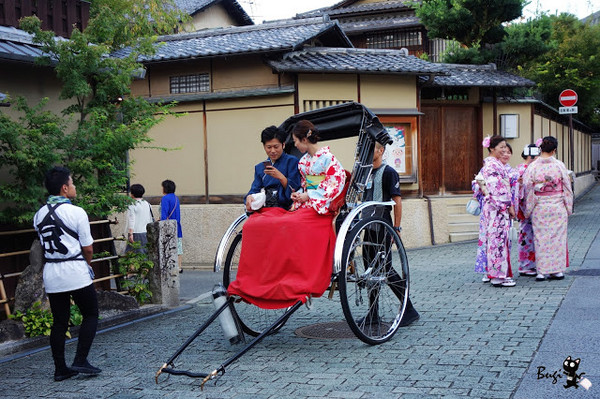
Aside from geisha, you can also spot many rickshaws ferrying tourists through the nearby streets and alleys. Walking along Nene-no-Michi leads to Kōdai-ji, a grand temple built against a mountainside. Its gardens are exquisitely beautiful and also make for a great spot to view cherry blossoms and autumn leaves.
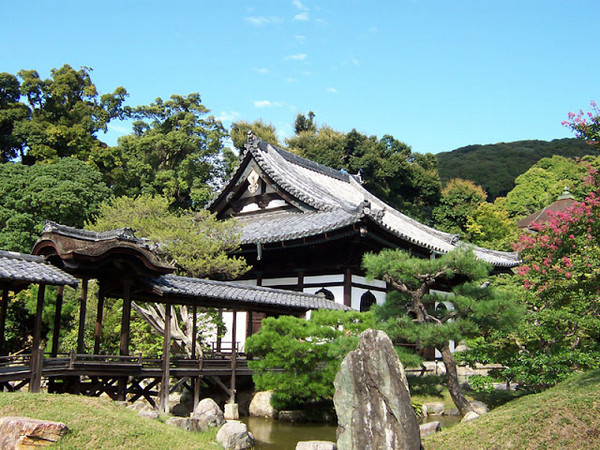
▲ A view of Kōdai-ji (Photo / Wikimedia Commons, Kodaiji)
8. 【Kojingatani (Ninenzaka’s narrow alley)]
On Nene-no-Michi, there is a narrow side street also known as “Kojingatani,” a tiny path that can be walked through in just a few minutes. Having appeared in TV commercials in recent years, it has gained some fame. Venturing down this lane, you’ll find a completely different vibe from Nene-no-Michi—quiet, winding, and lined with various traditional Japanese inns, restaurants, and teahouses. When the streetlights come on at night, the atmosphere becomes especially enchanting.
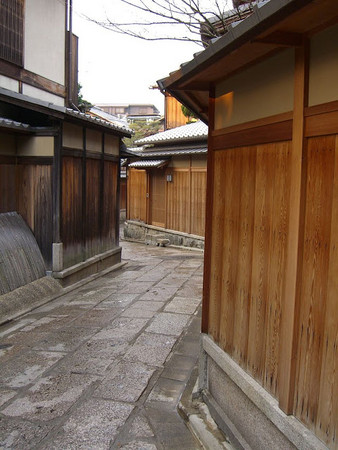
▲ Kojingatani (Photo / Wikimedia Commons)
9. [Yasaka Shrine]
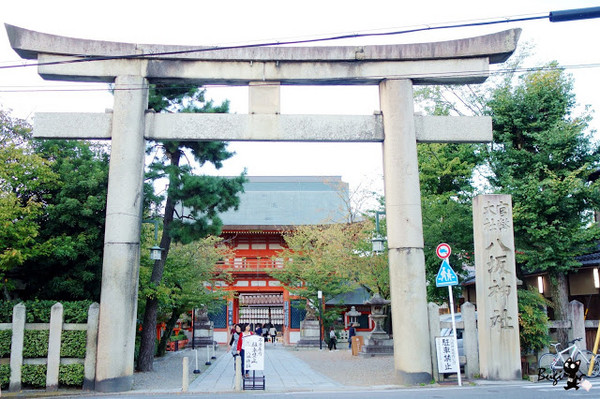
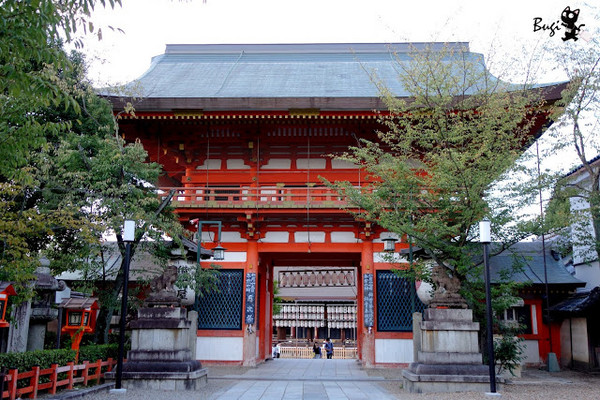
Heading from Shinsen-en toward Maruyama Park, you’ll arrive at Kyoto’s famous “Yasaka Shrine.” In fact, there are over 3,000 Yasaka Shrines across Japan, but this one in Kyoto is the head shrine. Located in Maruyama Park, it was formerly known as “Maruyama Shrine” (it was renamed Yasaka Shrine in the mid-to-late 19th century during the Shinbutsu Bunri movement), and is one of the most popular shrines in Kyoto. Additionally, the annual Gion Matsuri held here every July is one of Japan’s largest festivals, attracting huge crowds of worshippers.
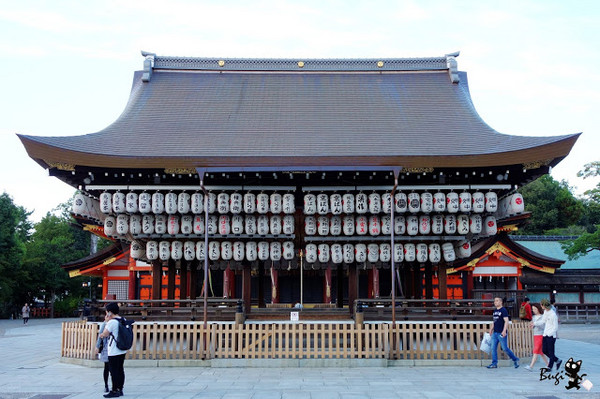
▲ The Dance Stage inside Yasaka Shrine
Many shrine buildings in Kyoto make extensive use of vermilion red and white, which not only avoids looking gaudy but instead appears quite majestic.
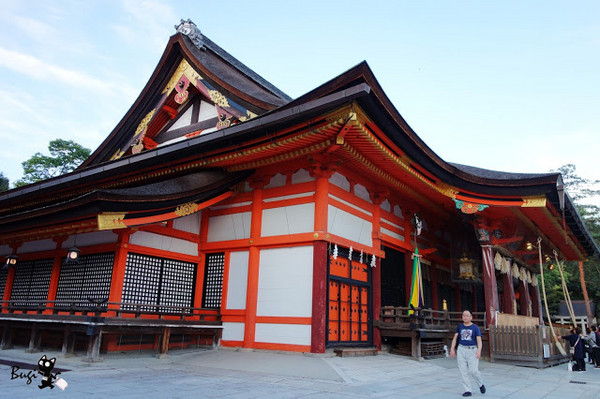
▲ In front of the grand main hall, there are large bells that worshippers can ring

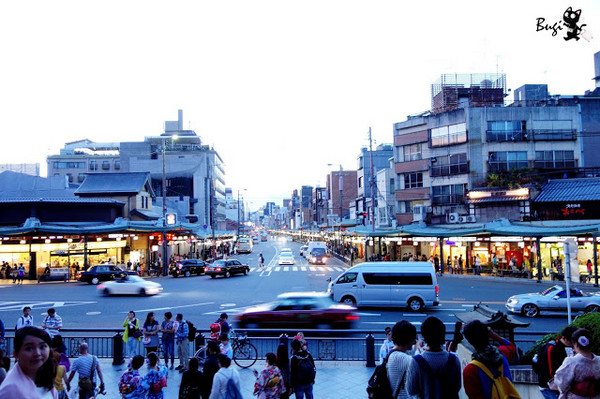
Exiting Yasaka Shrine, you’re just across the street from the bustling Gion shopping streets. From there, you can stroll to the renowned Gion geisha district—Hanamikoji Street—and the nearby department store area, making for an incredibly rich full-day walking itinerary. This route comes highly recommended.
Want to read more unrestrained travel articles? Welcome to joinUnrestrained’s Facebook Fan PageandUnrestrained’s Blog
Share
This article is published by HowToTrip. Sharing and reposting are welcome — please credit the source.
Article URL: https://www.howtotrip.net/views-8330
Related Articles
- Shaoxing's "Grandpa Gourd" hangs the gourds back up: "If there are too many people, we'll interact less — just take a quick look from afar"
- Chinese authorities announce "reciprocal adjustment" to Japan visa fees — single-entry visa jumps from 2,250 to 16,750 yen!
- The "health stones" carried by a traveler were found to have radiation levels exceeding safety limits by a thousand times, potentially endangering fellow passengers on the same flight. Customs issues warning!
- Shenzhen Airport Issues Late-Night Notice: Unidentified Aerial Object Detected, Causing Widespread Flight Delays!
- “They only said it cost money after I opened the box and washed it!” 200g of grapes sold for 60 yuan on a high-speed train—12306 responds!
- Can't buy an airline ticket? Denied exit? Blocked from boarding? A large number of Chinese tourists have mysteriously become "discredited individuals"
- Adverse weather and economic fluctuations impact Colombia's coffee market
- Beach bathing area responds to 2 yuan/30 seconds fee for freshwater foot rinsing: Clearly priced!
- Taking off with an improperly closed cabin door? Wing malfunction? Multiple flights made emergency returns mid-journey!
- Experience the gifts of nature! A countdown of the world’s ten most stunning coastlines