Don’t leave any regrets in life!Riding a 125cc motorcycle around Japan for 82 days (Part 2)
Author / Hsieh Hsiao-Cheng
[Travel is Always Full of Surprises]
Everything felt so overwhelming at the time, but looking back, it was really my own carelessness. Even before leaving for the trip, I had used Google Maps to check the route multiple times. How did I not realize this was a highway where only mopeds are allowed? Usually, you only have those “I should’ve known” or “If only I had thought of that” moments after something happens.
Check out the previous episode here >>>Don’t leave any regrets in life!Riding a 125cc motorcycle around Japan for 82 days (Part 1)
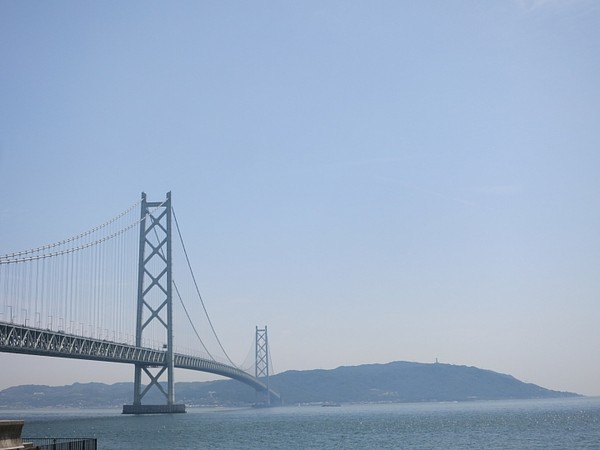
I happily set off early in the morning, thinking that today’s route was short—only 120 kilometers—so I could enjoy some alone time in my room early. Since I couldn’t find a backpacker’s hostel in Tokushima, I had to spend more on a cheap motel where I could soak in the bath and relax. But at the first attraction of the day, a photo spot by the ocean bridge, the road ahead looked like a highway!! “A highway,” meaning motorcycles probably aren’t allowed (heavy bikes might be okay, but definitely not 125cc or below). But maybe the bridge is an exception? Otherwise, how would 125cc motorcycles get to Shikoku, right?
By now, I had a bad feeling. Without much thought, I passed by Akashi Castle Park and the Akashi Planetarium. I originally wanted to take a leisurely stroll, but my mind was completely preoccupied with whether I could ride my 125cc motorcycle across the ocean bridge. Could I? Could I? Could I? Of course, I had no interest in sightseeing anymore.
When I reached the interchange, I was already annoyed by the small roads in Japan. For some reason, I kept circling from the city to the highway without finding the way. The weather was hot, and I was honestly feeling “this is hopeless.” Then I saw a no-entry sign—my 125cc motorcycle couldn’t go on the overpass. I panicked and just stood there dumbfounded at the intersection. What should I do?
Looking at the map, there didn’t seem to be any ports nearby, and the nearest option was to go back to Wakayama Port to take a ferry. That meant going back 120 kilometers—such a long way. The main issue was that I didn’t want to backtrack. Riding a motorcycle in Japanese cities for one hour covers about 25–30 kilometers, so it would take an extra four hours or so... I wanted to beautifully circle Japan!This route would leave a gap in the southern part of the main island, and even if I went there, I wouldn’t make it to today’s ferry. Second, I’d lose the money for two nights of accommodation I had already booked. Today, I had reserved the most expensive hotel in Japan so far, and for two nights at that, eating the cheapest beef bowls at Yoshinoya every day.<饭,连小菜都不赶追加,就是为了省各二三十元,这样两天损失的住宿费可以让我整趟日本之旅餐餐有菜了说,我怎么可以这种事发生。
At that moment, I definitely didn’t want, didn’t intend, and wasn’t willing to go back. So I looked for other options. “Breaking through the highway” would at most result in a fine—looking it up, it should be 5,000 yen. That seemed like a risk worth taking. But I was afraid of getting stuck on Awaji Island because after crossing this ocean bridge, you reach an island called Awaji, and to get to Shikoku, you have to cross another highway bridge over the sea. If I got caught by the police on the first part, wouldn’t I be stuck on the island? There are no ferries to Awaji, so would my motorcycle journey around Japan turn into a prison tour on Awaji Island?
But looking at it optimistically, motorcycles are allowed on highways in Japan. Since I didn’t have a license plate on the front, if the toll collector didn’t specifically check the rear plate, I might be able to sneak through safely. That way, I wouldn’t waste time, and I wouldn’t lose the money for today’s accommodation.
So there I was at the intersection, watching heavy motorcycles drive across the ocean bridge. I really wanted to follow them and break through. I imagined one passing by, or maybe finding a big truck that could give me a ride. My little brain kept playing out all these little scenarios of motorcycles sneaking through. But in reality, the person and the motorcycle just stood there dumbfounded at the intersection for over an hour.
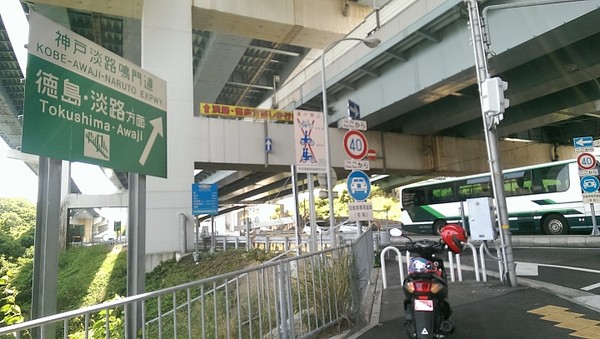
My stomach was too hungry, so I went to a nearby convenience store to buy something to eat. I sat on a chair searching online for whether anyone had tried this before or what the penalties were for getting caught. After another hour or so, I finally gave up on breaking through. If something happened—like my license being revoked—that would be the end. The rest of the itinerary would be ruined, or it might even end up on the news and be super embarrassing. Or worse, it might cause Taiwanese people to be banned from riding motorcycles in Japan in the future. I decided that finishing the trip safely was the best option to avoid any lingering issues. So I had to cancel the accommodation I had just booked last night. All that effort to save money was gone in one go, and my mood was super bad... If I wanted to complete the full loop around the main island, I would have to take a ferry from the next port, “Tamano,” to enter Shikoku. The entire itinerary had to be replanned, the costs increased, and I just had to swallow it. Spending more money still affected my mood quite a bit.
April 28 – July 20, 2015, an 84-day trip to Japan. I rode a motorcycle for 80 days around Japan, spending 160,000 on the trip. I rode through the Japanese mainland, Shikoku, Kyushu, and Hokkaido. I chose what I thought was the best season for motorcycling—May to July—but I didn’t know Japan has a rainy season that can bring heavy rain for an entire month. I also didn’t know that the mountains and Hokkaido in July are still freezing cold. I only brought a thin jacket and rode my motorcycle in the rain, freezing so badly my body cramped up. I had originally thought language barriers would be the biggest difficulty, but with Google Translate, gestures, and Japanese kanji, I was able to communicate with the Japanese easily and happily.
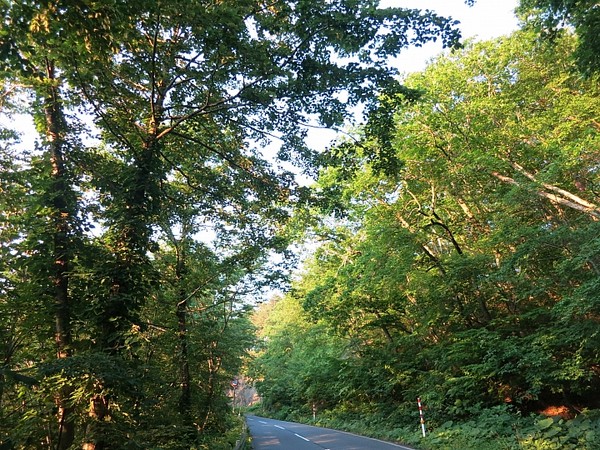
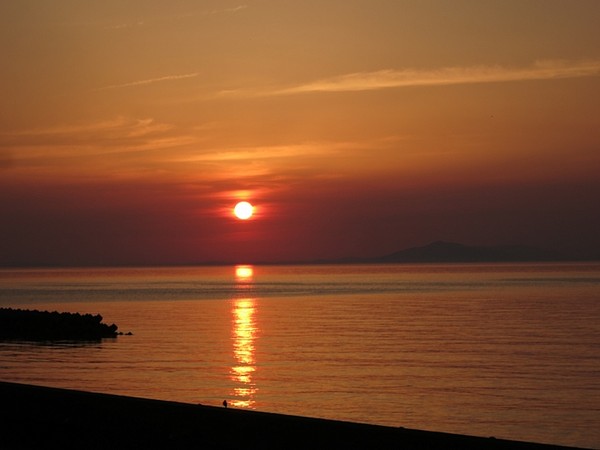
Riding a motorcycle in Japan is truly a wonderful experience. Many of Japan’s roads are built just over a meter above sea level, so as you ride, the ocean is right there beside you, so close. You can really feel how terrifying a tsunami would be. In the deep green forests, you can feel the breeze brush past—it’s what riding is all about. By controlling the handlebars of the motorcycle, you can effortlessly let your body sink into the Japanese wind. The best part is being alone on a mountain peak, surrounded by nothing for dozens of kilometers, admiring the afterglow of the sunset, without worrying about missing the last bus home. Writing this now, those beautiful sceneries really make me want to go back to Japan again.
[A Wet and Cold Journey—the Greatest Enemy is the Weather]
When traveling, you always hope to meet nice people, delicious food, and beautiful scenery. But looking back, the mishaps you encounter are actually the stories worth sharing. Let me talk about the terrible situations I faced. Japan’s road design, quality, and the citizens’ strong sense of obeying traffic rules are all top-notch, so accidents that are common in Taiwan rarely happen here.
But the worst thing I encountered was the “weather.” I happened to visit during Japan’s rainy season. Japan’s rainy season is heavy and long, which is pretty terrifying for motorcycle riders. There was a full week of nonstop rain, even about twenty days of rain throughout the month. The rain was extremely heavy, and for about ten of those days, it poured nonstop. Of course, a responsible motorcycle rider can’t be defeated by the rain. Just ride carefully when it rains. The distance covered each day dropped from 200 kilometers to around 100 kilometers. The number of attractions visited went from ten a day to four. Everything was simplified, with safety as the priority.
But the endless rain day and night made me go from being full of fighting spirit on the first day, to becoming impatient by the third day, to having no dry clothes to change into by the fifth day. The raincoat kept me wet outside, and my clothes inside were also damp and cold. My mood was completely tied up in negative energy. On the seventh day, I suddenly found myself in a parking lot, yelling at the sky for over twenty minutes, cursing the heavens for being utterly cruel. This wasn’t travel—it was torture. It wasn’t until the tenth day... maybe I got used to it, and there weren’t any particularly vivid memories.
I remembered an official once said, “When you’re poor, and you’ve been poor for a long time, you just get used to it” (made-up quote). I could really relate to how pain, when experienced for too long, just becomes normal... Riding a motorcycle is the worst in the rain—you can’t enjoy the sights properly, and it’s dangerous and uncomfortable. I also misjudged how cold Hokkaido would be in July. Add in the rain and not bringing enough warm clothing, and my hands and feet turned purple from the cold.
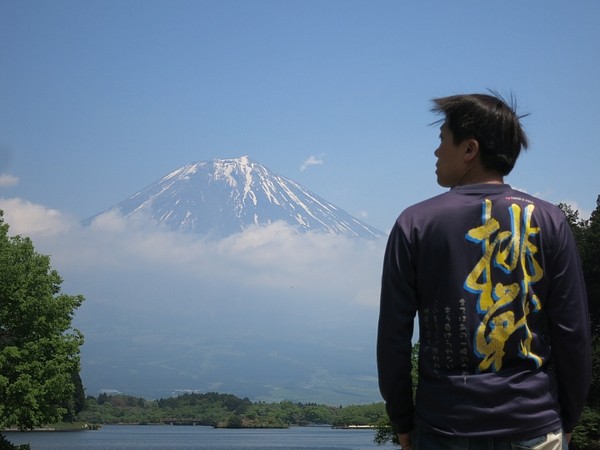
Rain, rain, and more rain. If I think back to today’s journey, it was just nonstop rain. From the moment I left in the morning until I came back in the evening—14 hours straight—the rain never stopped. Occasionally it was light drizzle, but most of the time it was pouring heavily. I was too tired to even count how many days in a row it had rained.
When I arrived in Japan, a friend told me June is Japan’s rainy season, especially severe in Kyushu. I faintly remember Taiwan also has this term, but it usually refers to light drizzle for a few days or even “no rain at all.” “Rainy season” sounds like a term exclusive to weather forecasters, not really meaningful in daily life. Just listen and move on. Anyway, I was already in Japan, exploring around—I couldn’t change my travel plans just because of a little rainy season.
And these days, the continuous heavy rain for n days had really dampened my morale. I looked up online what the rainy season was all about. The key point was seeing that the rainy season in Japan starts in June in Kyushu, then moves northward and ends in July when summer vacation begins. Familiar words, except my motorcycle route had turned into the rainy season. That didn’t mean I was going to chase the rain all the way to Hokkaido. But I couldn’t find a solution, so I just had to ride one day at a time, feeling pretty blue. Looking back at any attraction visited today, it was just a quick checkpoint. All I wanted was to get back to the hotel and rest. But now, sitting in the hotel lobby, I couldn’t even remember the discomfort of being drenched in the morning, nor could I recall many of the scenic spots I had seen. Time dilutes everything. All I know is that the traces I left behind are captured in photos.
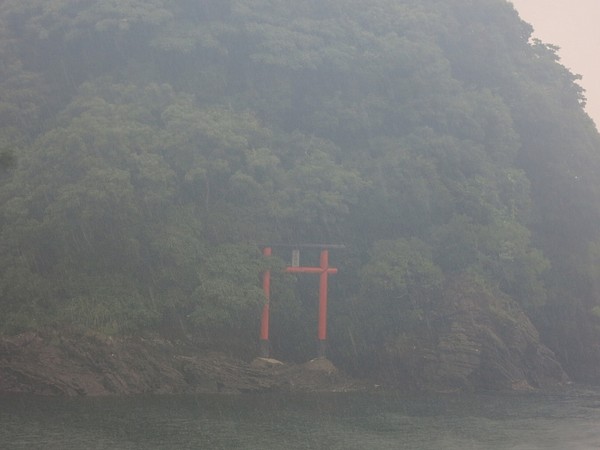
Today I had planned to visit lots of high viewpoints, but none of them worked out. The first one, Mt. Umi-ga-mi-dake. On the way there, I realized the weather was so bad that there probably wouldn’t be any beautiful views. Other places were the same—I still hoped to at least get one decent photo to prove I had been to a scenic spot. But when I got to the second viewpoint, I definitely couldn’t see anything. I thought about skipping it, but then I thought, if I skipped one more spot, wouldn’t that be double the loss? So I pushed through the rain toward the target. Luckily, it was worth it. First, I saw Mt. Kaimon in the distance—a perfect triangle, similar to Mt. Fuji, something Taiwan doesn’t have. Most mountains in Taiwan are layered peaks, rarely a single mountain. This one was probably formed by volcanic activity. The view was so worth it—the rain was worth enduring. Nagasaki Cape had beautiful coastal reefs, a lighthouse, and a shrine with dragon palace legends. It was super worth visiting, so it was also very touristy.
But when I did the math, there were only two main attractions today—the observation deck and the waterfall—so I figured I’d just hit them all on foot. Nagasaki Point—I almost gave up on going there to avoid more rain and save myself over ten extra kilometers of driving. But in the end, I thought, I’m already going to be soaked anyway, and the rain had really put me in a bad mood. Skipping another spot would’ve felt like doubling the loss. So I pushed through the rain and headed straight for my destination. Glad I did it though. First, I saw Kaimon Volcano in the distance, its perfectly triangular shape so reminiscent of Mount Fuji—a sight you just don’t get in Taiwan, where most mountains are part of overlapping ranges rather than standalone peaks. It’s probably a volcano-formed mountain. The view was so stunning it felt worth every penny—and every drop of rain. The trip to Nagasaki Point was totally worth it too. There were beautiful coastal reefs, a lighthouse, and even a shrine dedicated to the Dragon Palace legend. It’s a highly photogenic and touristy spot, so yes, the commercial vibe is pretty strong.
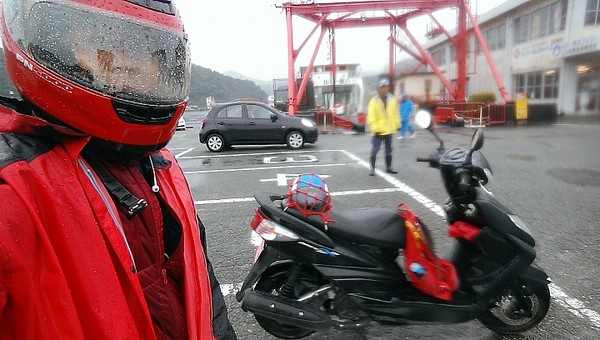
The ferry from Yamakawa to Nechi. After arriving in Japan, I found that ferries were actually quite convenient. Some routes could really save you a lot of driving. Of course, it costs a bit, but for a 125cc motorcycle, it’s worth it. The fare for both person and bike was 1,400 yen. With such heavy rain outside, finding a sheltered mode of transport was worth it. It let me rest a bit, since I had been riding in the rain all morning, and my clothes were already soaked. I needed to change into dry clothes to keep warm.
I remember not long ago, the first time I bought a ferry ticket, I felt excited. But after taking so many ferries, it didn’t feel much different from taking a train, except the view outside was the ocean. But being completely drenched, with the sky pouring rain and the endless sea stretching out, made me feel even colder and wetter. Riding a motorcycle alone, exposed to wind and rain, seeing people in cars all cozy and clean made me really envious. In that state, all I wanted was to safely reach my destination.
After getting off the ferry, I rode 50 kilometers in the rain all the way to the southernmost tip. This rainy experience on the road was truly rare in Taiwan. The distance was so long, and there were almost no people or traffic lights along the way. It was sparsely populated, with only one or two small villages. Along the way, I silently thought to myself, the farther I rode, the farther the return trip would be. But this was the goal of my over-a-month motorcycle journey—the southernmost point of the Japanese mainland. There was still an exciting feeling driving me forward.
Calculating kilometer by kilometer, I finally rode to Japan’s southernmost point. The scenery was quite unique, with a solitary, mountainous feel, but the highlight was the special status of being “the southernmost.” By the time I arrived, the rain was already pouring down in a frenzy, and the wind was insanely strong. If it weren’t for this being the ultimate destination, very few people would have been willing to walk the 2 kilometers from the parking lot to the observation deck. I only saw two other people on the entire path, both men. I think guys are generally more interested in this kind of adventure that involves conquering the Japanese map. Right after arriving at the parking lot, I saw that I still had to hike through a cave and then climb a mountain. I really just wanted to take a photo of the location name at the parking area and go home. Even though I’d already been riding in the rain for six hours, I couldn’t bring myself to take those extra steps to reach the real destination. That just shows how torrential the rain was — every step I took felt heavy and reluctant.
By the time I made it to the southernmost signpost, the rain and wind were so fierce that even wearing a raincoat and holding an umbrella couldn’t stop the water from attacking me. Technically, you’re not supposed to take your camera out in weather like this — it can easily get damaged. And with no one else around to help set up the tripod, forget about taking photos. Oh my god, the glorious moment I’d been looking forward to for a whole month — the chance to take a nice selfie here to show off later, to bask in the vanity of having reached the summit — was completely ruined by this rain.
At first, due to the heavy rain and thick fog, I couldn’t see the surrounding scenery at all, except for the wooden sign marking Japan’s southernmost point in the park. But I still insisted on waiting in the rain for the clouds to pass. I didn’t want to miss it. Though a little voice in my head kept saying, “It’s probably not that special anyway, there are images online,” travelers always want their own personal moments, don’t they? Fortunately, five minutes later, the lighthouse on the nearby island appeared, giving me something to photograph. In the end, I also sent a postcard to myself at the southernmost post office, filling myself with a sense of vanity before setting off again.
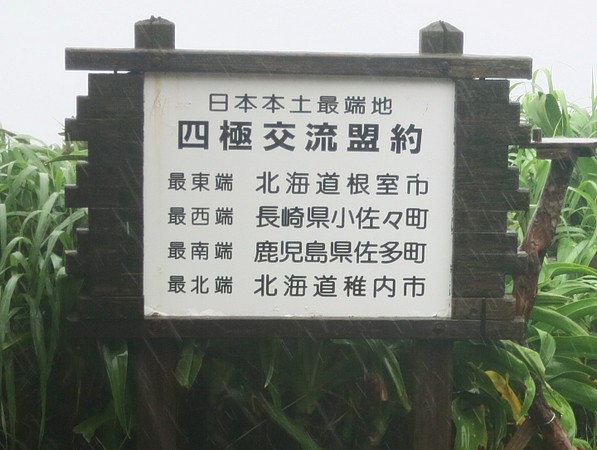
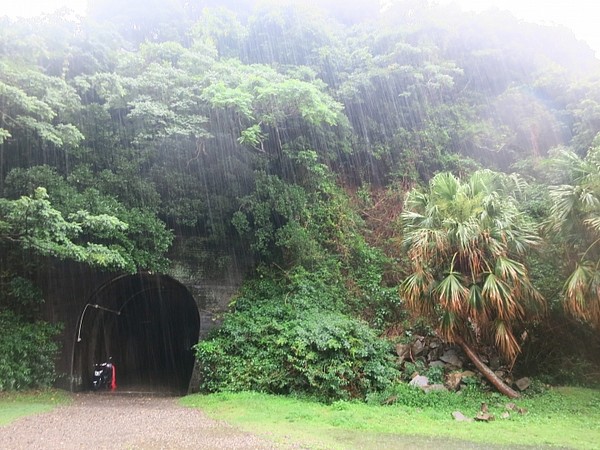
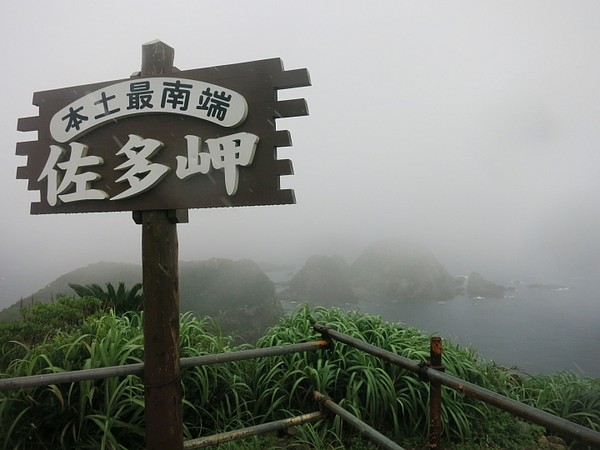
It took me half the time from Tokyo to get here, yet I’ve only completed a quarter of the planned itinerary. That made me keep wondering if I’m moving too slowly. But if I just keep biking nonstop, I’ll lose the meaning of traveling. It’s such a tough choice. Whether or not I actually manage to visit all four extreme points or circle all of Japan, completing one leg is still an achievement. Maybe I shouldn’t set too many rules for myself. But then again, not finishing the journey feels like leaving something unfinished. These two thoughts have been pulling me in opposite directions. Because of the heavy rain, strong winds, and thick fog, I barely took any photos here before leaving. It was really far from what I’d expected. A lot of things just don’t go according to plan.
After that, I also went to the Kumano Air Base and the Yunohira Observation Deck on Sakurajima, but the results were the same. At one place, I just took two photos by the parking lot and left. At the other, I climbed up to the observation deck only to find nothing but a whiteout. I left quickly. Kumano Air Base was just a brief stop, but it left a deep impression because the ride back from the southernmost point was still raining heavily, and the area was more remote than I’d imagined. There were no convenience stores where I could grab lunch. By the time I got there, it was already past 3 PM, and I was starving. My second set of clothes was also soaked, and I had no dry clothes to change into. My mood was terrible. I calculated that the trip back would take another three hours. Could I hold out until I got back to Kagoshima City for a proper meal? I could save on a meal, but my body definitely wasn’t happy. It was one of those moments of arguing with myself again.
When I got to the Kumano Air Base parking lot, I took off my raincoat. With my whole body wet and the rain still coming down, even taking off the raincoat was a struggle. When I tried to go into the park to take photos, the little devil inside me won. I decided right then to skip the attraction and go eat instead. So I just took two distant photos to prove I’d been there, then dashed off to a convenience store for food. Looking back now, I really don’t understand myself!
As for Sakurajima, you can see beautiful Kagoshima from there, but the weather was bad, and with the recent volcanic eruption, there was still a lot of ash in the air. Yesterday, while drying my clothes on the hotel balcony, I thought to myself how unusual it was to see walls in Japan so blackened with dust — the shop owners must be lazy about cleaning. Today, when I got to Sakurajima, I realized it was actually volcanic ash. The situation here was even worse. When I got to the observation deck, I thought maybe it was so dusty because hardly anyone came and it had been abandoned. But the dust didn’t look like typical dirt. It was a rare kind of gray, and that’s when I realized it was volcanic ash. That became a unique record — seeing a different side of Sakurajima. That day, I spent over twelve hours biking in the rain.
What I experienced and saw in Kagoshima was very different from the travel photos. There were no blue skies or green mountains — just memories of me battling the rain god, along with the gray volcanic landscape and ash. Before coming to Kyushu, I always thought Kagoshima was an island. Turns out, what I’d seen in Taiwan before was actually representing Kagoshima with Sakurajima, which led to my misunderstanding.
[Almost Crashed My Bike!]
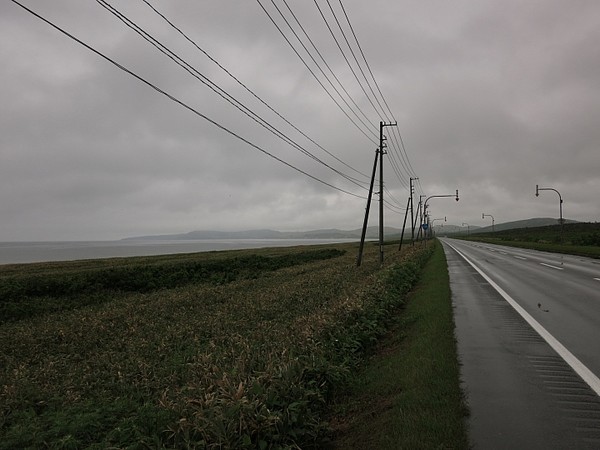
Accidents always happen in unexpected moments. The roads in Japan are relatively darker compared to those in Taiwan, and many roads lack street lighting. Since it was already dark, I couldn’t see the scenery, so I just had to push on. But if an unidentified object suddenly appears on the road while you’re speeding along, maybe it really depends on how devout your daily prayers have been.
I remember when, after a turn, I spotted something unclear in front of my bike light. My mind flashed with “What the...?” before the bike collided with it. It must have been within 0.25 seconds. There was no time to think about reacting well — it was more like seeing whether the deity you prayed to had quicker reflexes than the Grim Reaper. The handlebars started shaking violently left and right. Everything in the world slowed down. That’s when I truly understood what it meant for adrenaline to spike instantly, watching the scene unfold in slow motion.
My brain somehow started thinking about how I’d get the bike towed for repairs if I fell, whether I’d end up hospitalized, and how expensive that might be. Would I have to skip out on the bill? Money is terrifying. What if the motorcycle broke down? If nothing happened, I swore I’d treat myself to a great meal to celebrate surviving. I honestly don’t know if that moment lasted two seconds or not, but then... the front of the bike stabilized. Thank goodness, nothing happened. The motorcycle kept moving forward. It was only about five seconds, but my trip almost took a completely different turn. I didn’t even have the courage to turn back and see what that object was. Sometimes, a trip can go off script in an instant — that’s just part of motorcycling. (I didn’t even take a single photo of riding in the dark or of the scenery. Looks like I really dislike dark environments and prefer to spend the time rushing forward.)
[July in Hokkaido Is Actually That Cold!]
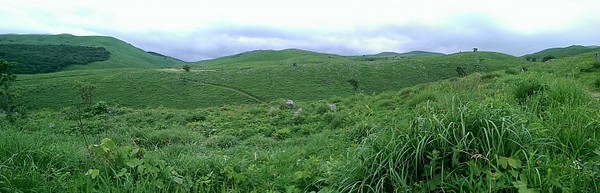
After reaching Japan’s northernmost point on the mainland, I headed south, starting to feel like I was on the way back. The trip was coming to an end, and I felt a bit sentimental. But when I woke up to a cold, rainy morning, it chilled me to the bone. I’d always thought July in Hokkaido would mean sunshine and grassy fields waiting for me. Thinking about it, the worst part of this trip has probably been the weather. Every time, people say, “It’ll clear up after two more days of rain,” but the sun and blue sky never come. I’d been planning to throw away my raincoat a month ago, but I ended up using it until it broke. I should’ve prepared better gear. How many times in life do you get to say “I should’ve”?
I woke up to rain and complained in bed for a while, but I still had to face the biggest highlight of this highway loop trip: “Japan’s northernmost point, Cape Soya.” The most shocking thing about this trip to Japan was the weather forecast. When it said there was an 80% chance of rain, I stayed at the hotel and it turned out sunny. Yesterday, when the forecast said only a 30% chance, I planned a 300-kilometer route. I opened the window, and it was cold and raining, with the whole sky covered in dark clouds. I really didn’t want to go out, so I just stayed in the heated room, scrolling through my phone. The most shocking part was seeing the rainfall prediction map — that rain system was moving south right along with me. I was truly stunned. Oh my god, how was I supposed to deal with this? My mind was instantly full of swear words.
But I also knew that the longer I waited, the more dangerous it would get. I had to psych myself up. After all, today was the big day I’d been looking forward to for so long — the point farthest from Taiwan. This was the spot I’d checked over and over on Google Maps on my computer in Taiwan. Finally, I was going to see it in person.
When I was putting on my raincoat at the hotel entrance, the owner offered me a cup of hot coffee. It was just a simple instant coffee, but it felt like someone had lent me a hand in adversity. I don’t know why, but I didn’t feel as cold during the ride after that. My heart was fired up — after all, the day I’d been anticipating for so long had finally arrived. But why did I keep smelling diesel from fishing boats? I have no idea. Was I so excited I felt nauseous? I’d never felt that way before. Maybe that’s what “excitement” feels like — the moment you’re close to achieving a dream. Perhaps. Maybe I’ll forget this feeling someday, but I’ve experienced it and felt it. Even though the weather was like a cold drizzle in a cold snap, my body didn’t feel cold. I even felt a bit lightheaded.
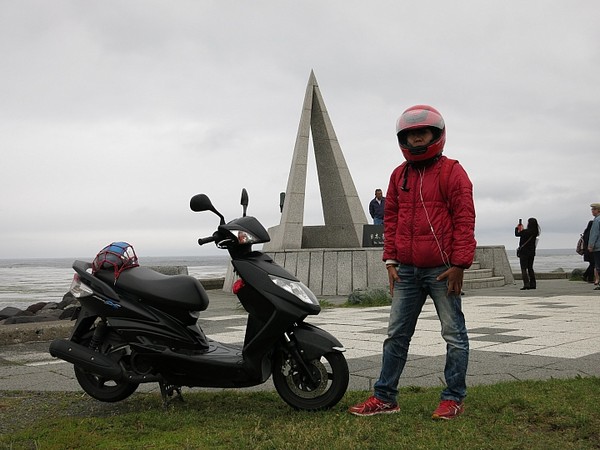
There were a lot of heavy motorcycles heading north. Every time I gave a thumbs-up to one of them, I’d get a brief sense of shared adventure in return. Everyone’s eyes sparkled like diamonds. This must be the biggest attraction for motorcyclists in Hokkaido — a pilgrimage. When I finally saw Cape Soya, the northernmost point, the scene I’d imagined so many times turned out not to be blue skies, white clouds, a beautiful ocean, and a memorial plaque. All I saw was a dull, gray memorial plaque.
Even though it wasn’t the scene I’d dreamed of, it didn’t stop me from excitedly taking photos with it. I took a lot of pictures, watching about three rounds of tourists come and go. This was one of the few confirmed must-visit spots on my Japan trip and the spiritual symbol of my highway loop. I’d been afraid I wouldn’t make it here, but I finally did. The rock in my heart finally settled. “One step at a time” — that’s exactly how I felt now.
This was a peak — whether on the map or in my heart. Everything felt like reaching the summit of a mountain, with a sense of “I did it” filling my entire being, even if it wasn’t the perfect scene I’d expected. Travel, like life, isn’t about perfection. There are too many regrets and dry moments. Life teaches you to compromise, and travel teaches you to “let go.” As long as you’ve been there, it has value. Even if you end up walking in circles, that’s still part of the journey.
[Oh My God, My Motorcycle Got a Flat Tire!]
From Shiretoko to Hamanaka Town. The world has changed so fast these past few days, and I still don’t know how to process it all. Coming down from the northernmost point, Wakkanai, I thought it would gradually get warmer and the weather would improve. But the closer I got to the city, the weather still hadn’t fully cleared up. Sometimes there were heavy rains, sometimes it was sunny, always unstable. I kept putting on and taking off my raincoat. I found that whenever the sun came out, it got much warmer, but on cloudy days, it still felt pretty cold. I never thought that even in July, the weather could still be like this. Growing up in Taiwan, I always assumed that July would be hot everywhere in the world!
Eastern Hokkaido isn’t nearly as bustling as the north. The rural areas have fewer people, but there’s no sense of backwardness or outdatedness. My mood has gone through emotional whiplash these past two days. Coming down from the northernmost point, it rained heavily the whole way, making me a bit irritable. But the next day was sunny, and I saw some incredibly beautiful scenery — the mountain ranges of the Shiretoko Peninsula. Then I rushed to Japan’s easternmost point, completing all the major stops of this Japan trip — the four mainland extreme points. I should’ve celebrated, but I got a flat tire right before the last attraction of the day. Suddenly, I heard a series of thuds... At first, I thought it was a tire blowout, but I had to confirm whether it was mine or the car next to me. Oh my god, it was me. I sat dumbfounded on the ground, slumped over like a kid who’d thrown a tantrum because they wanted a toy. But I wasn’t scared or panicking. I don’t know why. Maybe I was just in shock. I kept thinking, “Is it really a flat tire? A flat tire?!” I could clearly see it, but I still asked myself that. I was genuinely a bit stunned.
When I was planning to rent a motorcycle to loop around Japan, I’d imagined the worst-case scenario might be breaking down on a deserted road in rural Hokkaido. I guessed about 70% right. The only lucky part was that it didn’t happen on the first 50 kilometers of road with no villages. Instead, it happened when I entered a tourist village of 300 people, right at the overpass leading into the town.
I shouted a few times and asked passing Japanese students for help. A group of three or four students initially walked past silently. Finally, one of them turned back, asked what was wrong, and started helping me by making a bunch of calls. I didn’t have a phone to call for help because I’d only applied for internet access. Even if I had a phone, I wouldn’t have known how to ask for help in Japanese. So I used the internet to find the nearest motorcycle shop, which was in a city 100 kilometers away — Kushiro, where I was planning to stay that night.
Finally, the student told me to pack up my backpack and go to a shop in the village. Honestly, having someone with me made the fear and complaints disappear. After all, I couldn’t curse and complain in front of a high schooler who was trying to help. I was just filled with gratitude. From the moment I sat on the ground in panic, I knew it had already happened. Now it was just about seeing how the story would unfold. So I felt quite certain and at ease. The main thing was to solve the problem and get back on the road. As long as I was safe, the rest was just a matter of how much money I’d have to spend.
The student brought me to a fishing boat engine repair shop. They also seemed to fix bicycles, but there didn’t appear to be any tools for repairing cars or motorcycles. The owner wasn’t there, so I waited with the university student for twenty minutes. He seriously tried to help me by contacting others to see if there were any other options. Finally, he managed to get the owner’s phone number and got through. In the meantime, I communicated with the student the whole time using a phone translation app, so I was grateful there was a signal.
When the owner finally showed up, I already knew there wouldn’t be any miracles. First, the tire size was special. The tire from my Taiwanese Yamaha was a format specific to motorcycles in Taiwan. Hardly anyone rides motorcycles in Hokkaido, let alone ones with special tires. Second, even if I could get the tire, in such a remote place, it would probably take at least three days. Sure enough, the owner said it would take at least four days, and he didn’t even know how much it would cost. That really wasn’t an option!
In the end, I had to take the phone number of a taxi company and asked the owner to help me contact them. To be honest, if the owner had refused me, I would’ve been completely stuck. But even though he didn’t fully understand my desperate situation, he still picked up the phone and started communicating for me. From the content of the call and his expression, I knew I’d just have to wait — wait for the rental car company to get back to me. Basically, they’d ask the insurance company to send a tow truck to bring the bike to the city.
To be honest, this was the most worrying thing before I set off. But now that it had actually happened, I didn’t feel any negative emotions. Looking back now, seven hours after it happened, I realize that because people helped me, it felt like someone had opened a door for me and pointed me in a direction, rather than leaving me alone and helpless on the street.
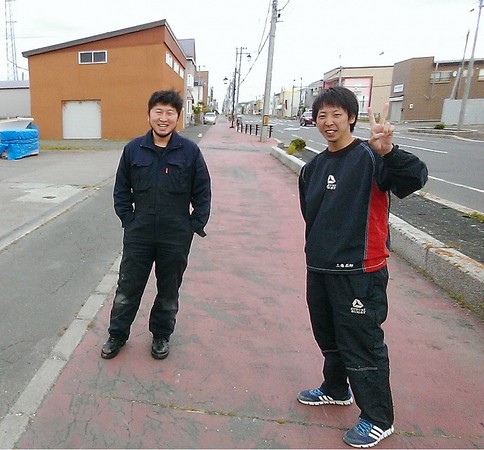
After waiting on-site for over an hour, I confirmed that there would be no resolution until the next day—after all, it was already past five, and finding 24-hour rescue services in Hokkaido, Japan, seemed highly unlikely. So I went to pick up my bike and brought it to the shop owner’s storefront. He helped me handle both the contact address and phone number, and I’m truly grateful for his assistance.
At this point, the owner’s sister appeared and helped me contact a hotel. Fortunately, there was a female innkeeper who spoke Chinese. She helped clarify things for me and translated everything clearly—it went really smoothly. Up to this point, every issue after my tire blowout had someone kind stepping in to help: first my classmate who found the repair shop, then the shop owner who assisted with arranging the repairs, and now the owner’s sister who found me a nearby hotel. Although the price was more than double my usual accommodation cost, my only goal right now is to get the motorcycle fixed and continue my journey. I also really need a place to calm my nerves and rest—I have no energy to think about overspending. Yes, at this stage, spending money is just a way to avoid disaster.
What I fear most is probably the price of having my bike towed from 100 kilometers away—I’ll probably never forget it. And I also worry if the rental car company will start refusing Taiwanese customers because of this. But those are tomorrow’s problems. I can’t face too much all at once. Tonight, I’ll just take a shower, read the newspaper, and give my mind a break. Challenges come every day, but I have to keep going. As long as I get home safely, money comes second—that’s the principle I’m sticking to for now.
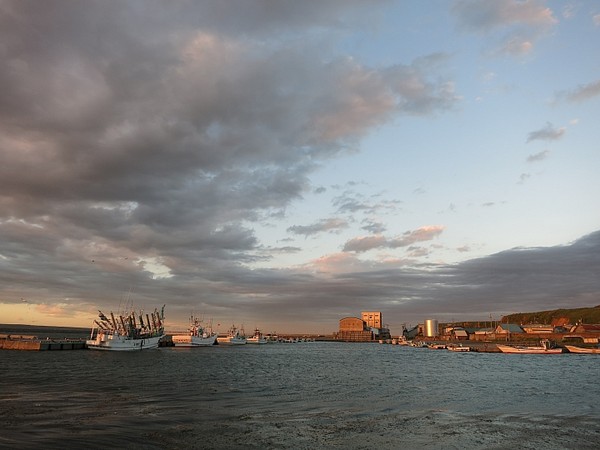
Stepping out of the inn, I saw the beautiful sunset over the harbor, and my feelings were mixed. If my bike hadn’t broken down, I might never have encountered such a view. I really love this red-colored fishing harbor.
Share
This article is published by HowToTrip. Sharing and reposting are welcome — please credit the source.
Article URL: https://www.howtotrip.net/views-8088
Related Articles
- Shaoxing's "Grandpa Gourd" hangs the gourds back up: "If there are too many people, we'll interact less — just take a quick look from afar"
- Chinese authorities announce "reciprocal adjustment" to Japan visa fees — single-entry visa jumps from 2,250 to 16,750 yen!
- The "health stones" carried by a traveler were found to have radiation levels exceeding safety limits by a thousand times, potentially endangering fellow passengers on the same flight. Customs issues warning!
- Shenzhen Airport Issues Late-Night Notice: Unidentified Aerial Object Detected, Causing Widespread Flight Delays!
- “They only said it cost money after I opened the box and washed it!” 200g of grapes sold for 60 yuan on a high-speed train—12306 responds!
- Can't buy an airline ticket? Denied exit? Blocked from boarding? A large number of Chinese tourists have mysteriously become "discredited individuals"
- Adverse weather and economic fluctuations impact Colombia's coffee market
- Beach bathing area responds to 2 yuan/30 seconds fee for freshwater foot rinsing: Clearly priced!
- Taking off with an improperly closed cabin door? Wing malfunction? Multiple flights made emergency returns mid-journey!
- Experience the gifts of nature! A countdown of the world’s ten most stunning coastlines