Seafood-based broth and low-temperature cooked chicken and pork char siu – Menya Itto’s tsukemen stands out from the rest.
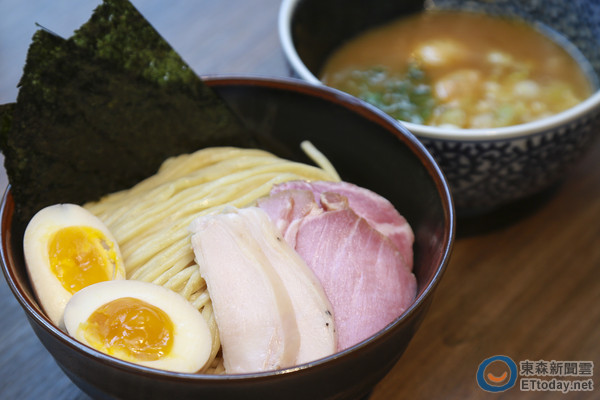
▲ Menya Itto’s championship tsukemen, “Special Rich Seafood Tsukemen.” (Photo / Reporter Huang Kexiang)
Reported by Huang Shiyuan / Taipei
Ranked third among the 50 most delicious ramen shops selected by the Japanese food website “Tabelog,” Menya Itto is set to open its first Taiwan branch on April 18. The shop’s rich seafood tsukemen, also known as the champion tsukemen, features a broth made by simmering chicken bones, chicken feet, chicken fat, ground meat, and five different types of seafood. It also offers Japan’s first low-temperature cooked chicken and pork char siu. Shop owner Mr. Sakamoto Yukihiko proudly stated that this type of tsukemen is not yet available in Taiwan.
In Japan, Menya Itto only serves rich seafood tsukemen, rich seafood ramen, salt ramen, and soy sauce ramen, but the Taiwan branch’s menu will offer five types of noodles and five types of N<饭,原来除了特浓鱼介沾面、芳醇干贝鸡汤拉面(日本的盐味拉面)、芳醇姜味鸡汤拉面(日本的酱油拉面加上姜味),其他都是煮干一灯的菜单,包括东京煮干拉面、台湾风担担沾面、香煎鸭肝N<、嫩焙和牛N<、元气鸡饭、炙烧梅花N<及东京鸡饭。
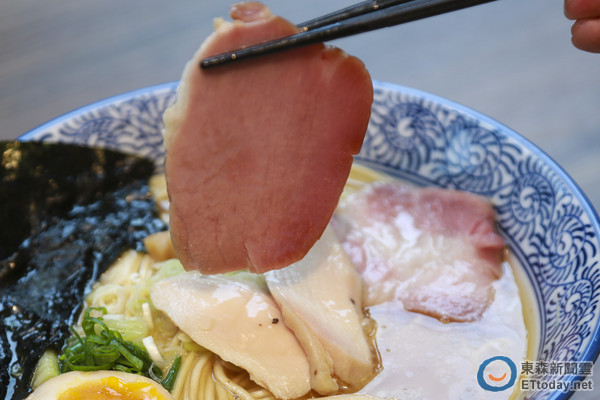
▲ Low-temperature cooked pork collar meat shows a pink hue. (Photo / Reporter Huang Kexiang)
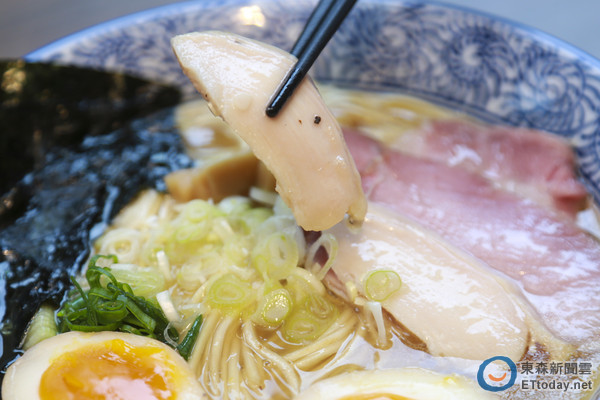
▲ Low-temperature cooked chicken breast shows a snow-white color. (Photo / Reporter Huang Kexiang)
The broth is the soul of ramen, and each variety at Menya Itto has its own unique flavor. For example, the rich seafood tsukemen uses four ingredients—chicken bones, chicken feet, chicken fat, and ground meat—cooked for eight hours in a proprietary ratio through a three-stage extraction process to achieve a rich, smooth white broth, which is then enhanced with five types of seafood for added depth.
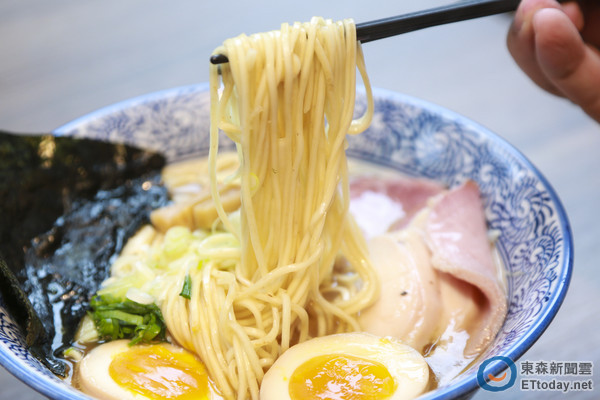
▲ All noodles are handmade using 100% imported Japanese flour. (Photo / Reporter Huang Kexiang)
Meanwhile, the mellow scallop chicken broth ramen and mellow ginger-flavored chicken broth ramen use a large quantity of old hens, chicken bones, and chicken feet, slow-cooked for over eight hours. Shiitake mushroom broth, kelp broth, and seafood are then added to create a clear yet aromatic soup. As for Tokyo simmered dried sardine ramen, it is a bold-flavored creation tailored for Japanese ramen enthusiasts. In addition to old hens and chicken feet, the broth includes pork bone for a dual soup base, and is further enriched with a generous amount of imported Japanese niboshi (dried small fish), delivering a distinctive dried-fish aroma with a hint of bitterness.
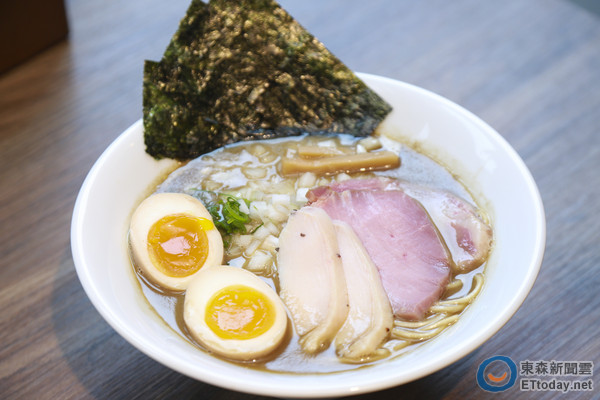
▲ The special Tokyo simmered dried sardine ramen features a generous amount of imported Japanese niboshi (dried small fish), offering a unique dried-fish aroma with a slight bitterness. (Photo / Reporter Huang Kexiang)
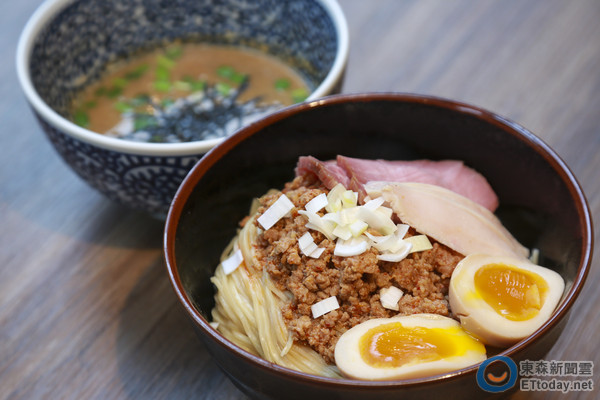
▲ Special Taiwanese-style dan dan tsukemen. (Photo / Reporter Huang Kexiang)
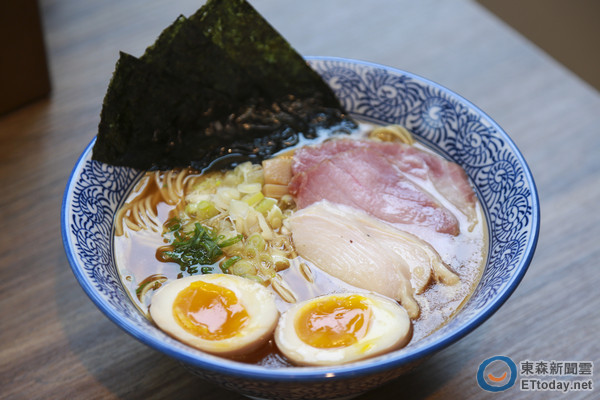
▲ Special mellow ginger-flavored chicken broth ramen. (Photo / Reporter Huang Kexiang)
As for char siu, Menya Itto distinguishes itself from typical ramen shops by offering not only pork collar meat but also chicken breast, and employs the low-temperature cooking method commonly used in French cuisine. After three hours of low-temperature cooking, the chicken breast turns snow-white, with tender, juicy, and non-chewy texture. The pinkish pork collar meat may look undercooked to some, but it is actually tender and springy upon eating. Sakamoto Yukihiko said that when it was first introduced, many people jokingly told him, “Have you ever cooked ramen before? This meat isn’t even cooked!” But now, many ramen shops have started following his lead and offering low-temperature cooked char siu.
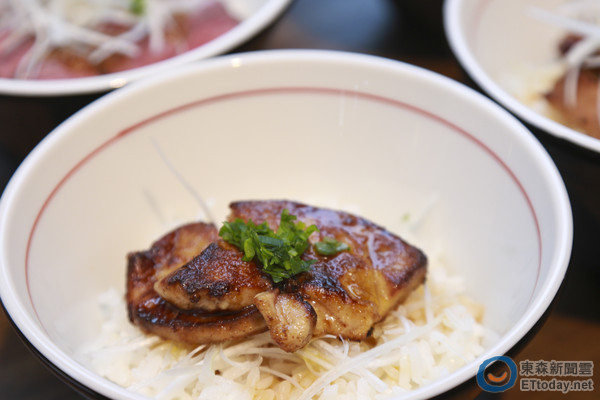
▲ Pan-fried duck liver N<。(图/记者黄克翔摄)
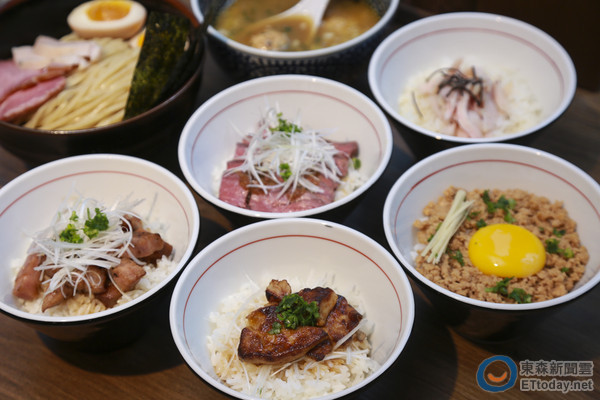
▲ 5 types of N<饭。
The noodles at Menya Itto are all handmade. In addition to importing flour from Japan, the shop also purchases well-known brand equipment from Dainippon Ramen Equipment to produce different types of noodles for ramen and tsukemen, aiming to deliver the same noodle experience in Taiwan as in Japan. However, due to Taiwan’s hard water—vastly different from Japan’s soft water—Sakamoto Yukihiko has spent considerable time adjusting the recipe.
Address: No. 29, Section 1, Nanjing East Road, Zhongshan District, Taipei City
Phone: 02-2581-1711
Share
This article is published by HowToTrip. Sharing and reposting are welcome — please credit the source.
Article URL: https://www.howtotrip.net/views-7708
Related Articles
- Shaoxing's "Grandpa Gourd" hangs the gourds back up: "If there are too many people, we'll interact less — just take a quick look from afar"
- Chinese authorities announce "reciprocal adjustment" to Japan visa fees — single-entry visa jumps from 2,250 to 16,750 yen!
- The "health stones" carried by a traveler were found to have radiation levels exceeding safety limits by a thousand times, potentially endangering fellow passengers on the same flight. Customs issues warning!
- Shenzhen Airport Issues Late-Night Notice: Unidentified Aerial Object Detected, Causing Widespread Flight Delays!
- “They only said it cost money after I opened the box and washed it!” 200g of grapes sold for 60 yuan on a high-speed train—12306 responds!
- Can't buy an airline ticket? Denied exit? Blocked from boarding? A large number of Chinese tourists have mysteriously become "discredited individuals"
- Adverse weather and economic fluctuations impact Colombia's coffee market
- Beach bathing area responds to 2 yuan/30 seconds fee for freshwater foot rinsing: Clearly priced!
- Taking off with an improperly closed cabin door? Wing malfunction? Multiple flights made emergency returns mid-journey!
- Experience the gifts of nature! A countdown of the world’s ten most stunning coastlines