Sweet and sour flavors that hit the taste buds hard — 10 uniquely distinctive Japanese sakes recommended by experts
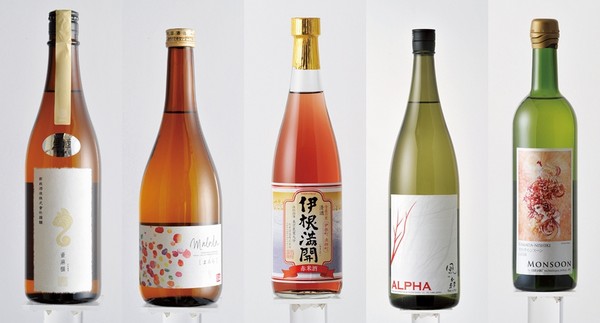
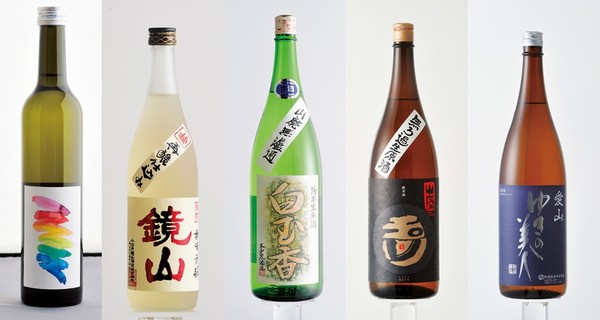

Text and photos / Excerpted from “Expert Picks: These Are the Sakes You Should Be Drinking!” by Mountain Culture Publishing
The scope of Japanese sake is expanding at an unprecedented rate, reflecting the industry’s proactive drive to grow. In recent years, many new brewers have entered the scene, unearthing fresh expressions of sake. This innovation is not about being avant-garde for the sake of it, but simply an effort to break free from past constraints and challenge all unknown possibilities. That’s why new styles of Japanese sake will continue to shine brilliantly and captivate attention (Prices in this article are market rates, for reference only).
“Sweet and sour flavor” is a key keyword when choosing sake
In the past, it was the dry and light styles that made “Itachi” popular. Since then, with the arrival of new sakes like Juyondai and Hakkaisan, richly sweet varieties also gained favor. Recently, what has garnered remarkable attention in an entirely new form is sake with a refreshing sweet-and-sour taste. On the other hand, extremely sweet premium sake with a tangy note is also highly popular.
● ETtoday News Cloud reminds you: Don’t drink and drive, and don’t drive after drinking.
1. Seizaburo Aramakko Hakusekken Junmai Sake Namazake – Seizaburo Shuzo (Akita Prefecture)
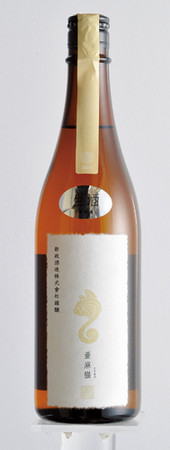
▲ By using koji and white koji — usually used in making shochu — the sake features an “invigorating sourness paired with a refreshing sweetness” thanks to high citric acid levels (Mr. Yajima). This is a new product from the brewery’s fifth year, with an alcohol content of just around 14.5 degrees, making it exceptionally easy to drink. (Photo / Mountain Culture Publishing)
Base rice (polishing ratio): Akita Komachi (brewing rice 40%, table rice 65%)
Alcohol content: 14 degrees
Price: 1,500 yen (720ml)
Expert recommendation
Mr. Yajima of Yajima Shoten: “The refreshing citrus-like flavor achieved through white koji brewing is truly novel.”
2. Yamagata Masamune MALOLA (まろら) Junmai – Mizutobe Shuzo (Yamagata Prefecture)
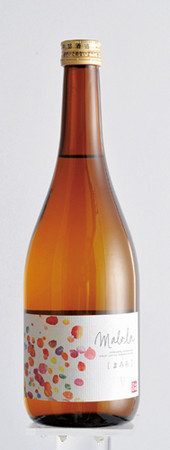
▲ A experimental sake brewed by Yamagata Masamune in 2013. It is “the first sake to use malic acid fermentation, a process that softens the acidity found in red wine” (Mr. Okuma), resulting in a smooth and mellow flavor. Pairs well with Western ingredients such as prosciutto. This sake offers different tastes across various serving temperatures. (Photo / Mountain Culture Publishing)
Base rice (polishing ratio): Yamagata-produced Hanasansan (60%)
Alcohol content: 14 degrees
Price: 1,944 yen (720ml)
Expert recommendation
Mr. Okuma of Oborozake: “This sake uses red wine brewing methods; the gentle, sweet acidity created by increased lactic acid leaves a very pleasant impression.”
3. Iganomika Akamai Sake – Mukai Shuzo (Kyoto Prefecture)
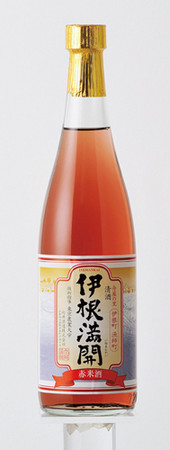
▲ Located in Iganomura, at the back of Fushimi in Kyoto Prefecture, Mukai Shuzo is operated by the Kurimoto couple, Toyo and Kyuji, who took over the family business in 2010 and began brewing. Iganomika is a new-style sake brewed using ancient rice; its fruity, sweet-shochu-like taste is especially delicious when thoroughly chilled before drinking. (Photo / Mountain Culture Publishing)
Base rice (polishing ratio): Gohyakumangoku, ancient rice
Alcohol content: 14 degrees
Price: 1,728 yen (720ml)
Expert recommendation
Yokohama-san: “This sake uses ancient rice, offering a sweet taste and a uniquely rich mouthfeel!”
4. Kazemori ALPHA TYPE1 Junmai Akitsuho – Yucho Shuzo (Nara Prefecture)
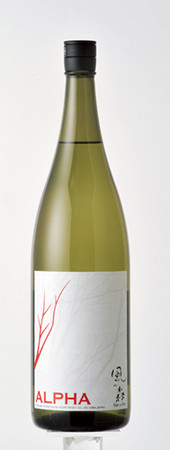
▲ This sake is the commercialized result of a 25BY (Brewery Year) project, said to be “ushering in a new chapter.” The brewer specially crafted it as a low-alcohol 14-degree namazake to preserve the body and fruitiness of the flavor. The aroma is refreshingly refined, and the sake has a light yet richly concentrated texture. (Photo / Mountain Culture Publishing)
Base rice (polished rice ratio): Autumn Fusa from Nara Prefecture (65%)
Alcohol content: 14%
Price: 1,134 JPY (720ml), 2,257 JPY (1.8L)
Recommended by brewers
Oguraya Akimoto Shoten 'Mr. Akimoto Jiichi: “This sake is like an adult version of grape-flavored Fanta, bursting with fresh aroma and liveliness.”
5. Shigunakari MONSOON Yamadanishiki Daiginjo Kijoshu Hiire Shigunakari Sake Brewery (Shiga Prefecture)
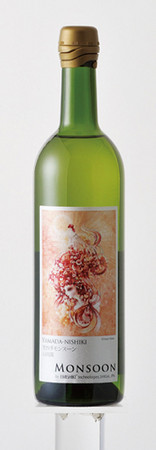
▲ Boasting “exceptionally delicious new-style Japanese sake,” Shigunakari Sake Brewery’s “premium brew designed to bring out the ultimate natural sweetness and bold fragrance of rice” is this MONSOON series. The sake is rich with the fragrant and refreshing scent of tropical bananas—do try this thick, ultra-sweet brew. (Photo / Mountain Culture)
Base rice (polished rice ratio): Yamadanishiki from Shiga Prefecture (60%)
Alcohol content: 17%
Price: 1,836 JPY (720ml)
Recommended by brewers
This magazine’s editorial department: “Beyond its shocking flavor, the bottle design and naming of this sake convey the brewery’s intention to make a strong impression.”
6. Oginozuru Trial Brew Junmai Daiginjo Hiire Ogino Sake Brewery (Miyagi Prefecture)
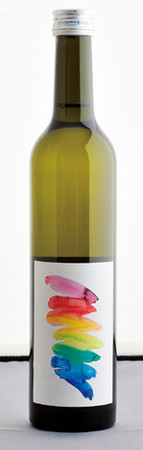
▲ This trial brew was the first challenge by Mr. Sato Yohei, the toji (master brewer) and eighth-generation owner of Oginozuru Sake Brewery, in early 2012. The sake offers “a juicy sweetness underscored by a refreshingly crisp acidity led by malic acid” (Mr. Niwa); it is recommended to be served chilled in a wine glass. (Photo / Mountain Culture)
Base rice (polished rice ratio): Domestic Japanese rice (50%)
Alcohol content: 14%
Price: 1,620 JPY (500ml)
Recommended by brewers
Ise Honke 'Mr. Niwa Yuichi: “It has a well-balanced sweet-and-sour harmony, making it an absolutely exquisite brew.”
7. Kagamiyama Redistilled Koedo Kagamiyama Sake Brewery (Saitama Prefecture)
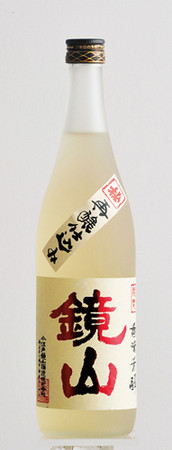
▲ This is a redistilled sake crafted by the toji of Koedo Kagamiyama Sake Brewery in Saitama Prefecture, who describes it as “a sake that captures the essence of fruit beer.” It delivers a sharp acidity and sweetness that break the conventional mold of Japanese sake, resulting in a richly flavorful brew. “The sake emits a refreshing fragrance, and even after it warms up, it remains clean on the palate,” he says. “It gives off a sensation reminiscent of Japan’s national drink.” (Photo / Mountain Culture)
Base rice (polished rice ratio): Aya no Mi (75%)
Alcohol content: 16%
Price: 3,780 JPY (720ml)
Recommended by brewers
Jizake-ya Kodama 'Mr. Kodama Takeya: “Kagamiyama delivers a refreshing acidity and sweetness that will definitely wake up your taste buds—it’s a bold, full-bodied sake that breaks the boundaries of traditional Japanese brews.”
8. Kidouchi White Tama Aroma Yamahai Junmai Unfiltered Raw Sake
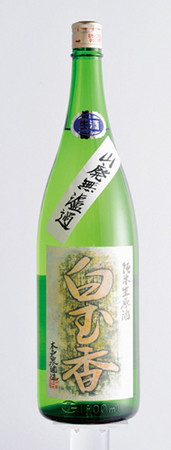
▲ This is the proudly distinctive Kidouchi sake from Chiba Prefecture. The brewer uses their own “high-temperature Yamahai yeast,” giving this sake not only a rich, mellow sweetness but also a correspondingly sharp acidity. “The sake emits a refreshing aroma, and even after it’s warmed, it remains clean and crisp” (Mr. Yajima), making it a naturally brewed sake you won’t tire of. (Photo / Mountain Culture)
Base rice (polished rice ratio): Yamadanishiki from Hyogo Prefecture (60%)
Alcohol content: 18.5%
Price: 3,402 JPY (1.8L)
Craftsman’s Recommendation
Yajima Hotel 'Mr. Yajima Genya: “The sensation when it goes down the throat is like that of a full-bodied white wine.”
9. Tamagawa Naturally Brewed Yamahai Junmai Unfiltered Fresh Sake Kinoshita Shuzo (Kyoto Prefecture)
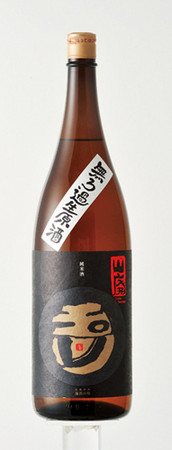
▲Brewed by British-born toji Philip Harper using only microbes that have existed in the brewery since long ago, this Yamahai Junmai is made using the “natural brewing method.” The sake is rich in acidity and amino acids, and its powerful umami makes it “a rich yet versatile drinking sake” (Ms. Kakeda). (Photo / Mountain Culture)
Base Rice (Polishing Ratio): Kitashizuku (66%)
Alcohol Content: 20–21 degrees
Price: 1,337 JPY (720ml), 2,674 JPY (1.8L)
Craftsman’s Recommendation
Kakeda Shop 'Ms. Kakeda Kaoru: “The layers of sweetness and the perfect acidity are truly astounding.”
10. Snow Beauty Junmai Ginjo “Aiyama” Akita Seishu (Akita Prefecture)
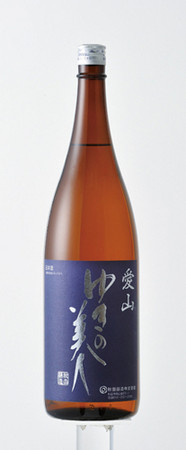
▲The brewer used the typically fragrant and smoothly rich “Aiyama” rice to create this sake with “a solid body and acidity that delicately elevates the aroma to a gentle, elegant level” (Mr. Morozumi). (Photo / Mountain Culture)
Base Rice (Polishing Ratio): Aiyama (55%)
Alcohol Content: 16.5 degrees
Price: 3,780 JPY (1.8L)
Craftsman’s Recommendation
Izakaya Furo 'Mr. Morozumi Takayuki: “Compared to the traditional ‘Aiyama,’ Snow Beauty achieves an even more elegant overall balance.”
● ET News Cloud reminds you: Don’t drink and drive, and don’t drive after drinking.
Share
This article is published by HowToTrip. Sharing and reposting are welcome — please credit the source.
Article URL: https://www.howtotrip.net/views-7380
Related Articles
- Shaoxing's "Grandpa Gourd" hangs the gourds back up: "If there are too many people, we'll interact less — just take a quick look from afar"
- Chinese authorities announce "reciprocal adjustment" to Japan visa fees — single-entry visa jumps from 2,250 to 16,750 yen!
- The "health stones" carried by a traveler were found to have radiation levels exceeding safety limits by a thousand times, potentially endangering fellow passengers on the same flight. Customs issues warning!
- Shenzhen Airport Issues Late-Night Notice: Unidentified Aerial Object Detected, Causing Widespread Flight Delays!
- “They only said it cost money after I opened the box and washed it!” 200g of grapes sold for 60 yuan on a high-speed train—12306 responds!
- Can't buy an airline ticket? Denied exit? Blocked from boarding? A large number of Chinese tourists have mysteriously become "discredited individuals"
- Adverse weather and economic fluctuations impact Colombia's coffee market
- Beach bathing area responds to 2 yuan/30 seconds fee for freshwater foot rinsing: Clearly priced!
- Taking off with an improperly closed cabin door? Wing malfunction? Multiple flights made emergency returns mid-journey!
- Experience the gifts of nature! A countdown of the world’s ten most stunning coastlines