2 Must-Visit Temples in Northeastern Japan: Mōtsū-ji and Chūson-ji, Both UNESCO World Heritage Sites
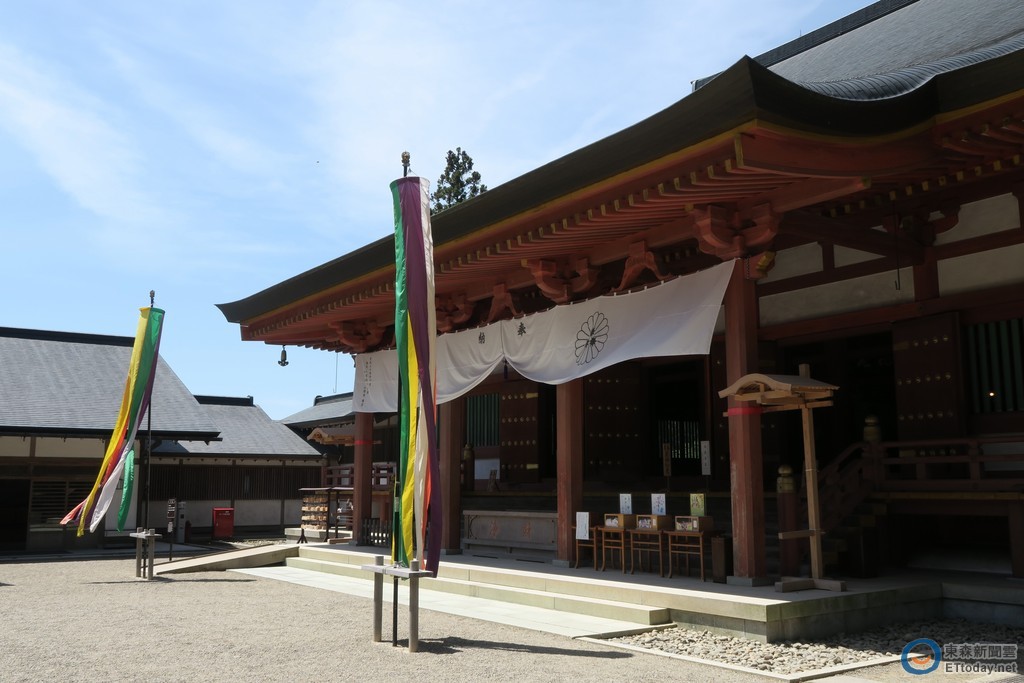
▲ Travelers who enjoy temple visits should explore Hiraizumi in Iwate Prefecture to witness the beauty of these “World Heritage” sites.
Reported and photographed by reporter Lin Yuling in Iwate Prefecture, Japan
Taiwanese travelers love visiting temples and shrines in Japan for a soul-cleansing journey. While Kyoto has traditionally been the top choice, fewer people know that the town of Hiraizumi in Iwate Prefecture, northeastern Japan, is home to several temples recognized as “World Heritage Sites.” These sites are just as stunning in scenery, atmosphere, and historical value as those in Kyoto. Mōtsū-ji and Chūson-ji, both over a thousand years old, are two must-visit spots. The beautiful maple forests, Pure Land gardens, and Buddhist halls leave visitors marveling at what they call a “heavenly realm on Earth”!
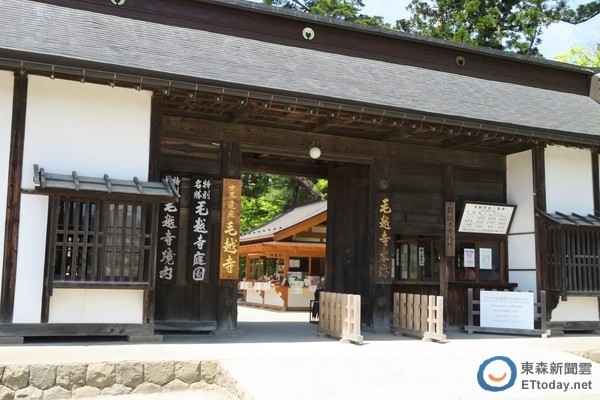
▲ With a history of over a thousand years, Mōtsū-ji is one of the earliest World Heritage Sites in northeastern Japan.
1. Mōtsū-ji — Home to Japan’s Oldest “Pure Land Garden”
Built in 850 AD, Mōtsū-ji boasts a beautiful, spacious, and bright environment. Its most iconic feature is the “Pure Land Garden,” designed to recreate the image of the “Pure Land” as described in Buddhist scriptures — a vast, boundless place where everything is perfect. The 180-meter-long Oizumi Pond features rocks, small islands, and remnants of the South Gate Bridge, surrounded by sandbars and woods. The serene and artistic ambiance has remained stunning for over 800 years, earning it the nickname “heavenly realm on Earth.”
Every year on the fourth Sunday of May, Mōtsū-ji continues the tradition of the aristocracy by hosting the “Kurisui no En” (Quivering Stream Banquet), where poets in traditional attire sit by the winding water channel, composing poetry while drinking sake — a graceful reenactment of an ancient poetic game. On January 20th, the temple also holds the Twenty Night Festival, featuring the “Ennen-no-Mai” dance offered to the deities and Buddha, a significant and spectacular blessing ceremony.
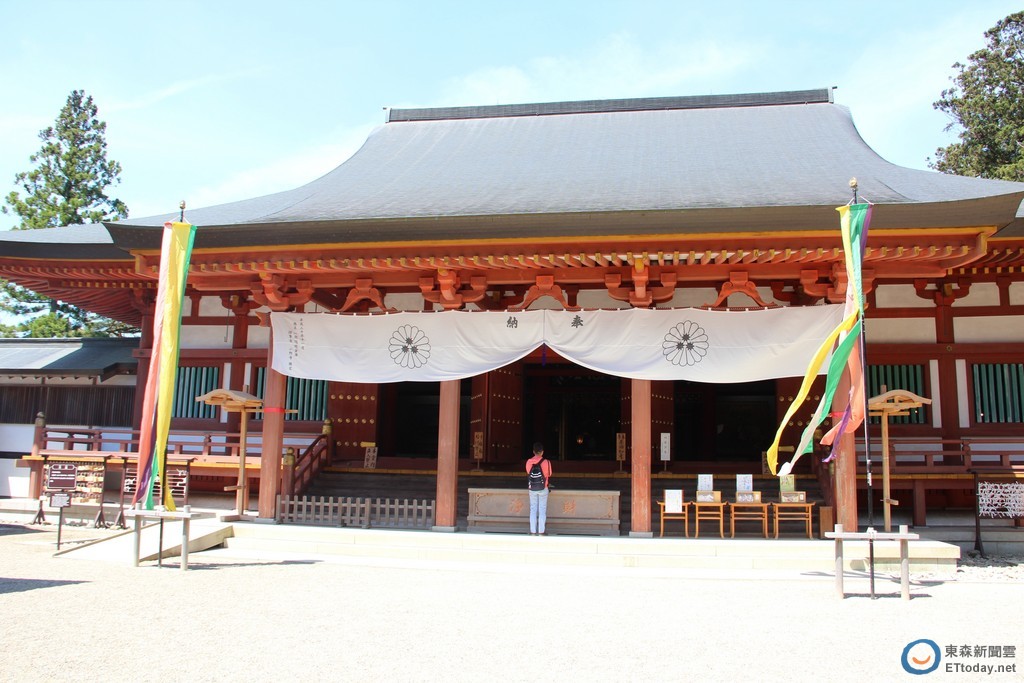
▲ Mōtsū-ji is characterized by its spacious and bright surroundings.
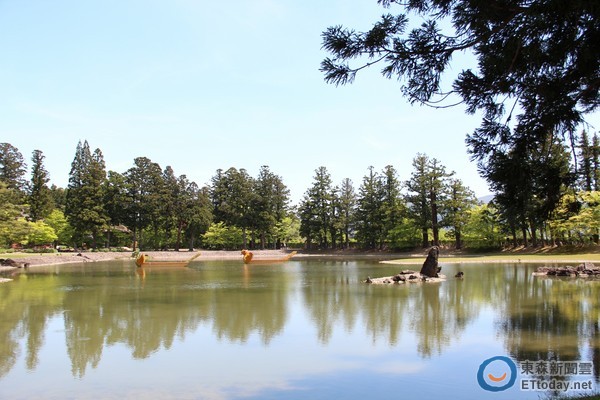
▲ The “Pure Land Garden” at Mōtsū-ji recreates the image of the Buddhist “Pure Land” and remains beautifully preserved after more than 800 years.
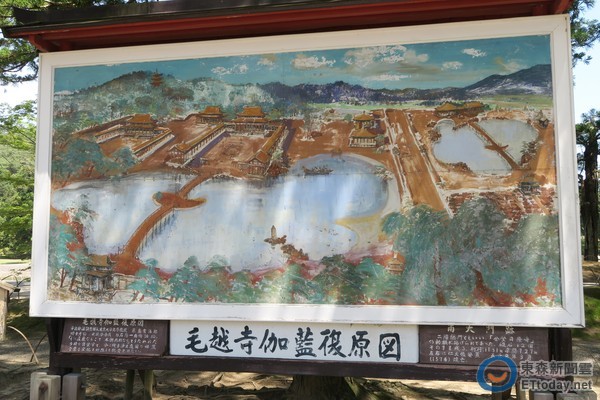
▲ A reconstruction drawing of Mōtsū-ji, showing the temple in its original glory.
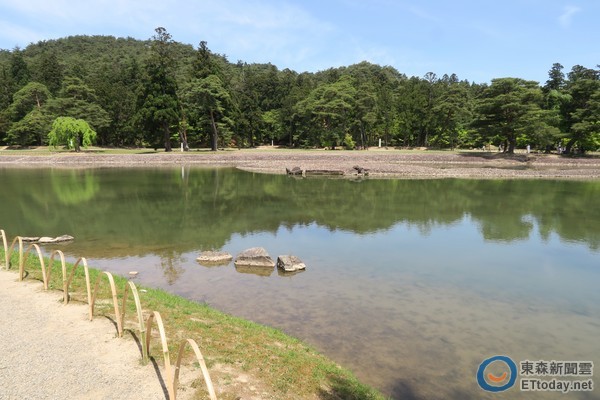
▲ Remnants of the South Gate Bridge can still be seen today.
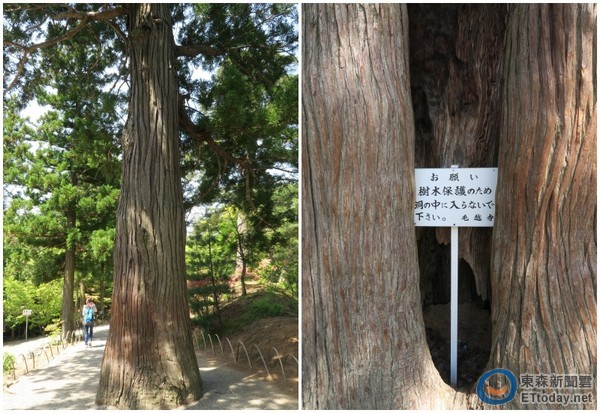
▲ Centuries-old trees stand tall and majestic.
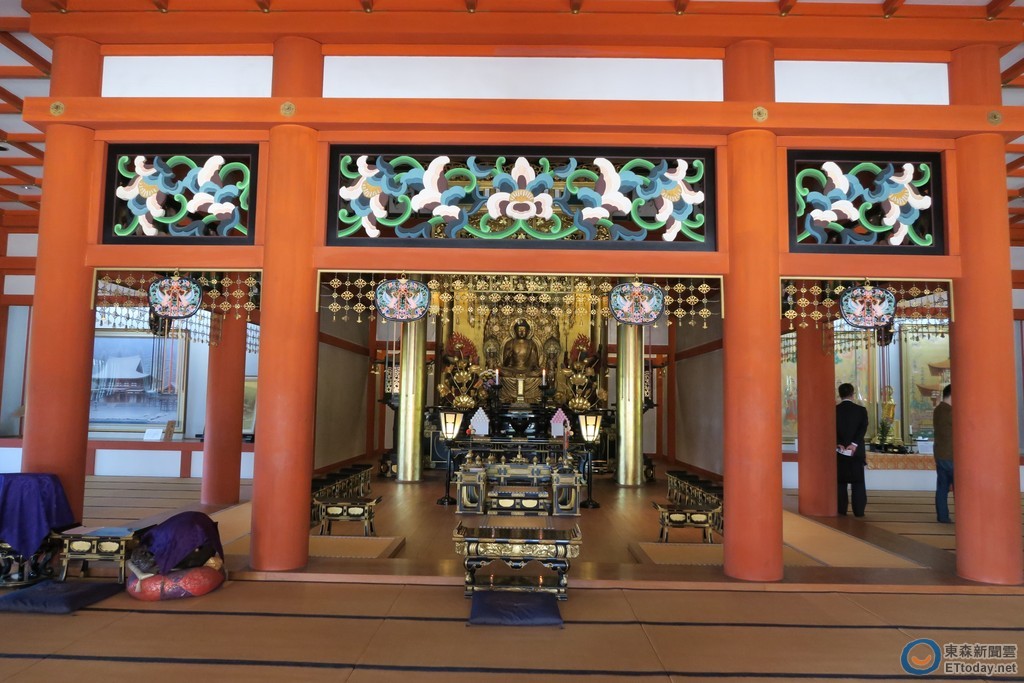
▲ The temple hall is magnificent and solemn.
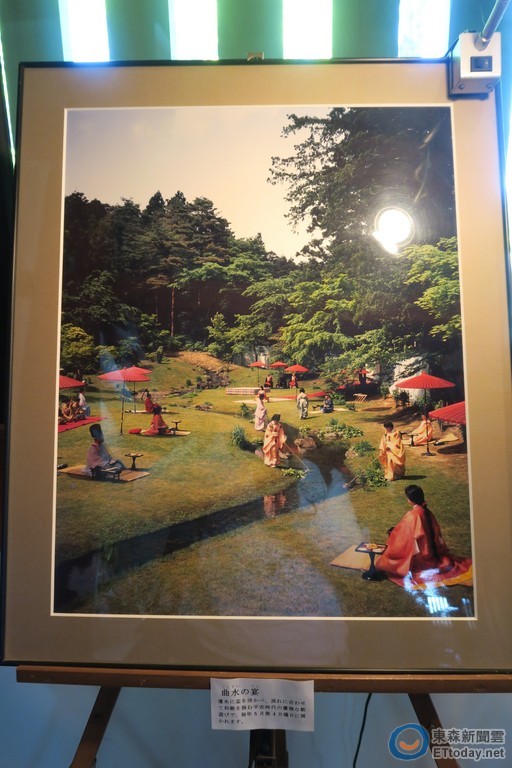
▲ Mōtsū-ji continues the aristocratic tradition of hosting the “Kurisui no En” every year on the fourth Sunday of May, where poetry and chanting take place.
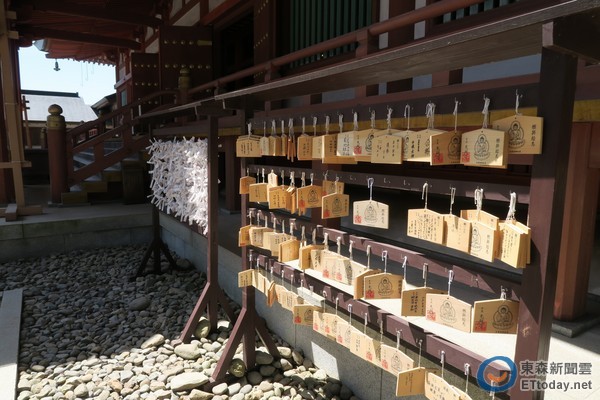
▲ Visitors come here to make wishes.
2. Chūson-ji — The Pure Land in the Forest
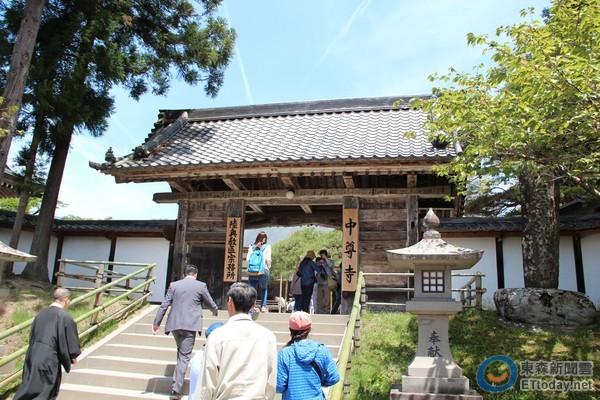
▲ Built in 850 AD, Chūson-ji, like Mōtsū-ji, is also a UNESCO World Heritage Site.
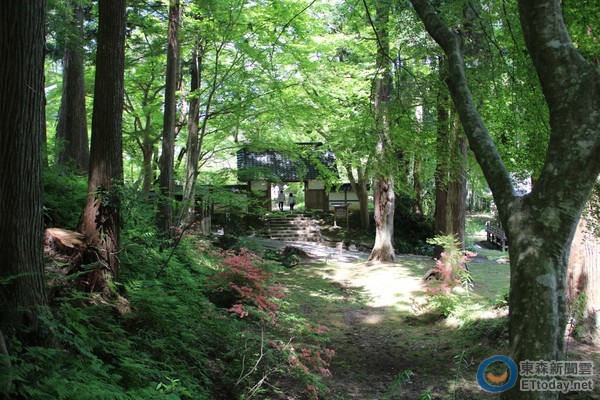
Chūson-ji, like Mōtsū-ji, was established in 850 AD by the monk Jikaku Daishi. Unlike the bright scenery of Mōtsū-ji, Chūson-ji is nestled within a forest, with towering trees lining the pathways, creating a slightly darker yet fragrant atmosphere rich in phytoncides. Visiting in autumn allows you to enjoy a path blanketed in red maple leaves.
The most famous attraction here is the Golden Hall (Konjiki-dō), built in 1124 AD. The main Buddha is Amida Nyorai, flanked by Kannon Bosatsu and Seishi Bosatsu, with six Jizō Bosatsu statues surrounding them. Every part of the hall, from ceiling to floor, is covered in gold leaf, earning it the title “Golden Pure Land.” In addition to gold leaf, the hall features exquisite craftsmanship, metal carvings, and decorations of mother-of-pearl, representing the pinnacle of Buddhist art from the Heian period.
Notably, the hall also houses the remains of the first Lord Kiyohira, as well as the remains of the second Lord Motohira and the third Lord Hidehira, along with the severed head of the fourth Lord Yasuhira. This practice stems from the historical belief among common people that preserving a leader’s mummified body after death would bring peace to the nation, which is why photography is not allowed inside the Golden Hall.
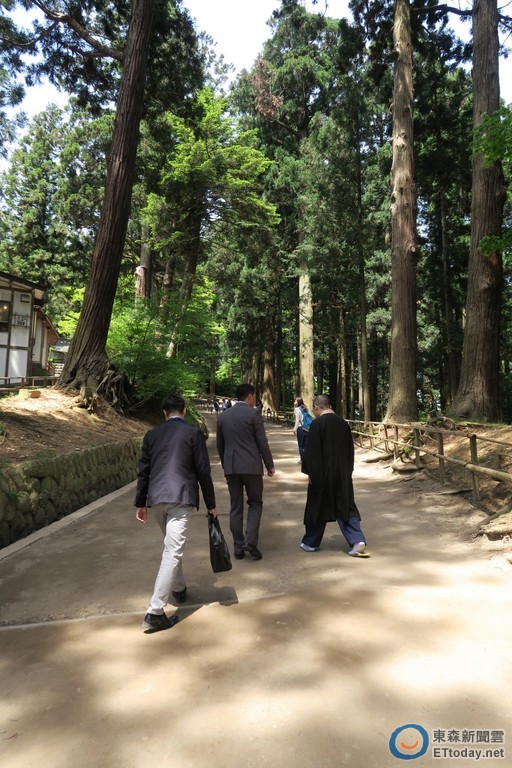
▲ Chūson-ji is located within a forest, with tall trees lining the pathways. Compared to Mōtsū-ji, it’s slightly darker, but you can breathe in rich phytoncides.
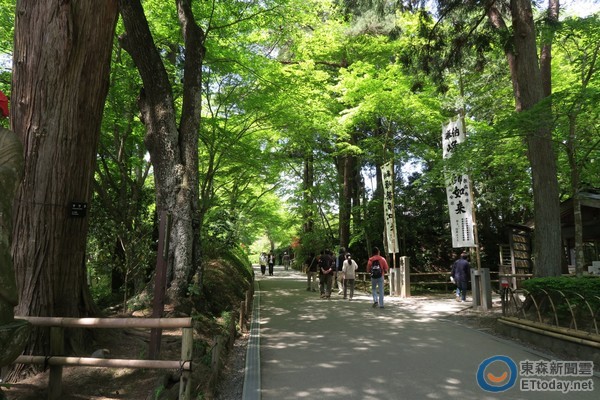
▲ If you visit in autumn, you’ll find a pathway covered in red maple leaves.
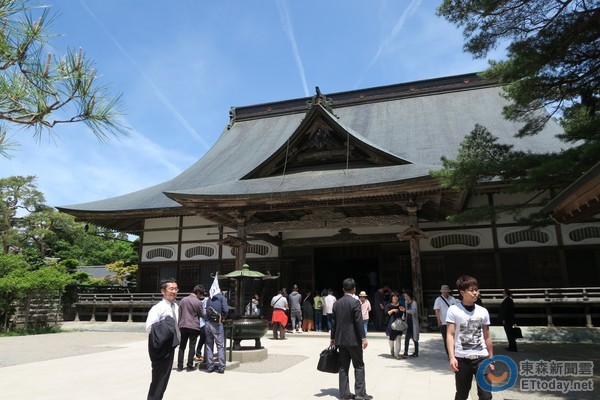
▲ The main hall of Chūson-ji.
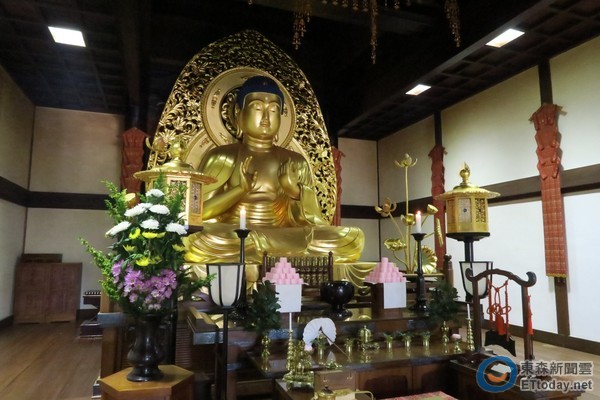
▲ The lanterns in Chūson-ji’s temple hall were brought from Enryaku-ji Temple in Kyoto and are said to have been burning continuously for 1,500 years.
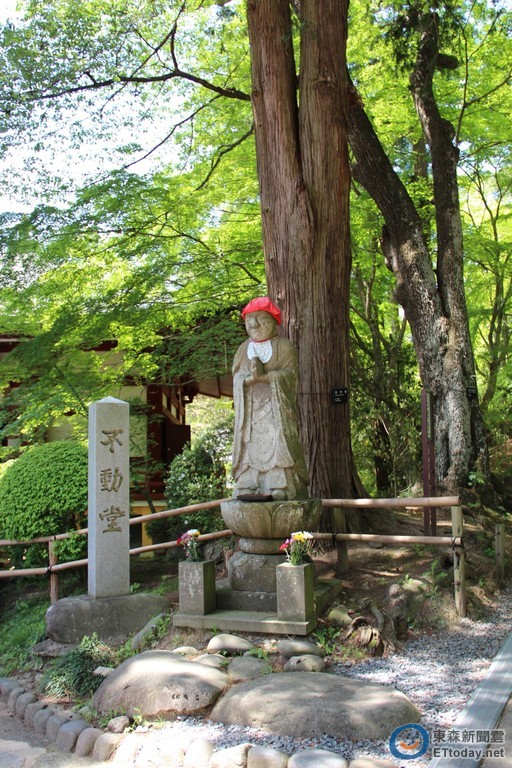
▲ %贾凶鹚吕锿沸矶嘟锹涠枷嗟庇木病</strong>
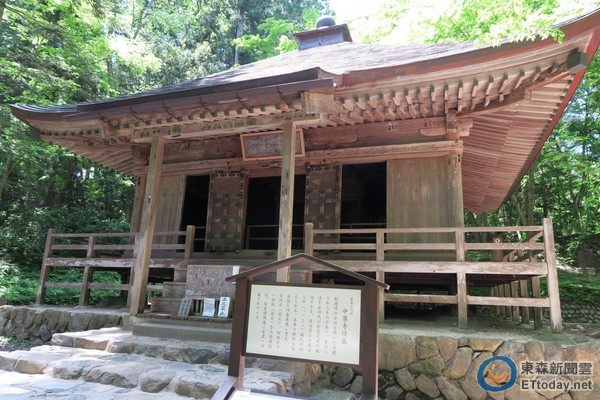
▲ The former hall of the Golden Hall.
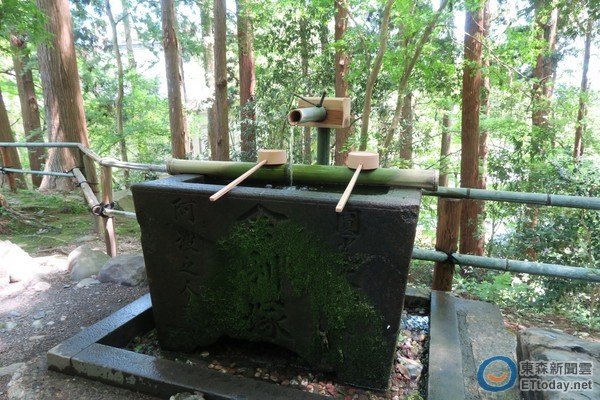
▲ %贾凶鹚卤A舨簧倮?泛奂#?屎舷舶?派?畔愕穆萌饲袄础</strong>
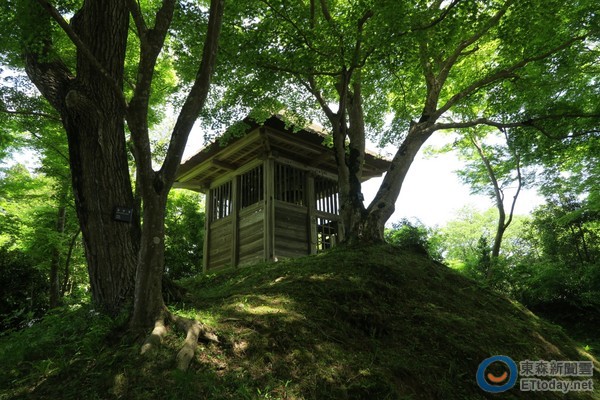
★ Mōtsū-ji
Address: Iwate, Nishinasuno District, Hiraizumi Town, Oaza 58 (
Visiting Hours: 8:30 AM to 5:15 PM
※ From November 5 to April 4: 8:30 AM to 4:30 PM
Admission Fee: 500 yen for adults
★ Chūson-ji Temple
Address: Iwate, Nishinasuno District, Hiraizumi Town, Hiraizumi Eguchi 202 (
Visiting Hours: March 1 to November 3: 8:30 AM to 5:00 PM
* November 4 to end of February: 8:30 AM to 4:30 PM
Admission Fee: 800 yen for adults
★ How to Get There?
From Tokyo Station, take the Tōhoku Shinkansen to “Ichinoseki Station,” then transfer to the JR Tōhoku Main Line to Hiraizumi. From there, you can take a bus or walk about 2 km. If you wish to visit nearby, you can first go to Mōtsū-ji, which is about a 10-minute trip from Chūson-ji.
★ Travel Tips:
With the convenience brought by the opening of the Hokkaido Shinkansen in March this year, you can travel directly from Tokyo Station. This line also connects directly with the “Tōhoku Shinkansen,” so before taking the shinkansen to Hokkaido, why not stay one or two nights in the Tōhoku region to experience the serene beauty of Iwate Prefecture, its natural delicacies, seafood, and the warmth of the locals.
Share
This article is published by HowToTrip. Sharing and reposting are welcome — please credit the source.
Article URL: https://www.howtotrip.net/views-7304
Related Articles
- Shaoxing's "Grandpa Gourd" hangs the gourds back up: "If there are too many people, we'll interact less — just take a quick look from afar"
- Chinese authorities announce "reciprocal adjustment" to Japan visa fees — single-entry visa jumps from 2,250 to 16,750 yen!
- The "health stones" carried by a traveler were found to have radiation levels exceeding safety limits by a thousand times, potentially endangering fellow passengers on the same flight. Customs issues warning!
- Shenzhen Airport Issues Late-Night Notice: Unidentified Aerial Object Detected, Causing Widespread Flight Delays!
- “They only said it cost money after I opened the box and washed it!” 200g of grapes sold for 60 yuan on a high-speed train—12306 responds!
- Can't buy an airline ticket? Denied exit? Blocked from boarding? A large number of Chinese tourists have mysteriously become "discredited individuals"
- Adverse weather and economic fluctuations impact Colombia's coffee market
- Beach bathing area responds to 2 yuan/30 seconds fee for freshwater foot rinsing: Clearly priced!
- Taking off with an improperly closed cabin door? Wing malfunction? Multiple flights made emergency returns mid-journey!
- Experience the gifts of nature! A countdown of the world’s ten most stunning coastlines