By: Ding
When people think of Hiroshima, they might still associate it with the “atomic bomb” from World War II. However, this city has successfully rebuilt itself and developed into an important cultural and commercial hub in western Japan, while retaining the charm of a smaller city. It's definitely worth a visit.
Coinciding with HK Express launching direct flights to Hiroshima at the end of October this year, departing every Tuesday and Saturday. What are the must-visit and must-do activities for first-timers in Hiroshima? Let’s find out together.
1. Itsukushima Shrine
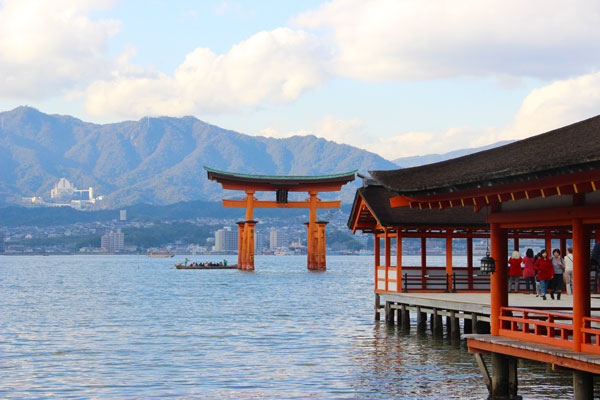
Built in 593 AD, Itsukushima Shrine is one of Japan’s oldest shrine complexes. The entire structure spans across the Seto Inland Sea and is surrounded by natural mountains such as Mount Misen, and in spring, it is even adorned with blooming cherry blossoms, offering breathtaking scenery — a must-visit spot for cherry blossom viewing in spring. Autumn brings vibrant red foliage too. Among its highlights, the shrine is most famous for the iconic "floating" O-Torii Gate standing in the sea. Other structures within the complex include the main shrine buildings, Sessha Marodo Shrine, the purification hall (Haiden), the Noh stage, and more.
To appreciate Itsukushima Shrine, you can not only view it from Miyajima Island but also from the water. Want to know how? Check out "Multiple Angles for Photographing Itsukushima Shrine (with Travelogue)"
More information about Itsukushima Shrine: http://www.dcfever.com/travel/attraction.php?id=11663
2. Mount Misen
Photo by Paul Mannix
Mount Misen is the highest peak on Miyajima Island and has been regarded as a sacred mountain by locals since ancient times. Its primeval forests have been designated as a Natural Monument. At the foot of Mount Misen lies Daishoin, the island’s oldest temple, where the Eternal Flame Hall houses a flame that has been burning continuously for nearly 1,200 years.
More information about Mount Misen: http://www.dcfever.com/travel/attraction.php?id=11950
3. Hiroshima Peace Memorial Museum
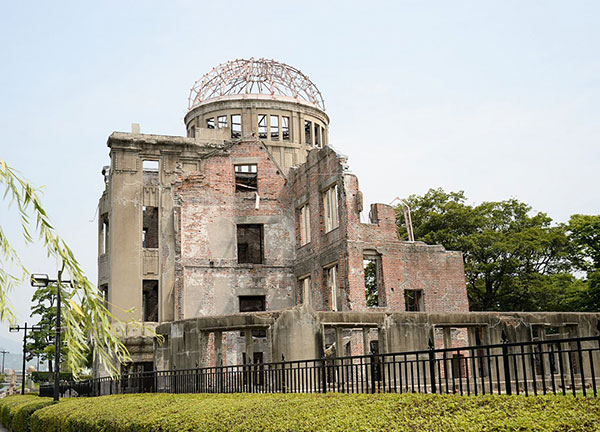 Photo by larrym
Also known as the Atomic Bomb Dome, the Hiroshima Peace Memorial Museum is a symbol of Hiroshima. Designed by Kenzo Tange, the father of modern Japanese architecture, the Dome is the only building that partially survived the atomic bombing. Its skeletal dome remains intact to this day and has become a UNESCO World Heritage Site.
More information about the Hiroshima Peace Memorial Museum: http://www.dcfever.com/travel/attraction.php?id=11804
4. Okunoshima (Rabbit Island)
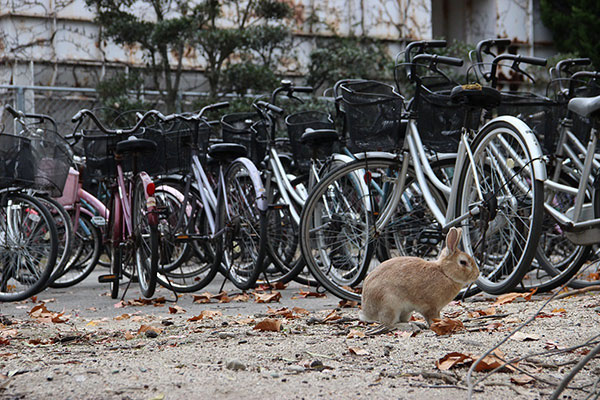
The island is home to around 700 wild rabbits, making it a recent hot tourist spot known as “Rabbit Island.” Before visiting, remember two things: first, there’s no rabbit food sold on the island, so buy some before boarding the ferry; second, rabbit populations vary by area on the island, and they won’t necessarily swarm around you. Interestingly, this cheerful little island was once a secret chemical weapons facility for the Japanese military, serving as a production base for poison gas and was even deliberately erased from maps.
More information about Okunoshima: http://www.dcfever.com/travel/attraction.php?id=12427
5. Senkoji Temple
Senkoji Park is located at the summit of Senkoji Mountain in Hiroshima Prefecture and is a landmark of Onomichi City. A short cable car ride takes you to the mountaintop observation deck, which has been recognized as a “Lover’s Sanctuary,” one of the “Top 100 Cherry Blossom Spots,” and among the “Top 100 Night Views.” It offers the best panoramic views of Onomichi City. During the blooming season, you can enjoy cherry blossoms, azaleas, and chrysanthemums, and it’s also a great place to see autumn leaves.
More information about Senkoji: http://www.dcfever.com/travel/attraction.php?id=12258
Now that we’ve covered the attractions, let’s talk about what’s fun and delicious to do and eat in Hiroshima — take a look:
6. Must-Try Hiroshima Oysters
Hiroshima oysters account for more than half of Japan’s total oyster production. Their peak season runs from November to March, and they can be prepared in various ways, with grilled and fried being the most popular. They’re also delicious served with rice or in soup. A highly recommended spot is Kakiya Restaurant on Miyajima Island.
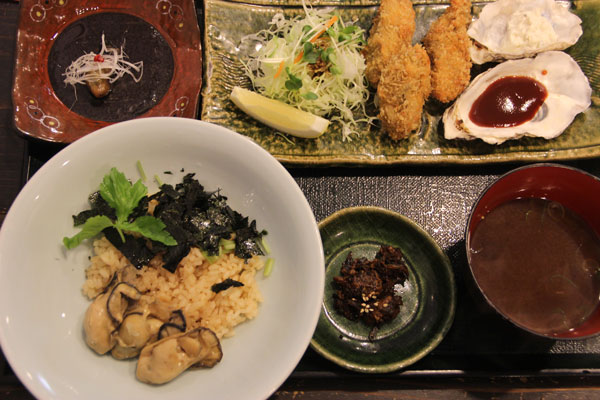 Kakiya’s All-Oyster Course: around 2,200 yen per person
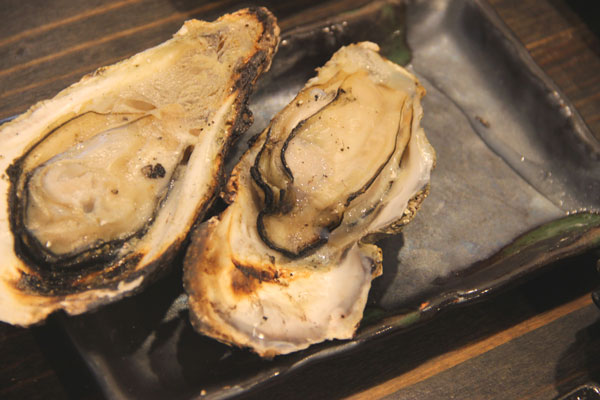 Grilled oysters (two pieces): around 800 yen
7. Premium Eel
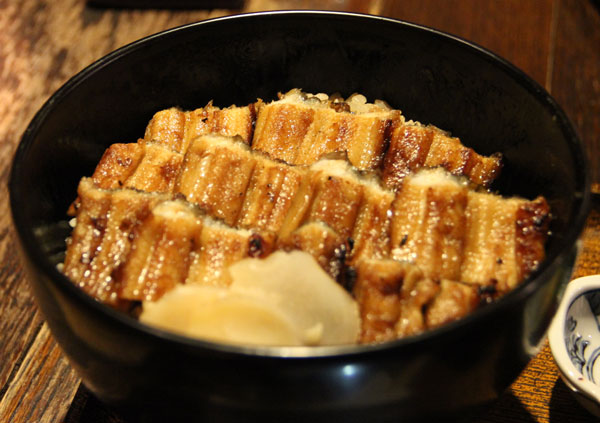
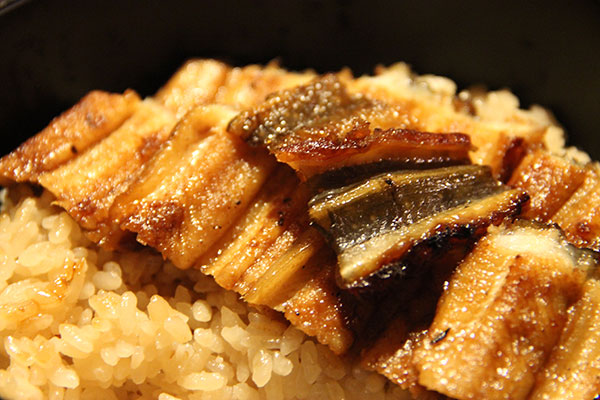
This isn’t your ordinary unagi donburi — it’s Hiroshima’s specialty local dish: Hitomi-style eel rice. The special eel used here, called “hitomi-unagi,” has no scales or ventral fins, giving it a firmer texture than regular eel. The sauce is also lighter and naturally sweet, making it a premium choice.
8. Hiroshima Maple Leaf Manju – A Must-Buy Souvenir
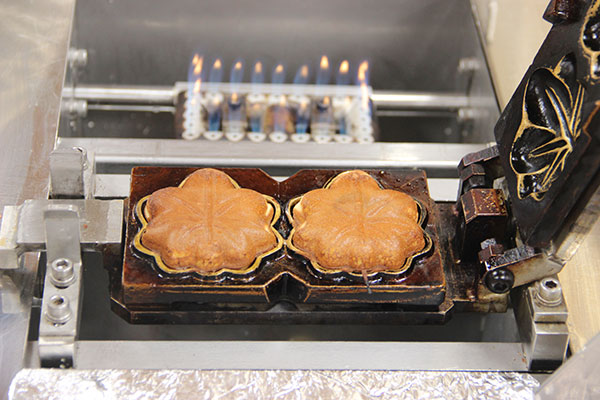
Aside from oysters, maple leaf manju is another famous Hiroshima delicacy, rarely found elsewhere in Japan. This sweet treat, shaped like Hiroshima’s prefectural flower (the red maple leaf), typically has a red bean paste filling. These days, other flavors such as custard and cheese are also available. At larger shops, visitors can even make their own manju by hand.
9. Homemade Hiroshima Okonomiyaki – Cook Up the Flavors of Hiroshima
Unlike Osaka okonomiyaki, the main ingredient in Hiroshima okonomiyaki is noodles. It is said that Hiroshima okonomiyaki originated as a snack for children before World War II, and after the war, it became a staple food for locals due to rice shortages.
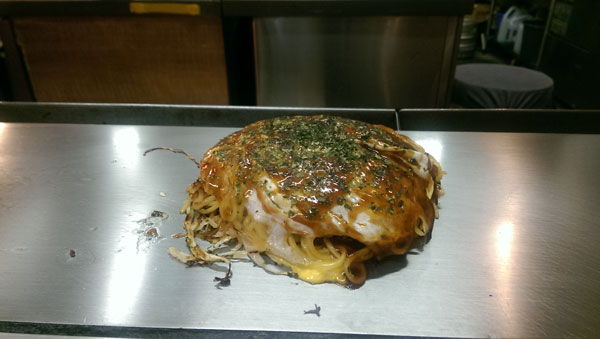
Today’s Hiroshima okonomiyaki includes not only noodles but also various toppings such as meat and seafood, with the highlight being its rich, savory sauce. In the shopping mall near Hiroshima Station, there are several okonomiyaki shops where customers can make their own, cooking up the delicious flavors of Hiroshima together.
10. Depart from a Bicycle Hotel
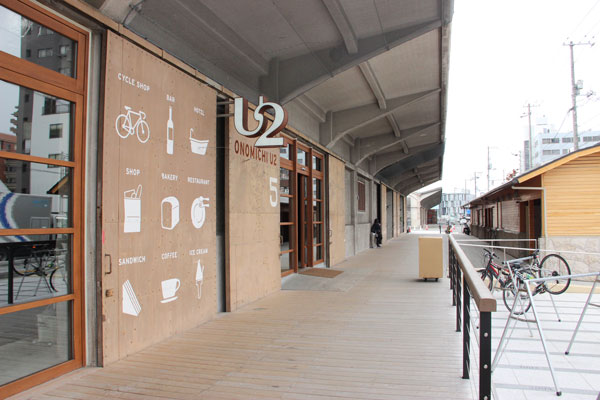
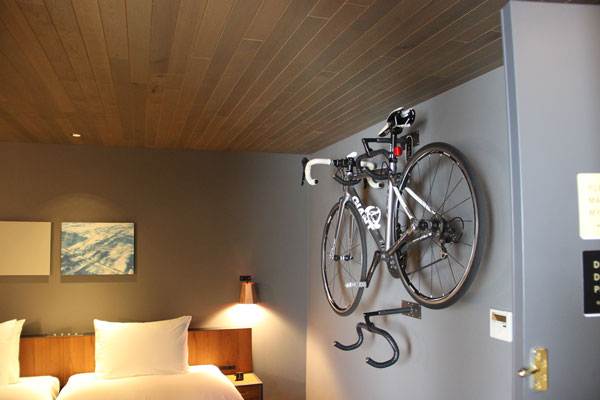
Onomichi’s beautiful coastline attracts many cycling enthusiasts every year. Moreover, Hotel Cycle in Onomichi is a comprehensive bicycle hotel, fully equipped with everything from cycling routes, guest rooms, restaurants, and bakeries to bike rentals, sales, and apparel. The hotel's design also puts a lot of thought into making it easy for cyclists and other guests to access different areas.
Acknowledgement: HK Express
HK Express There are twoflights per week direct to Hiroshima (on Tuesdays and Saturdays). Passengerscan shop on boardHK Expressusing Octopus cards and choose from a selection of dim sum platters, a variety of hot and cold meals, snacks, and beverages.
|
Hong Kong (HKG) < > Hiroshima (HIJ) (Local time) |
||||
|
Flight |
Route |
Departure |
Arrival |
Frequency |
|
800 |
Hong Kong (HKG) > Hiroshima (HIJ) |
14:00 |
18:10 |
Tuesday |
|
801 |
Hiroshima (HIJ) > Hong Kong (HKG) |
18:55 |
21:55 |
Tuesday |
What else is there to do in Hiroshima? Fever Travel has handpicked 25 great spots in Hiroshima for you.
http://www.dcfever.com/travel/sightseeing.php?id=2151
Related travel stories
Itsukushima Shrine – Capture It from All Angles (Travel Story Included)
Additionally,HK Express will launch new destinations next year, with Yangon and Mandalay, two cities in Myanmar, opening respectively on 2016 Year 2 Month 17 and 21 The inaugural flight is now open for booking, with fares starting as low as 180 yuan. There's now another option for flying to Myanmar in the future.
http://www.hkexpress.com/