Last time, I mentioned how my boarding pass was changed just 5 minutes before the flight departure, and I had to exit via Colombia. There were also some minor issues when leaving Colombia, as I had originally planned to wait at the airport for several hours for my connecting flight and hadn’t booked any accommodation there. This caused some trouble at customs, and I had to speak to several officers before I was finally allowed to leave. Then came the most worrisome part: after exiting, I had to take an Avianca flight to Bolivia. Would I be denied boarding, just like what supposedly happens in Hong Kong? Or would they even issue me a boarding pass?
By the way, according to the information provided by the travel agency, here are the documents required to enter Bolivia:
1) Passport (must be valid for 6 months or more from the date of return and have at least 2 blank visa pages)
2) Completed application form
3) Two 40mm x 40mm color photos without glasses or hats (white or red background)
4) Yellow fever vaccination certificate
5) Proof of financial means
Proof of financial means isn’t difficult — a bank statement will do. I had also taken the required photos before departure. However, the yellow fever vaccination requires 10 days to become effective after administration. Since my entry into Bolivia was before the 10-day period, I was constantly worried about being denied entry because of it. In Hong Kong, the yellow fever vaccine is only available at two government travel health centers. The usual waiting time is about 6 weeks, but I only had less than a week before my trip. What could I do? I had no choice but to call the staff at the travel health centers repeatedly to explain my situation. Fortunately, they put me on the waiting list and I managed to get vaccinated just before departure, though it wasn’t quite 10 days before the trip.
According to the travel agency, they would first send our information to the Bolivian tourism authority, which would then allow us to get a visa on arrival. There were also rumors that Bolivia’s tourism authority had relaxed entry restrictions this year, though I couldn’t confirm whether that was true or not. When I actually entered, I felt that the local customs officers didn’t check the records provided by the travel agency, nor did they ask for any of the documents mentioned above — including the yellow fever vaccination certificate. They simply asked me to pay around 600 Hong Kong dollars in cash. Bolivia has its own currency, and based on my observation at this airport checkpoint, the officers would let you “proceed” by exchanging your US dollars for the local currency at the airport exchange shop, and then they would handle the entry procedures afterward.
And just like that, I managed to enter Bolivia without any major issues and began my journey. Next time, I’ll start by telling you all about La Paz, the capital of Bolivia, and then write about the story behind the Mirror of the Sky (Salar de Uyuni)!
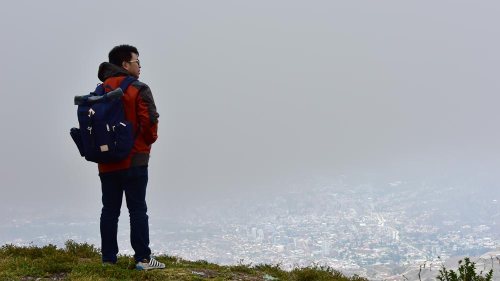
La Paz, the capital of Bolivia, is a mountain city with an altitude of over 4,000 meters. Remember to bring altitude sickness medication just in case before you depart.
Text and photos: Dan @ A Story of a Part-Time Travel Journalist
Acknowledgements: Columbia & Doughnut provided the gear for this trip