An unfinished World War II tunnel has become a popular water-friendly park today.
Text & Photos / Joel Fukuzawa.
Takamori Railway Tunnel Park
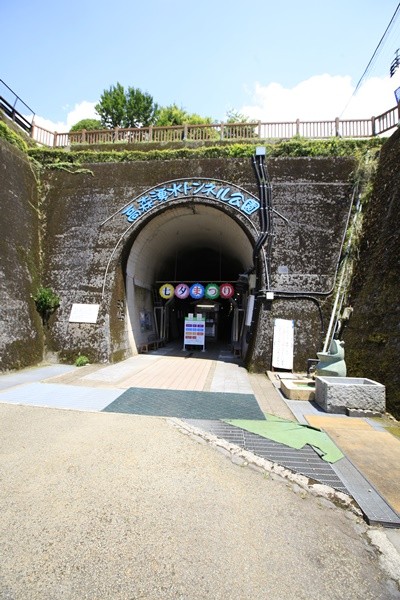
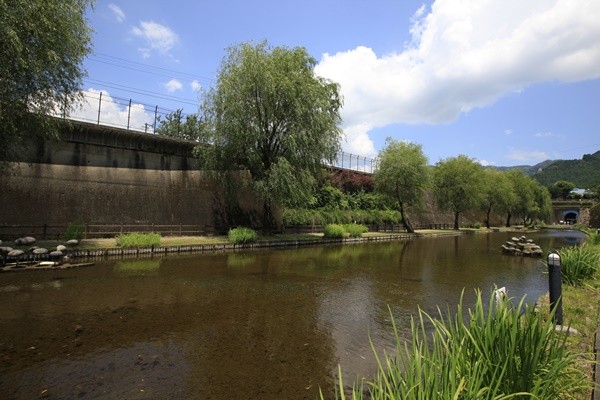
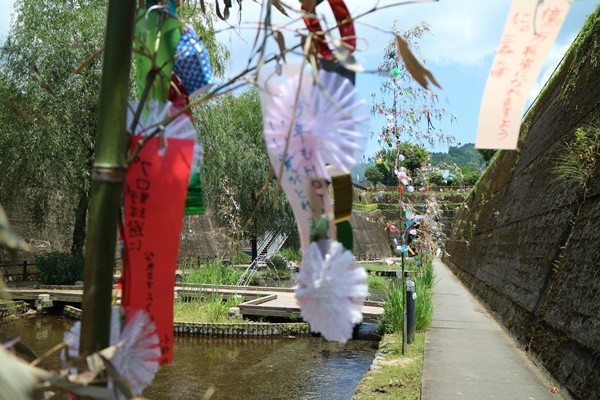
It was Japan’s Tanabata (originally celebrated on the seventh day of the seventh lunar month, but changed to the Gregorian calendar after the Meiji Restoration), and I visited the Miyauchi section of the Takamori Railway Tunnel. This was supposed to be an important tunnel that the former “Nan-Aso Railway” would pass through on its way to Takamori Station. However, the tunnel was never completed. The reason: halfway through construction, workers discovered a large area of groundwater springs, forcing them to abandon the development plan.
Since the Meiji era, plans for the “Kyushu Transversal Railway” had been repeatedly proposed. The original idea was to build a railway line connecting Kumamoto to Miyazaki. By the time the first phase of the project was completed in the mid-20th century, only two sections remained—the one near Kumamoto and the one near Miyazaki. The former had already been finished, but the latter, which passed through this area, faced a particularly challenging geographical hurdle: how to cross underneath the mountain.
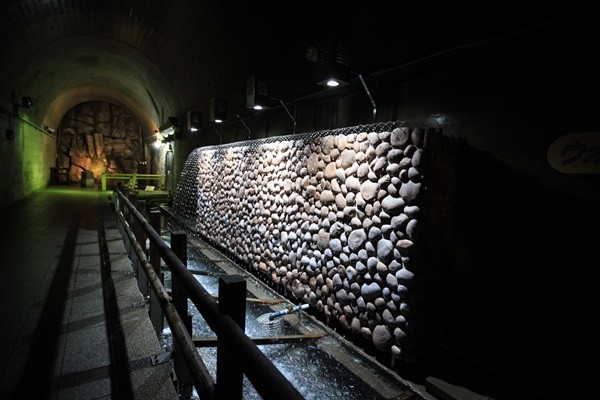
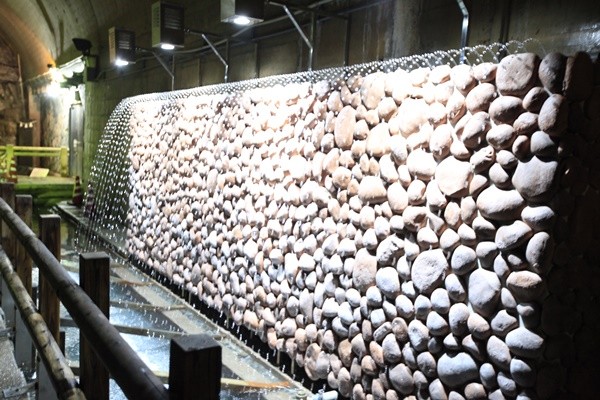
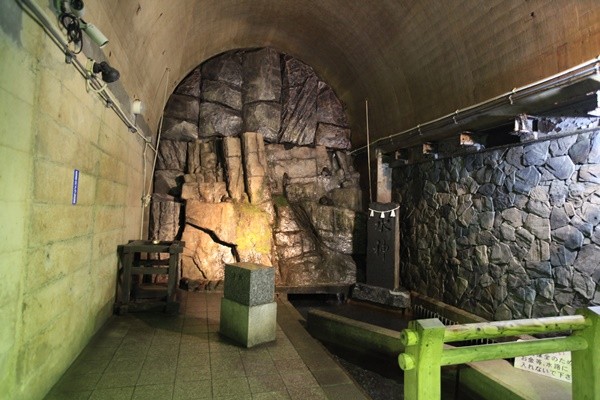
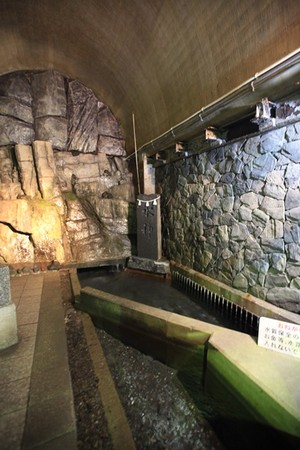
The original plan was to construct a roughly 6,500-meter-long Takamori Tunnel to connect Takachiho and Takamori. However, midway through the dig, an uncharted groundwater spring zone was discovered. In 1975, when excavation reached approximately 2,055 meters, groundwater began gushing out at a rate of 36 tons per minute—making further construction impossible. Work was halted the following year, and to this day, around 32 tons of groundwater still flows out of the tunnel every minute.
To be honest, this wasn’t the first time Japan encountered major groundwater issues during transportation infrastructure projects. Other tunnels, such as the Seikan Tunnel, the Nambu Tunnel, and the Nakayama Tunnel, also faced similar problems—with some even dealing with groundwater outflows as severe as 80 tons per minute. So, if the Japanese National Railways had been determined to push through, technically speaking, completing the Takamori Tunnel wouldn’t have been impossible.

However, this happened to coincide with the rise of car ownership in Japan, which reduced local reliance on railways. At the same time, the then-state-run Japanese National Railways was facing worsening financials, and the project was deemed unlikely to achieve a balance between costs and benefits even if completed. As a result, the plan to open the tunnel was ultimately abandoned.
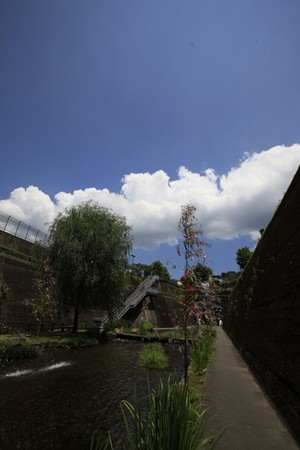
Interestingly, scrapping the Takamori Tunnel project turned out to be a blessing in disguise for local farmers and residents. Had the tunnel been completed, the groundwater springs would have had to be blocked off. For the people who depended on those springs for their daily lives, the inconvenience caused could have far outweighed the benefits of improved transportation. This was a major concern for both the engineers and staff at the time—that public infrastructure projects should not come at the cost of disrupting local residents’ lives.

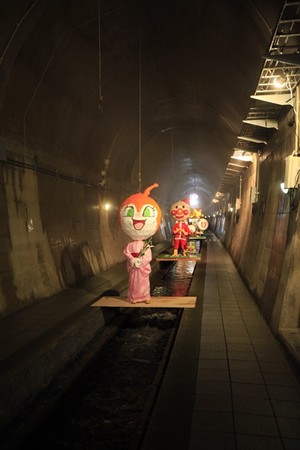
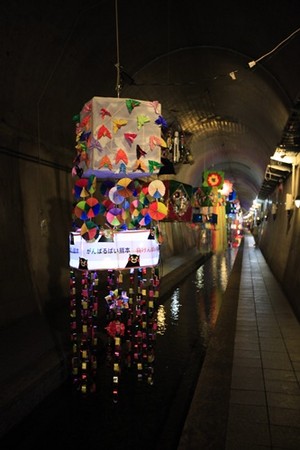
Eventually, after years of negotiations, the tunnel was transferred free of charge from JR to the Takamori Town Office in 1993. Given the constant flow of groundwater, the town decided to repurpose the tunnel as a water-friendly park. The ongoing spring water discharge also became part of Takamori’s municipal water supply. Nowadays, every Tanabata, the tunnel opens to the public for free, where local children and residents display their colorful Tanabata decorations. Especially on days when outdoor temperatures soar to 36°C, stepping into the tunnel brings a refreshing wave of 24°C cool air that instantly revitalizes the senses.

The Takamori Tunnel, a remnant of Japan’s era of rapid economic development, went through many twists and turns. Its original shortcomings unexpectedly transformed into advantages—an outcome the original developers likely never anticipated.


Share
This article is published by HowToTrip. Sharing and reposting are welcome — please credit the source.
Article URL: https://www.howtotrip.net/views-6238
Related Articles
- Shaoxing's "Grandpa Gourd" hangs the gourds back up: "If there are too many people, we'll interact less — just take a quick look from afar"
- Chinese authorities announce "reciprocal adjustment" to Japan visa fees — single-entry visa jumps from 2,250 to 16,750 yen!
- The "health stones" carried by a traveler were found to have radiation levels exceeding safety limits by a thousand times, potentially endangering fellow passengers on the same flight. Customs issues warning!
- Shenzhen Airport Issues Late-Night Notice: Unidentified Aerial Object Detected, Causing Widespread Flight Delays!
- “They only said it cost money after I opened the box and washed it!” 200g of grapes sold for 60 yuan on a high-speed train—12306 responds!
- Can't buy an airline ticket? Denied exit? Blocked from boarding? A large number of Chinese tourists have mysteriously become "discredited individuals"
- Adverse weather and economic fluctuations impact Colombia's coffee market
- Beach bathing area responds to 2 yuan/30 seconds fee for freshwater foot rinsing: Clearly priced!
- Taking off with an improperly closed cabin door? Wing malfunction? Multiple flights made emergency returns mid-journey!
- Experience the gifts of nature! A countdown of the world’s ten most stunning coastlines