I decided to go on a 24-hour flash trip just to visit the Ashikaga Wisteria Garden, because it was selected as one of CNN’s top ten dreamlike attractions. I came specifically to see the wisteria, and since it’s not too far from Tokyo, I believe many people are familiar with this place.
With only 24 hours, I thought visiting three prefectures would be tight. The route was: Haneda > Shinagawa > Nippori > Katsuta, where I visited Hitachi Seaside Park, then Katsuta > Oyama > Tomita, to see the Ashikaga Wisteria Garden. Turns out I met other travelers along the way—apparently going to Hitachi Seaside Park and then Ashikaga Flower Park is a popular route.
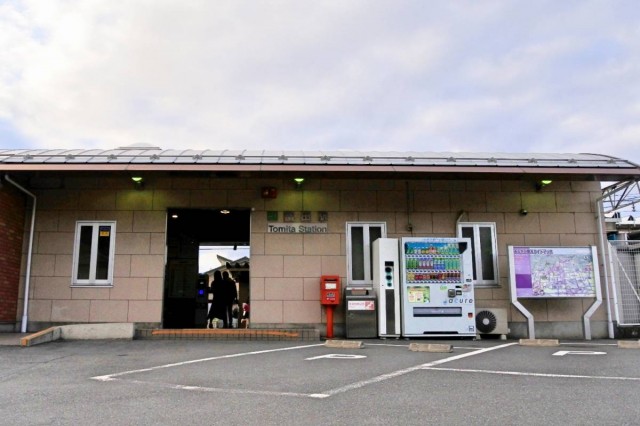
By the time I reached Tomita Station, it was already around 3 p.m. I followed the crowd and walked for about 15 minutes to reach Ashikaga Flower Park.
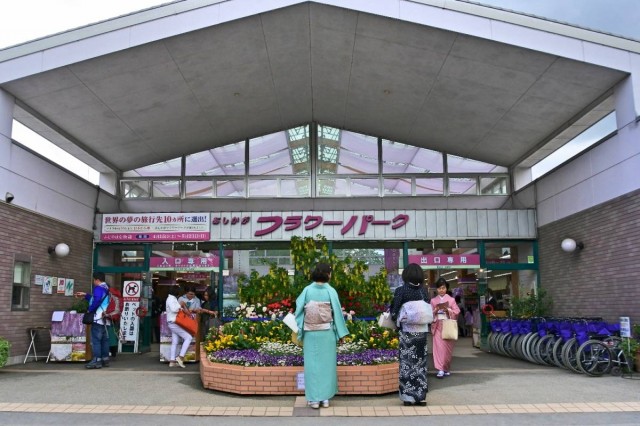
The entrance of Ashikaga Flower Park.
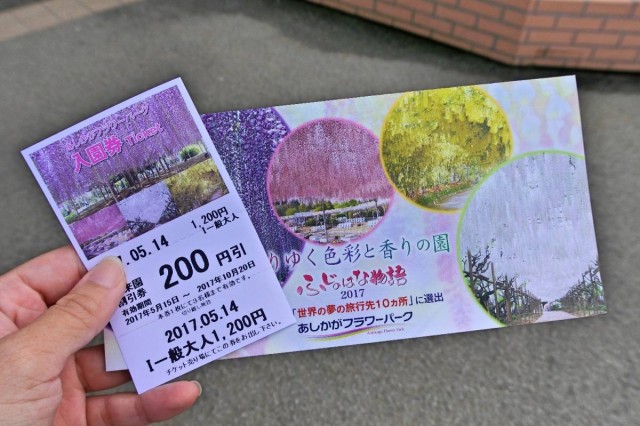
If you check the official website, you’ll notice that Ashikaga Wisteria Garden doesn’t have a fixed admission fee—it’s a price range that’s determined on the day of your visit, depending on the blooming conditions. Since I went on the last day of the light-up event, even the evening ticket cost 1200 yen.
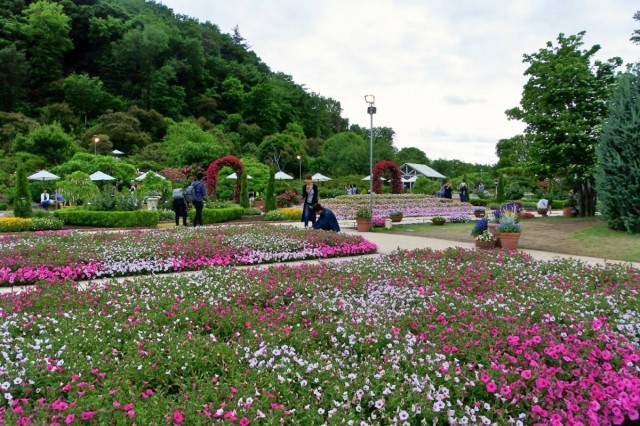
Japanese gardens are exquisitely designed and truly beautiful, a feast for the eyes.
An 80-meter-long white wisteria tunnel.
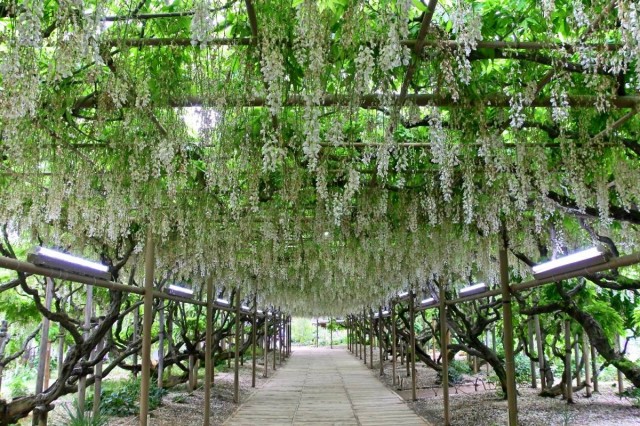
The tunnel is quite dark, but there are lights on both sides to illuminate the path.
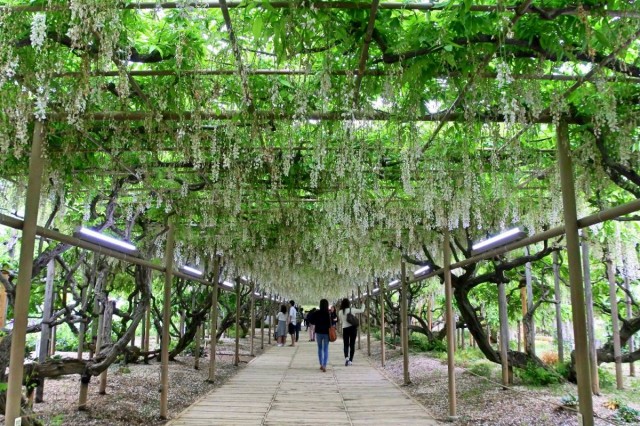
A 150-year-old, world-class large wisteria arbor—there are two big wisteria trees on either side, and the pathway goes between them.
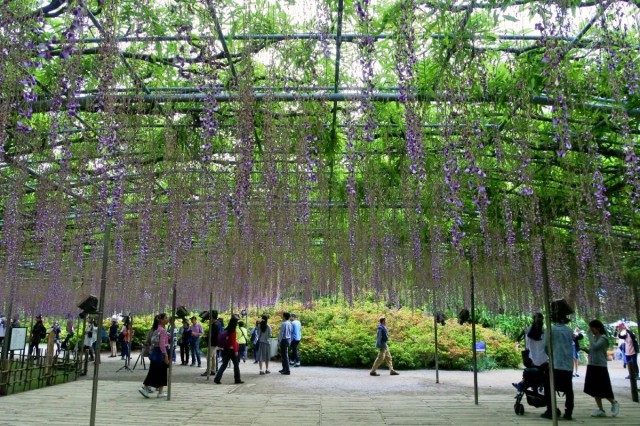
It really is 1200 yen... Because during peak bloom it’s 700 yen... But now it’s down to 200 yen—this week is when it’s most beautiful. Ashikaga Flower Park has different flowers year-round, and you can check the blooming calendar on their official website.
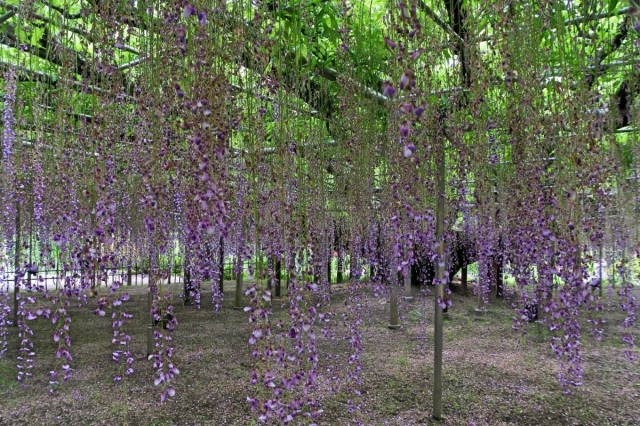
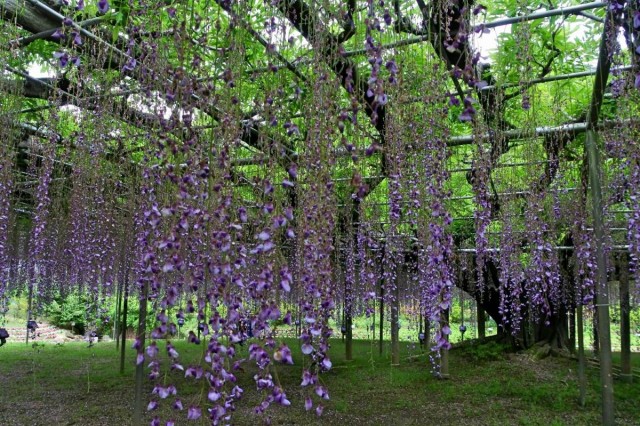
The wisteria has started growing green leaves, so the legendary wisteria waterfall isn’t as stunning. No choice though—I didn’t dare come during Golden Week.
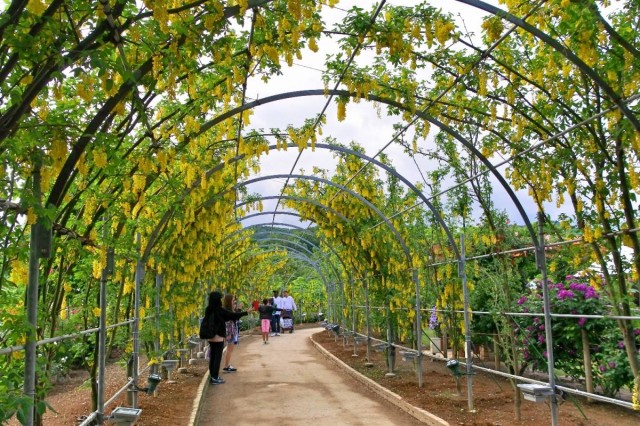
Yellow wisteria, also called golden wisteria, is in the same family as wisteria but a different genus.
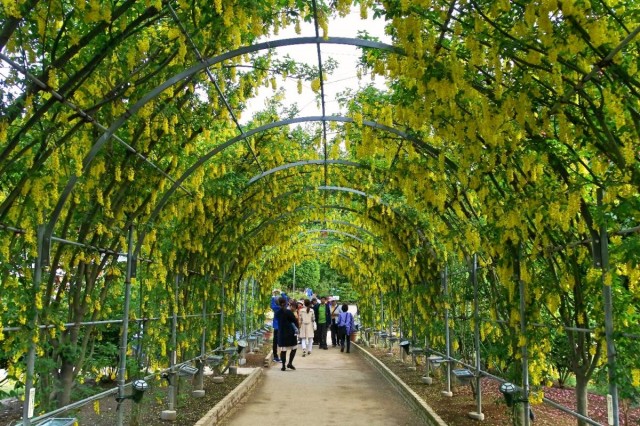
On the other side, it’s already quite sparse. Though there’s no tunnel effect anymore, you can still take photos with the yellow wisteria wall.
The long wisteria near the west exit.
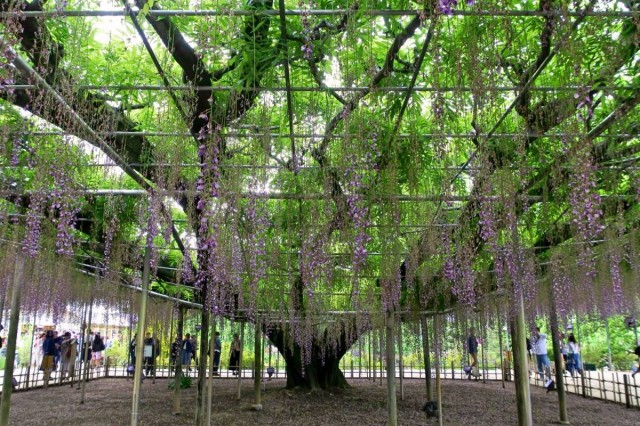
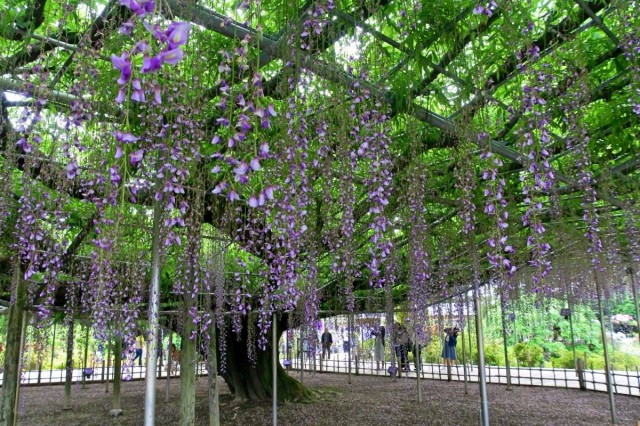
With the breeze blowing, the wisteria sways in unison, creating a very atmospheric scene, and the air is filled with the fragrance of wisteria blossoms.
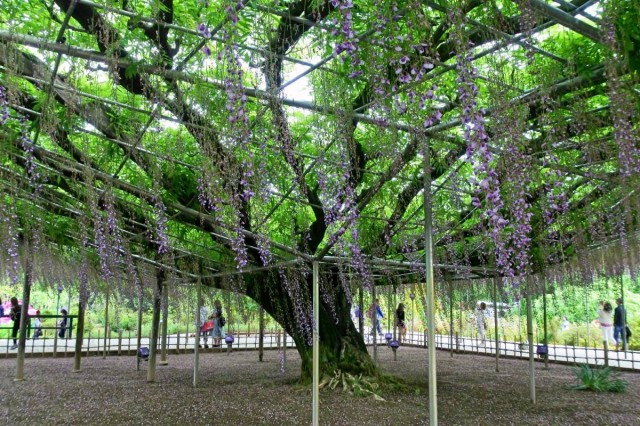
I’ve basically seen all the wisteria, though I don’t think I saw any pink ones—they’re already gone, located in the garden right at the main gate. That’s a bit of a pity, so I just had to console myself with some wisteria-flavored ice cream. 400 yen for a small cup... It’s a bit pricey, but it’s worth it—the taste is really unique, and you absolutely must try it.
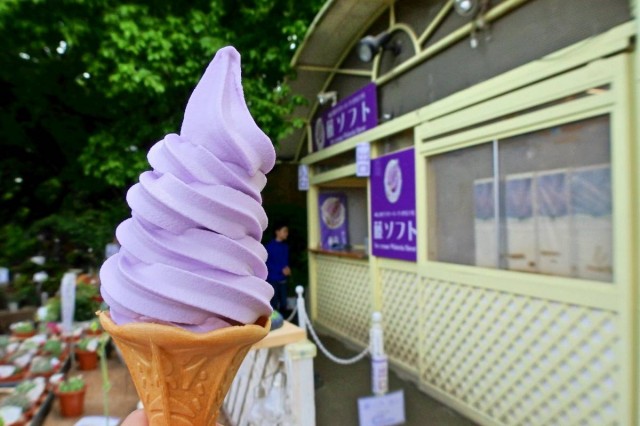
While eating the ice cream, I admired the blooming roses.
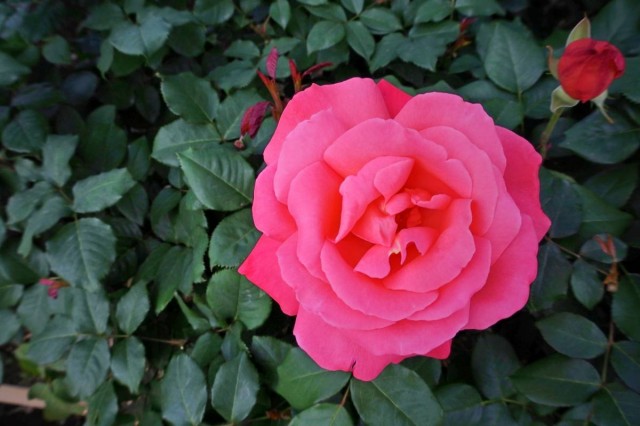
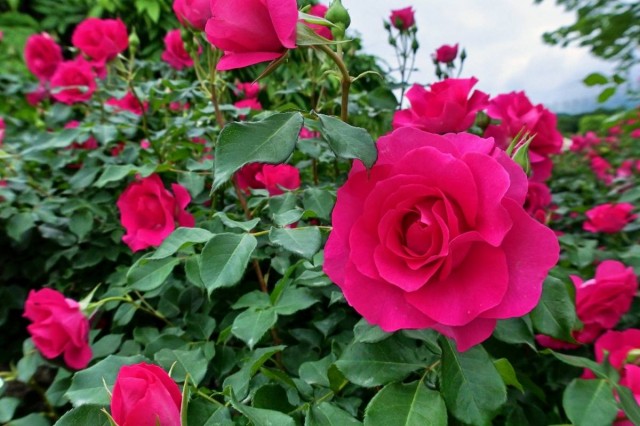
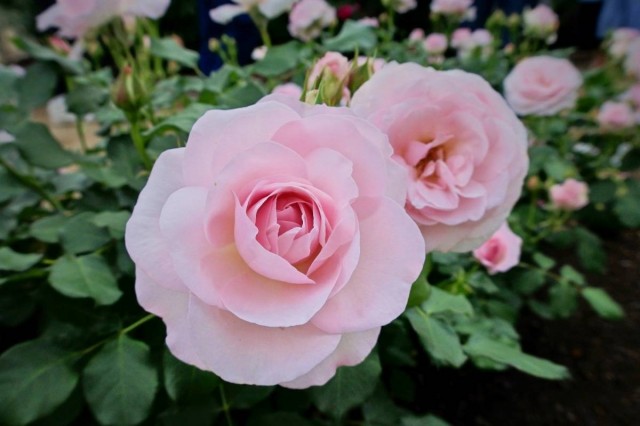
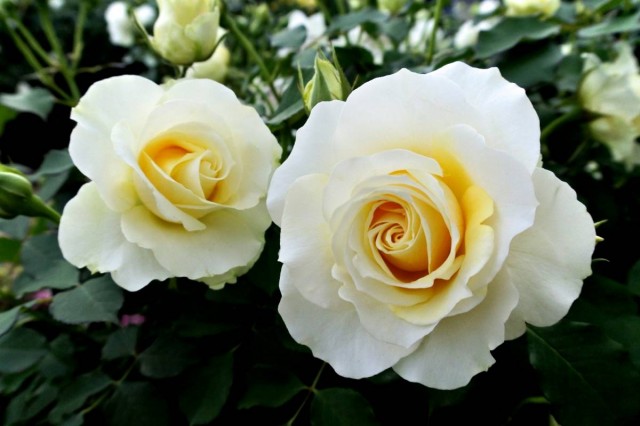
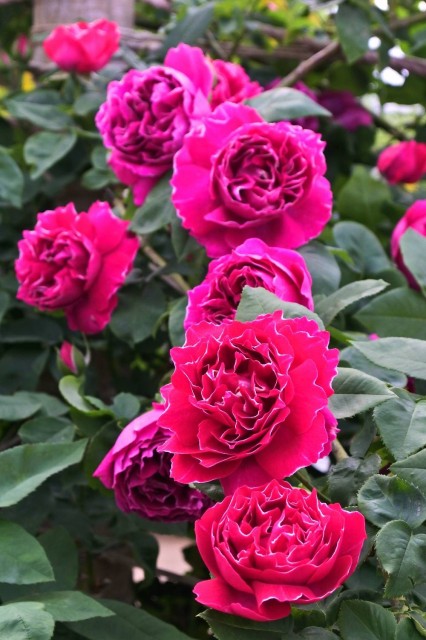
Although my ticket included evening access, the flowers seemed a bit wilted, so I skipped it. Plus, it was very crowded (I’ve actually found that crowd levels really affect my enjoyment), but I’m glad I left early—on the way back, there was a personal injury accident causing delays. Missing my flight would’ve been terrible.
In the end, I went to Akihabara, and surprisingly, I ran into the foreign tourists I’d met at Ashikaga Flower Park again. The world really is small—ha ha.
Ashikaga Flower Park official website: https://www.ashikaga.co.jp/
Has traveled to over 30 countries/regions, lived in Taiwan for a year and a half, spent several months traveling and living in Japan, worked and traveled in Canada for a two-month aurora experience, with travelogues published on U blog, DC fever, likeJapan, now.com, and Travel Bar. Open to various forms of collaboration.
Facebook: https://www.facebook.com/k.doudou/
Instagram: http://www.instagram.com/k.doudou/
Youtube: https://www.youtube.com/channel/UCFM9xSqL_HYem9q9FppDYGg