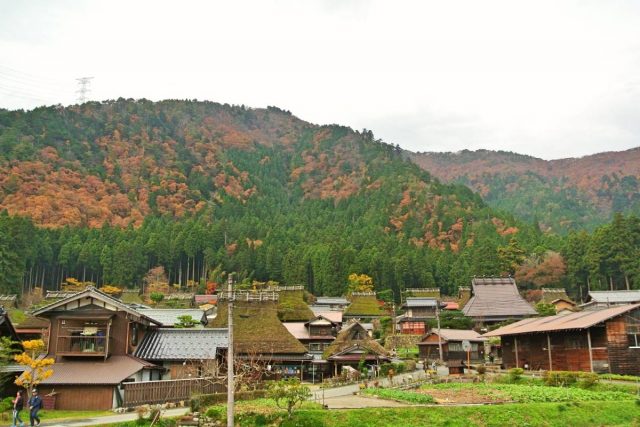
Japan’s most famous gassho-zukuri villages include Shirakawa-go, a UNESCO World Heritage Site. In fact, there are three major gassho-zukuri villages in Japan: Shirakawa-go is one, Miyama in Kyoto is another, and Ouchi-juku in Fukushima is the third.
Public transport to Miyama is not very straightforward. First, take the JR train to either Yura or Hiyoshi stations, but this depends on the JR and bus schedules because JR limited express trains usually don’t stop at Hiyoshi, while buses typically depart from there—and there are only a few services per day.
Doudou started from Minoo and couldn’t go north directly, so had to loop back to Osaka before heading to Kyoto. She took the San’in Main Line to Yura Station and boarded a bus from the west exit bus stop.
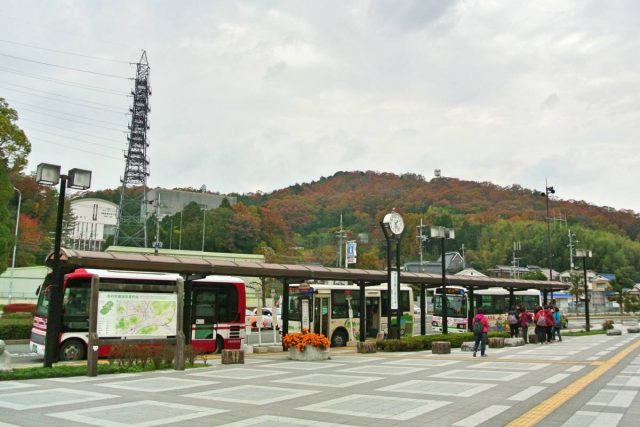
The roughly one-hour ride brought her to Miyama Kayabuki no Sato (Thatched Village). This trip was indeed somewhat planned to coincide with the autumn foliage.
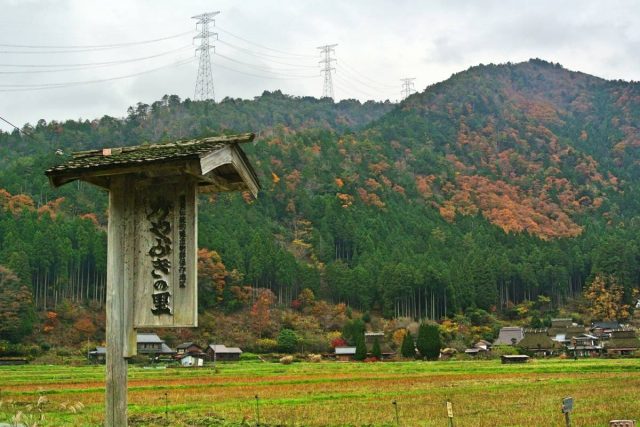
The tourist center in Miyama is built in the style of a gassho-zukuri house.
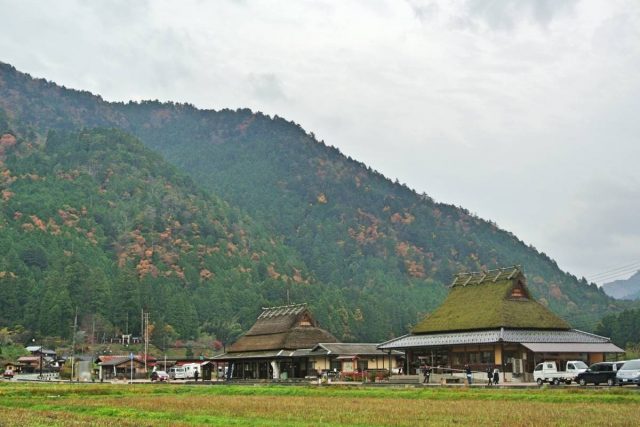
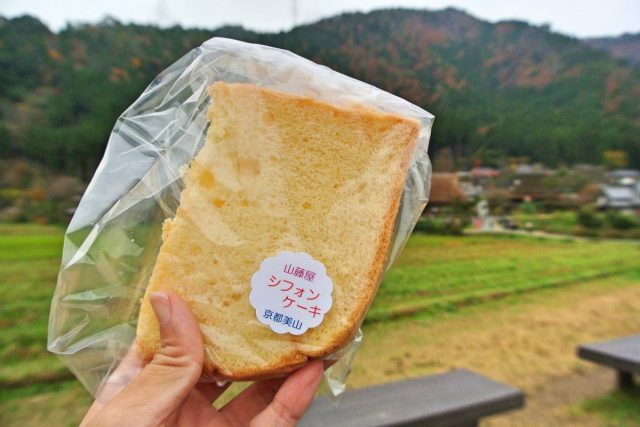
Since she didn’t eat enough at lunch, she looked for something to eat and ended up buying a chiffon cake made by a local resident—it was fragrant and fluffy. She also bought some Miyama tea, but it wasn’t very good, so she doesn’t recommend it.
After having a light bite, she wandered around and felt the strong autumn atmosphere in the thatched-roof village beneath the red-leafed hills.
There is actually one gassho-zukuri house in the village, and the cherry blossom tree in front of it must look stunning in spring.
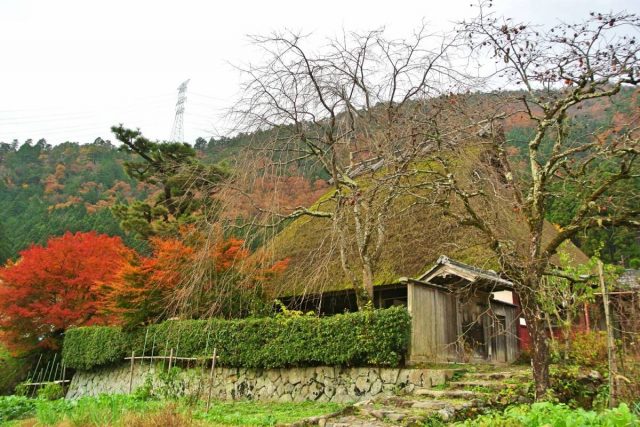
Though Miyama has fewer gassho-zukuri houses than Shirakawa-go, its serene and tranquil vibe offers a different kind of charm.
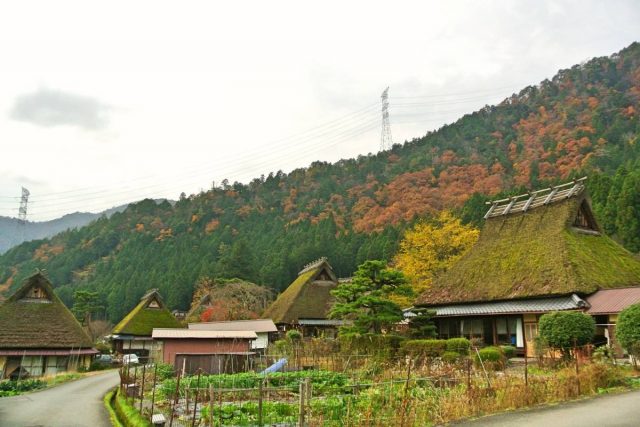
This is the Miyama Folk Museum. The entrance fee is 300 yen... though she’s not sure if there’s an audio guide.
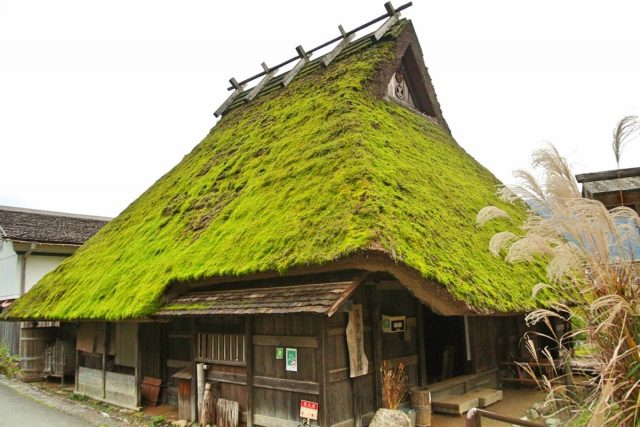
Autumn is also the season of miscanthus grass. With red leaves behind and miscanthus in front, the scenery is beautiful.
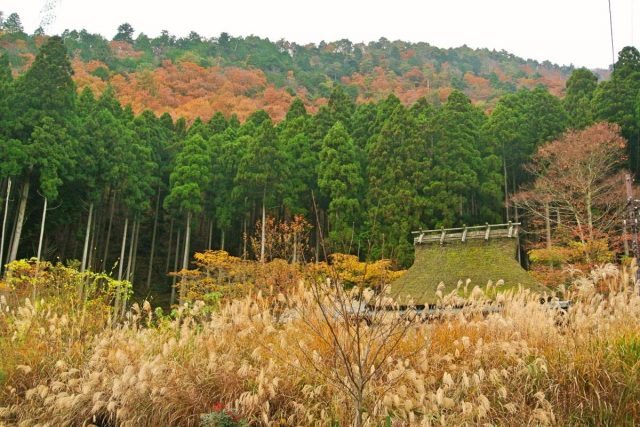
There is a small temple here called Fumyo-ji, which is usually a hotspot for cherry blossoms in spring and autumn leaves.
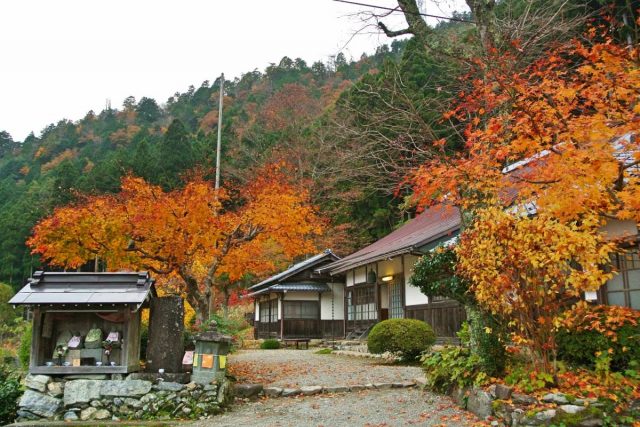
Next to the small Inari shrine are some ginkgo trees, nearly bare, with leaves scattered all over the ground.
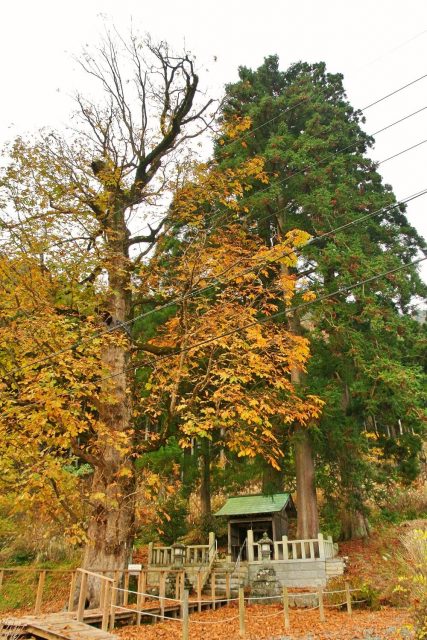
The Miyama Village Center isn’t very large. Without visiting the museum, you can walk through it in about half an hour. So Doudou went for a stroll around the outskirts of the village.
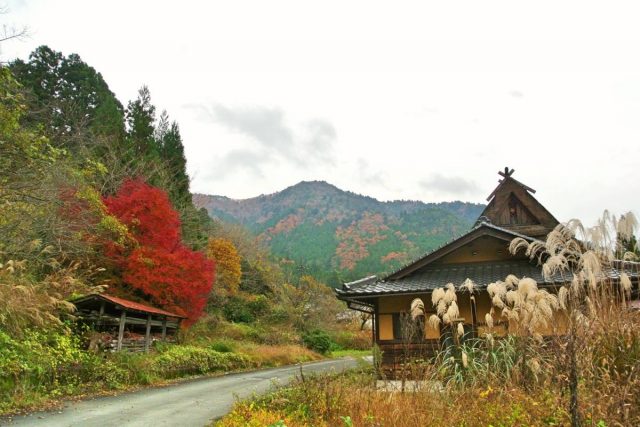
Doudou thinks the village looks better from a distance. Actually, there’s an observation deck in Miyama, but it hasn’t been repaired since the landslide disaster.
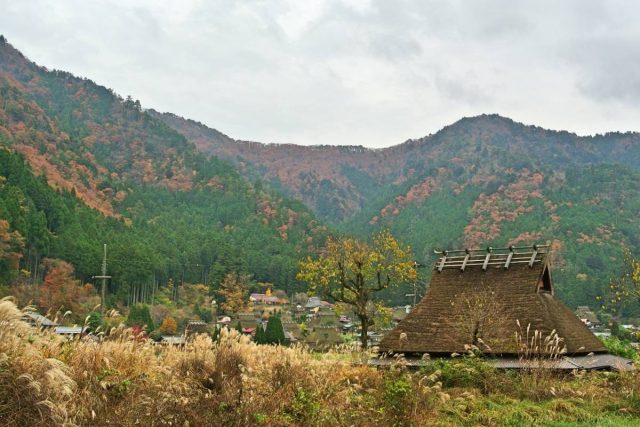
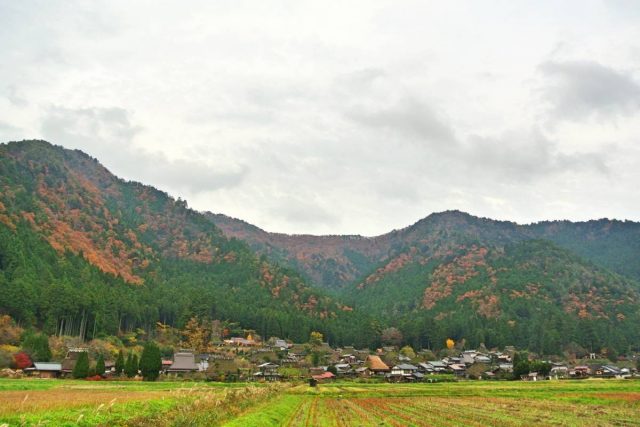
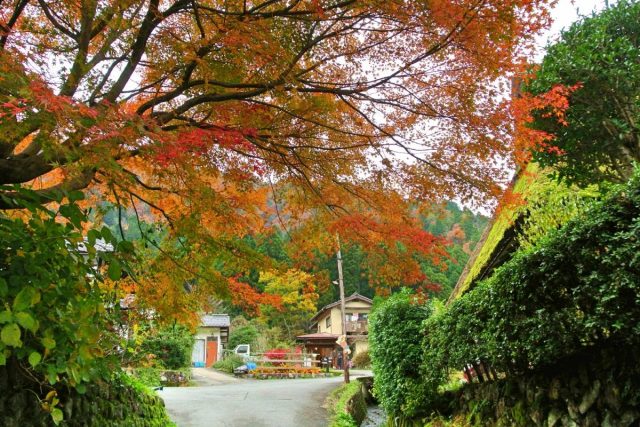
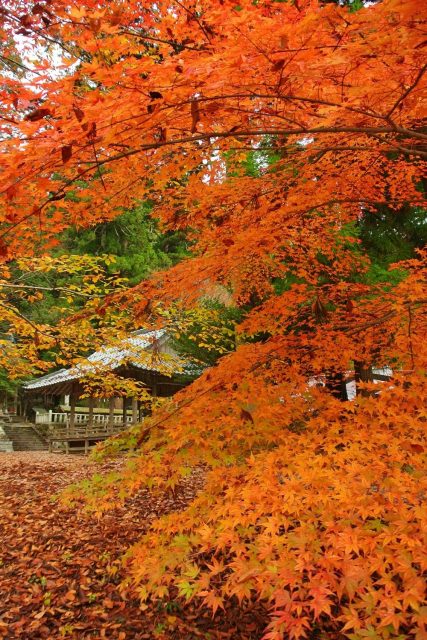
Later, she returned to the other side of the village and saw maple trees in the midst of changing color.
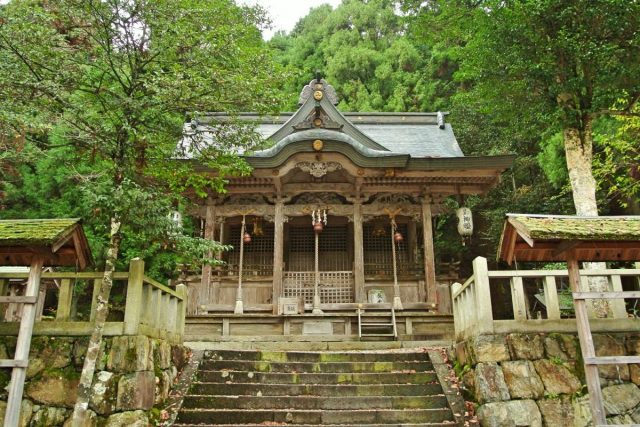
Miyama’s Chii Hachiman Shrine, where the central stage is located.
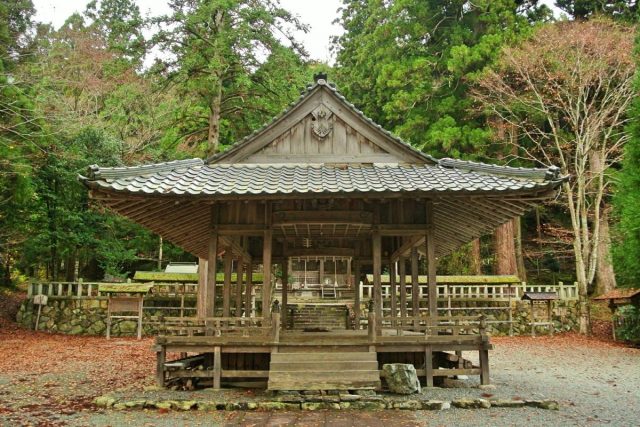
The shrine is nearly 1,000 years old, established in 1071, and holds a festival every October.
There’s a large maple tree next to the shrine’s torii gate, which has become a focal point for visitors.
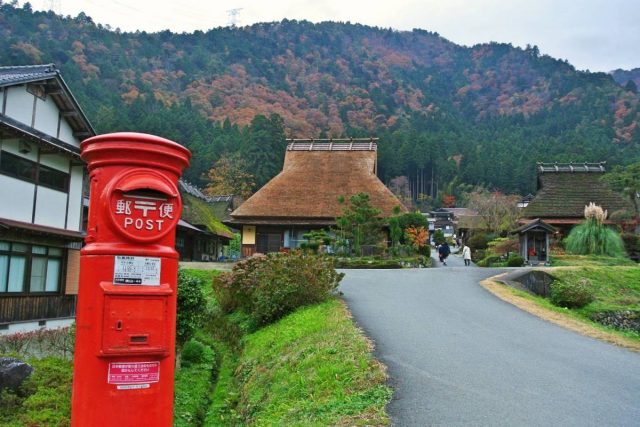
That’s pretty much it for the gassho-zukuri village. The old-fashioned red postbox at the entrance of the village is also a popular photo spot.
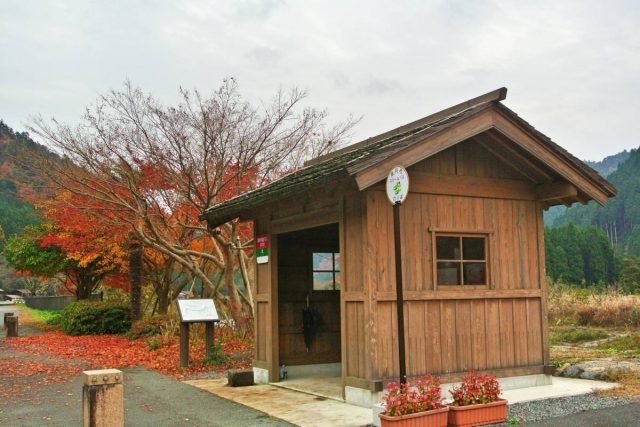
Even the bus stop is a cute little wooden hut.
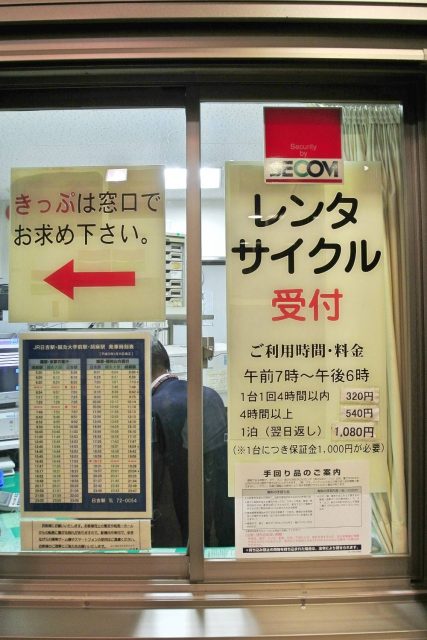
She took the bus back to Hiyoshi and found out that you can rent a bicycle there for 540 yen per day... or return it by 8:00 p.m. for a slightly higher fee. A friend who did that said it was quite nice.
The reason you can return the bike the next day is that some of the guesthouses in Miyama Gassho Village offer stay-and-dine packages. Doudou saw several Taiwanese tourists staying overnight there—another great way to experience Japanese-style lodging.
Miyama NAVI Official Website (English)?
http://www.miyamanavi.net/english/
【Doudou’s Travel Notes】>> FACEBOOK | INSTAGRAM | YOUTUBE |
Having traveled to over 30 countries/regions, lived in Taiwan for a year and a half, explored 19 counties/cities, traveled in Japan for months, covered all 47 prefectures, worked and traveled in Canada for two months chasing the northern lights, she loves off-the-beaten-path destinations. Her travelogues have been published on Yong An Travel, U blog, DC fever, likeJapan, now.com, and Travel Bar. She welcomes various forms of collaboration.