The Best Eel in Kansai: A Hidden Gem in Kyushu – Ohmiya
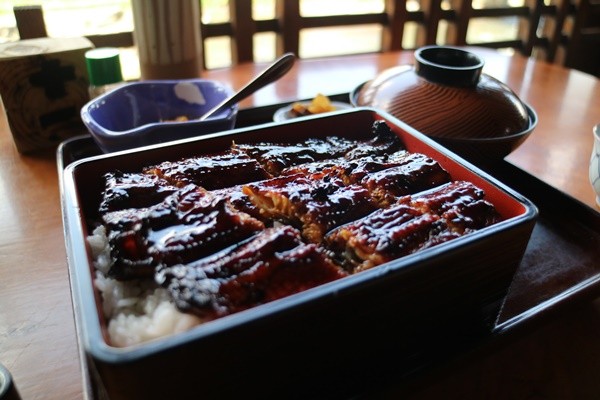
Text & Photos / Joel Fukuzawa
Every summer, eel lovers eagerly await “Doyo no Ushi no Hi” (the Day of the Ox during Doyo), known as the best season to enjoy unagi donburi. Though eels aren’t at their peak flavor during this time—typically in autumn and winter—this day is celebrated as the ideal moment for this delicacy.
The main reason for this Japanese tradition dates back to Hiraga Gennai. Since eels didn’t sell well in summer and people often suffered from poor appetite and malnutrition, the government officially declared this day as an occasion to enjoy unagi donburi. It was believed that not only would this help replenish nutrients but also support the eel industry. The idea turned out to be not just a success—but a huge one—and its influence continues even today.
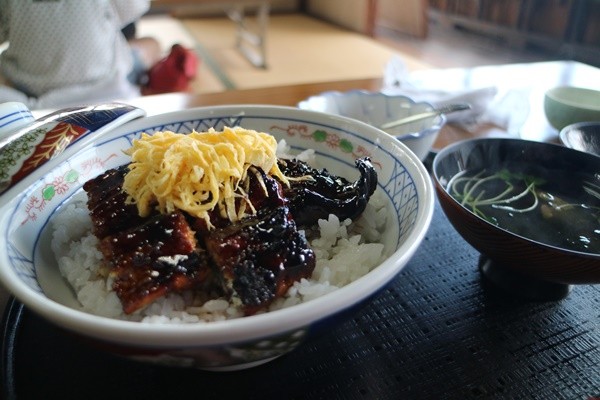
In Japan, there are generally two major styles of preparing eel: the Kanto and the Kansai methods. In Kanto, influenced by samurai culture, it’s considered taboo to cut the eel open from the belly, so they slice it from the back. In Kansai, cutting the belly is preferred because it allows the fat to seep directly into the flesh. Beyond this difference, Kanto-style eel is first steamed before grilling—a method that saves time—whereas Kansai-style involves grilling raw eel directly. This distinction not only affects cooking time but also challenges the chef’s grilling skills.
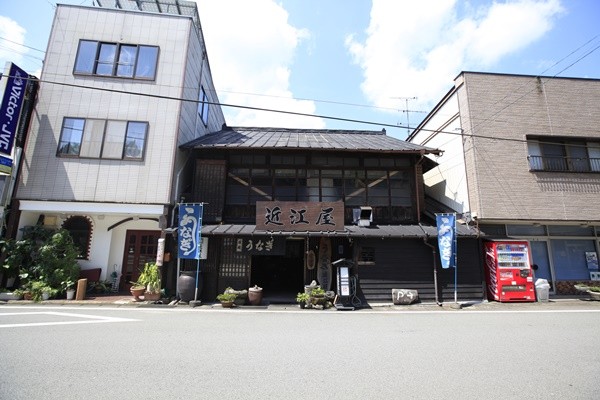
The best unagi donburi in Kanto can be found in Shizuoka, while the best eel in Kansai is in Kyushu.Kyushu’s unique eel preparation style is called Chikugo-yaki. While the famous Yanagawa unagi donburi is widely known, there's another hidden gem in Kyushu located in Kokonoe Town, Aso District, Kumamoto—Ohmiya.
Ohmiya has been operating in Kokonoe Town for 120 years, and the current owner, Mr. Ohmi, is the third-generation proprietor. This riverside eel restaurant is housed in a century-old building.
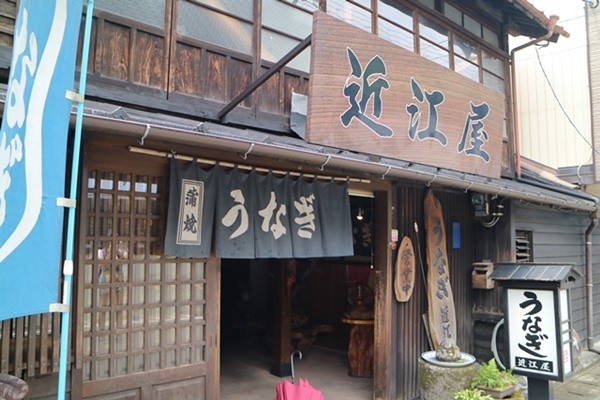
Though it’s not so rare to see century-old buildings these days, finding a restaurant that has maintained its original appearance for over a hundred years is truly special. As you lift the noren curtain, you’re greeted by a space roughly ten meters square. You might even wonder if it’s open due to the dim lighting—but just call out “Sumimasen,” and someone will promptly respond.
An elderly waitress will emerge with a smile and ask, “How many?” She’ll then guide you into this enchanting world. You can take off your shoes on the large stone at the entrance and step onto century-old wooden floors. If you’re lucky, you might score a seat by the river on the first floor—that’s arguably the best spot in the house. With a wind chime by the window, the gentle summer breeze rustling it alongside the soothing sound of the stream creates a truly serene atmosphere.
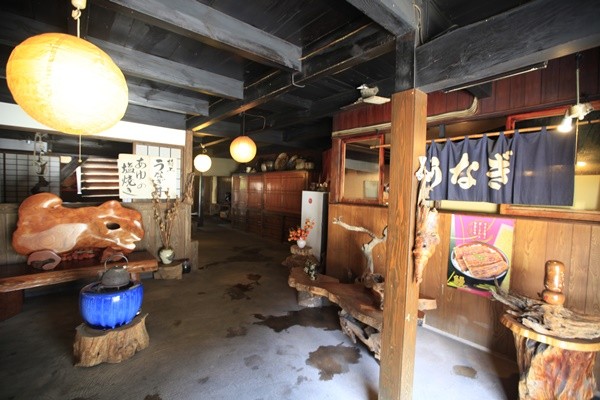
The menu here is simple—just unagi.<饭、超级鳗鱼N<饭以及鳗鱼重,建议不用去点套餐,毕竟来这里就是要吃鳗鱼饭,别浪费肚子的空间吃其他有的没的,如果没有太大预算可以点一碗超级鳗鱼N<饭,如果想要好好犒赏自己的话,鳗鱼重可以吃到很开心。
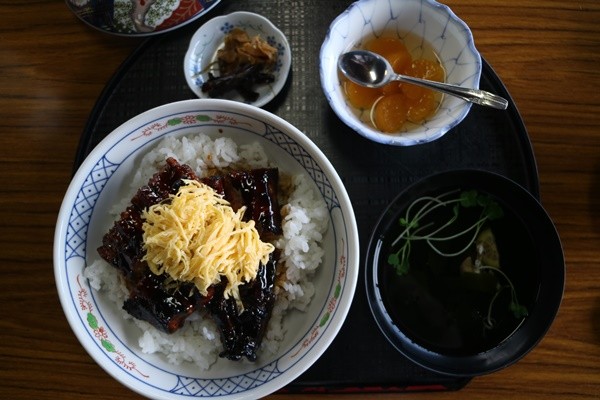
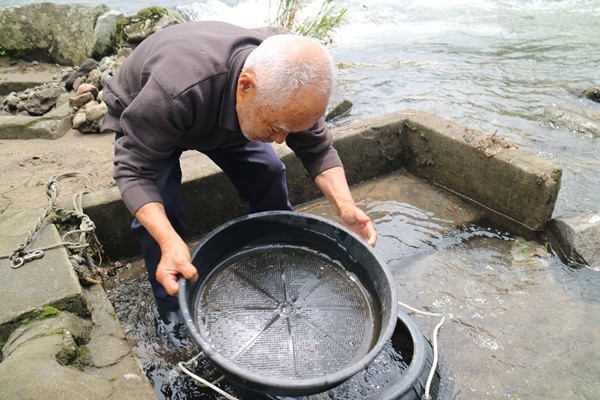
Since the owner begins cooking only after you place your order, it takes about ten to fifteen minutes. It’s worth taking the time to soak in the charm of this old house while you wait. What sets the unagi donburi apart—aside from skipping the steaming step and going straight to grilling—is the rich, smoky aroma of the eel, a flavor you won’t get with the Kanto method. Especially notable is the sauce, made from soy sauce brewed with local water. Plus, all the live eels are raised in a pond by the stream. The combination of locally sourced water, seasonings, and eel makes for an incredibly smooth and delicious meal.
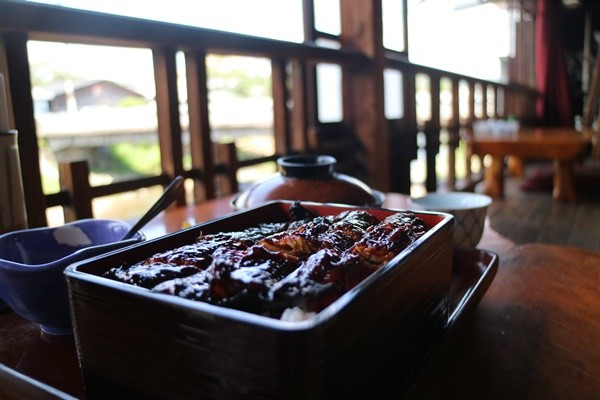
Mr. Ohmi is in his seventies, but his eyes light up whenever he talks about eel. Sitting by the small stream and savoring this centuries-old eel dish, you might find yourself planning to return on July 30th next year.
Ohmiya
Address: 1584 Miyahara, Kokonoe Town, Aso District, Kumamoto Prefecture
Phone: +81 967-46-2025
Share
This article is published by HowToTrip. Sharing and reposting are welcome — please credit the source.
Article URL: https://www.howtotrip.net/views-6152
Related Articles
- Shaoxing's "Grandpa Gourd" hangs the gourds back up: "If there are too many people, we'll interact less — just take a quick look from afar"
- Chinese authorities announce "reciprocal adjustment" to Japan visa fees — single-entry visa jumps from 2,250 to 16,750 yen!
- The "health stones" carried by a traveler were found to have radiation levels exceeding safety limits by a thousand times, potentially endangering fellow passengers on the same flight. Customs issues warning!
- Shenzhen Airport Issues Late-Night Notice: Unidentified Aerial Object Detected, Causing Widespread Flight Delays!
- “They only said it cost money after I opened the box and washed it!” 200g of grapes sold for 60 yuan on a high-speed train—12306 responds!
- Can't buy an airline ticket? Denied exit? Blocked from boarding? A large number of Chinese tourists have mysteriously become "discredited individuals"
- Adverse weather and economic fluctuations impact Colombia's coffee market
- Beach bathing area responds to 2 yuan/30 seconds fee for freshwater foot rinsing: Clearly priced!
- Taking off with an improperly closed cabin door? Wing malfunction? Multiple flights made emergency returns mid-journey!
- Experience the gifts of nature! A countdown of the world’s ten most stunning coastlines