Abandoned Old Mansion Becomes a Photo Hotspot: Taichung’s "Jukuiju" Boasts Stunning Baroque Architecture
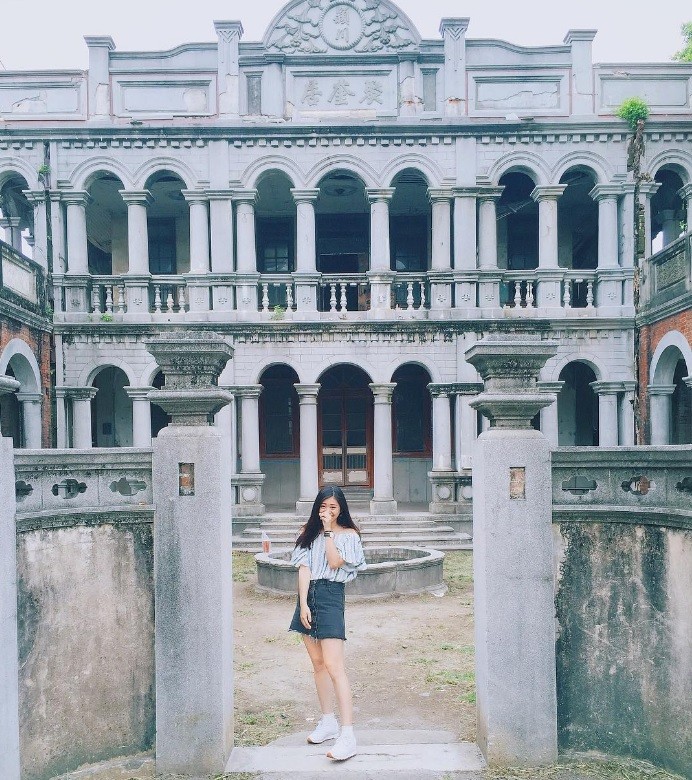
▲Front view of Jukuiju. (Photo credit: Netizen)ni615Please do not reproduce without permission to avoid copyright infringement.
Travel Center / Comprehensive Report
In recent times, lesser-known old mansions and ruins have become popular photography and exploration spots for enthusiasts due to their historical significance and unique architectural styles. Among them is "Jukuiju" located in Wuri, Taichung. Built around 1920, the site has stood for nearly a century and was designated as a municipal historic monument by Taichung’s Cultural Affairs Bureau in 2012. Its fusion of Eastern and Western architectural styles and landscape attracts many visitors seeking beautiful photo opportunities.
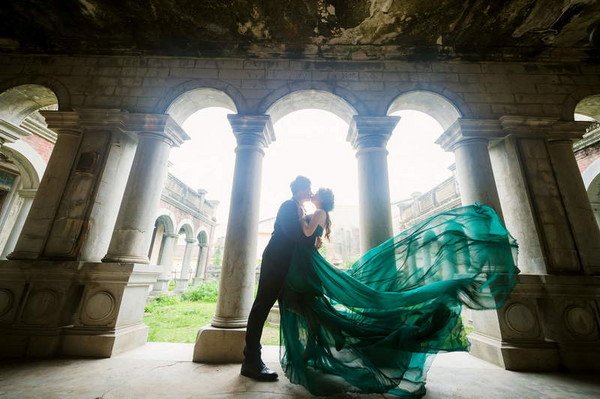
▲Jukuiju is also a popular spot for wedding photography. The photo shows the colonnaded corridor of the Western-style building. (Photo credit: Netizen)Jing ZhangPlease do not reproduce without permission to avoid copyright infringement.
Constructed during the Japanese colonial period, Jukuiju is a city-designated third-grade historic monument and was once the residence of the poet Chen Ruoshi. The overall structure combines the traditional layout of a Southern Fujian-style three-courtyard compound with the style and construction techniques of Western-style two-story buildings. It features red brick walls in the Chinese style paired with Baroque elements such as corridors, columns, and carvings, reflecting the cultural and artistic characteristics of the time. It also holds historical significance. However, years of abandonment have led to damage in multiple areas of the building, which paradoxically has made it an attractive destination for travelers interested in exploration and abandoned mansions.
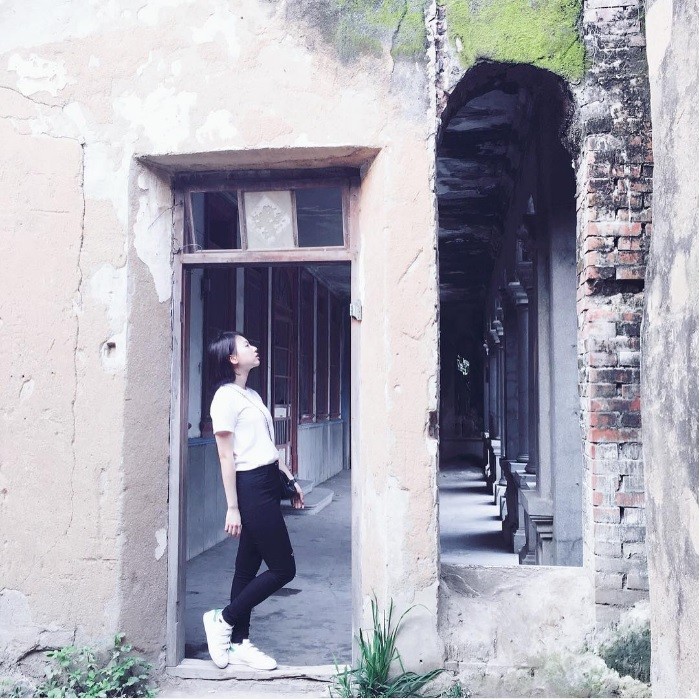
▲Weathered walls and columns offer a picturesque setting for photos. (Photo credit: Netizen)hero9327Please do not reproduce without permission to avoid copyright infringement.
Wuri Xuetian, where Jukuiju is located, was a place purchased with donations from local gentry to promote education. The character "Kui" (奎) in Jukuiju refers to the literary star in ancient Chinese astronomy, symbolizing the site’s role in supporting local education at the time. Though now abandoned, the grandeur of the architecture still offers a glimpse into its former glory.
Share
This article is published by HowToTrip. Sharing and reposting are welcome — please credit the source.
Article URL: https://www.howtotrip.net/views-5966Related Articles
- Shaoxing's "Grandpa Gourd" hangs the gourds back up: "If there are too many people, we'll interact less — just take a quick look from afar"
- Chinese authorities announce "reciprocal adjustment" to Japan visa fees — single-entry visa jumps from 2,250 to 16,750 yen!
- The "health stones" carried by a traveler were found to have radiation levels exceeding safety limits by a thousand times, potentially endangering fellow passengers on the same flight. Customs issues warning!
- Shenzhen Airport Issues Late-Night Notice: Unidentified Aerial Object Detected, Causing Widespread Flight Delays!
- “They only said it cost money after I opened the box and washed it!” 200g of grapes sold for 60 yuan on a high-speed train—12306 responds!
- Can't buy an airline ticket? Denied exit? Blocked from boarding? A large number of Chinese tourists have mysteriously become "discredited individuals"
- Adverse weather and economic fluctuations impact Colombia's coffee market
- Beach bathing area responds to 2 yuan/30 seconds fee for freshwater foot rinsing: Clearly priced!
- Taking off with an improperly closed cabin door? Wing malfunction? Multiple flights made emergency returns mid-journey!
- Experience the gifts of nature! A countdown of the world’s ten most stunning coastlines