Road tripping is undoubtedly one of the most fun ways to experience the local culture and customs of a foreign country, as it allows you the freedom to enjoy your journey however you like. So when holidays roll around, many travelers are eager to hit the road and explore new sights.
In the excitement leading up to a trip, it’s easy to overlook the road rules across Europe, which vary widely — from speed limits and traffic signs to required items in the vehicle. In light of this, and following France’s recent legal update that made it mandatory for drivers to carry an alcohol tester, Avis car rental has also started reminding travelers to familiarize themselves with traffic regulations before hitting the road.
Kitty Koehler, AVIS’s Partner Manager for the Asia-Pacific region, explained: “Driving abroad is one of the best ways to learn about different countries. When visiting attractions, you’re not bound by set routes—you can discover hidden gems and gain deeper insights into local cultures. But driving a private vehicle overseas can often be more complicated. Sometimes, not only do you need to bring items such as warning triangles, high-visibility safety jackets, and first aid kits, but you may also have to install headlight converters and additional mirrors. Plus, you need to consider whether you have the right insurance coverage, including collision insurance.”
In the excitement leading up to a trip, it’s easy to overlook the road rules across Europe, which vary widely — from speed limits and traffic signs to required items in the vehicle. In light of this, and following France’s recent legal update that made it mandatory for drivers to carry an alcohol tester, Avis car rental has also started reminding travelers to familiarize themselves with traffic regulations before hitting the road.
Kitty Koehler, AVIS’s Partner Manager for the Asia-Pacific region, explained: “Driving abroad is one of the best ways to learn about different countries. When visiting attractions, you’re not bound by set routes—you can discover hidden gems and gain deeper insights into local cultures. But driving a private vehicle overseas can often be more complicated. Sometimes, not only do you need to bring items such as warning triangles, high-visibility safety jackets, and first aid kits, but you may also have to install headlight converters and additional mirrors. Plus, you need to consider whether you have the right insurance coverage, including collision insurance.”
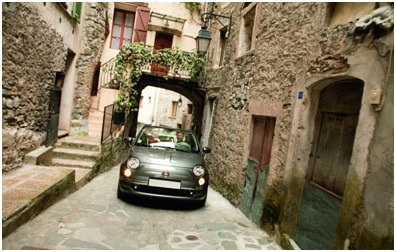
“When you rent a car, these hassles are avoided because the vehicle comes equipped according to the specific requirements of the country — for example, all vehicles rented through Avis in France come with an alcohol tester. The staff at the rental station will also remind you about local speed limits and other regulations, and arrange appropriate insurance based on your needs. In other words, we’ll make sure you’re familiar with traffic signs and rules. Even the most experienced drivers can be baffled by unfamiliar regulations, so it’s essential to prepare before your trip.”
To help drivers travel smoothly across Europe, Avis has compiled a list of important traffic rules that every driver should know:
1. Whether children over the age of ten can sit in the front passenger seat varies by country, so check the rules before letting them ride up front.
2. In Germany, it’s illegal to run out of fuel on the autobahn, so always keep an eye on your fuel gauge.
3. In Belgium, U-turns are not allowed at intersections.
4. Spanish law requires drivers who wear glasses or contact lenses to keep a spare pair in the vehicle.
5. Many European countries require drivers to use dipped headlights at all times. For example, drivers in Italy must use low beams on highways, two-lane roads, and rural roads during the day; in Hungary, using high beams at any time is against the law.
6. Currently, some countries have made it illegal to use satellite navigation systems that identify the location of fixed speed cameras. If you plan to use your own system, make sure this function is turned off.
7. In the UK, vehicles displaying a green “P” plate mean they’ve been on the road for less than a year, so keep your distance and give them extra space. In Spain, the equivalent is an “L” plate.
8. Speed limit signs differ by country. In some places, posted limits are recommended maximum speeds, while in others, they are actual minimums. So download a traffic guide before you go to get familiar with the signs used in the region.
9. Many toll roads in Europe do not accept credit or debit cards, so make sure to have enough cash on hand. Avis rentals in Portugal offer an electronic toll payment service — all Avis cars are enabled for electronic payments, so you won’t have to worry about how, when, or where to pay.
*All rental vehicles from Avis in France come equipped with an alcohol tester.
About Avis Car Rental:
Avis is one of the world’s most recognized car rental brands, with more than 5,200 rental locations across 165+ countries. With a long history and a continuous drive to innovate within the car rental industry and services, Avis is one of the top global brands with exceptionally high customer loyalty. Avis is a part of Avis Budget Group, Inc. (NASDAQ: CAR), and operates globally under authorized licensing.