Numerous invited guests gathered together, creating a lively atmosphere at the seminar where participants exchanged views and explored topics based on their own perspectives. Among them, Professor Fu Quansheng from the Tourism Planning and Development Research Center at East China Normal University delved into the topic of domestic RV self-driving travel, engaging in in-depth discussions with many guests. Topics ranged from vehicle performance, design standards, supporting facilities, road infrastructure, to laws and regulations—covering nearly all aspects. The depth of his research and the breadth of topics discussed gave it strong academic significance. Additionally, Mr. Zhou Luming, editor-in-chief of *Automotive World*, shared his insights based on his own self-driving experiences and understanding of travel. His viewpoints were unique, incisive, easy to understand, and delivered with witty humor. The seminar audience responded with thunderous applause and bursts of laughter.
Professor Fu Quansheng from the Tourism Planning and Development Research Center at East China Normal University engaged in deep discussions with the guests on projects and technical standards related to RVs and the development of self-driving travel. He expressed hope that through discussions with RV modification companies, technical standards could be established, eventually leading to legal standards. The preliminary standards discussed included the following points:
1. Parking space size: RVs can generally be divided into motorized and towable types. The minimum parking space dimensions are determined based on the vehicle’s length and width, establishing the industry-recognized minimum size for RV campsite parking spots.
2. Parking lot roadbed design standards: These are determined based on the varying weights of different RVs to set appropriate design standards for RV campsite roads and foundations.
3. Parking lot planning: Given the large size of RVs, campground designs must take into account the turning radius of RVs and the “traffic flow” of vehicle movement to establish suitable parking and camping site standards.
4. Reserved interfaces: including electricity (voltage, interface specifications, terminal locations); water supply (inlet locations, interface specifications); and drainage (for general wastewater and sewage). There may also be standards for gas, TV, and internet interfaces, among others.
These standards are key areas currently needing research and definition, paving the way for future elevation to legal standards. This will play a positive role in advancing the future development of the entire RV travel industry.
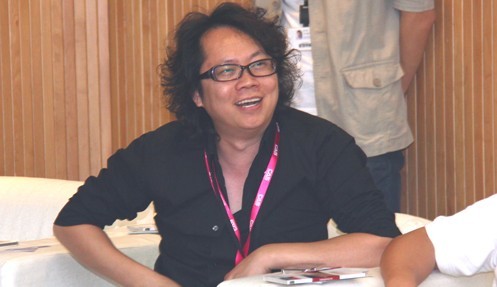
Mr. Li Keqi, CEO of Aijia Media, engaged in deep discussions with the attendees

After nearly two hours of discussion, the guests, scholars, and industry elites gained the latest information exchanges related to modifications and self-driving travel, and thoroughly shared their latest achievements in their respective fields.
As a leader in the emerging field of the automotive aftermarket, Aijia Media is poised to become a mainstream force in the future of car life. With its unique positioning, it will surely lead China’s automotive aftermarket toward a thriving future.